



Authors | Jaime Ramos, Elvira Esparza
TABLE OF CONTENTS
- How much would a 3D printed house cost?
- A back-up for architectural heritage
- 3D urban planning, a new sector
- What are the advantages of 3D urban planning?
- Does 3D printing have any disadvantages?
- How does using 3D modeling affect urban planning?
3D printing is one of the most important technological advances in terms of revolutionising the economy and even our own lives this century, since there are very few manufactured products that cannot be printed. In fact, houses can now be designed and built thanks to the innovation of 3D printers. Architecture and the construction industry are preparing to tackle the impact of 3D printing on their way of working. Today, there are numerous 3D urban development projects which, as experiments, are working on the dream of building houses with negligible budgets and in very little time. This could therefore be a possible turning point in terms of planning.
HOW MUCH WOULD A 3D PRINTED HOUSE COST?
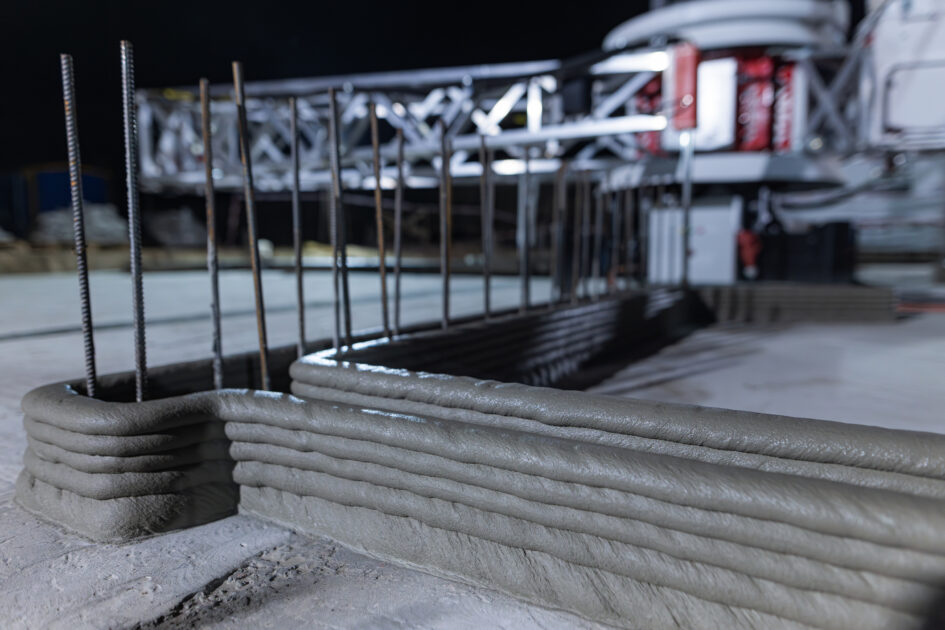
Plenty of companies are already getting ready for the adventure. The projects have a common denominator: the low final price of the property. In the United States, you can find them for around 10,000 dollars.
In Europe, specifically in Italy, there are already 3D printer companies such as Wasp. This firm completed an architectural project last year that focused particularly on sustainability. Christened as “the mud house”, its architects proved that materials obtained from the land can be used to build a 3D-printed eco-house. The materials cost 900 euros and it took 10 days to build the house. The Wasp house served to develop and promote at a commercial level a new printer capable of printing on an architectural scale. To do so, they had to perfect the technology used in the printing, to enable the use of the materials from the chosen plot.
The fundamental aim of using 3D printers is, in this specific case, to reduce the environmental impact. These types of projects can also be found in Spain. In 2018, the first 3D house was built by the company Be More 3D and the Polytechnic University of Valencia.
A BACK-UP FOR ARCHITECTURAL HERITAGE
The advantages of combining architecture and 3D printing also apply to the area of restoring architectural monuments. Notre Dame, after the devastating fire, is a perfect example of how technology can be used to help restore the monument. This is a reverse printing process, by taking a real building and creating a digital 3D replica to allow it to be rebuilt. In the case of the Paris cathedral, in 2015, the historian, Andrew Tallon, used this 3D scanning technology. This technology has given great hope for Notre-Dame, but also for countless other architectural gems that could be affected by fires or natural disasters. Having highly reliable 3D models could be of great help in the reconstruction of these buildings, staying faithful to the original design while using potentially more efficient construction techniques.
3D URBAN PLANNING, A NEW SECTOR
As illustrated, there is already an architectural sector focused on the development of 3D printers. Numerous companies now have branches dedicated to this activity and the results have soon been revealed. The Danish company COBOD, for example, recently unveiled its BOD2 model, capable of “building” at a speed of 100 centimetres per second. The most densely populated cities in the world could use these features to address some of their most pressing problems, such as improving the quality of deteriorated properties or providing housing for homeless people. Solutions of this type would also help improve conditions for refugees, providing them with spaces that would guarantee the protection of their rights. The New Story Project, also focusing on building with 3D printing technology, also seeks to fulfil this objective. This agency estimates that 3,000 people will not have access to decent housing in 2050. This represents a 200% increase with regard to current figures. This challenge concerns all of us and it is hard to ignore it. However, we also need to resolve an equally important disadvantage: How will this technology affect the construction sector? Given the economic dependency of many countries, 3D printers could mean workers are left out of a job. At the very least, we should consider all the consequences and apply the technology in a sensible manner.
WHAT ARE THE ADVANTAGES OF 3D URBAN PLANNING?
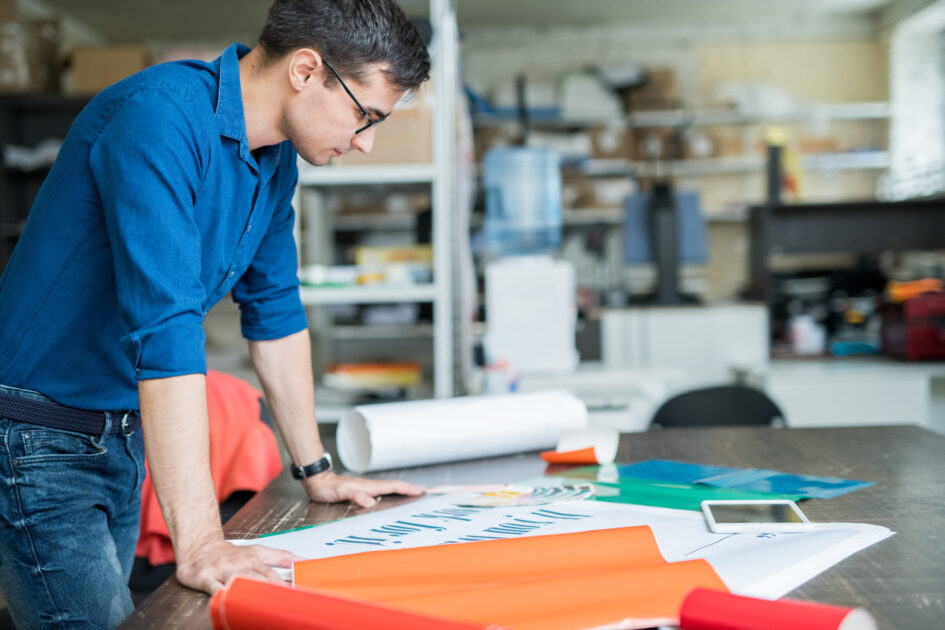
With the application of 3D printing in urban planning, efficiency and productivity increase, providing a high degree of confidence in planning from the beginning. The development of 3D urban planning largely depends on its advantages:
Design flexibility
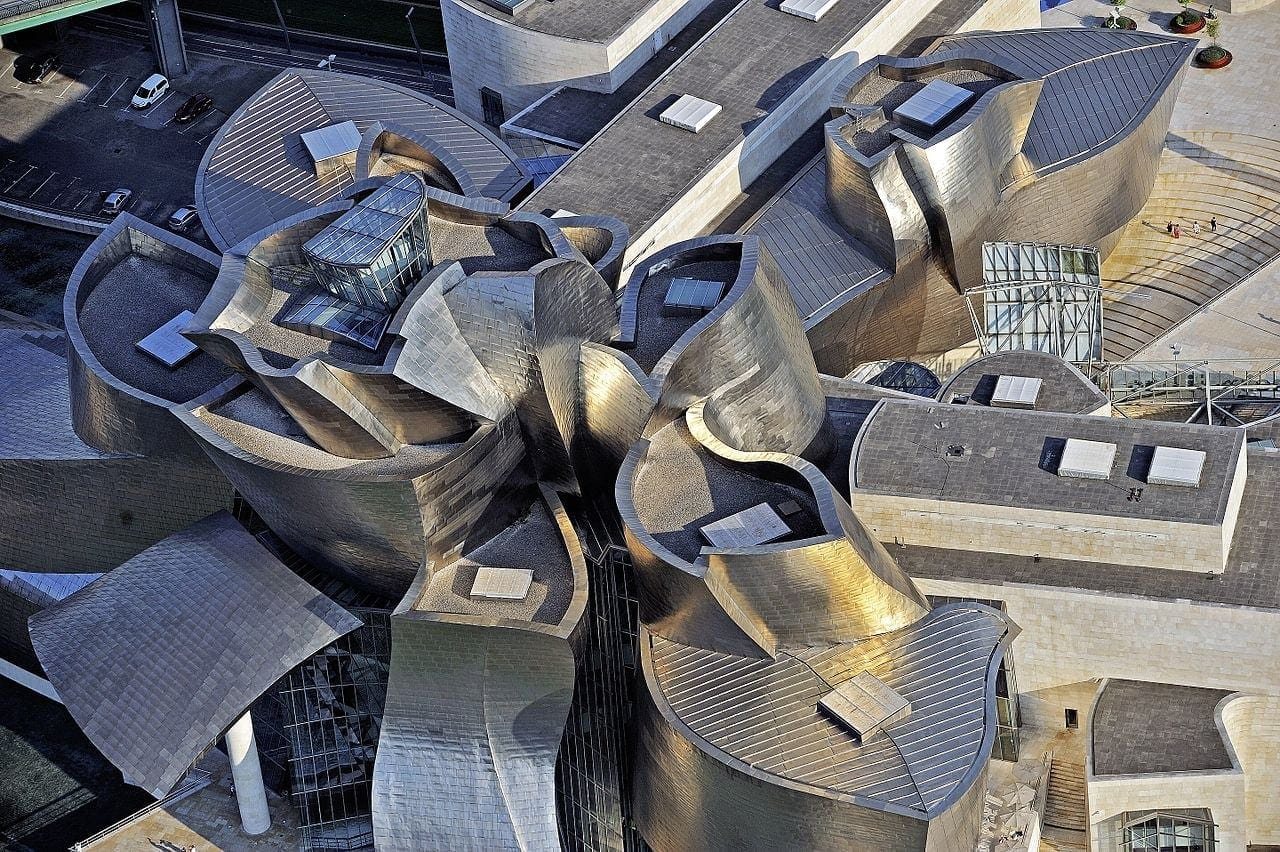
3D printing allows complex shapes, curved walls, and smooth or rough surfaces to be created at different angles, or as flat surfaces with great precision, which are difficult to achieve with conventional construction methods. The system can be configured to adapt to each design and changes can be made within the digital model. It allows greater design customization, as shown by the wave house.
Reduced costs
Cost reduction in 3D printing is achieved in several ways. First, because the required material can be easily calculated, which helps reduce waste. In addition, buildings can be created using organic, sustainable, and renewable materials, as well as concrete. On the other hand, construction time is significantly shortened with 3D printing. It is estimated that construction time is reduced by half, while costs are reduced by one third.
Reduction of construction errors
3D printing reduces many of the most common human errors in construction because the printer builds the entire structure according to precise plans, creating an exact replica of the digital model.
With these advantages, the global market for construction using 3D printing will exceed three trillion dollars by 2034, according to a study by Polaris Market.
DOES 3D PRINTING HAVE ANY DISADVANTAGES?
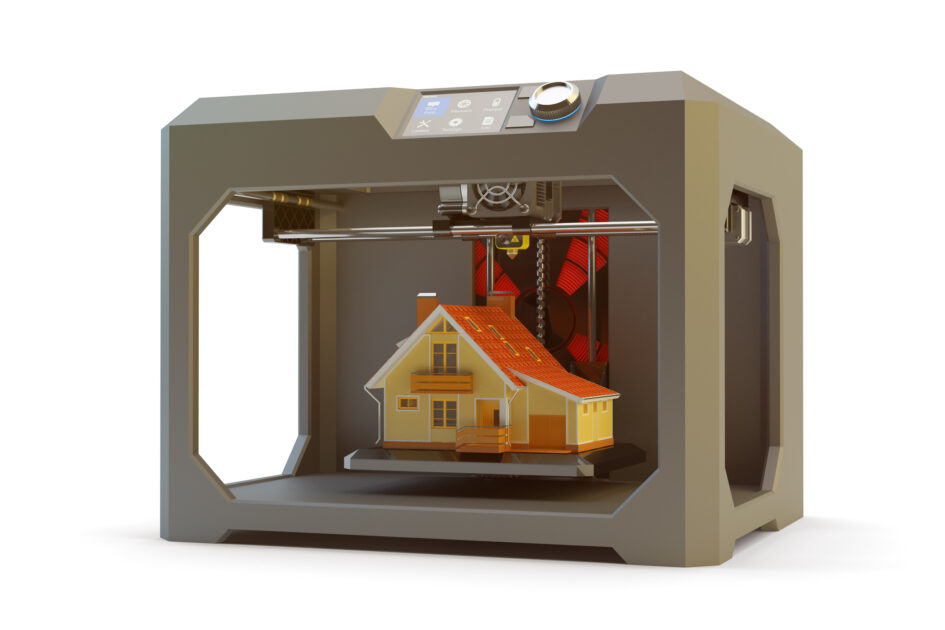
Despite the significant advantages that 3D printing brings to urban planning, there are still some challenges that slow its development.
Lack of trained professionals
Since 3D printing is not carried out using conventional plans, it requires professionals to have the appropriate knowledge for the use of digital models. Likewise, more research in technology is needed because there is no efficient way to reinforce concrete during the printing process, as is the case with steel bars in traditional construction. However, new concrete formulas and other new materials are expected to be stronger, eliminating the need for reinforcement.
Lack of appropriate codes and legislation
The procedures and permits that regulate 3D printing of homes have not yet been established, which can delay the process of obtaining building permits. Safety standards and inspection procedures for 3D printed buildings also need to be established to prevent structural failures.
Reduction of employment
Although carrying out 3D construction with fewer workers can be seen as an advantage, it is also a drawback because it can lead to higher unemployment. In addition, another major challenge is that more specialized professionals are required to work with this technology.
3D printing in construction ranges from residential projects, mainly single family homes and apartment buildings, to more complex architectural structures, as well as civil and military infrastructure such as bridges, walkways, retaining walls and urban furniture, and even plumbing components.
HOW DOES USING 3D MODELING AFFECT URBAN PLANNING?
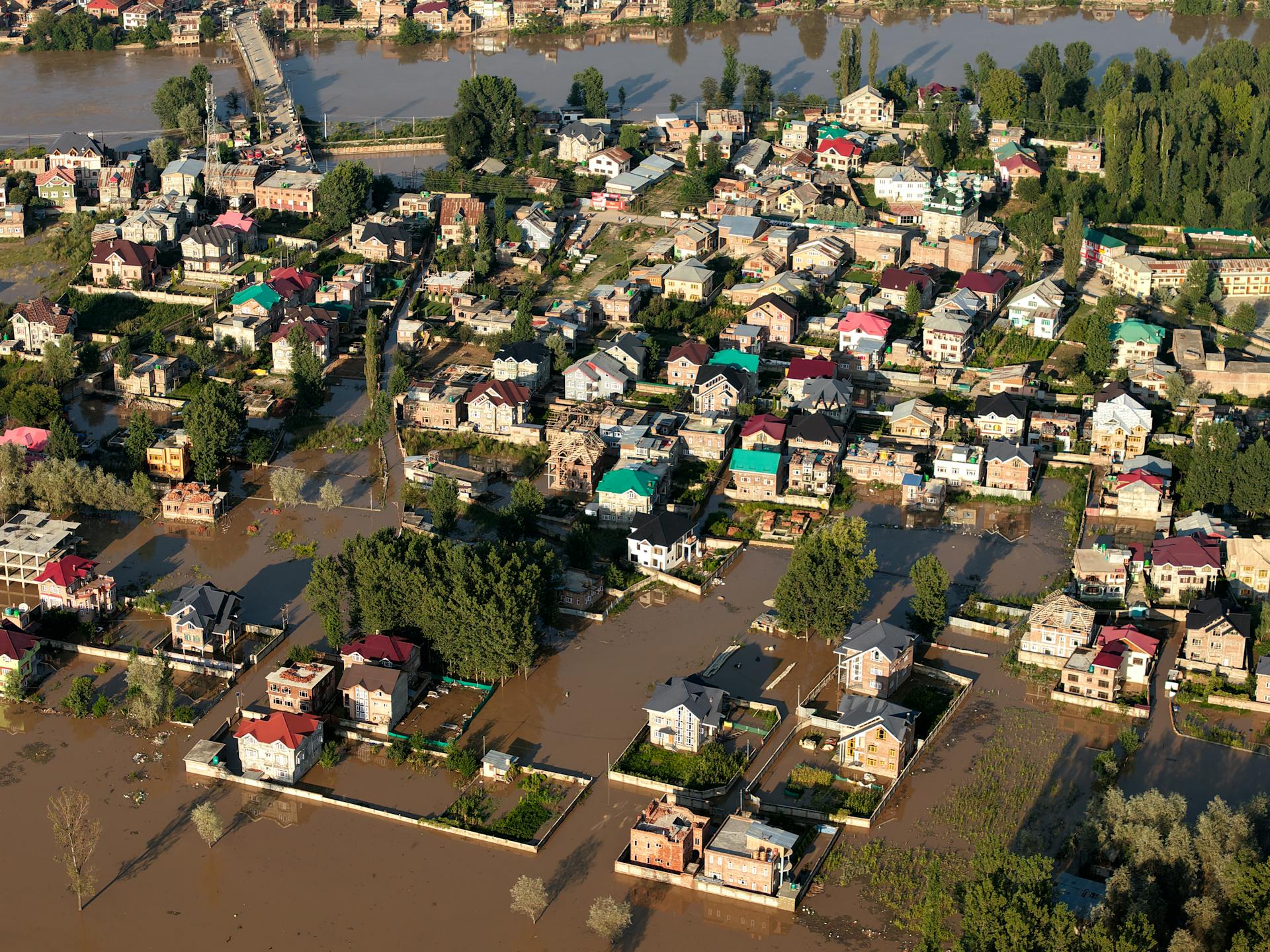
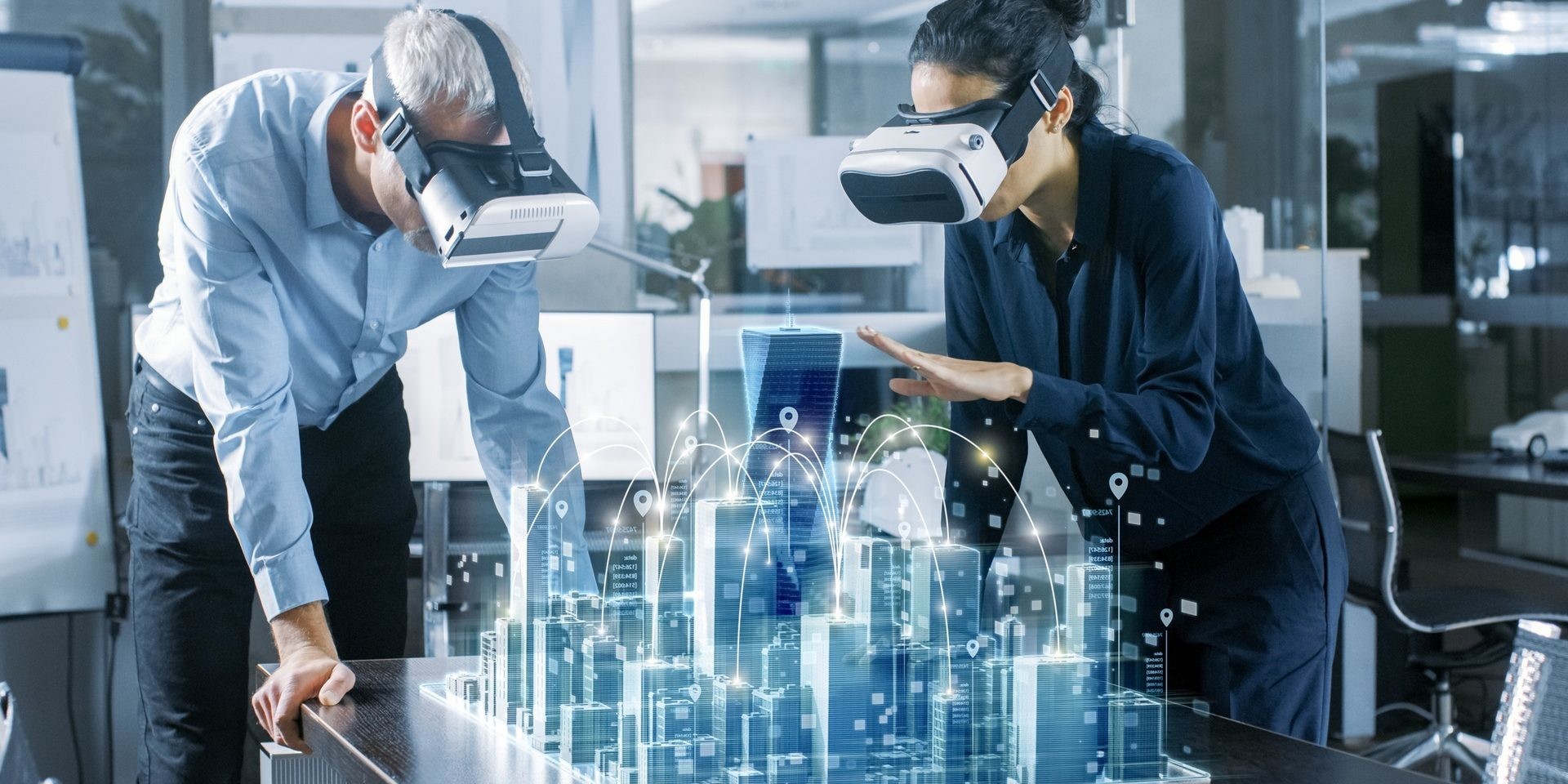
The combination of 3D printing and urban planning is creating a new way of building cities. With digital models, complex spatial data can be visualized in physical form, allowing planners to evaluate infrastructure, test designs, and simulate scenarios. 3D printed city models are used for flood risk simulations, to explore land density, or to analyze green corridors. These urban planning models are fundamental in the development of smart cities such as Singapore, Shanghai, or Dubai.
Urban models produced with 3D printing will evolve over the next decade into fully interactive models equipped with sensors and connected to the IoT. Machine learning algorithms will update these physical models in real time with urban data such as population density or carbon footprint to accurately reflect what is happening in the city. The integration of physical modeling, data analysis, and digital twins will enable the simulation of complex environments and the design of more sustainable solutions.
3D printing is transforming urban planning with innovative designs, sustainable construction, reduced waste, the use of sustainable materials, and lower costs. In the future, it will lead to more sustainable and safer cities.
Images | gorodenkoff/iStock, SeventyFour/iStock, cybrain/iStock, Sergii Kolesnikov/iStock