



Author | Jaime Ramos
Few historical events have had a greater impact on our species as industrialization has. What did it entail, what advancements did it bring with it and which regions are facing the greatest industrial challenges today?
What is the Industrial Revolution?
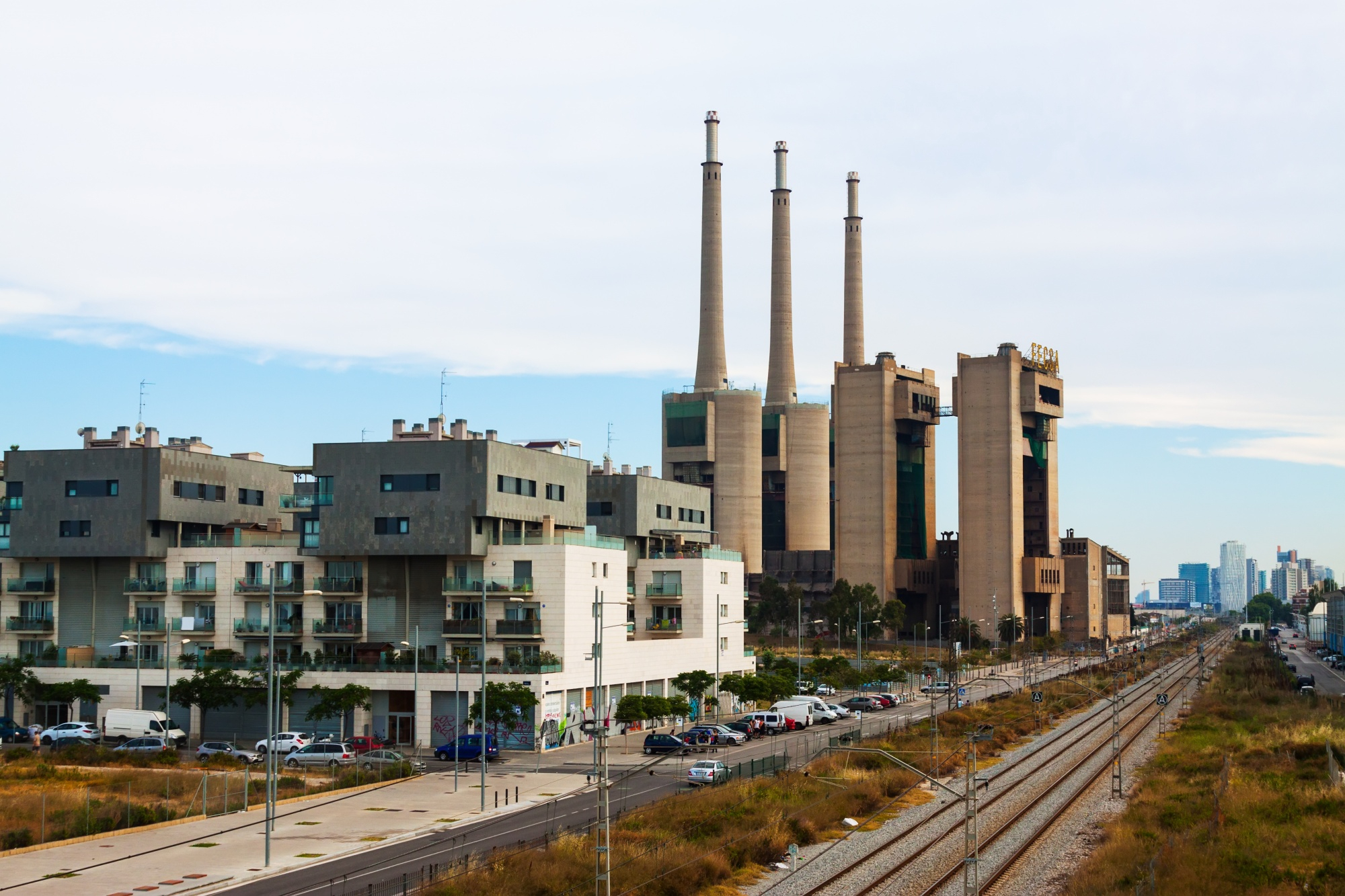
The term Industrial Revolution is based on a series of technological transformations affecting the economic and social contexts in which we live and which end up modifying and redesigning the basic pillars of civilization. Through the implementation of production methods, the Industrial Revolution covers a whole series of small revolutions: demographic, technological, economic, social and, of course, urban.
Because the concept of city, as we know it today, began with the first Industrial Revolution consolidated in Great Britain during the 18th century:
"Cities grew because industrial factories required large workforces and workers and their families needed places to live near their jobs. Factories and cities attracted millions of immigrants looking for work and a better life in the United States", explains the historian Alan Singer.
Urban advancements of the Industrial Revolution

Technical-scientific research and development form the grounds of industrialization. The value of the Boulton and Watt steam engine is epitomized, not just because by its material physical possibilities, but because of the idea of a transversal and universal application. This pattern has been repeated throughout recent history in the great advancements that have affected cities.
Four engines: from steam to hydrogen
The steam engine was just the start of an era in which the development of engines revolutionized the economy. Three engines accelerated the change.
After the steam engine, came the electric and the combustion engine. The latter ended up imposing the supremacy of the capitalist mass production systems, with Henry Ford and his Model T hoisted onto a celestial pedestal.
Today’s results of this model reveal a worrying social, environmental and mobility collapse. The new revolution that seeks to remedy this, aims to establish the predominant resurrection of the electric engine, and also the hydrogen engine.
Fuel and energy
In relation to the above, the Industrial Revolution altered global energy flows, focused since then on fossil fuels and the generation of electric power. Cities were illuminated, heated and cooled. However, today we are still paying for the negative impacts of the most polluting models and the energy dependency among regions.
Sanitation, running water, modern sewage systems
The first industrial revolution brought with it overpopulation, excessive urban development, low health standards and pollution. Smart cities are combating these issues, together with new challenges that come with today’s industrialization, such as problems with the supply and treatment of water.
Multidisciplinary solutions include reuse methods such as those seen in London, new sewage and drainage networks; and other ways of making the most of water (such aswave energy) or large-scale management tools such as Blueprint.
AI and Big Data: connectivity and automation
The most recent revolution, christened as the Fourth Industrial Revolution is based on technologies including Artificial Intelligence and Big Data management. As with the steam engine, its applications reveal a degree of transversality that will change our lifestyle habits and urban flows.
Towards a new urbanism? Explosive industrialization in Africa and Asia

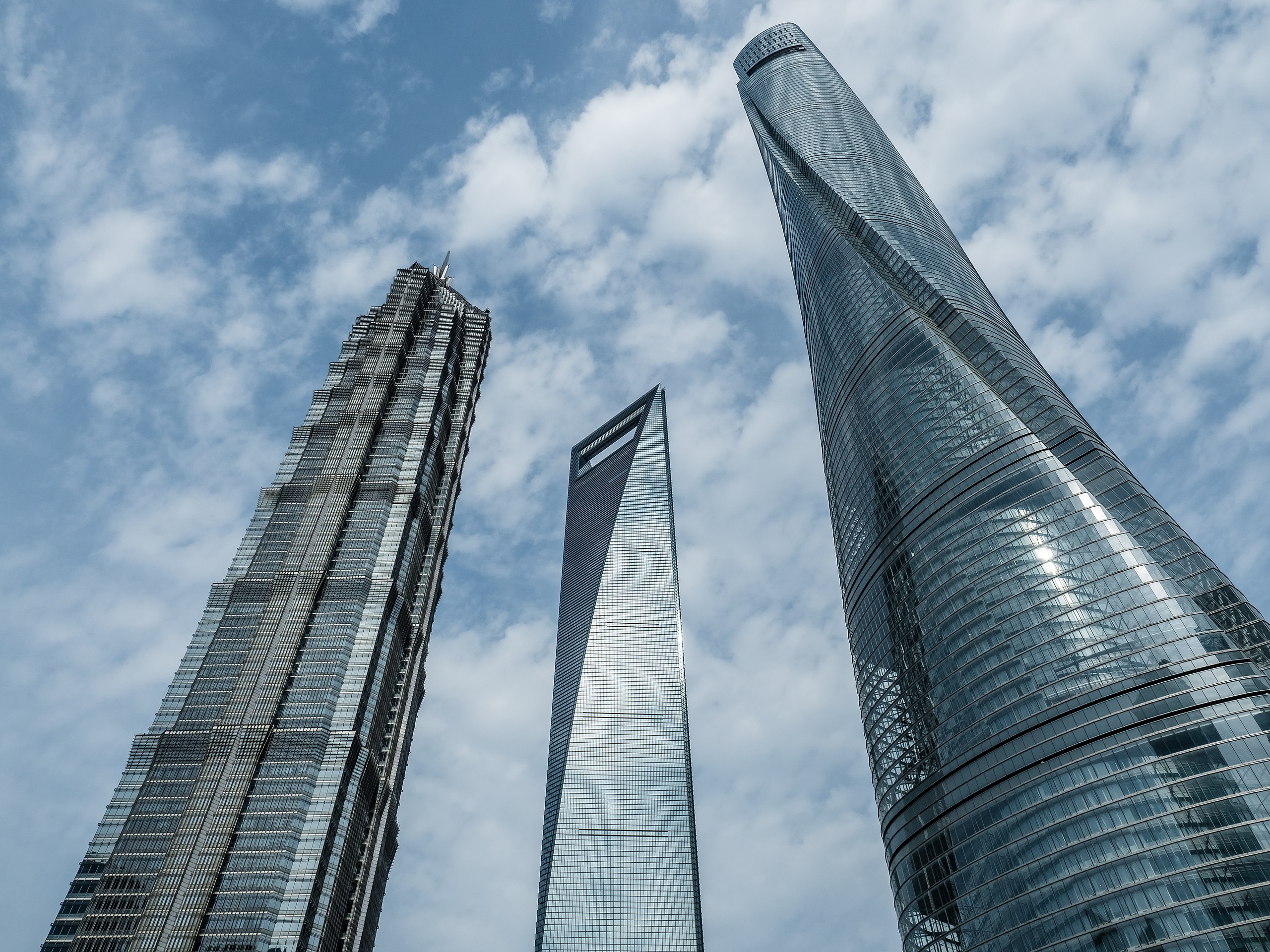
History has shown how regions have accepted their industrial revolution in quite diverse ways. If the original British revolution began very slowly, we have seen examples of dramatically rapid changes. This is the case of countries in Asia including Japan or China. In some cases, they have gone from pseudo-feudal models to industrial societies in just a few decades, all under the same structure, that of a great scientific-technical fertility.
"All Asian regions have industrialized faster than the global average (…), the East Asian region, while being marginal in terms of industrial development in 1970, became the world’s largest ‘core’ industrial region by 2015", according to the United Nations.
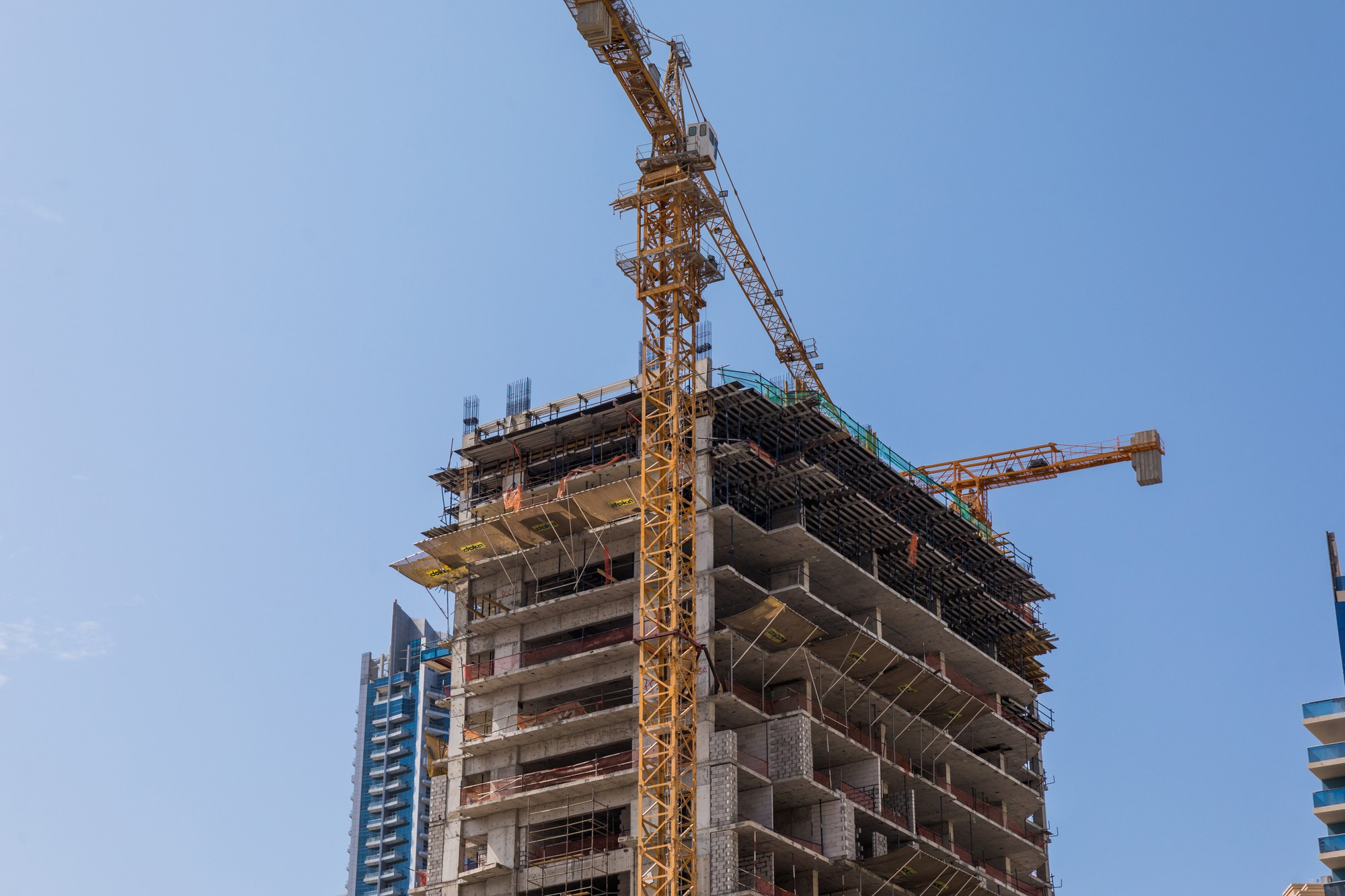
Following the Asian example, industrialization in Africa is the next challenge. It constitutes a unique opportunity to overcome the consequences and abuses of external industrialization on the continent. The current growth of African cities may be a blessing for its economic success and, depending on how it is managed, for the rest of the world.
Images | Wikimedia.commons/Ermell, Wikimedia.commons/Le Grand Portage, Wikipedia