



Author | M. Martínez Euklidiadas
Database Lifecycle Management, DLM, is a data strategy that is becoming increasingly popular in organizations. Companies use the model in search of benefits, researchers in order to perfect their discoveries and urban managers to design effective data-driven urban policies.
What is Database Lifecycle Management (DLM)?
Database Lifecycle Management is a way of structuring the steps that are followed by information within an organization to maximize the value provided by this raw material and to maximize its useful life. In order to meet these goals, DLM must follow a series of cycle phases.
The six phases of the lifecycle of data
- Data capture: during this phase data are collected from various sources such as sensors, IoT elements, external databases, etc.
- Data maintenance or storage: this consists of the digital organization, cleansing and synthesis of the entry signals.
- Data usage: data are used as a raw material, generally for analyses that provide value and convert them into information or knowledge.
- Data publication or release: during this phase, which may also be prior to the phase above, different users are authorized to use the database.
- Data archiving: both data that have not been used together with those that need to be archived and indexed for future use.
- Data cleaning: this consists of deleting duplicated data, which are eliminated to prevent the generation of statistical noise or the appearance of errors.
How is the DLM model used in smart cities?

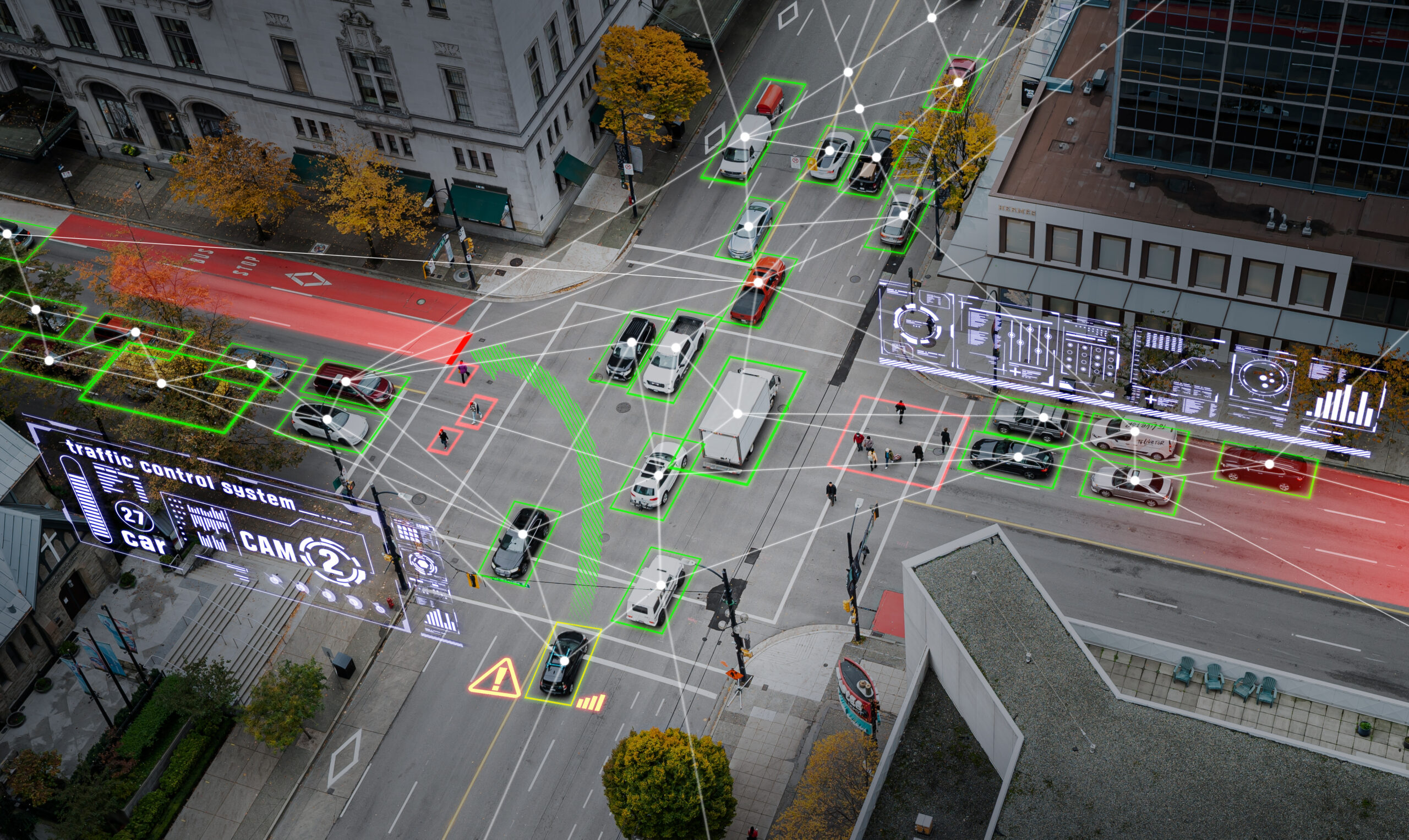
Smart cities face enormous challenges in terms of managing the large volume of urban data they administer. These data are obtained from various sources, which are historically independent and considered ‘data islands’, such as waste management, urban occupation, pollution levels, the likelihood of crimes being committed, etc.
All these data and some other private data such as medical records or statistics regarding mobility in districts, are being grouped together in databases and hybrid clouds connected to one another through instances.
This adds various levels of complexity to urban policies since it introduces the secure and anonymous supervision of data. In other words, the DLM flow must safeguard itself from cyber criminals.
What are the three main goals of data lifecycle management (DLM)?
Database Lifecycle Management has three main goals, which must be fulfilled at all times.
1. Data security and confidentiality
Given the potential value of data in both regulated markets and in black markets, access to these must be safeguarded against cyber criminals. This is particularly important in terms of regulations such as the European GDPR or personal data.
2. Availability at all times
It is also vital for the data to be available when they are needed. There is little point protecting them on disconnected networks if they are not available when they need to be used. This is why cloud solutions are becoming more popular.
3. Long-term structural integrity
Simultaneous access by various users to a database or the different data backups in secure environments, together with data duplication errors,__ affect the long-term integrity of data.__ However, these need to remain stable regardless of the how they are used.
Images | iStock/Chan2545, iStock/Amiak