



Table of Contents
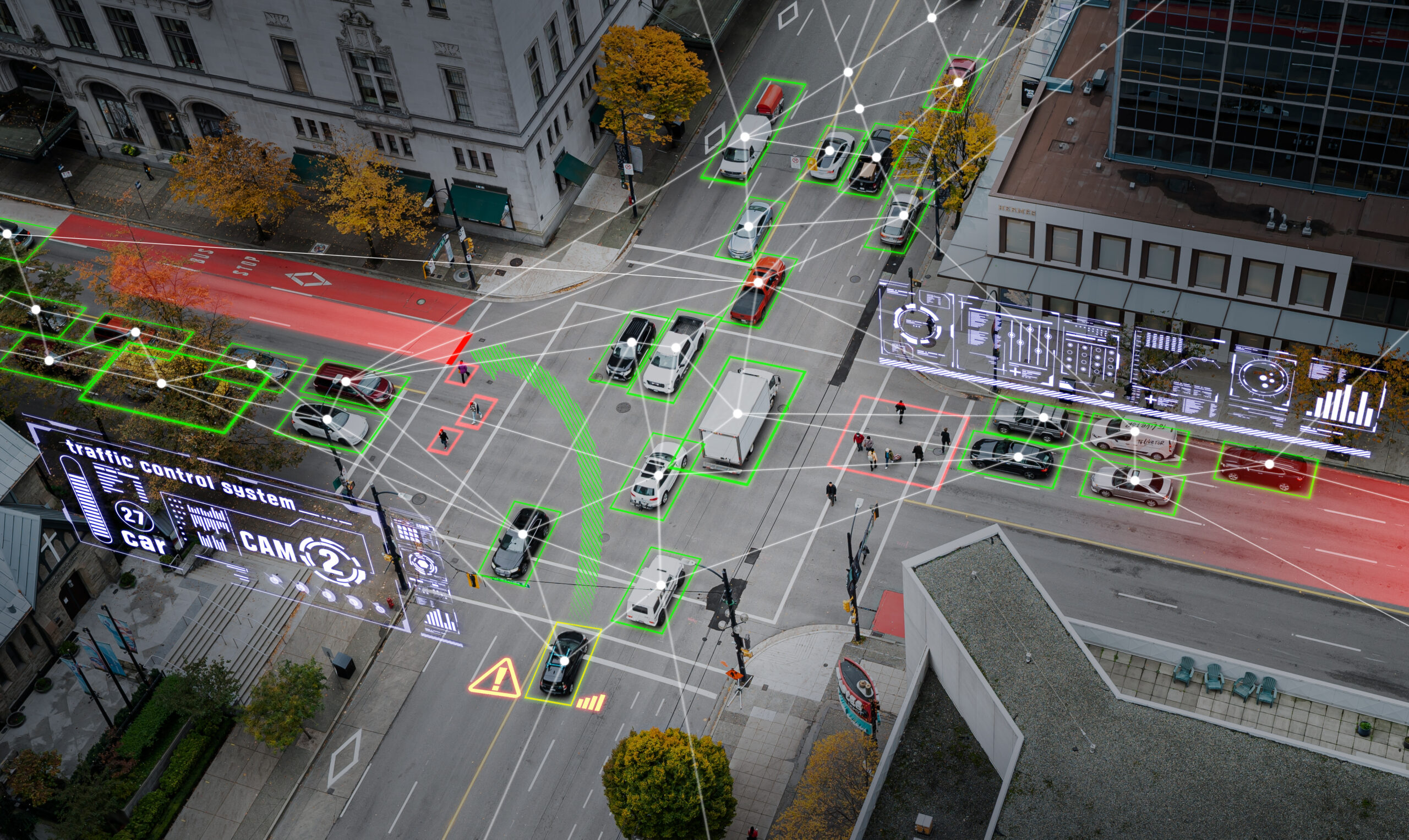
Author | Jaime RamosEven just one year ago, who would have been interested in whether we caught a cold? This interest in the personal health of individuals has drastically changed. The early detection of COVID-19 symptoms and controlling those showing signs of the virus have become a fundamental tool in preventing the spread of the disease.However, the urgency in the application of these methods have caught everyone by surprise, including jurists. Some technologies, such as those based on Big Data, have burst onto the scene to record, for the common good, even the way people sneeze applied to large groups. This has brought with it an inescapable consequence: publicizing and managing shared data which, until a short time ago, were private.
Applications to detect COVID-19 symptoms
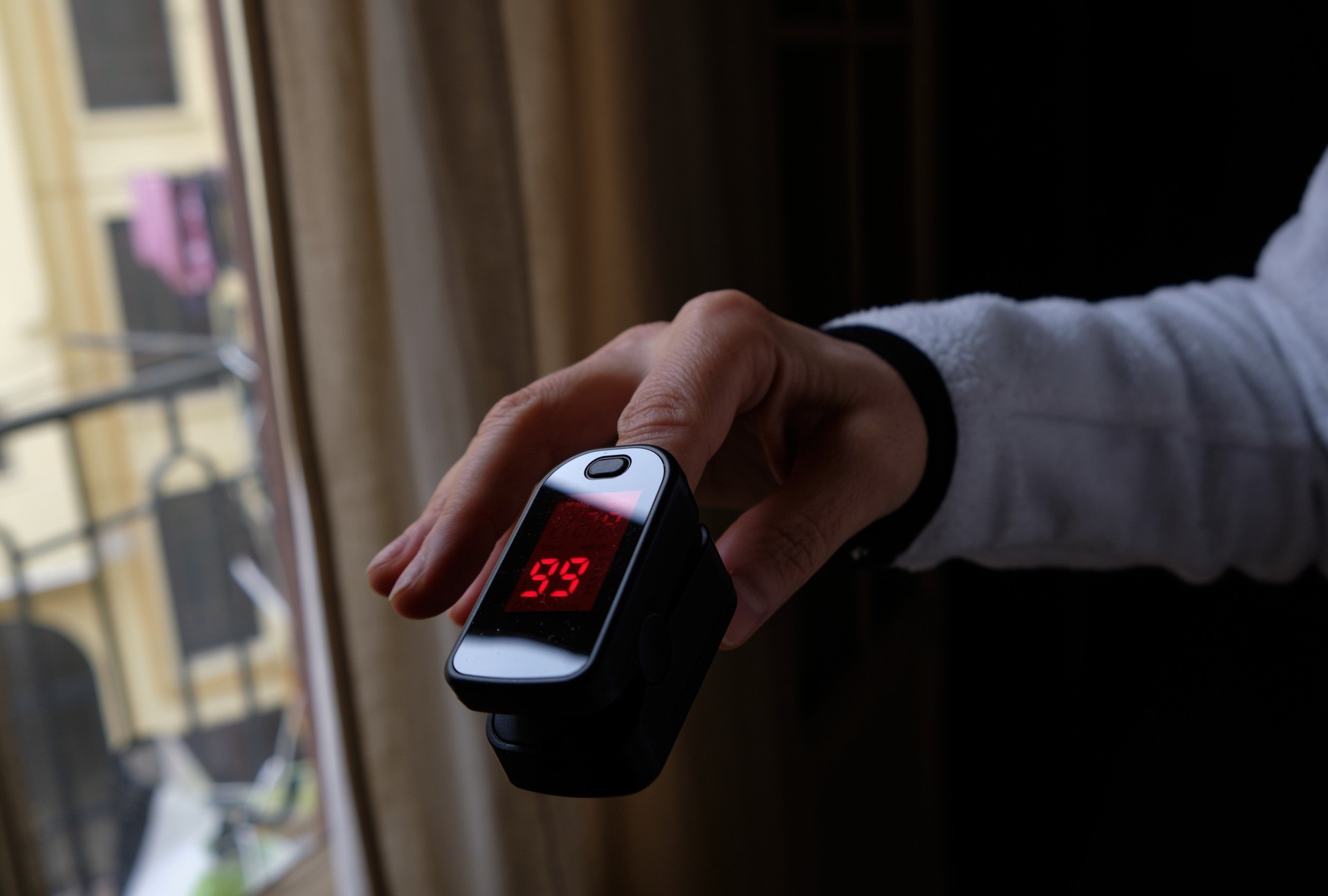
Technology has made it easier than ever to obtain this type of information The growing popularity of pulse oximeters is a good example. This is a device, the size of a matchbox, which measures blood oxygen concentration. Specifically, it discovers the hemoglobin concentration in oxyhemoglobin. It uses two different LEDs with wavelengths at 660 and 940 nm.What is relevant in these data? It is extremely useful at detecting lung conditions and, therefore, COVID-19. The oxygen concentration interval in which the disease could be ruled out would be over 95%. In addition to this, it is not too expensive (from 15 to 60 euros), a relevant factor which explains its recent popularity.Other popular technologies that have been perfected as a result of the pandemic are those related to body temperature control. That is, those capable of remotely detecting fever. For example, the UKs multinational Mitie launched a new remote fever screening system during the pandemic with a margin of error of 0.3ºC. A solution that is becoming increasingly popular in public spaces and which issues an alert if someone exceeds specific values.If we could combine both technologies and process the collated data, we would be able to anticipate possible outbreaks long before they occur. And at a much lower cost than those involved in health measures to halt a pandemic.
Health digitalization
These solutions capture data, however, some countries have used the pandemic to go one step further with applications focusing, not only on symptoms, but on mobility. These manage to not only control the territory, but individuals too.China or Korea have used geolocation apps, to which data such as gender and age are also uploaded. In China, this app download is mandatory. This has enabled the authorities to control the movement of the population in a unique manner.The West has encountered more legal reservations in terms of making shared data available to other public or private entities. Nevertheless, numerous apps have emerged, which are less invasive in terms of privacy, promoted by the public and the private spheres, such as Apple and Google’s API contact tracing app supported by 22 “anonymous” countries.
Limits and uses of shared data
There is a sense that these technologies are now operating without the health privacy debate having reached its decisive point. The efforts to stop the pandemic, the implicit urgency, the common interest and the significant advantages they provide at various levels have led to this situation.However, the issue regarding what the limits of health digitalization should be, is far from offering a simple solution. The issue of protecting one’s privacy will sooner or later need to be addressed.Images | iStock/microgen, iStock/annamoskvina, iStock/Alessandro Vallainc