



Author | MIRIAM BERHANE RUSSOM
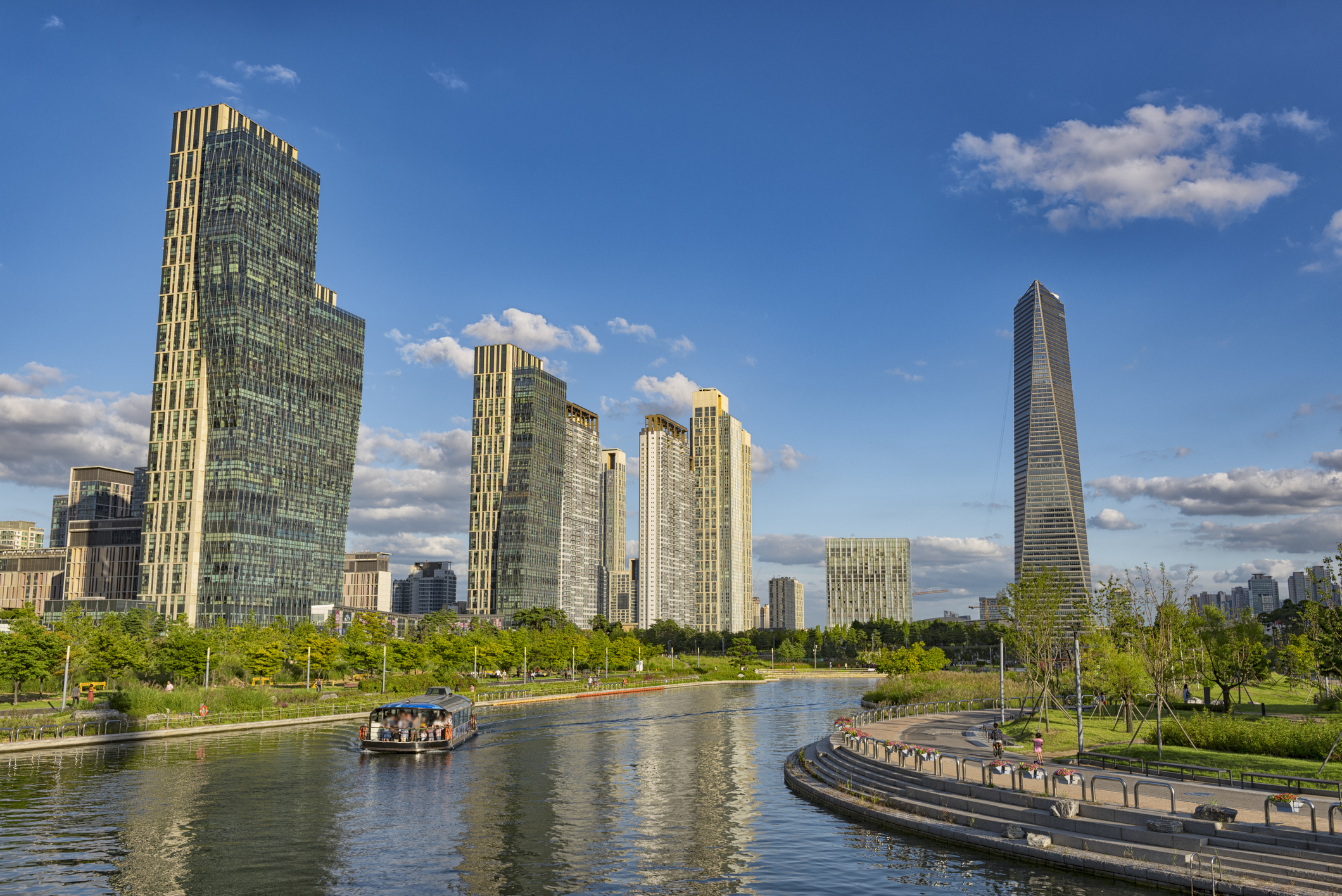
As urbanization continues to take hold and cities face challenges to become more sustainable and livable, urban planning and operations strategies must adapt. The current pandemic has changed the way we live, accelerating cities’ future vision as a necessity of the present and what it means to live in a connected and resilient urban environment. Now more than ever, public and private organizations are coming together to push transformative solutions and change the way we plan and operate infrastructure and urban environments for all.
Microsoft, along with its partner ecosystem, continues to be deeply engaged with cities and communities around the world by providing capabilities and solutions that span the intelligent cloud and edge, advancing of AI driven by ethical principles, and continuing commitment to trust and security. Earlier this year, IDC MarketScape recognized Microsoft as the leading worldwide IoT application platform for Smart Cities, highlighting its secure, mature, and capable Azure IoT, AI, and Digital Twins services. In addition to IDC, Guidehouse Insights also recognized Microsoft as the leader in its leaderboard for Smart Cities platform suppliers, highlighting Azure’s ability to support a broad portfolio of smart city solutions using common platform technologies.
As cities continue to invest in connected solutions, a study by ESI ThoughtLab on hyperconnected cities shows that as solutions become more interlinked their return on investment (ROI) grows. To unlock their full economic, social, environmental, and business value, cities need to use digital technologies to transform and interconnect key areas of their ecosystem—from roads to cars, buildings to energy grids, citizens to government, and cities to cities. Microsoft’s focus to deliver new technology innovations in IoT, AI and Digital Twins is enabling connected solution integration that drives breakthrough insights and experiences from planning to operations of urban environments and their infrastructure.
Digital Twins
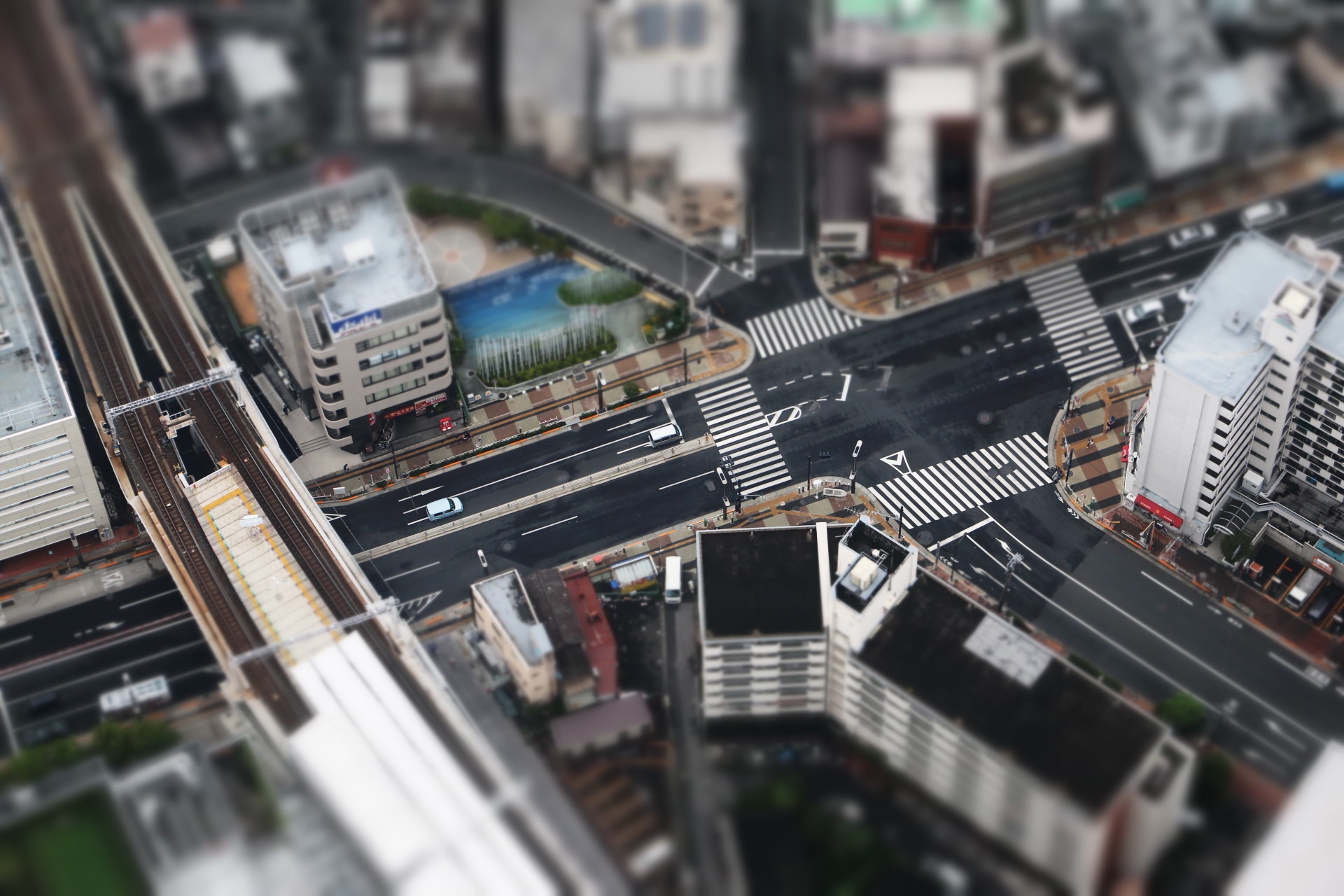
The concept of a Digital Twin, a virtual representation of real-world entities that bring in data from a variety of sources, has entered the realm of smart cities and promises to enable city administrations and urban planners to make better decisions with the help of data integration and visualization from across the urban space. While urban planners have already been using 2D and 3D models and computer-aided design for years, the integration of real-time data from IoT devices, location, weather, traffic, people movement, and other sources has been a gamechanger for urban planning and operations.
Earlier this year, Microsoft announced an update to Azure Digital Twins platform which enables modeling and creating digital representations of connected environments like buildings, factories, farms, energy networks, railways, stadiums, and cities, then bring these entities to life with a live execution environment that integrates IoT and other data sources. To drive openness and interoperability, Azure Digital Twins comes with an open modeling language, Digital Twins Definition Language (DTDL), which provides flexibility, ease of use, and integration into the rest of the Azure platform. Furthermore, to enable urban experiences that are geospatially aware, Azure Maps provides several geospatial services including access to real-time traffic, public transit, and weather data.

Modeling these complex interactions and high-value intersections between people, places, and things is unlocking new opportunities, creating new efficiencies, and improving public and private spaces.
Learn more on how Microsoft and ecosystem of partners are enabling cities and urban environments with transformative solutions with IoT and Digital twins.