



Table of Contents
Author | Elvira Esparza
Co-housing is a residential model in which people share common spaces while maintaining the privacy of their own homes. It promotes connection, collaboration, and an interdependent way of living. Based on the idea that community living and mutual support enhance quality of life, this form of collaborative housing is gaining popularity as a healthy alternative for older adults.
Senior cohousing is a collaborative housing model designed for older adults who want to live independently while being part of a supportive community with whom they can share everyday life.
A solution for an aging population
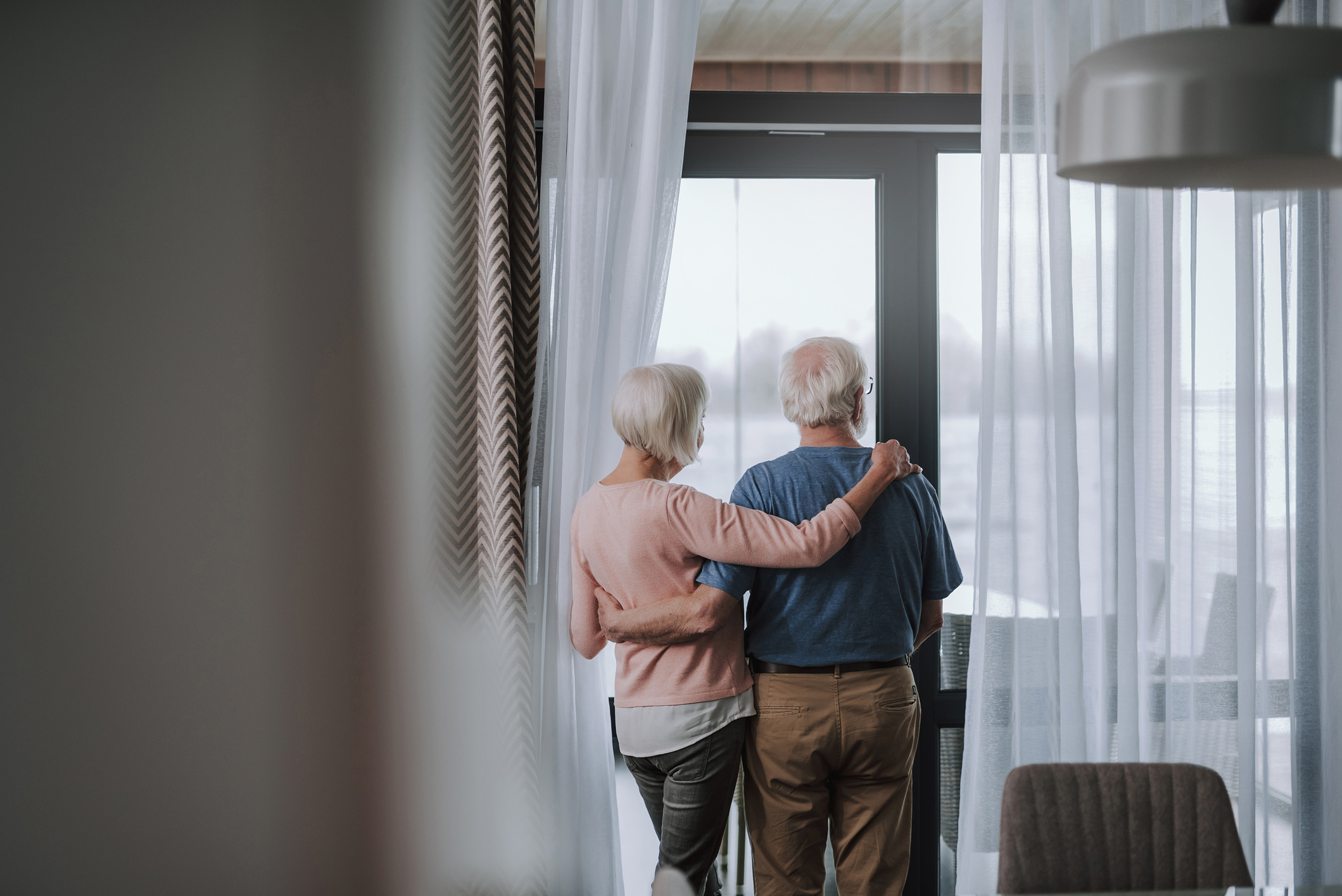
Life expectancy has increased worldwide in recent decades. According to the World Health Organization, by 2030 one in six people globally will be over the age of 60. By 2050, the number of people aged 60 and over is expected to double to 2.1 billion. Furthermore, the population aged 80 and above could reach 426 million.
These demographic trends highlight the need to design homes and cities that better meet the needs of older adults. Against this backdrop, co-housing has emerged as a housing model that helps support an increasingly aging population.
How and when did co-housing originate?
Co-housing originated in Denmark during the 1960s as a response to a shortage of affordable housing. The first co-housing communities shared communal areas such as kitchens, living rooms, and gardens, with residents taking collective responsibility for their upkeep and management while preserving the privacy of their own homes.
From Denmark, the concept spread across Northern Europe, including Germany and the United Kingdom, before reaching the United States and Canada in the 1980s. These two countries have since become leaders in the development of this style of community living.
Senior co-housing is not an assisted living facility or a retirement community. Rather than providing institutional care, it offers a way of life built on participation and mutual support. Residents live in independent homes designed to meet their needs while sharing services such as housekeeping, along with communal areas including lounges and recreational spaces.
People typically join senior co-housing communities between the ages of 50 and 90+, and residents may be single or married, retired or still working. What they share is a desire to age within a supportive community where neighbors help one another and remain socially connected.
How do older adults join a senior co-housing community?
Senior co-housing typically operates as a cooperative under a right-to-use model, meaning residents purchase the right to occupy a home rather than owning the property itself. The community collectively owns the development, while members have the lifetime right to live in their homes and use the shared spaces. To become part of the community, members are generally required to make an initial financial contribution.
In most co-housing communities, residents share similar values and interests and make decisions collectively on matters such as the community’s way of life, the design of shared spaces, and energy-related initiatives.
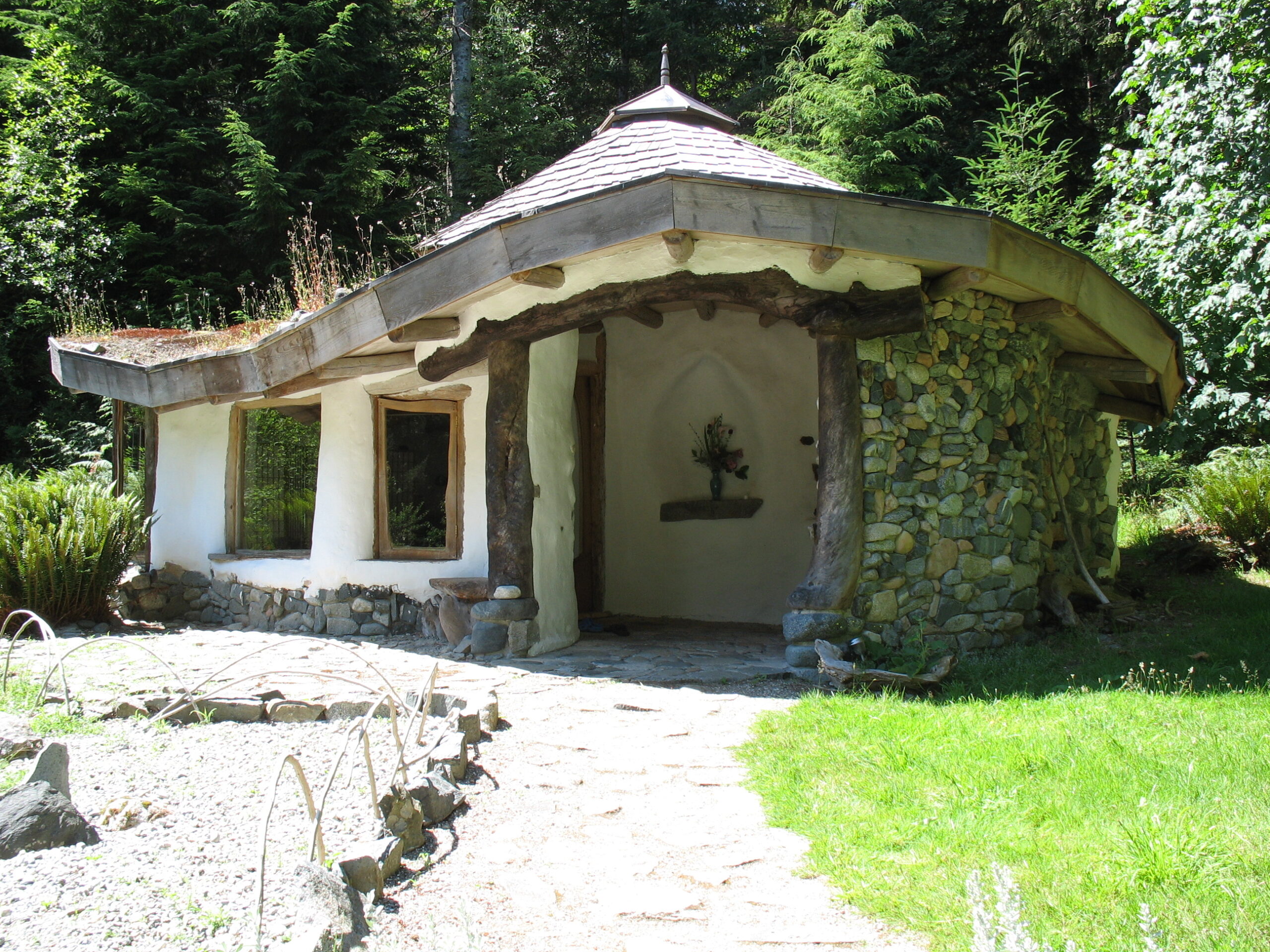
There is no single architectural model for co-housing. Communities may consist of newly built or renovated properties, detached homes, or apartment buildings. The key requirement is a combination of shared communal spaces that encourage social interaction and private living areas for each resident.
What are the main benefits of the community lifestyle promoted by co-housing?

Co-housing relies on a keen sense of community, which is why these projects are often created by like-minded people who share similar values and a common outlook on life. In many cases, new members can only join with the approval of the existing residents.
Some of the main benefits of senior co-housing include:
- Reduces social isolation. Senior co-housing helps combat loneliness among older adults, a serious health risk associated with depression, anxiety, and an increased likelihood of developing dementia.
- Encourages active independence. Residents maintain their independence and autonomy, making their own decisions while enjoying the support of a close-knit community.
- Supports active aging. Social, cultural, and recreational activities organized within the community encourage older adults to remain active and engaged.
- Adapts to changing needs. Co-housing communities can evolve to accommodate residents’ changing abilities and needs as they age. Living spaces are continually adapted to meet residents’ changing needs.
- More affordable than residential care. Monthly costs are generally lower than those of an assisted living facility or renting a private home, as expenses are shared across the community.
- Protects members’ investment. If a member decides to leave the cooperative, their initial investment is returned, and their place is taken by a new member. If a resident passes away, the amount originally contributed is reimbursed to their heirs.
What are the key design features of senior co-housing?
Accessibility is one of the defining features of senior co-housing, helping address the mobility challenges that commonly arise with age. Both private homes and shared spaces are designed to be wheelchair accessible. Features such as access ramps, grab bars, appropriate lighting, accessible bathrooms, and other age-friendly adaptations are commonly incorporated to support residents as their needs change over time.
Shared facilities typically include a communal kitchen, dining area, storage space, laundry room, and recreational amenities such as a gym, gardens, vegetable plots, a swimming pool, a library, and multipurpose rooms for group activities. Some communities also provide shared services, including nursing or physiotherapy, as well as activity coordinators who organize social, recreational, and fitness programs.
The size of each home depends on the number of occupants, but most residences feature one or two bedrooms, a private bathroom, and a living area where residents can enjoy their own personal space and privacy.
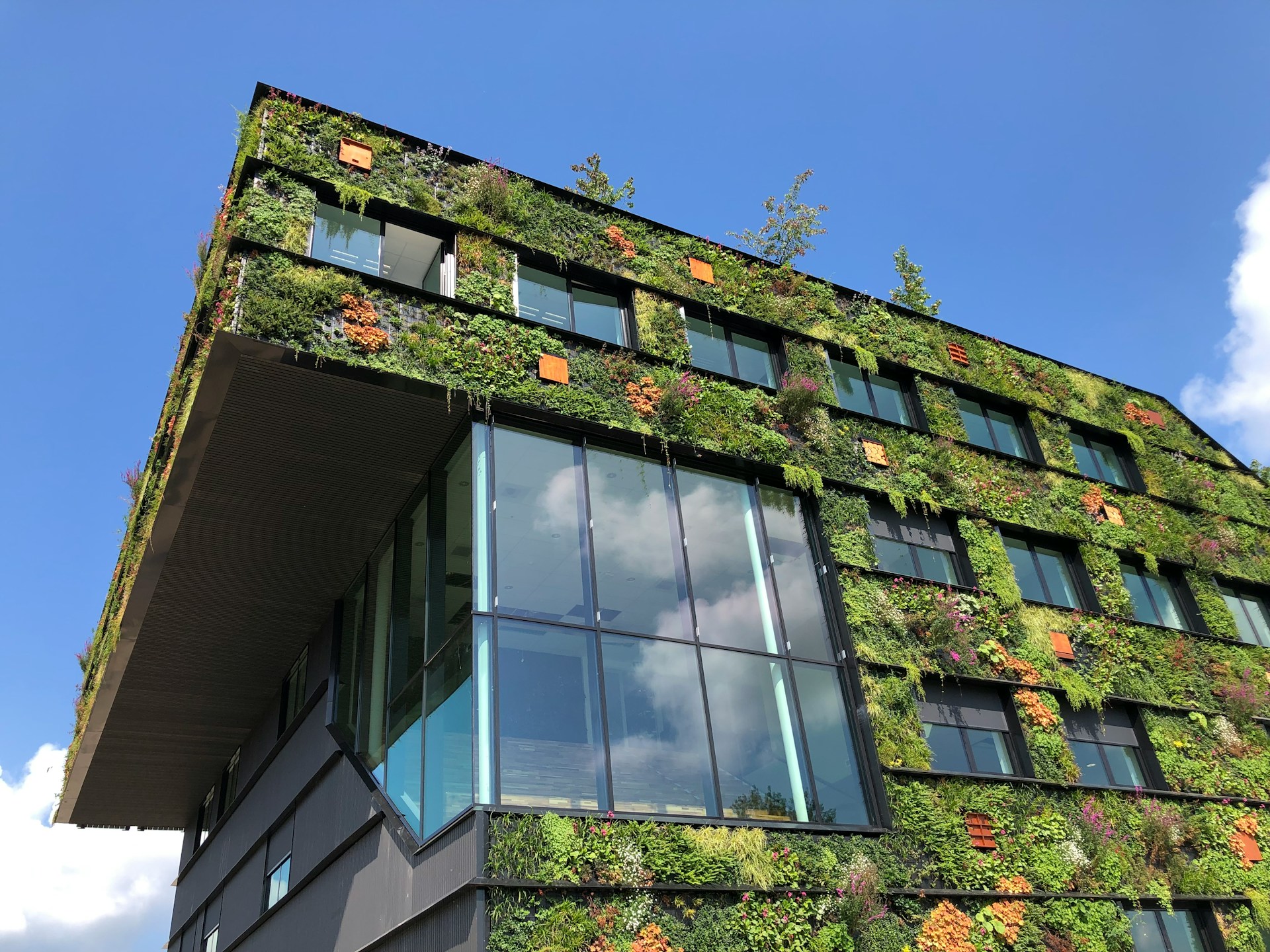
Another defining feature of these communities is their focus on energy efficiency. Many senior co-housing developments incorporate renewable energy sources and waste-recycling systems. Senior co-housing promotes an environmentally sustainable housing model.
The main drawback of senior co-housing is the time required to bring a project to completion. From the formation of a group of like-minded people to the point when the community is ready to move into, the process can take several years, particularly when the development is built from the ground up.
Images Vitaly Gariev Mikolette/iStock, YakobchukOlena/iStock