



Table of Contents
Author | Raquel C. Pico
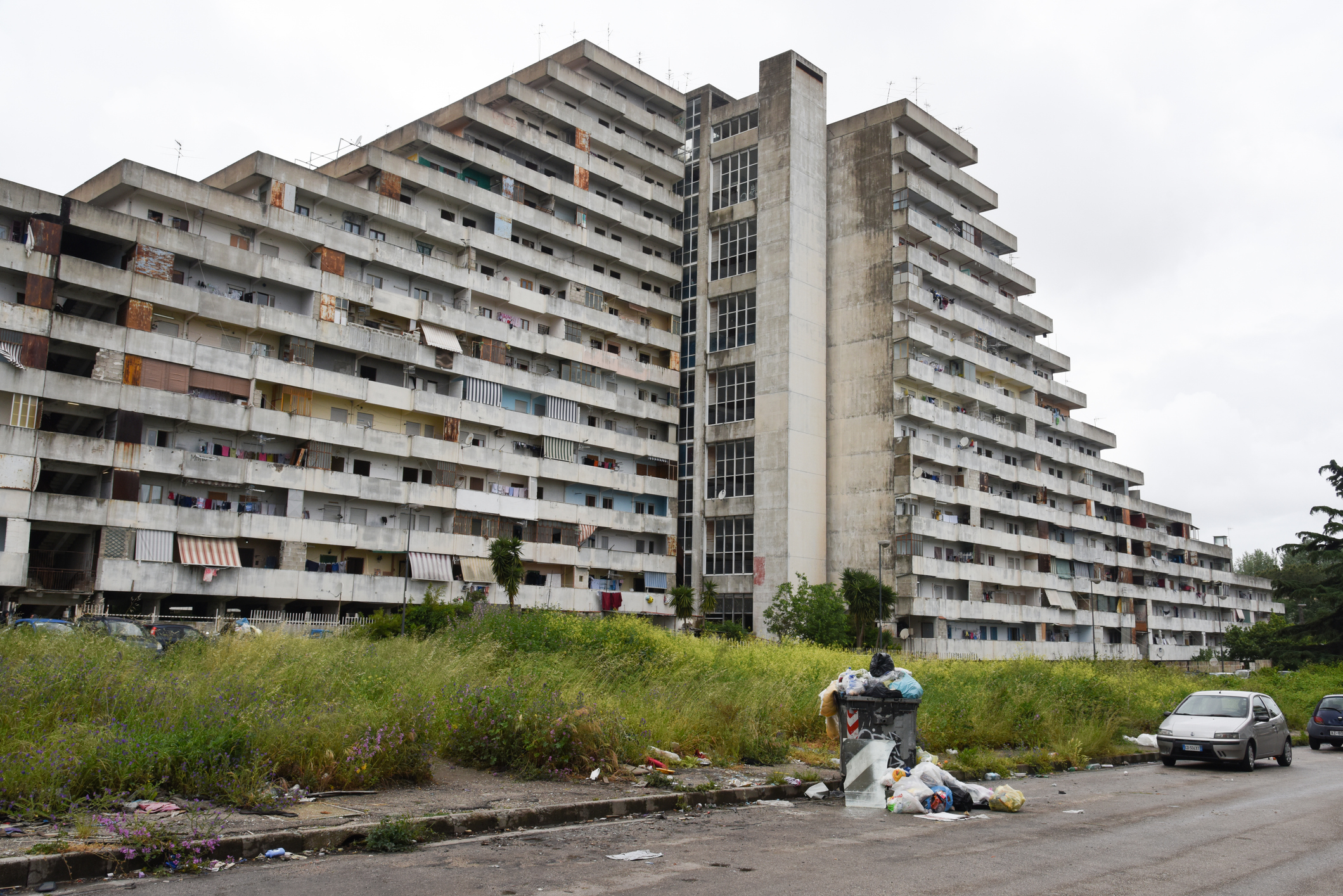
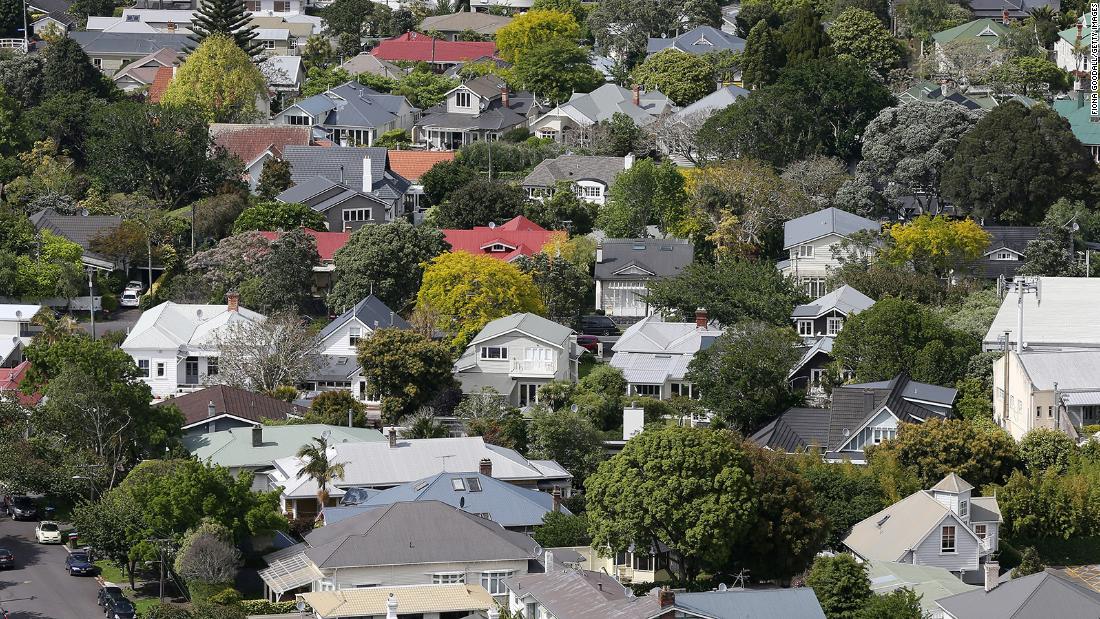
One of the key challenges facing the European Union is the housing crisis. Both rental and property prices have surged, making access to housing increasingly difficult for citizens. At the same time, residential construction has slowed globally. The reasons behind this are multifaceted, but one commonly cited factor is the lack of available land. As a result, redevelopment has emerged as one of the potential solutions. This is where a previously somewhat overlooked player comes into focus: the regeneration of brownfields.
Brownfield Redevelopment
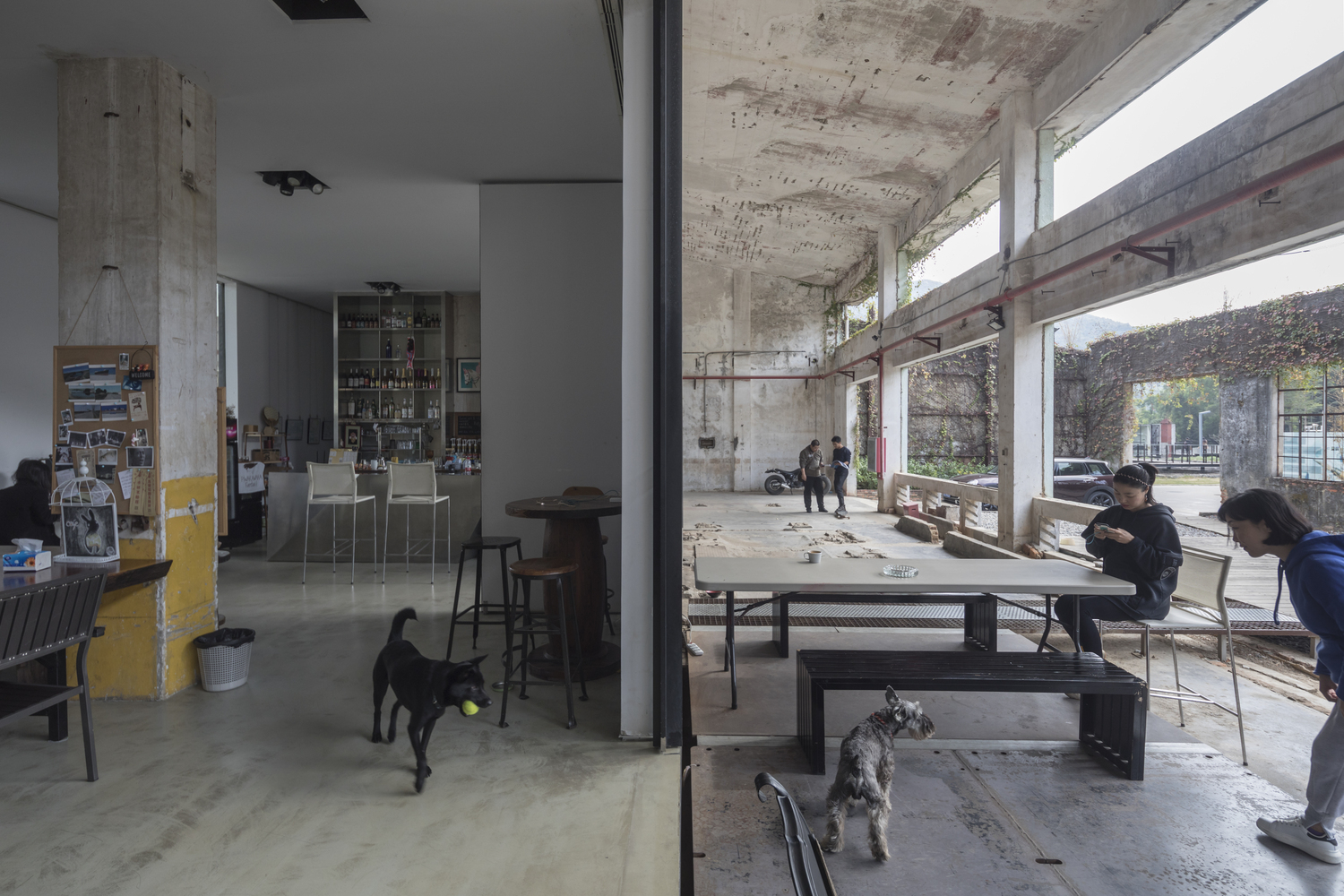
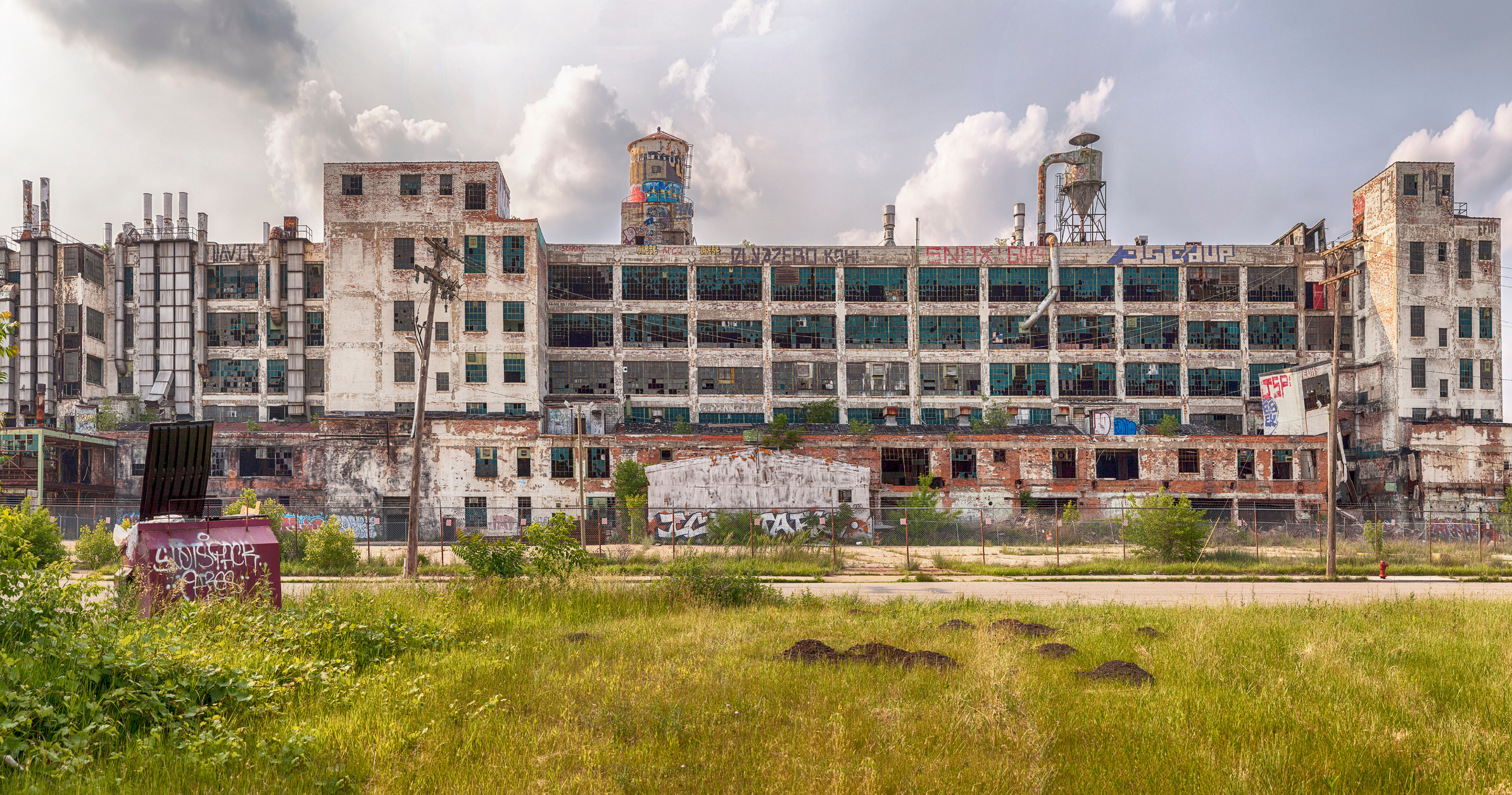
Brownfield is a term used to describe abandoned industrial land. These are sites previously occupied by factories, quarries, refineries and similar infrastructure. The regeneration of industrial land aims to restore these areas and give them new uses, while also addressing the issues left behind by their former activity, such as pollution, land degradation and social inequalities. Their redevelopment has therefore become a driving force for achieving a range of benefits and could now also form part of the solution to the housing crisis.
The benefits of brownfield regeneration
In general terms, this type of redevelopment process offers a number of advantages. “Redeveloping brownfields, or reusing abandoned built landscapes, can positively impact the economic, social and environmental health security of cities,” according to a study published in the Journal of Environmental Health.
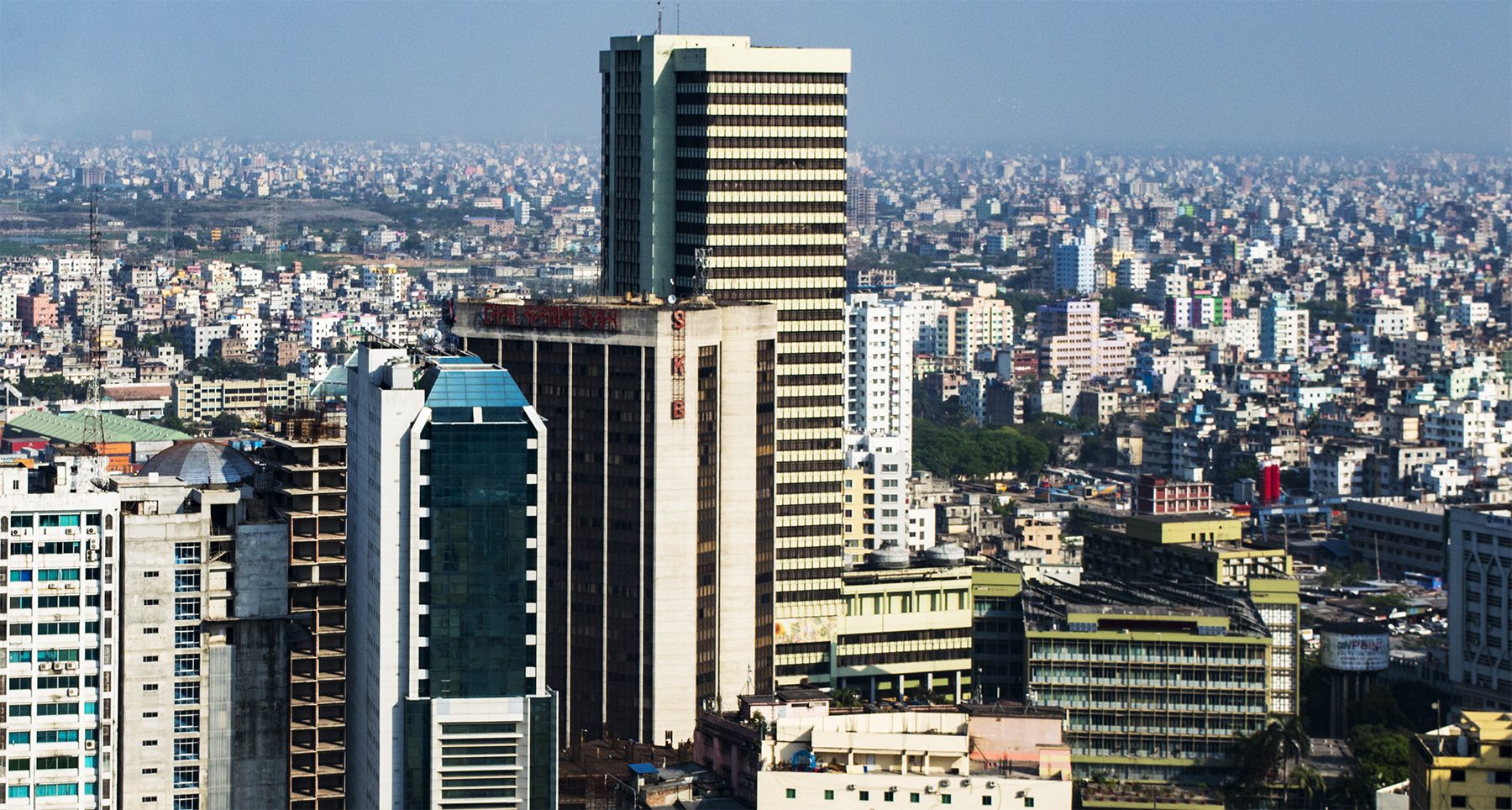
To begin with, brownfield redevelopment addresses a common problem faced by many European countries, particularly in urban areas. Abandoned industrial land is widespread, often heavily concentrated in cities. These sites are not only unused spaces but are also frequently contaminated and associated with social challenges.
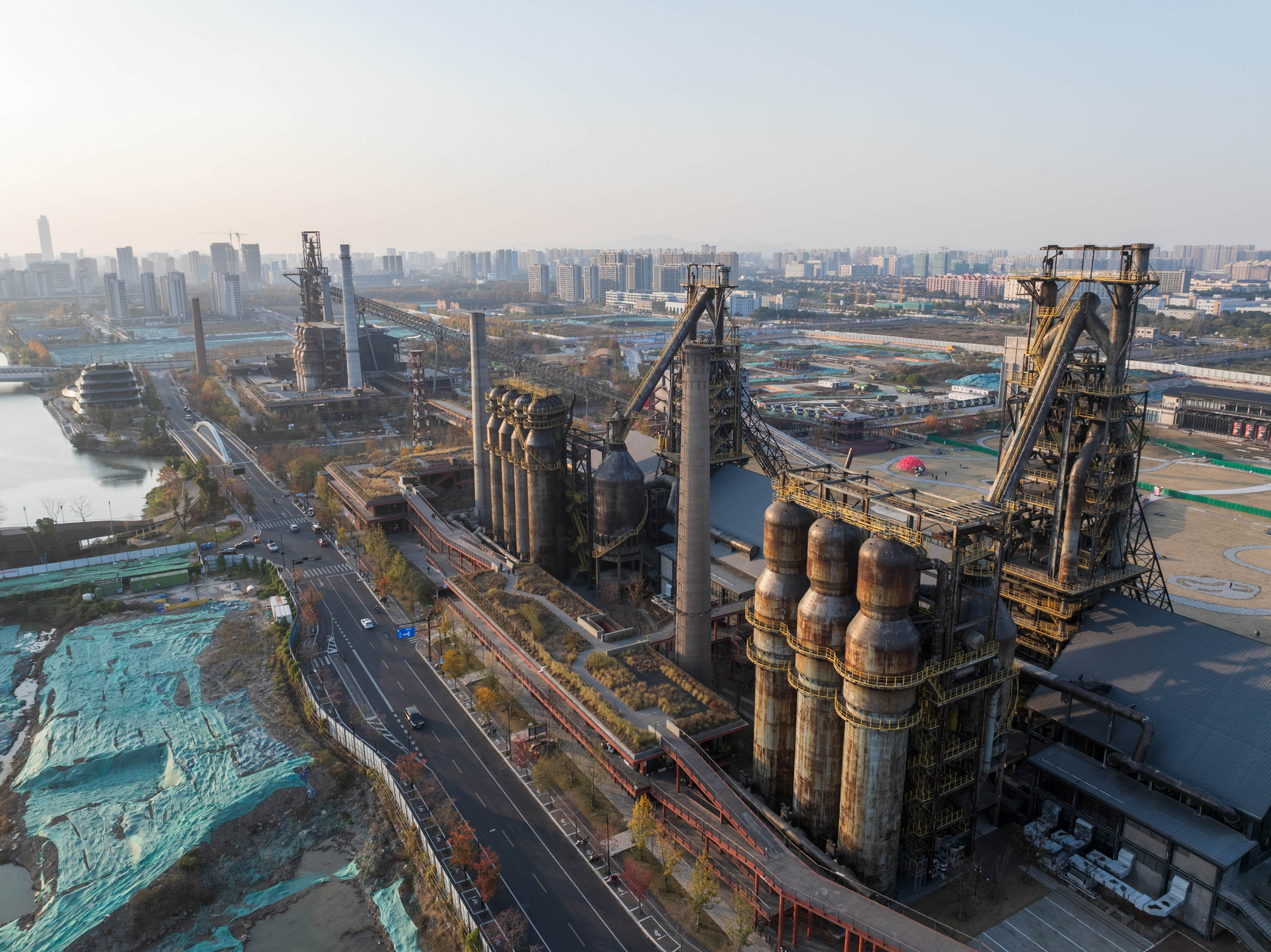
Furthermore, brownfield regeneration projects have already demonstrated significant returns. Some redevelopment initiatives have transformed former industrial sites into green areas and nature conservation spaces. For example, the site of a former British refinery has now become a habitat for 3,200 species, including several endangered ones. Other projects have focused on urban redevelopment, creating both housing solutions and workspaces, such as office districts or startup hubs. Copenhagen’s Nordhavn district is an example of this type of regeneration. According to some estimates, what was once abandoned land now generates €230 million a year in tax revenue.
These projects also create jobs, often in areas that had previously suffered from economic decline.
The legislative challenge
However, there is still a major point of tension when it comes to the conversion of brownfields within the European Union. Because there is no formal definition of what constitutes a brownfield, these redevelopment processes tend to be more closely tied to regional policies and local initiatives. Returning to the findings of the Journal of Environmental Health study, the case studies examined are linked to proposals launched by specific countries, regions or cities.
Why it is key to solving the EU housing crisis
Another potential benefit can now be added to the list, one that directly addresses current pressures: brownfield regeneration could become a key tool in tackling Europe’s housing crisis. This is highlighted in a recent report published by Arup. Its findings suggest that Europe could create up to 230 million homes through the regeneration of brownfield sites.
“The urban expansion model has reached its limit,” said Flavio Tejada in a press release. “Europe’s greatest opportunity is not outside cities, but within them: transforming what already exists,” he added. Instead of expanding urban boundaries or pushing development further into surrounding areas, the focus would shift to making use of existing land within cities that is currently underused. “The regeneration of industrial land could become one of the main solutions to the housing crisis in the coming decades,” Tejada stated.
This report is not the only study to assess the potential of redevelopment as a response to the housing crisis. Outside the EU, research conducted by CPRE concluded in 2025 that England’s brownfield sites alone could accommodate the construction of 1.5 million homes. Around 56% of these sites already had planning permission in place, meaning the main challenge was simply activating the regeneration process.
A sustainable urban model
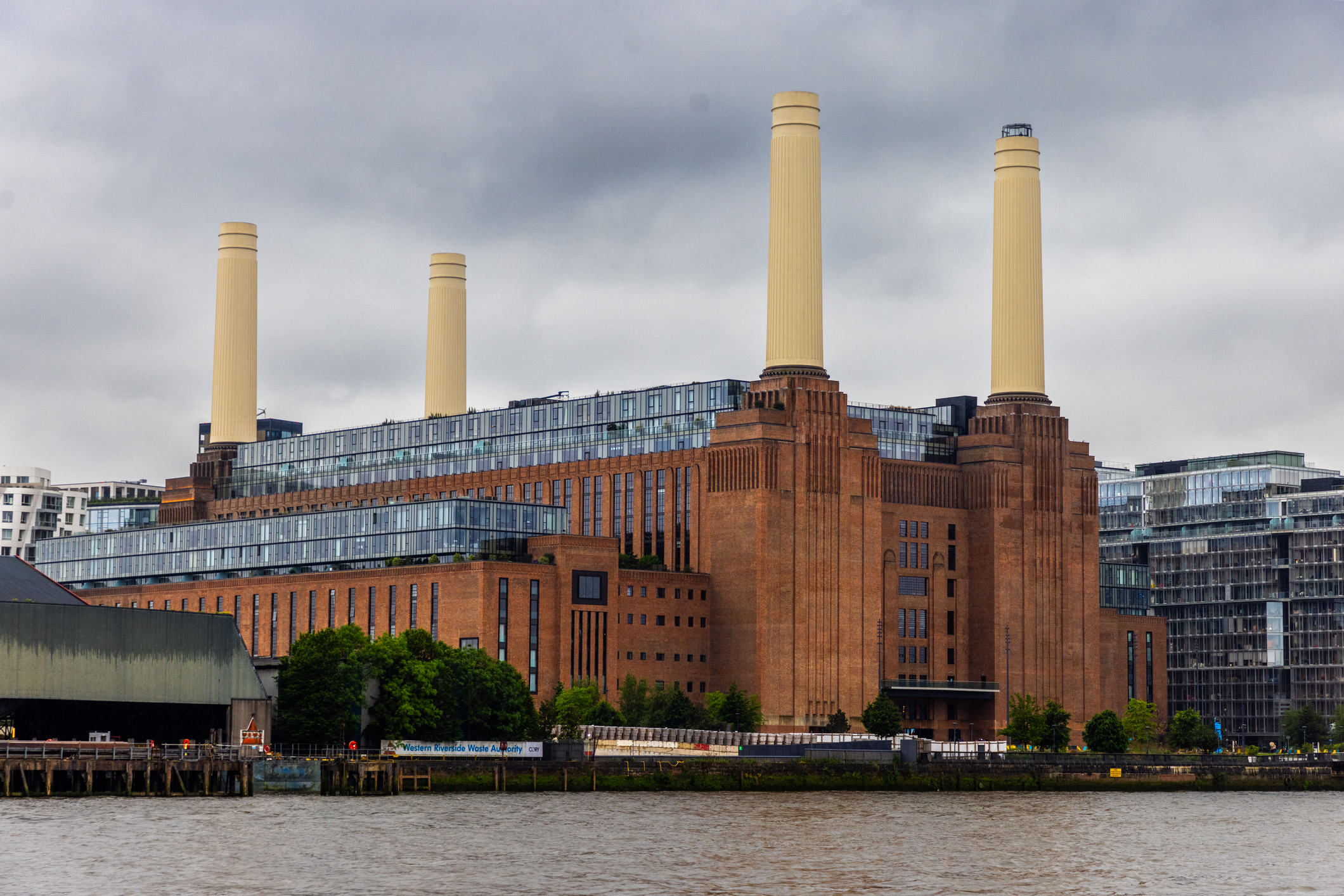
At the same time, although the housing crisis may dominate the headlines, brownfield regeneration also aligns with the search for a more sustainable urban model.
The Arup report highlights that “this model accelerates the climate transition” by reducing the emissions linked to urban growth while promoting sustainable development solutions such as green infrastructure and energy efficiency. It would also take into account other aspects of sustainability, including job creation and social cohesion, since the regeneration of abandoned industrial spaces can help repair divisions within the urban landscape.
Another key factor is the type of land being used. Redeveloping brownfields avoids the use of greenfield land, meaning urban expansion does not consume forests, ecosystems or natural areas. According to data from CPRE, 46% of urban developments conducted in England between 2021 and 2022 were built on greenfield land and urban green belts. Meanwhile, brownfield sites not only remained unused but continued to increase, rising by 16% during 2024.
Finally, as noted in an analysis by CBRE Investment Management, Europe has set a no net land take target for 2050 aimed at preventing the conversion of natural and agricultural land into urban developments. Urban growth can no longer rely on occupying new land. Although no EU wide legislation has yet been implemented to enforce this target, achieving it will require the recovery and reuse of existing land. The European Union has, however, already introduced ecosystem restoration legislation, making brownfield regeneration an even more logical step forward.
In summary: five key questions
What are brownfields?
Brownfields are former industrial sites where activity has ceased.
Are there examples of brownfield regeneration in Europe?
Yes. The redevelopment of King’s Cross in London and the 22@ District in Barcelona are both built on former industrial areas.
What level of investment is expected in urban regeneration?
According to an analysis by CBRE Investment Management, this is an area that has “traditionally seen underinvestment.” Because of this, it is difficult to calculate total financial flows. On average, a medium sized regeneration project requires an investment of between €100 million and €400 million.
Is this considered a business opportunity?
Investment firms certainly believe so. Brownfield regeneration in Europe is expected to generate around €4 trillion in investment over the coming years.
How does it connect with sustainability?
Beyond supporting the EU’s no net land take objectives, brownfield regeneration helps restore degraded land, address potential social, economic and environmental divides, and offers a possible solution to the housing crisis. It also complements other approaches, such as the use of prefabricated construction solutions and microliving.
Photos | searagen/iStock, redtea/istock, fela sanu/iStock