



Table of Contents
This is a guest post by Lucía Bellocchio, founder and executive director of Trend Smart Cities. Lucía has extensive experience working on urban innovation, and has written in leading media outlets in South America like La Nación, El Observador, Clarín or TN.
Data is increasingly treated as essential urban infrastructure. In the On-Demand City, data flows are the backbone that enable responsive, participatory governance and adaptive public services. By reframing data as a territorial asset rather than a solitary repository, cities can foster collaborative ecosystems that unlock new value from public information while safeguarding equity, security, and autonomy.
Data spaces: ecosystems for urban collaboration
Data spaces are not oversized databases but federated ecosystems where cities, businesses, universities, and startups exchange information under strict rules for interoperability, security, and governance. Key principles include:
- Data sovereignty: entities retain control over their data without centralization.
- Common standards: ensuring datasets “talk” to each other via shared metadata, schemas, and lineage.
- Trust mechanisms: traceability, access policies, and quality controls to prevent silos.
- Equitable access: rules that balance public value with private innovation.

City on demand: what it means and why it matters
The concept of a city on demand describes a city that can adapt its services, infrastructure, and policies in real time or near real time in response to inhabitants’ needs and environmental conditions. It is not merely about speed; it is about responsible personalization and sustainable operation.
Key characteristics:
- Service personalization: residents, businesses, and visitors receive solutions tailored to their context and moment—for example, dynamic mobility routes, efficient energy assistance, or culturally relevant services.
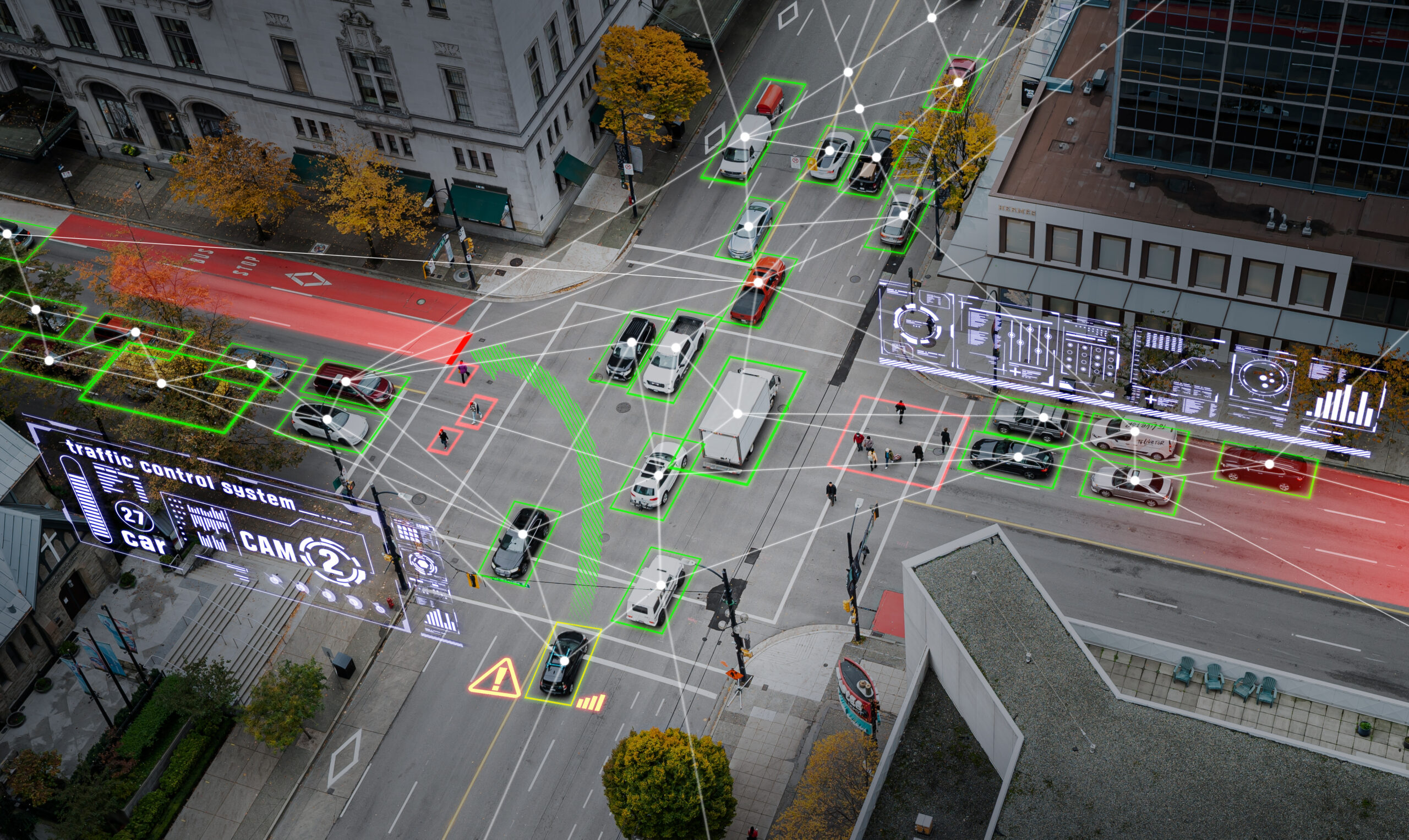
- Predictive maintenance and dynamic operations: sensors and predictive analytics anticipate failures in critical infrastructure and reallocate resources before incidents occur.
- Agile, participatory governance: data-informed decisions validated by citizen engagement, transparency, and accountability mechanisms.
- Equity and accessibility: responses are designed to close gaps and ensure vulnerable groups receive appropriate support.
- Multi-actor interoperability: the city on demand relies on data and services crossing domains such as mobility, energy, health, education, and environment.
In practice, a city on demand means that urban systems can, for example, adjust public lighting to reduce energy use based on traffic patterns and events, or activate social support services when extreme weather or hospital capacity pressures are detected. It is a vision of smart urban life that prioritizes social value and human experience alongside operational efficiency.
Crossing data with experience: the human layer
The value of data multiplies when fused with human urban experience. Raw data from sensors, IoT, and analytics is powerful only when complemented by qualitative inputs: citizen feedback, expert governance insights, and cultural knowledge from communities. This fusion of hard data and soft inputs yields:
- Contextualized measurement: metrics like traffic flows or energy use are enriched by user perceptions of wait times, perceived quality, and cultural preferences.
- Citizen-centric governance: policy design incorporates local knowledge, neighborhood expertise, and industry know-how to mitigate bias and misalignment.
- Personalized and equitable services: predictive capabilities and responses are guided by real user needs, reducing inequities and improving outcomes.

Unlocking the data and experience economy in hybrid cities
Treating data as infrastructure activates a data economy, converting public information into productive assets. Benefits include:
- New business models: startups build on open datasets for smart urban services.
- Efficiency gains: optimized public spending, reduced redundancies, and attracted tech investment.
- Innovation layers: interoperable data enables AI, real-time analytics, and sustainable growth.
Yet success requires avoiding monopolies or extractive practices—policies should emphasize collective value and ensure reuse without sacrificing equity.
Spain’s case: EDINT
Spain’s EDINT initiative exemplifies this: it promotes municipal interoperability, common standards, local governance, and tech sovereignty, demonstrating that no smart infrastructure thrives without robust data plumbing.
In practice, cities adopting data spaces:
- Build ecosystems over isolated tools.
- Enable public-private innovation.
- Coordinate across domains such as mobility, environment, and planning.
Beyond sensors: a socio-cultural shift for the hybrid city
Early smart city efforts failed due to silos—each department relying on proprietary systems. Data spaces demand a mindset shift: from “my data” to “territorial asset,” blending physical and digital realms. In the hybrid city, public spaces extend to data flows, delivering on-demand urban life through governed, shared intelligence.
Data spaces offer a practical, governance-aware path toward hybrid cities where data serves the public good without sacrificing privacy, equity, or autonomy. By integrating the data infrastructure with human insight and a vibrant data economy, cities can become more adaptive, inclusive, and resilient—able to respond to changing needs while preserving the social fabric that makes urban life meaningful.
Photos by Steve A Johnson | Hyunwon Jang | McGill Productions