



Table of Contents
This is a guest post by Lucía Bellocchio, founder and executive director of Trend Smart Cities. Lucía has extensive experience working on urban innovation, and has written in leading media outlets in South America like La Nación, El Observador, Clarín or TN.
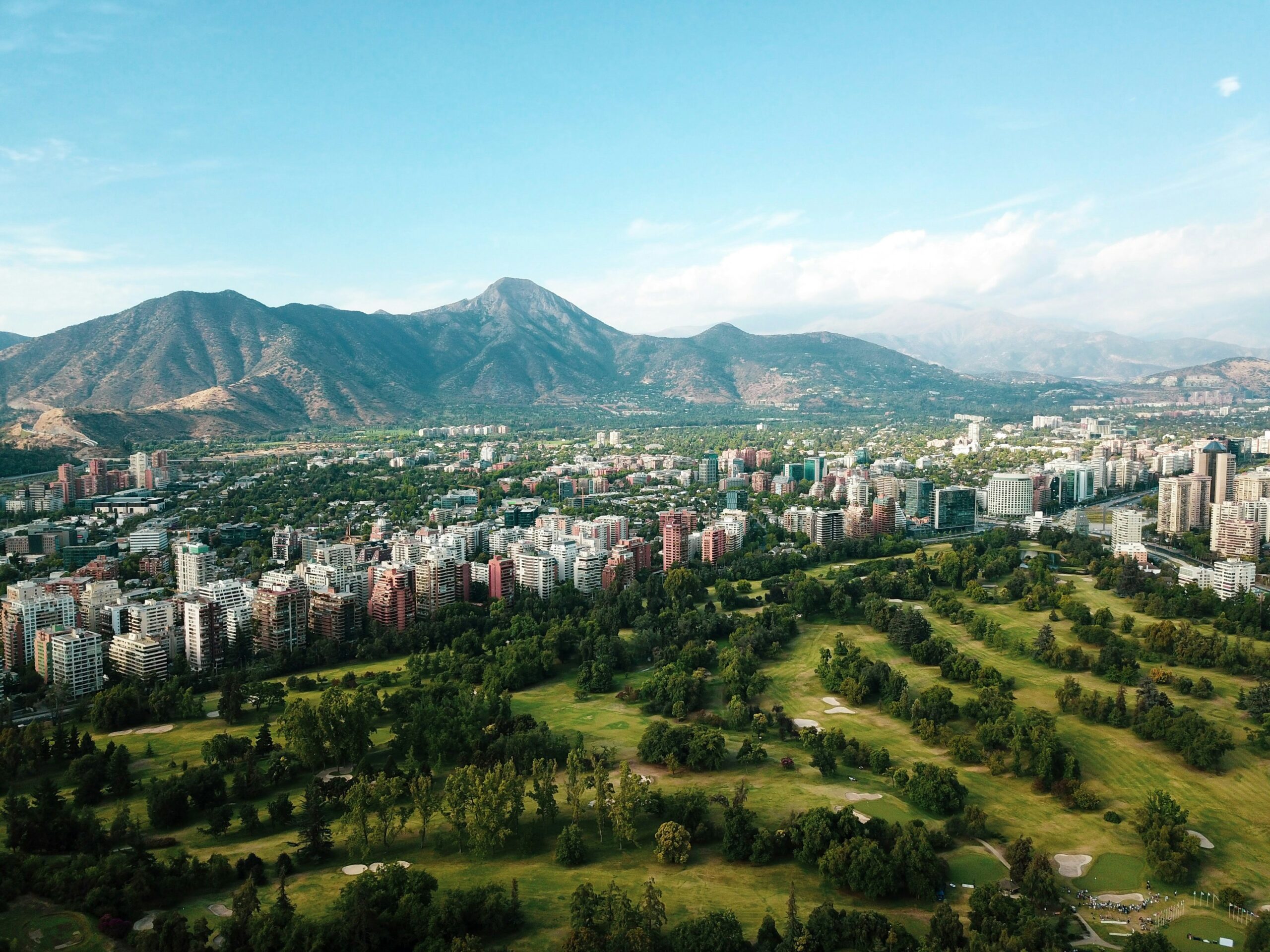
Cities can no longer be understood solely as physical objects, nor as digital layers superimposed onto territory. Contemporary urban environments are hybrid systems, where material flows, data, gray infrastructure, green infrastructure, ecosystem processes, and algorithmic logics converge and operate in real time. Within this context —and under the smart cities framework— what we can call the Hybrid City emerges as both a conceptual and operational model essential for addressing the challenges of the 21st century.
The Hybrid City is neither an aesthetic category nor a futuristic metaphor. It represents a new paradigm in which physical, digital, natural, and artificial dimensions are integrated to generate new mechanisms for planning, governance, and urban management.
From Traditional Urban Models to Hybrid Systems
Urban planning models that dominated much of the 20th century relied on horizontal expansion, civil engineering as the primary response, and reactive decision-making —acting only after events had already occurred. Under this logic, cities revealed clear limitations with significant consequences:
- Gray infrastructure alone is no longer sufficient to absorb increasingly frequent extreme climate events.
- Urban metabolism —water, energy, waste, emissions— demands adaptive, non-linear responses.
- Fragmented governance across environmental, technological, and infrastructure sectors hinders integrated solutions.
- The lack of interoperable data prevents the design of evidence-based policies.
In response to these constraints, the Hybrid City proposes a system in which nature is incorporated as infrastructure, technology functions as a nervous system, and data enables cities to anticipate, modulate, and dynamically coordinate urban processes.
Today’s urban challenges make one thing clear: cities cannot continue to grow using the logic of the past. In a context defined by climate variability, pressure on natural resources, and the need for more efficient, robust, and adaptive urban models, the Hybrid City becomes an essential framework.
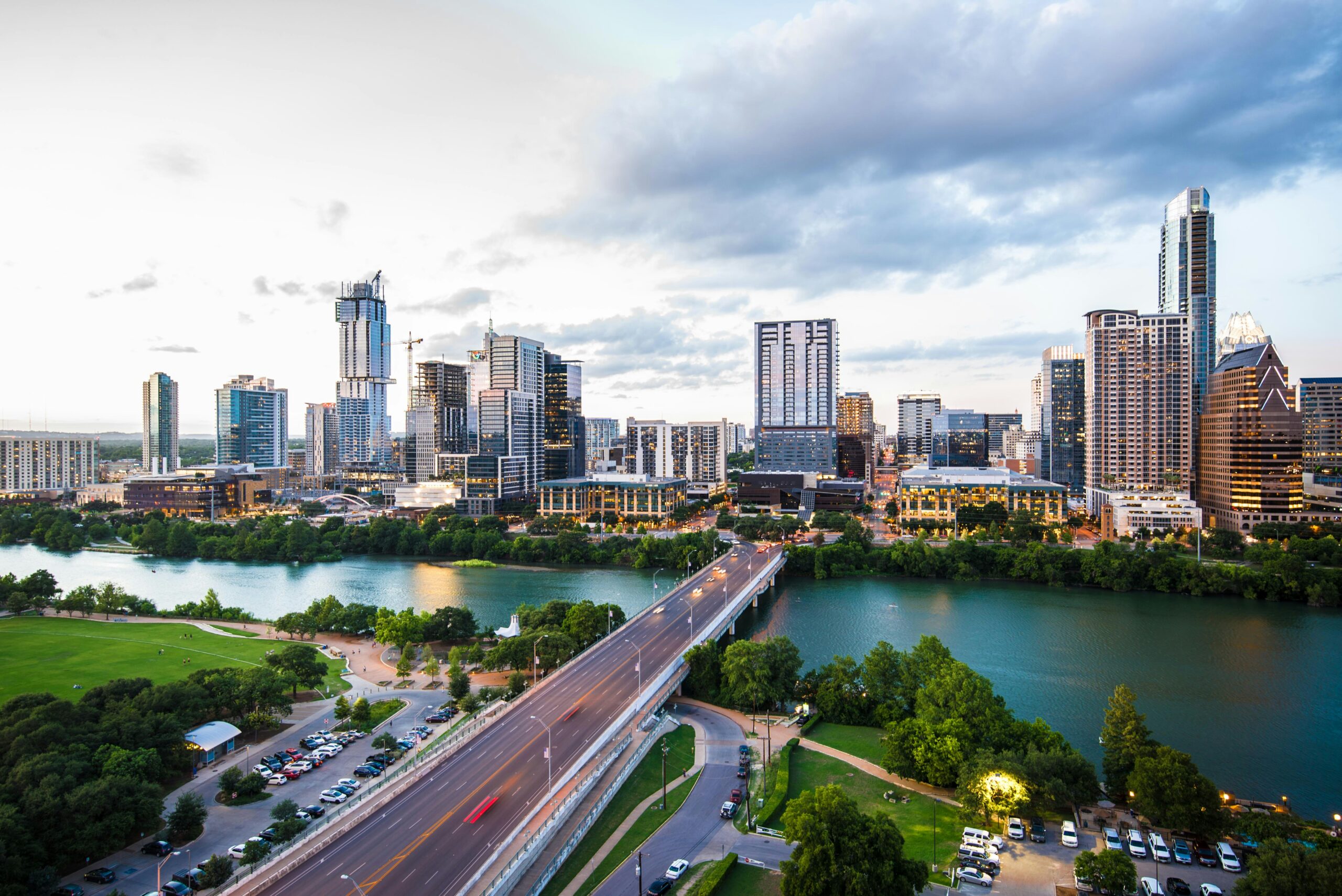
From Physical Infrastructure to Digital Infrastructure
To understand the Hybrid City from a technical perspective, it is necessary to recognize that the urban landscape is supported by three interdependent layers:
- Gray (Physical) Infrastructure: Streets, drainage systems, water and energy networks, and transportation systems. These remain essential, but their efficiency increasingly depends on their ability to integrate with other layers.
- Green (Ecological) Infrastructure: Natural systems with urban functions: urban trees, ecological corridors, green roofs, wetlands, floodable plazas, and watersheds. In the Hybrid City, these elements are no longer seen as “landscape,” but as functional systems for climate mitigation, water regulation, and ecosystem restoration.
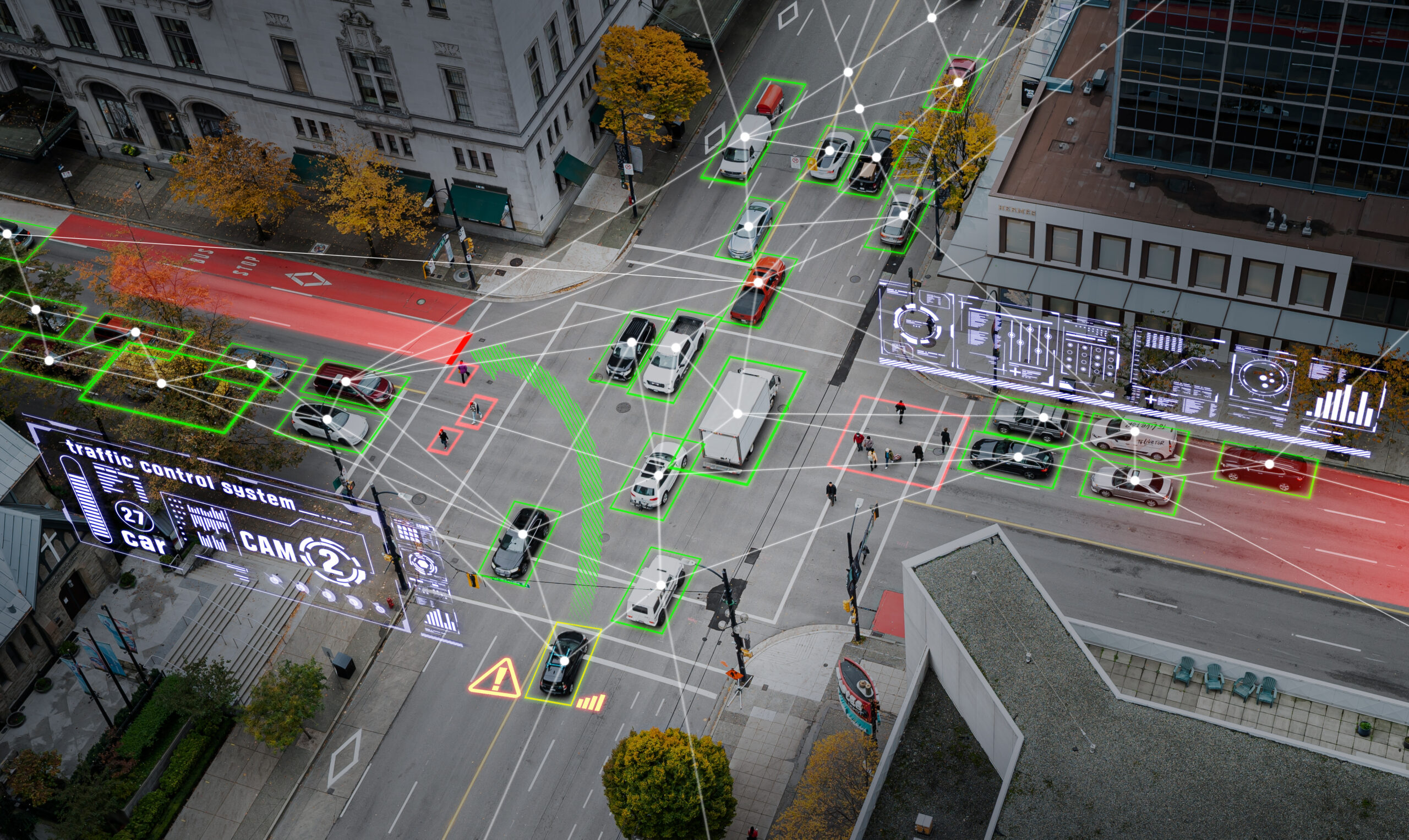
- Digital Infrastructure: Sensors, data platforms, advanced analytics, and artificial intelligence applied to mobility, energy, water, biodiversity, and service management. This layer enables cities to measure, model, predict, and operate in real time.
The hybrid condition emerges from the synergy among these three layers. For example, a floodable plaza does not function solely through physical design; it operates because sensors anticipate rainfall, adjust retention capacity, and activate automated drainage mechanisms.
Structural Principles of the Hybrid City
From both a technical and public policy perspective, the Hybrid City is grounded in five key principles:
- Multiscalarity: The ability to operate across scales —from micro-interventions such as pedestrian crossings, transit stops, or buildings, to complex metropolitan systems.
- Interoperability: Seamless integration of mobility, infrastructure, urban services, natural processes, and data platforms.
- Adaptability: Infrastructure and services capable of adjusting to changing demands, uses, and environmental conditions.
- Evidence-Based Decision Making: Policies guided by data, models, simulations, and verifiable metrics.
- Regeneration: Moving beyond mitigation toward systems that continuously improve performance, quality of life, and efficiency over time.
The greatest contribution of the hybrid approach lies in enabling a shift from rigid, reactive urban models to dynamic, proactive, and operationally integrated systems —where each component, whether physical, digital, or natural, plays a role within a living and constantly evolving urban ecosystem.
Hybrid Responses: The Power of Adaptation
In the Hybrid City, adaptability is no longer a desirable feature —it becomes a structural condition of efficiency, allowing the urban metabolism to be adjusted in real time.
This approach reduces unnecessary consumption, avoids overdesign, and minimizes externalities by synchronizing urban operations with environmental variability. It enables solutions such as:
- Adaptive Mobility: Electrified fleets managed through predictive systems that extend lifecycle, reduce emissions, and optimize energy use.
- Water as Operational Infrastructure: Water shifts from being perceived as a “risk” to becoming an actively managed system —through sponge plazas, intelligent underground reservoirs, and AI-based flow prediction. The result: fewer floods, reduced erosion, and controlled aquifer recharge.
- Biodiversity managed through Geointelligence: Mapping ecological corridors, integrating pollinator data, and using acoustic monitoring of fauna.
- Multilayer Thermal Mitigation: Native vegetation in strategic corridors, cool materials, intelligent shading (AI combined with pedestrian flow analysis), and thermal monitoring via satellites and local sensors.
Toward a New Urban Balance
Urban debates can no longer ignore the digital, the algorithmic, or the artificial. The Hybrid City demonstrates that technology and urban management are not separate domains, but inseparable components of a single system.
The Hybrid City does not promise utopias —it promises balance between the physical and the digital, between what we measure and what we experience, between artificial intelligence and human intelligence, between efficiency and care.
The urban landscape of the future —one we must begin building today— is one in which green and digital systems do not compete, but reinforce one another, and where each innovation becomes a tool to improve both present and future living conditions.
The Hybrid City is not the future of cities —it is already the present. It is the minimum technical condition required to ensure their viability, resilience, and their continued capacity to function, above all, as living, complex ecosystems designed to provide better conditions for human life.
Photos by Francisco Kemeny | Carlos Delgado| HANVIN CHEONG | Iván Aguilar