



Table of Contents
This is a guest post by EIT Urban Mobility written by Victoria Campbell. EIT Urban Mobility is the leading innovation community for urban mobility in Europe, committed to accelerating the transition to sustainable mobility and more liveable urban spaces.
Everyday mobility choices, whether to drive, cycle or take public transport has a direct impact on health, air quality, congestion and carbon emissions. Yet, shifting these personal habits in favour of more sustainable behaviours is not easy, as convenience often outweighs long-term considerations. However, behavioural nudging –subtle, science-backed interventions that encourage individuals to make more sustainable choices without restricting their freedom– can be a valuable tool to encourage change.
Recent projects across Europe, from local pilots to continent-spanning campaigns, demonstrate the growing prevalence of nudging. By gently steering behaviour and normalising sustainable options, these interventions are proving that meaningful change is not only possible, but scalable.
What is nudging?
Traditional transport policies often focus on infrastructure or regulation: building new tram lines, adding bike lanes or implementing pricing congestion. While important aspects of improving the mobility offering, these initiatives are necessary but not sufficient on their own to impact behaviour, as individual mobility choices are often shaped by habits and perceptions.
Behavioural nudges such as reminders, gamification, the implementation of default options, or offering personalised information, work by making sustainable choices easier, more attractive and more intuitive. Such approaches tap into psychology rather than relying solely on regulation or infrastructure investment, often leading to faster and more long-lasting adoption of sustainable mobility.
Instant System for instant change
In the town of Akureyri, Iceland, despite having free public buses, many residents still preferred driving, perceiving buses as unreliable or inconvenient. To address this, as part of EIT Urban Mobility’s Rapid Applications for Transport (RAPTOR) Programme, the city partnered with Instant System, a Mobility-as-a-Service (MaaS) startup. Instead of simply adding more buses, the approach centred on changing how people thought about and experienced mobility.
Through its app, Instant System integrated all local mobility options –buses, cycling, walking, Park & Ride and ride-hailing services– and displayed their carbon emissions compared to private cars. By showing residents the environmental benefit of each choice and removing the barriers for multimodal trip-chaining, the app reframed mobility as a personal decision with visible impact.
This behavioural focus worked: following the pilot, the municipality extended the programme city-wide and added e-scooters. Instant System now predicts a 10% modal shift away from private cars toward public transport, micromobility and active travel, a shift due solely to behavioural change.
Mobility startups: from science to cycling culture
In Helsingborg, Sweden, winner of the Cycling Infrastructure Award in 2023 and the starting point of a 390-kilometre seaside cycle path, cycling infrastructure was already strong. Yet only 11% of daily trips were being made by bike. The challenge was not the absence of facilities, but the persistence of entrenched travel habits.
Swedish startup Nudgd, also supported by EIT Urban Mobility’s RAPTOR Programme, sought to close this gap by using nudging to boost sustainable commutes to and from local schools. Over a five-month period, Nudgd worked with all 25 local schools in the Helsingborg region, providing personalised digital ‘nudges’ for each user, such as a text message with cycling route advice or online progress tracking.
The results were significant: in total, 2,400 parents and school staff were identified as unique users and those who used the platform were proven to be twice as likely to switch from private car use to a more active mode of transport. Nudgd Founder and CEO Katharina Paoli explains, «what we’ve seen is that 43% of end-users say they have changed their behaviour as a result of this platform… We’re very excited about the opportunities to make the space around schools both safer and more climate-friendly.» The pilot has since been extended to Konya, Türkiye.
Walking together: the European Mobility Week Steps Challenge
The upcoming European Mobility Week 2025 Steps Challenge held from 16-22 September is a significant initiative to promote walking for daily sustainable mobility. The upcoming challenge will be facilitated through the Walk15 app, which utilises behavioural science principles to drive participation in walking challenges for cities, communities, schools and workplaces.
Walk15’s approach is rooted in gamification and practical motivation. Participants download the Walk15 app and join their respective city’s team. The platform tracks steps, awards badges and diplomas for achievements, and features curated walking routes enhanced with audio guides. An integrated Steps Wallet system also allows users to redeem rewards, further incentivising regular walking.
A unique aspect of Walk15 is its method of translating each kilometre walked into five virtual trees, which reinforces the environmental benefits of walking over driving. This visual representation fosters greater awareness regarding emissions and the role of individual action in advancing sustainable mobility.
The alignment of Walk15’s participation in the European Mobility Week Steps Challenge means that participants can track their steps and compete against other EU cities for enhanced community engagement and increased local pride, as collective participation turns walking into a normalised, shared daily activity. Prior campaigns have recorded robust engagement metrics –the 2024 National Mobility Challenge in Lithuania marked a record-breaking achievement of 45 billion steps walked by over 160,000 participants.
By embedding walking within a social, gamified context and providing real-time feedback and incentives, the initiative not only supports environmental objectives but also fosters healthier, more connected communities across Europe.
Beyond the car: nudging commuting at scale
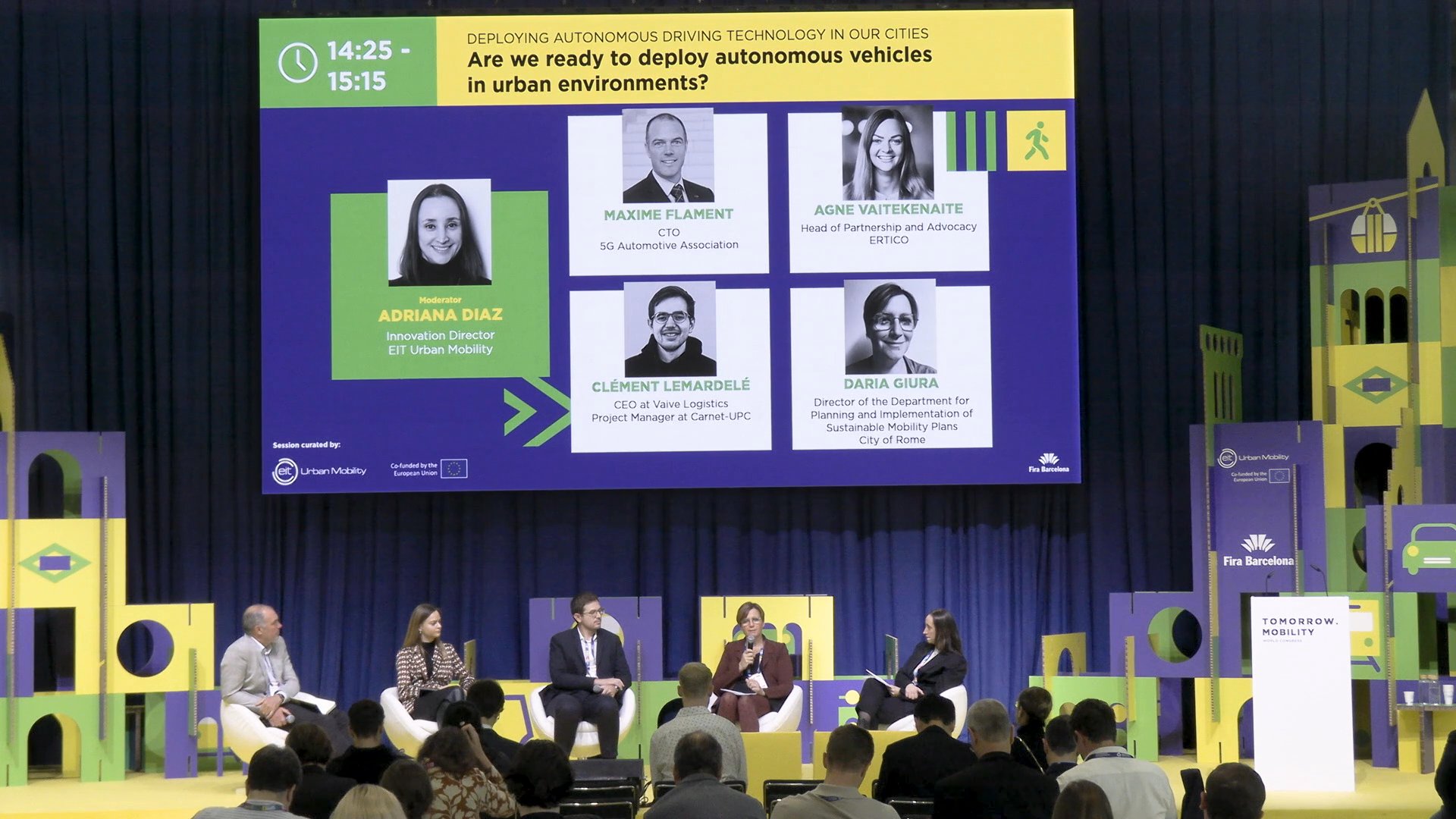
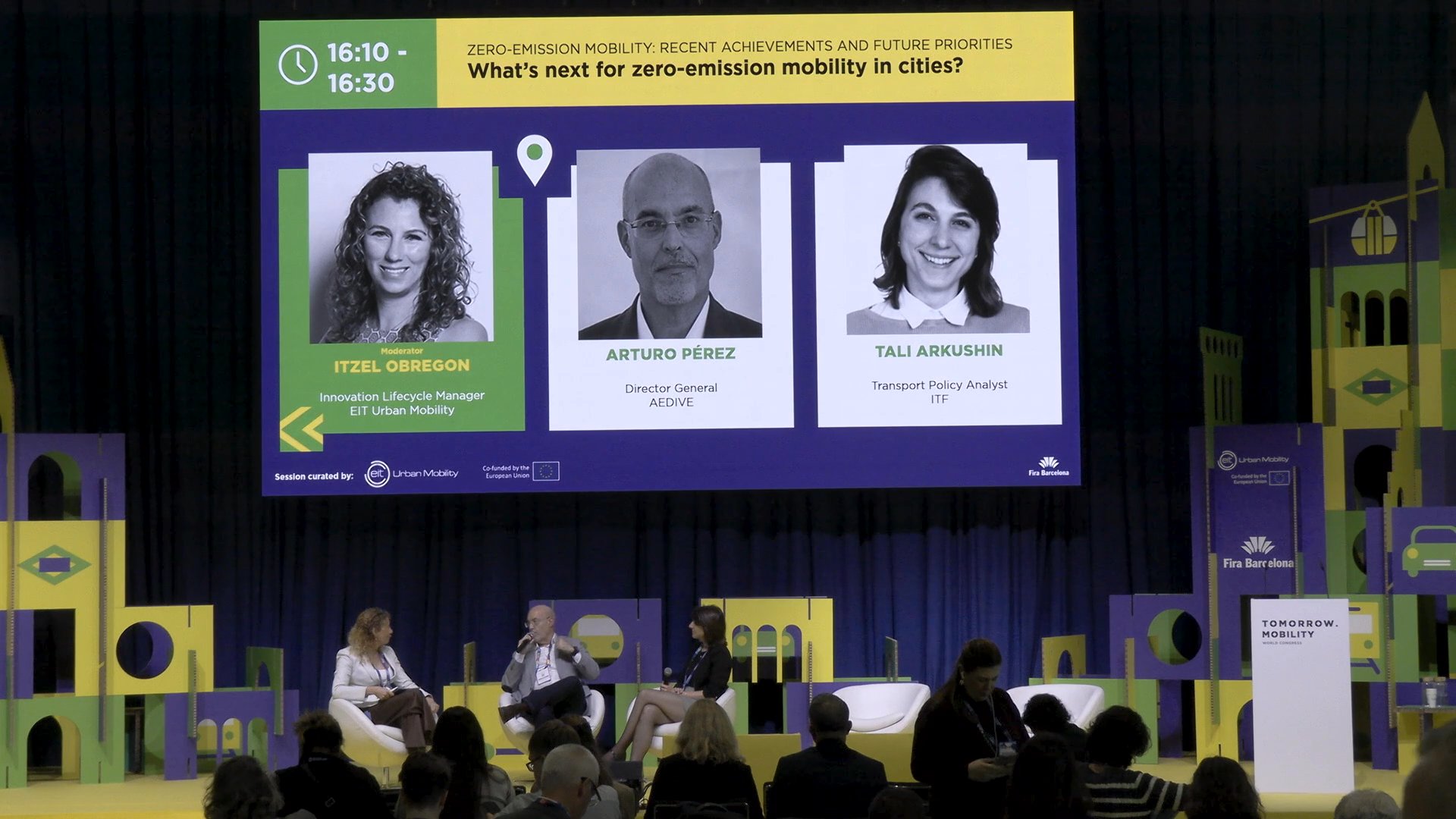
The upcoming Tomorrow.Mobility World Congress panel Beyond the car: when green commuting is the smart choice will explore how behavioural nudges can work hand-in-hand with integrated transport networks and corporate mobility strategies. The panel will dive into the role of corporate mobility programmes in reducing solo car commutes for more sustainable daily transport. Additionally, with representatives from Nudgd, the impact of MaaS platforms integrating nudging will be explored.
Also in attendance will be Julian Hennig of Roche, who collaborated on the most recent EIT Urban Mobility Foresight Study, on behaviour and sustainable mobility planning. The discussion reflects a growing recognition that sustainable commuting requires more than infrastructure but rather requires cultural and behavioural change.
Building a culture of choice
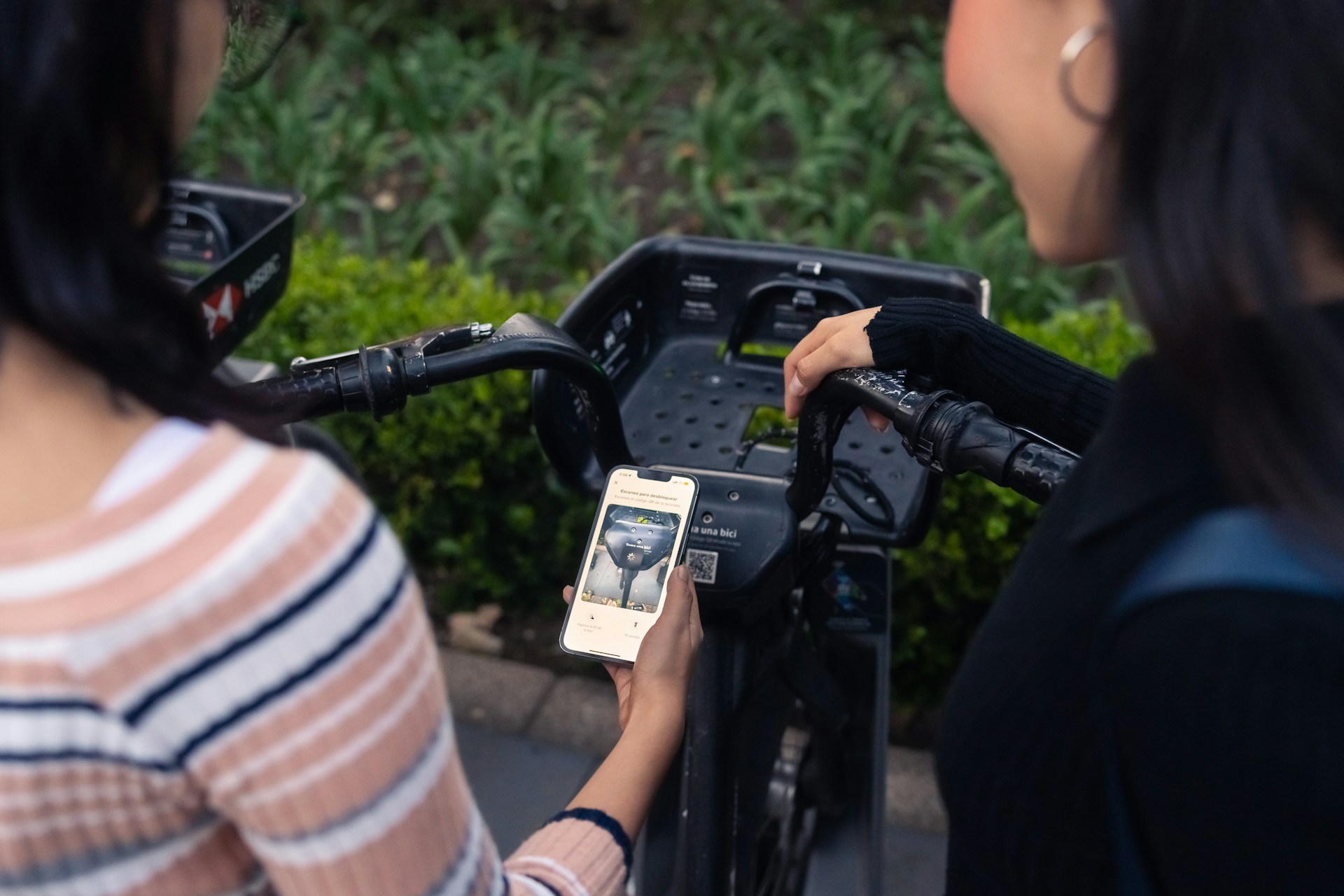
Nudging may not be a silver bullet, but it is a powerful complement to infrastructure and policy. A new tram line may provide sustainable capacity, but nudges make sure people use it. A company can subsidise bike-share memberships, but nudges can ensure employees try it out for the first time. When combined, these approaches help build a culture of sustainable choice, in which taking the train, cycling to work or walking to the grocery store becomes the norm. In this way, behavioural science becomes a valuable tool in the transition to more sustainable cities.
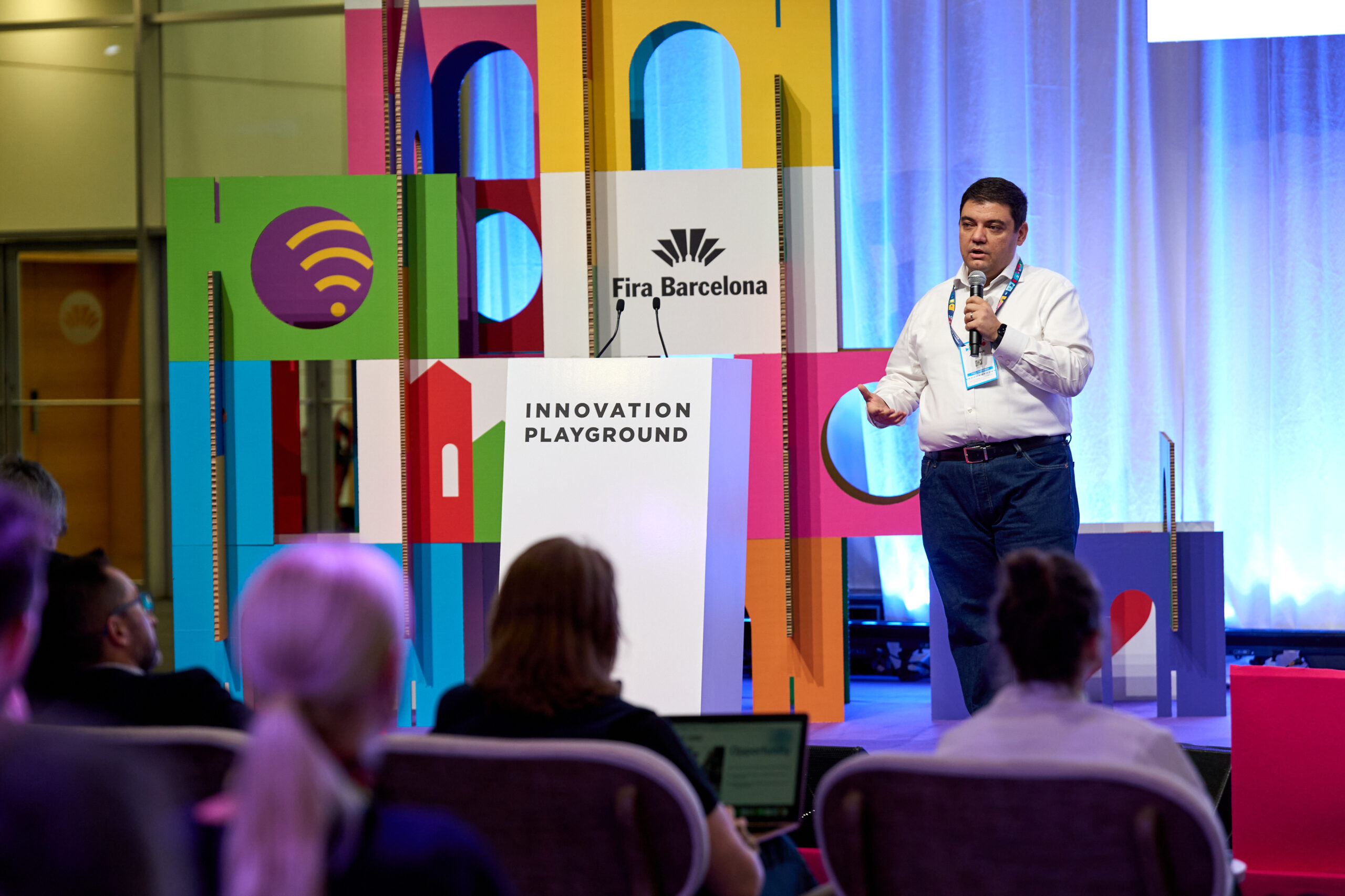
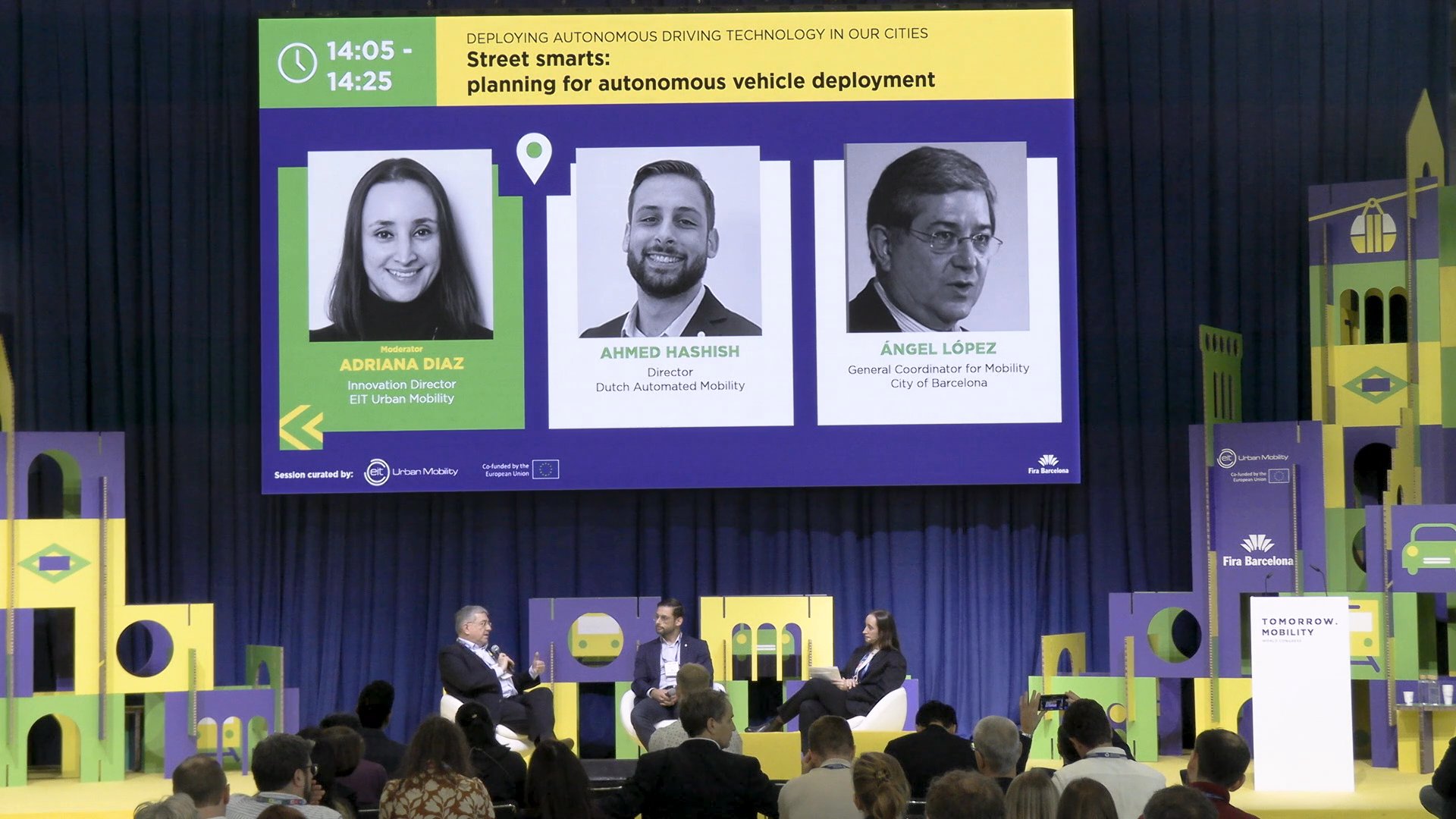
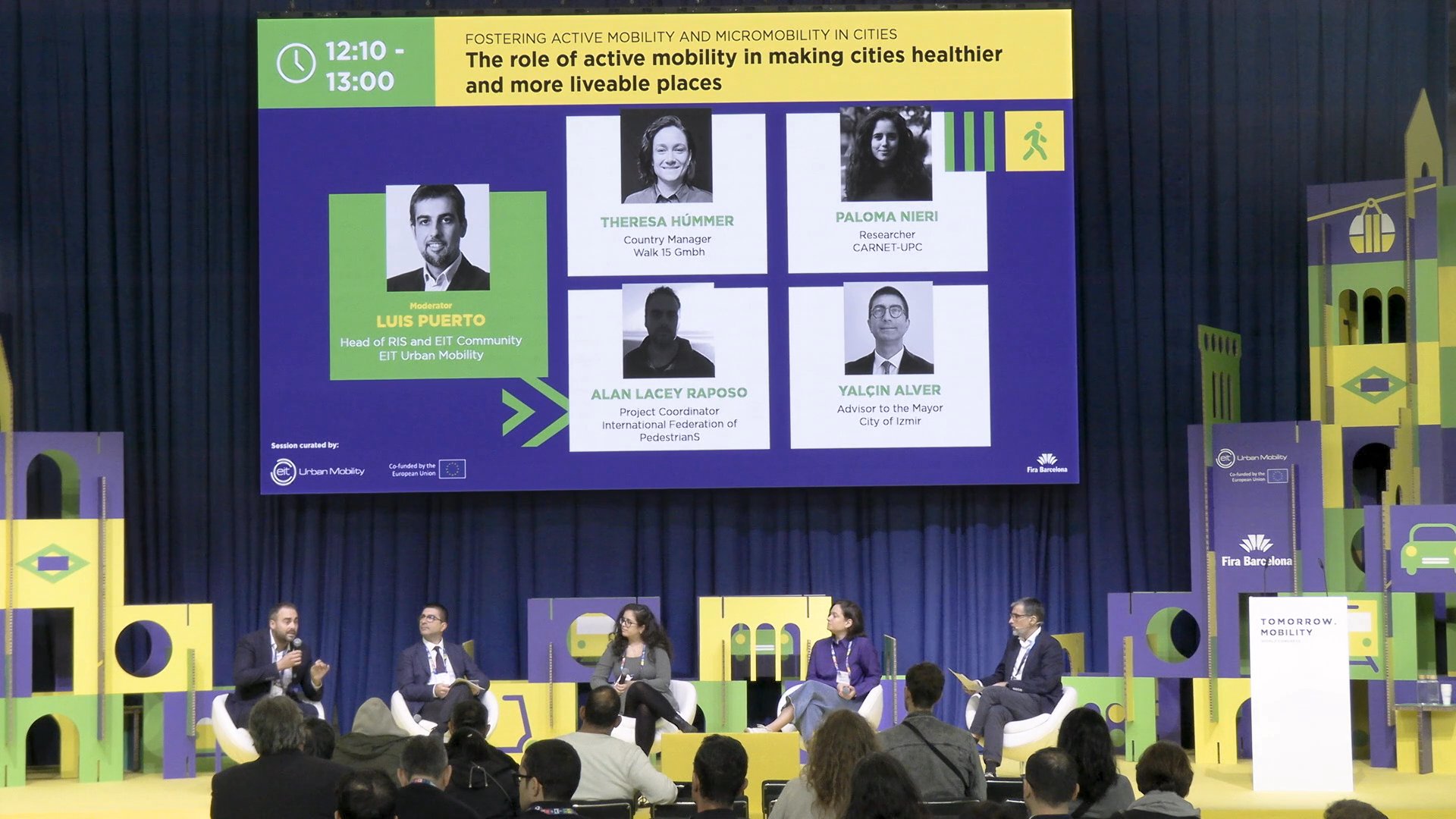
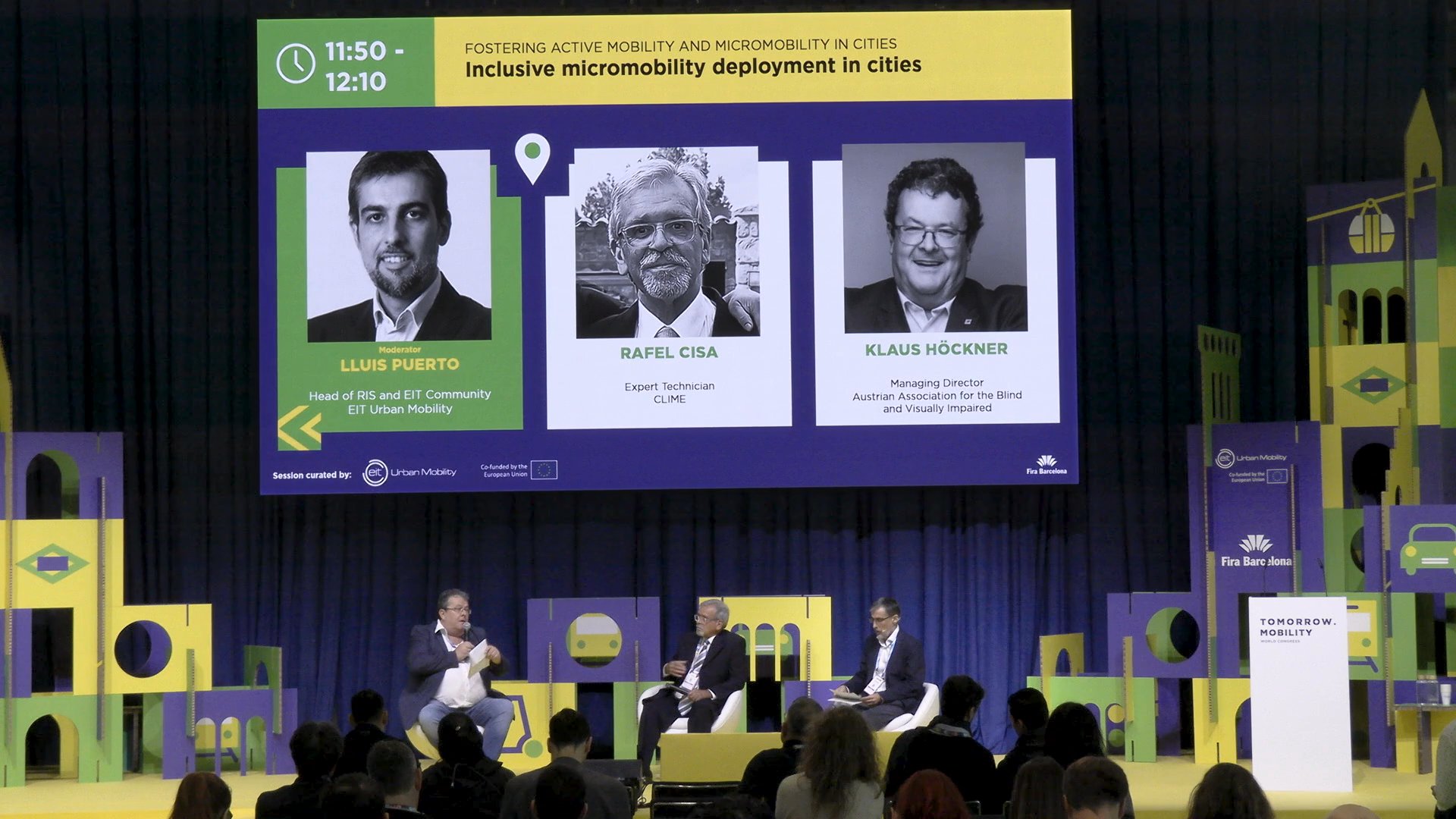
Want to know more? Join EIT Urban Mobility at Tomorrow.Mobility World Congress 2025, co-hosted by Fira Barcelona from 4-6 November.
Photos: EIT Urban Mobility, Shushan Meloyan & Luna Wang.