Table of Contents
Author | Lucía Burbano
Smart cities are driven by a commitment to excellence; they aspire to greater sustainability, innovation, inclusiveness, and health, while fostering opportunities and nurturing improved communication with their residents. In order to achieve their goals, technology serves as a powerful ally, but so does human-centric management in issues such as effective governance and municipal policies for identifying and executing key action plans to ensure the well-being of both the cities and their inhabitants.
In this context, the universal scope presents common challenges and shared objectives, where geography and distinct circumstances may not hold decisive significance. These goals and the tools to achieve them, converge within a series of trends embraced by cities worldwide to shape their particular future.
Urban trends: the focus is on sustainability, inclusiveness and resilience
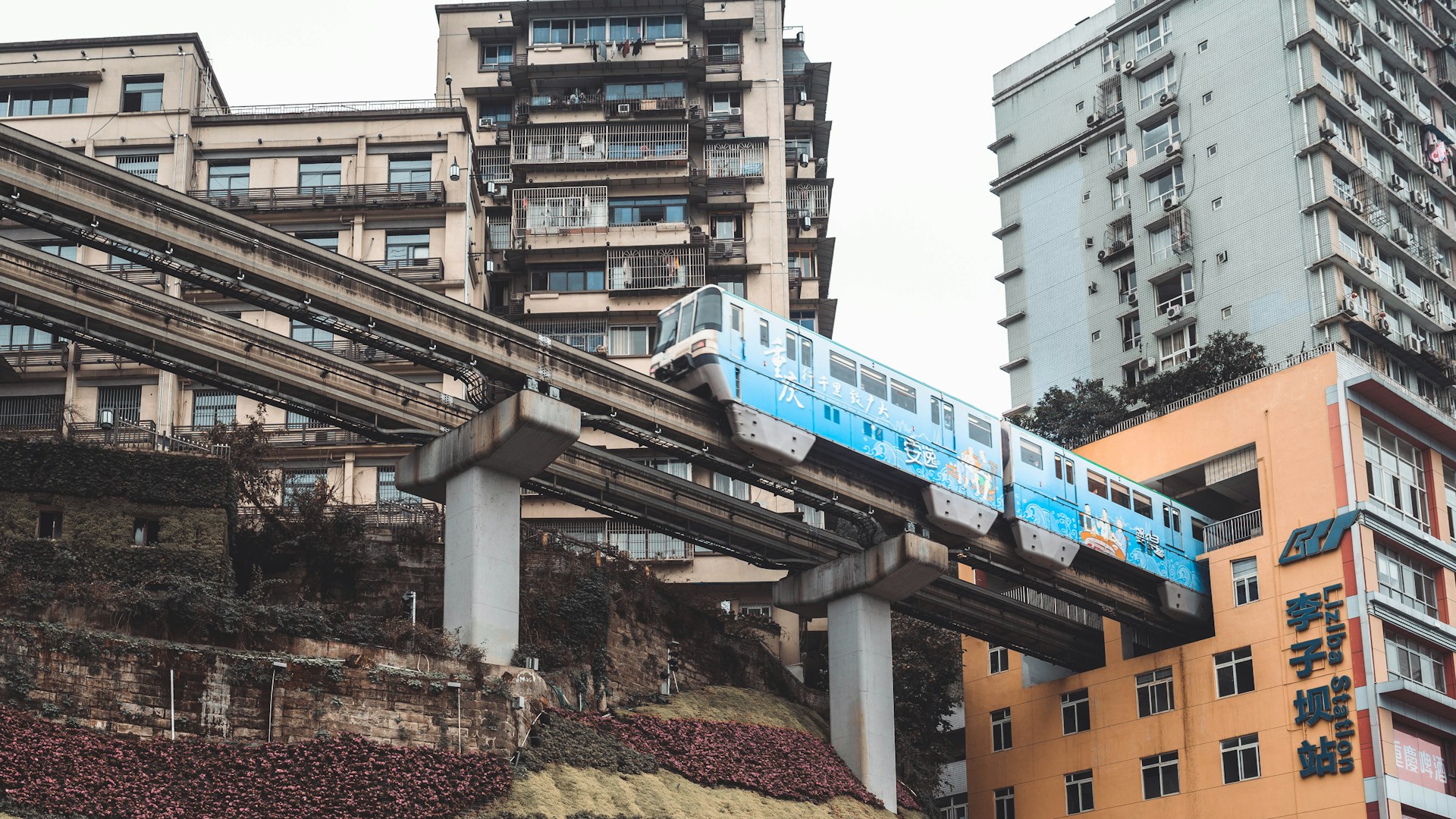
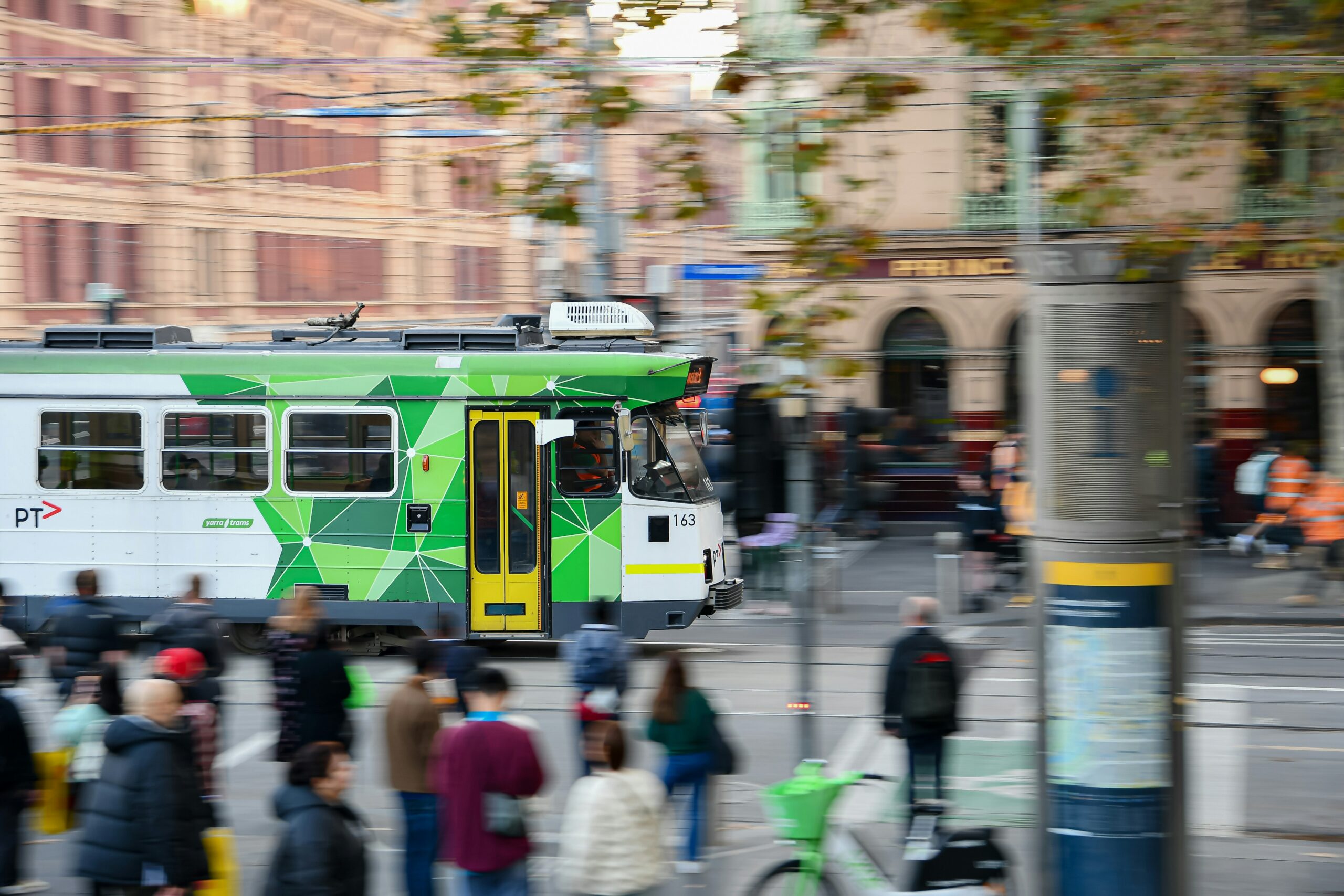
Mobility: towards zero emissions
Many cities have marked the year 2030 on their calendars as the target to achieve carbon neutrality. Given that transportation is responsible for 28% of emissions, there will be a concentrated focus on mobility initiatives, directing investments, policies, and advancements towards the adoption of alternative green energies like hydrogen or batteries in both public and private transportation, as well as in last-mile logistics. Barcelona, Berlin, Madrid, Roma and Warsaw for example, have pledged to only buy zero emission buses from 2025.
Governance: greater power for cities
Municipal governance has embarked on a mission to overturn the limited decision-making powers of cities in matters dependent on national governments, such as housing, infrastructure, and facilities, among others. The PEAK Urban Unleashing sustainable cities of the future report underscores how Medellín utilizes planning instruments to enhance the coverage of public services and address issues like violence, with positive effects at a national level.
Inclusive cities

Creating more inclusive cities where access to basic necessities is considered a fundamental right rather than a luxury, poses a challenge. The World Bank reports that, today, one in three people in developing regions live in substandard housing without access to minimum services. In many European capitals, access to housing has emerged as a critical issue, causing significant challenges in many urban areas.
For instance, in Lisbon, the cost of housing surged by 120% from 2012 to 2022, making access to housing challenging for a considerable segment of its population. But the city has already taken decisive action: Since 2021, over 1,500 houses have been constructed and refurbished to accommodate medium- and low-income individuals, a stark contrast to the mere 17 apartments annually over the previous 14 years. Furthermore, the municipal government is also buying real estate properties at market value to be renovated and rented out at lower prices.
Technologies to drive advancements toward future scenarios.
The impact of predictive technologies such as artificial intelligence, metaverse, and digital twins on urban management is already a reality, poised for further growth. There are already examples of how AI is being used in very specific cases related to participation processes or to improve traffic in cities.
Barcelona is the first European city to unveil a fully operational digital twin, serving as a platform for testing future scenarios and Seoul has revealed plans to develop a virtual replica of the city within the metaverse, with expectations for it to be operational by 2026.
Economically resilient
In order to tackle the numerous local, national or international complexities faced by cities, they must embrace urban economic resilience as a crucial strategy. According to UN Habitat, this is based on a series of pillars: the business environment, economic governance, labor market conditions and infrastructure and connectivity systems, which should be considered in an integrated and holistic way.
The report emphasizes Sofia, Bulgaria’s capital, for successfully navigating the pandemic, credited to its service-oriented economy, notably in high-tech and trade sectors. This economic resilience played a crucial role in keeping unemployment rates below 10% in the country’s major municipalities. Other ostensibly more prosperous cities, like Salzburg, experienced greater vulnerability due to their less diversified economies, feeling the brunt of reduced activity, particularly in sectors such as tourism.
Photographs | Unsplash/Nerea Martí, Unsplash/Mika Baumeister