Table of Contents
Author | Jaime Ramos
Excessive noise or noise pollution not only has a negative impact on the concept of a city, but also on the health of its residents. How can it be tackled?
NOISE POLLUTION: THE DANGERS BEHIND IT
When we talk about noise pollution, also known as acoustic pollution, we are referring to any excessive sound (noise) that affects the health and wellbeing of humans. Cities, by nature, have become the epicenter of this problem. They have been tackling this problem for decades.
Despite it being a form of pollution that has not had the same level of impact as air pollution, the truth is that the World Health Organization (WHO) has classified it as the second largest environmental cause of health problems in Western Europe, only behind the aforementioned air pollution caused by gas emissions.
Noise and sound levels are well known. What are not so well known are the multiple effects. They can have different negative health impacts, including poor mental health, sleep disturbances or attention problems. Particular attention should be given to the harmful effects on children and pregnant women.
HOW CAN WE ALLEVIATE NOISE POLLUTION IN CITIES?
Cities are a complex issue, since noise is not limited to a single source, but rather it comes from a range of them. The study Ten questions concerning active noise control in the built environment emphasizes this diversity.
Since noise sources and acoustic environments are generally time varying, the controller must be adaptive and respond to the time-varying frequency content, amplitude, and phase of the noise source.
The priorities established in this study include not only measuring noise, but also the problem of tackling noise phenomena, in which there are too many stakeholders involved. They offer alternatives in terms of the creation of barriers and facade retrofitting.
SOLUTIONS FOR COMBATING NOISE POLLUTION
The Earth Journalism portal offered a classification to help understand the multidimensional nature of the sources. Some of the most interesting include:
Incompatibility in land use
This refers to the noise generated in a location, business or building, through exogenous sources of noise. For example, the noise caused by delivery trucks working with restaurants. Cities can mitigate this through a zoning strategy.Regulations in Washington State (USA), for example, establish a series of noise limits based on a particular area.
A different matter is noise caused by entertainment activities, which requires urban control, isolating business premises and buildings, establishing limits in large open-air events.
Construction and industry noise
Industrial activity is another source of noise dating back thousands of years. The United States has also established measures to control this nose, for example, those established by Department of Transportation. The solutions include (particularly during nighttime hours), diverting routes, restricting the use of machinery or establishing time slots.
Noise pollution from traffic
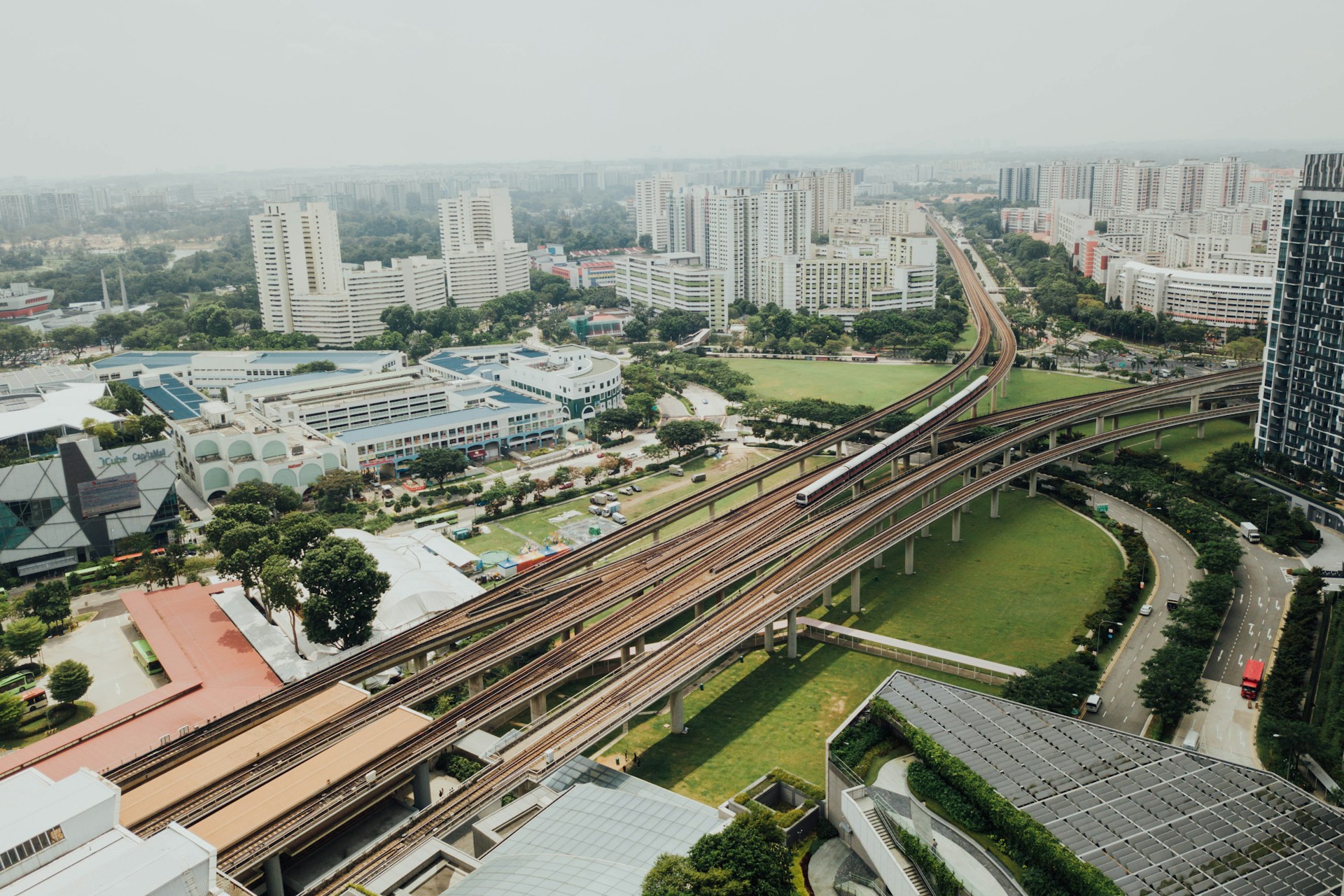
From air traffic noise to noise from cars and motorcycles, means of transport are an almost immeasurable source of noise pollution. Solutions go from reducing speed limits in cities, road surfaces that reduce noise, trees and plants and barriers surrounding sources of noise, to radars to detect noise pollution violations.
Measures for inside buildings
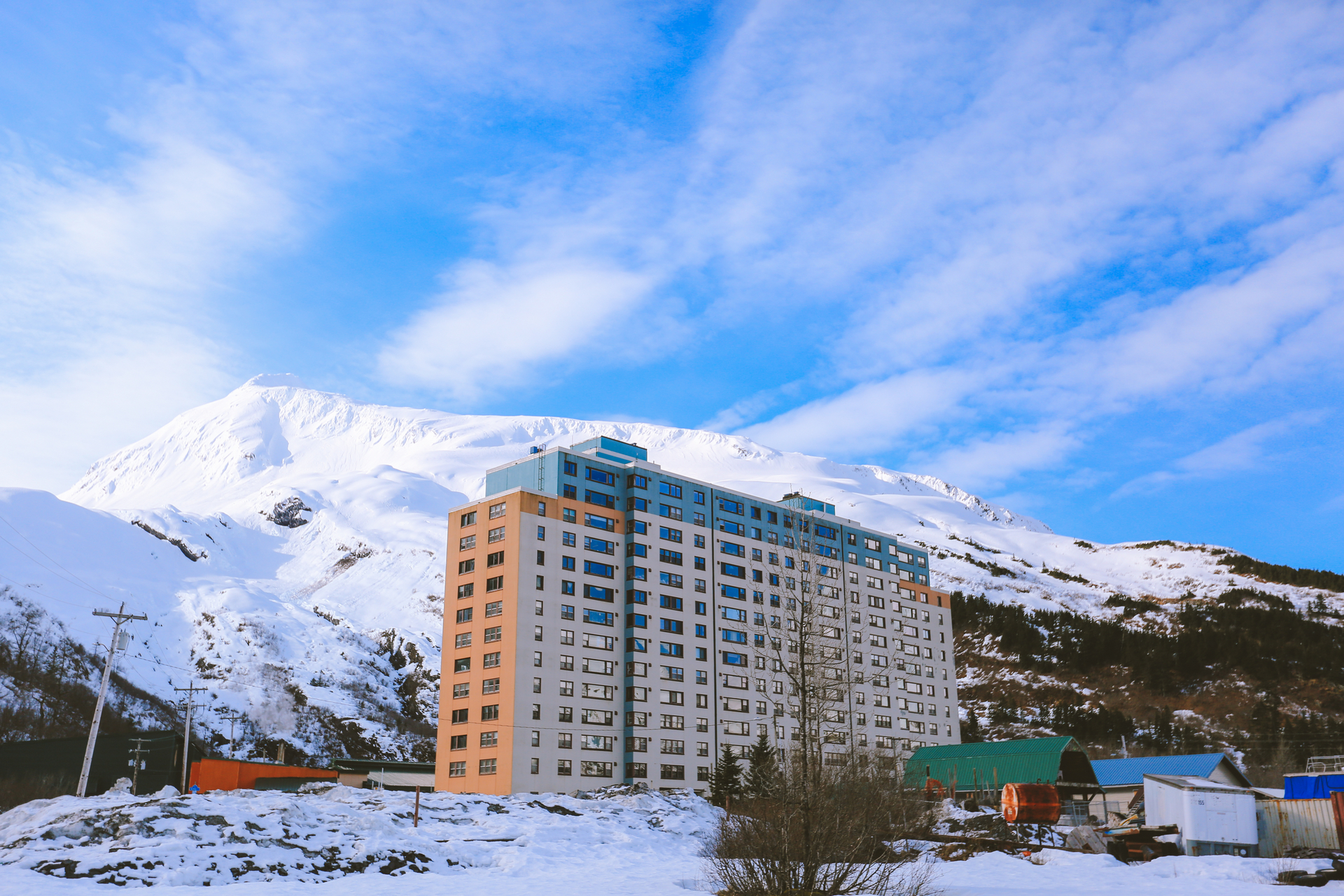
This is a solution affecting the focal point, not the source but rather the buildings affected by the noise. The study, Acoustic retrofit strategies of windows in facades of residential buildings, highlights the lack of specific international standards and the need to act on elements such as windows, which are weak points that increase exposure to noise in cities. If we could replace them with new designs capable of acting as a buffer against noise, noise pollution in modern cities would be significantly reduced.
Images | @chairulfajar_/Unsplash