



Table of Contents
Author | Jaime Ramos
Electric cars are here to stay, and particularly in cities. There is a global consensus regarding this maxim of our times. However, with the continued expansion of electric mobility, numerous unforeseen issues have arisen that have not been taken into account until now.
They are common in areas of the world that lead the way in electrification, such as Norway; or major cities that have fostered the electric vehicle transition. Below are some of the problems that have emerged as a result of the success of electric vehicles.
1. Careful with flooding
The battery technology in electric vehicles is very safe. What was not taken into account was what would happen in the event of certain disasters such as hurricanes, specifically, and salt water flooding. In Florida, after 21 electric vehicles spontaneously combusted as a result of this in 2022, measures have been taken this year asking drivers to shelter them from storms and coastal areas during these climate episodes.
2. Chinese electric vehicle graveyards
We are not referring to battery recycling, but rather to the vast number of new models abandoned by Chinese companies that tried to succeed in this emerging market and failed. In fact, the country went from having 500 electric vehicle manufacturers in 2019 to around 100 in 2023. The images from outside Hangzhou are depressing from a smart city perspective, with thousands and thousands of vehicles waiting to be recycled.
3. Crowded bus lanes
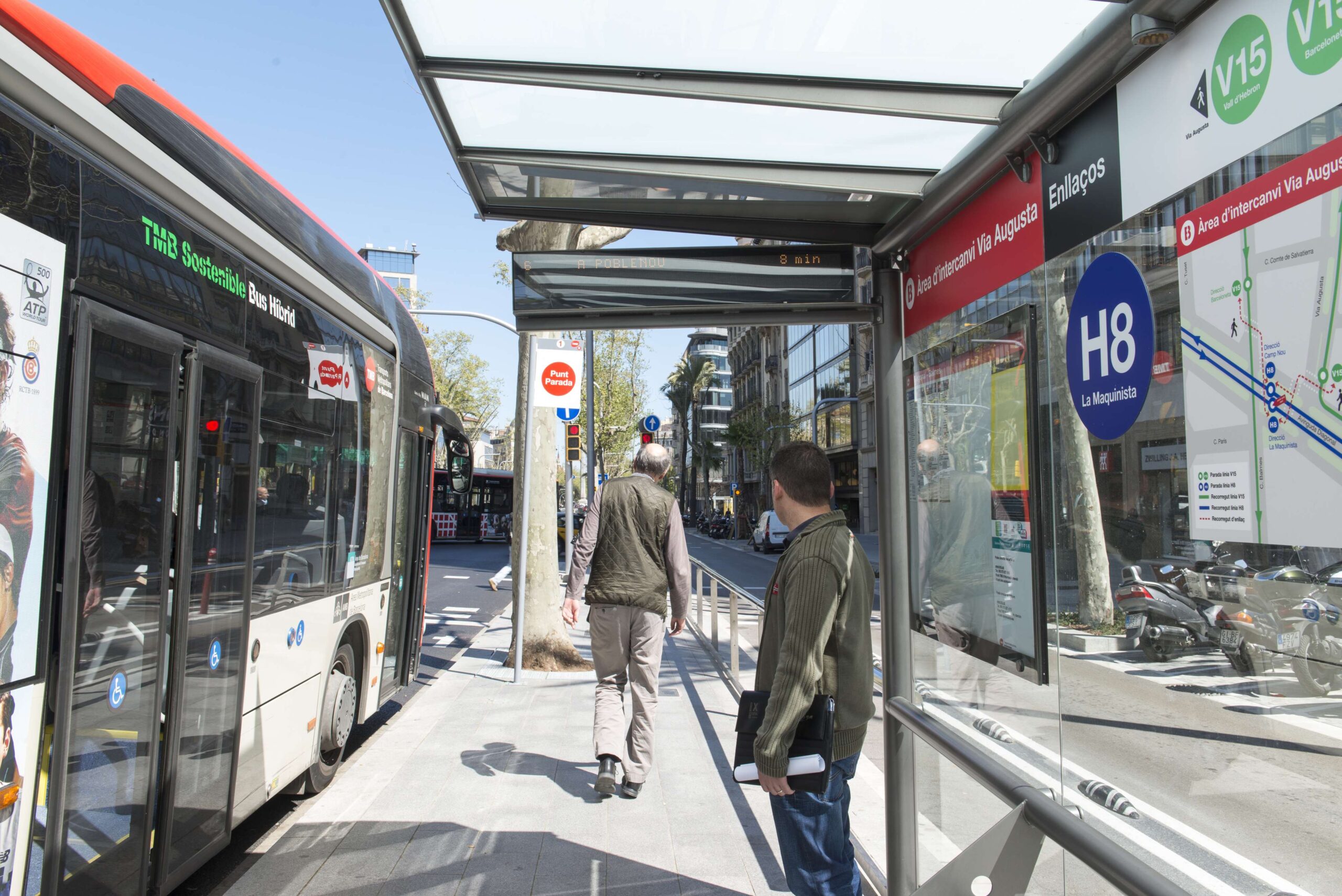
The success of electric vehicles in Norway have taught us numerous lessons. To incentivize the purchase of electric vehicles, drivers were allowed to use bus lanes. Years later, in 2015, they had to rectify this measure, first in Oslo, and then in the rest of the country, as a result of traffic jams and complaints from bus drivers.
4. From worrying about autonomy to worrying about charging
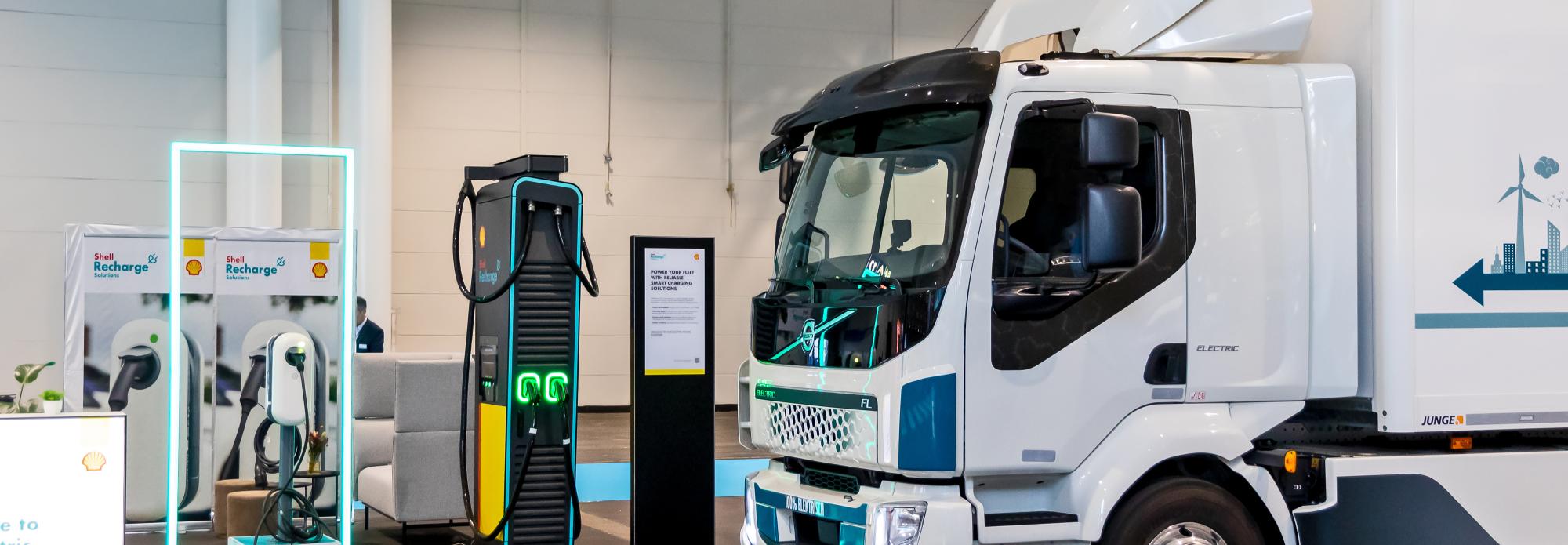
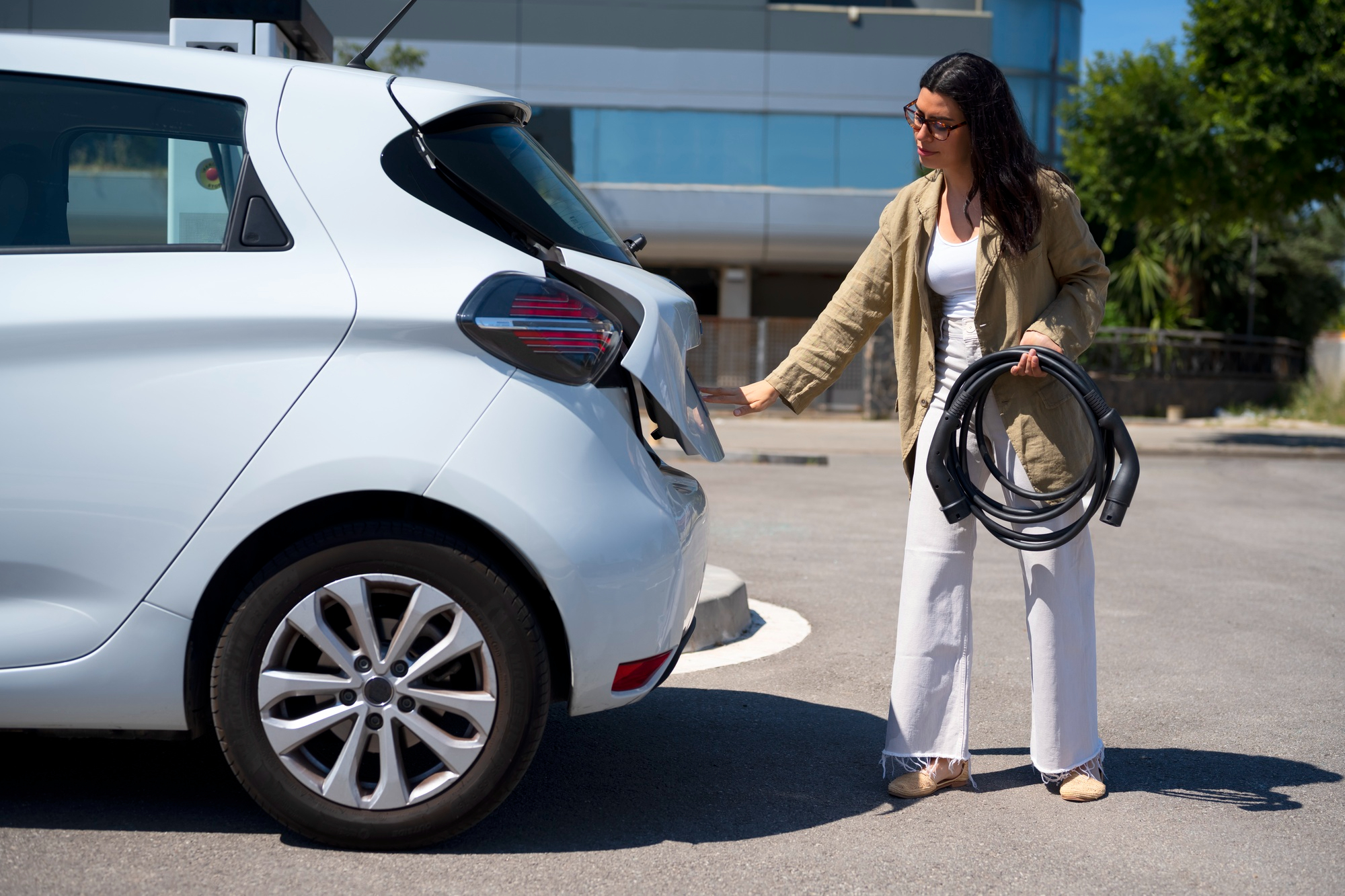
This is, perhaps, the most significant unforeseen issue with electric vehicles in cities. Sales are on the rise, but the public charging infrastructure is still lacking and this has led to numerous scenarios. For example, in countless cities many tenants who choose to rent and have an electric vehicle, find that they have nowhere to charge it. In the United States, they are trying to tackle this issue with the right-to-charge laws.
Another emerging phenomenon which, while not so dramatic, is equally curious, is the demand for fast charging stations seen in some areas of Norway. The mass use of electric vehicles is such that, even some fast charging points cannot cope with the demand and the associated queues.
5. They threaten some fundamental principles of smart cities
All that glitters is not gold with electric vehicles. Although the value of electrification in the journey towards decarbonization and sustainability goals is undeniable, this journey is affecting other priorities. In recent years, for example, there have been cases of injustice due to an imbalance in subsidies or access to low emission zones.
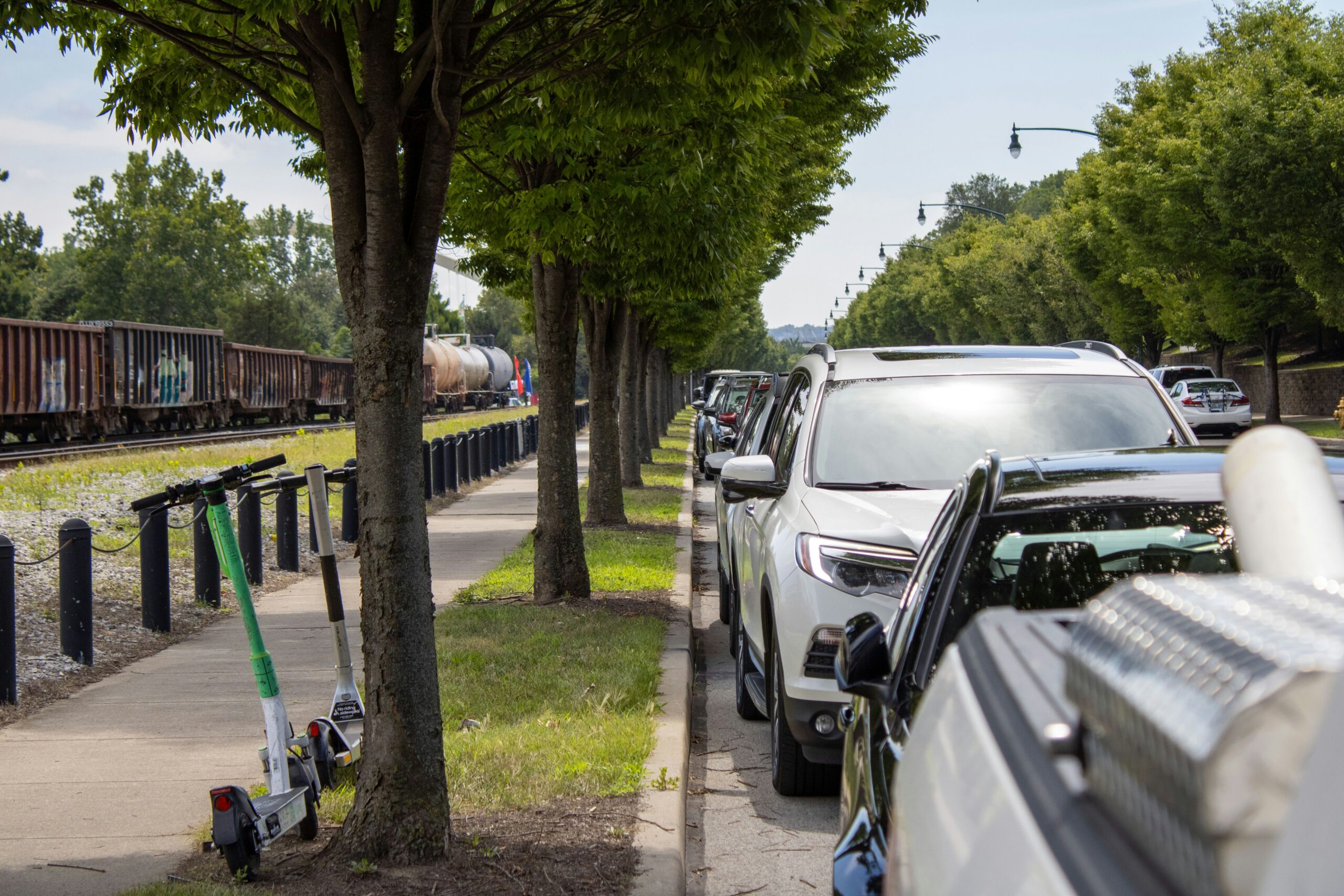
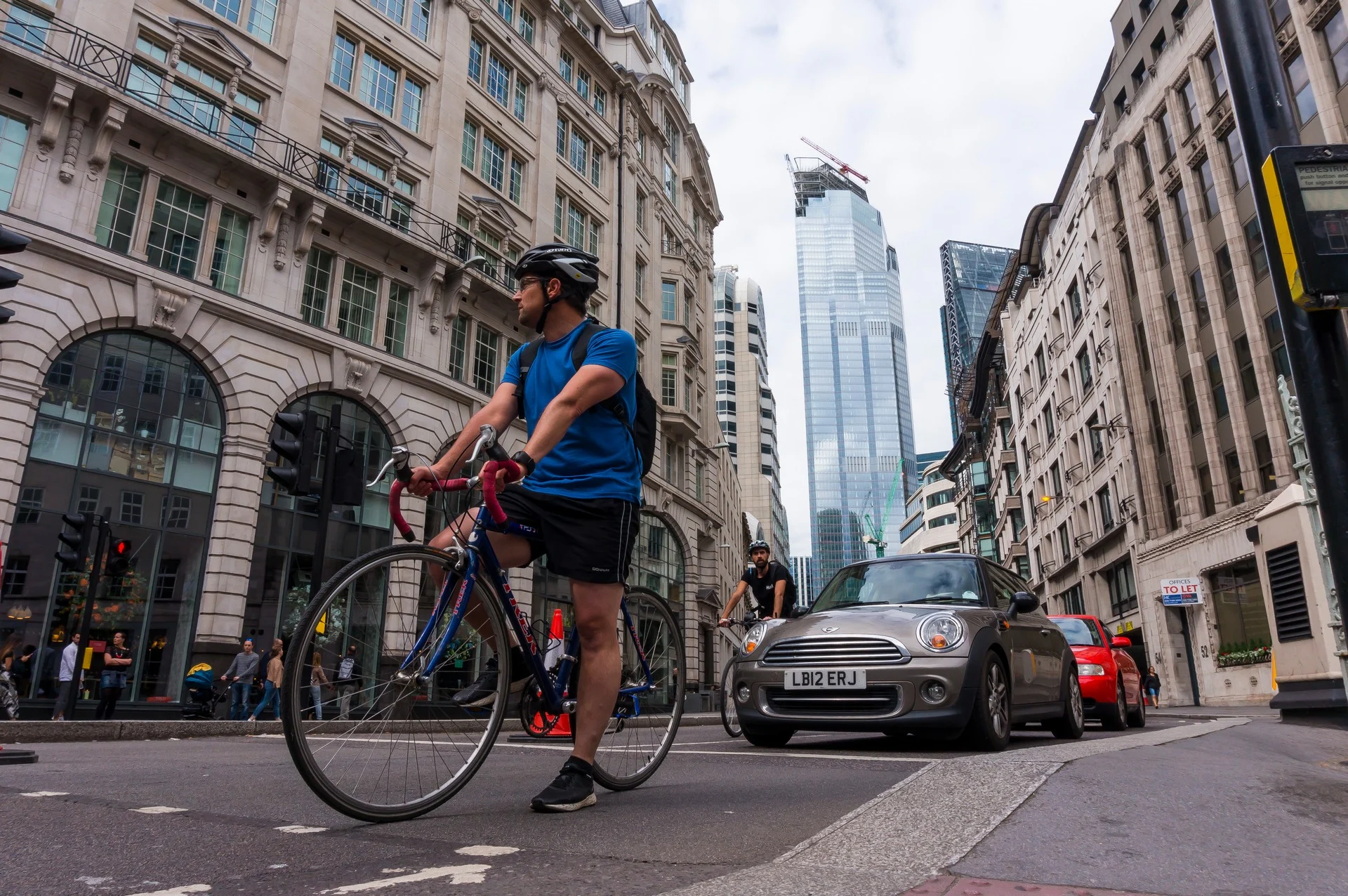
Another conflictive matter is related to the occupation of urban spaces. Planners and defenders of more humanized urban models, such as the Canadian Jason Slaughter, remind us that the solution for traffic in cities is not simply changing all fossil fuel vehicles for electric vehicles. After all, as he indicates, electric cars "are still a horrendously inefficient way to move people around, especially in crowded cities".
Images | Freepik/freepik