



Table of Contents
Author | Jaime Ramos
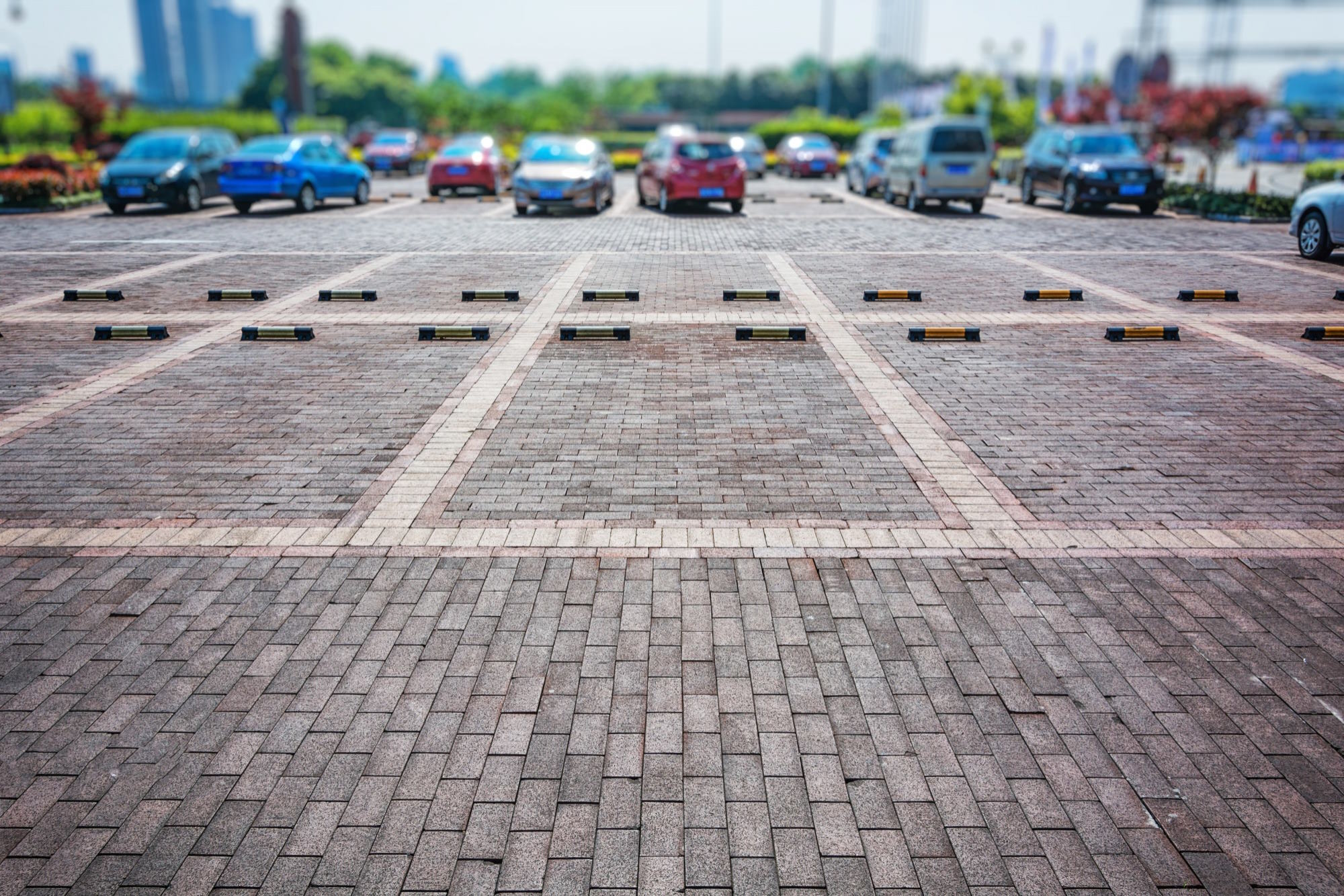
Private vehicles, the consumer good that revolutionized personal mobility at the start of the last century and transformed the streets, have encountered numerous obstacles in recent decades. Among the most famous is the challenge of parking in major cities. Can artificial intelligence solve the problem?
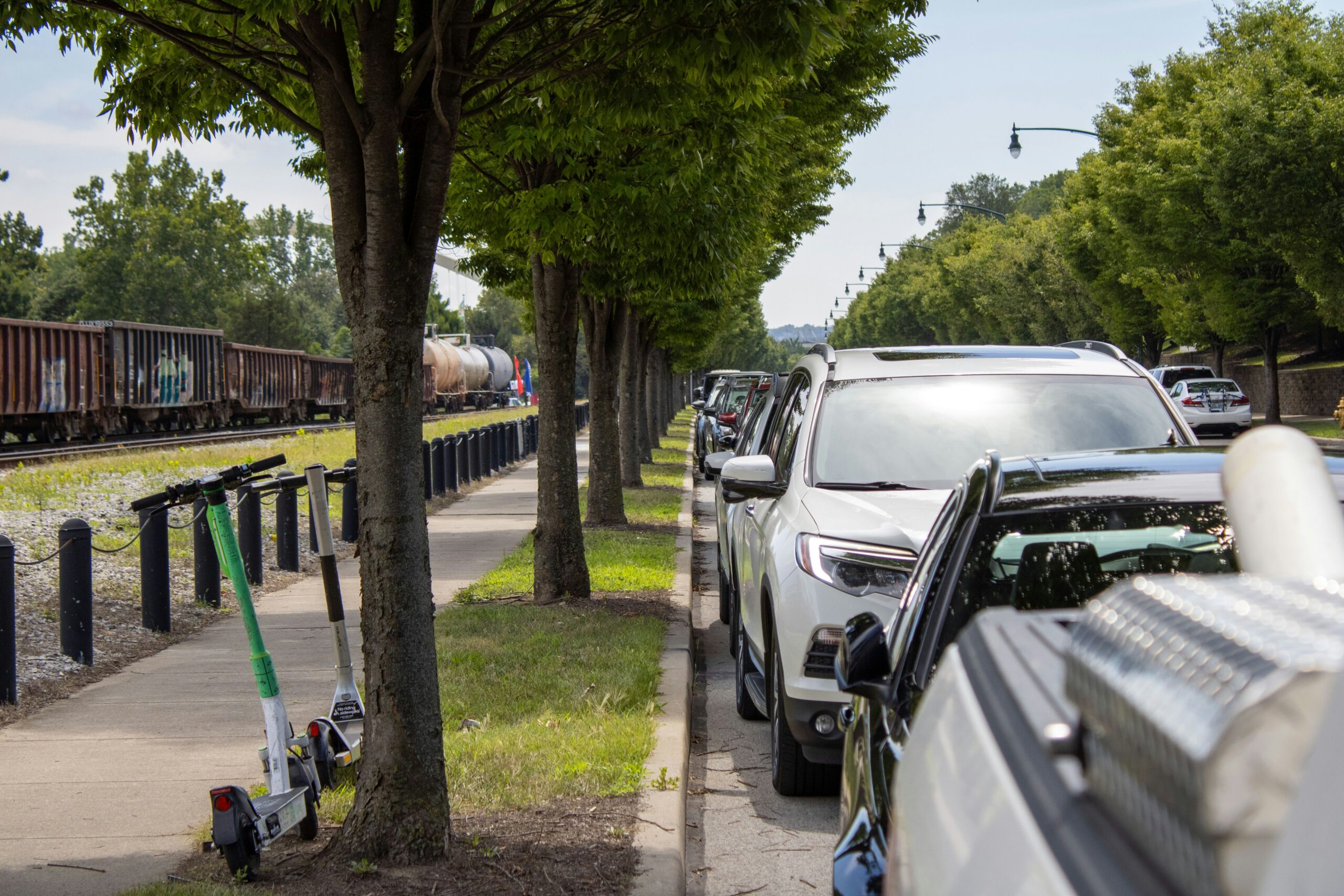
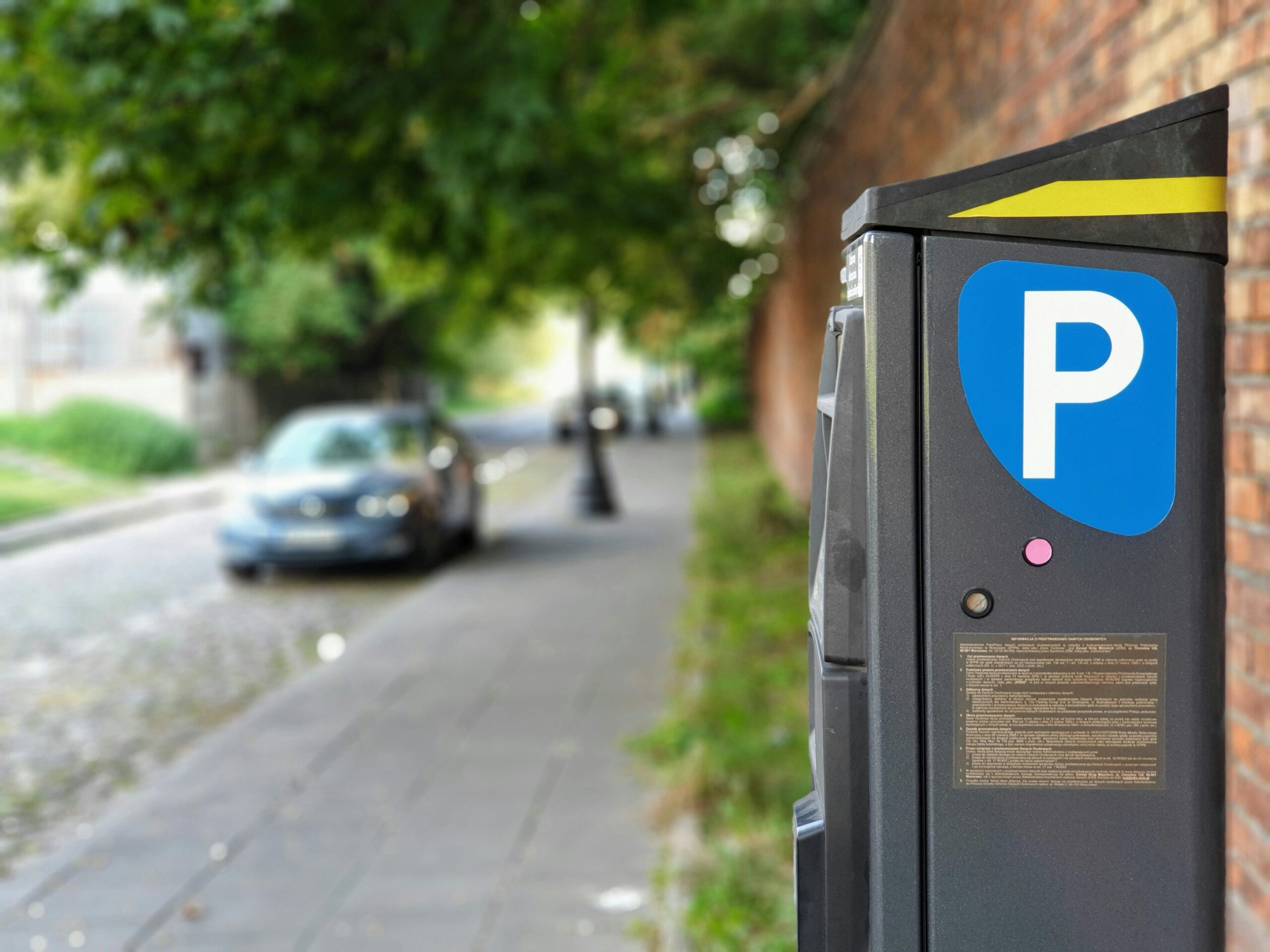
Smart cities and vehicles are reassessing their relationship. The dispute as to whether private vehicles should be in urban centers is on the table. The issue of parking has tended to swing the balance in favor of those who want to expel private vehicles; or, at least, redesign their posthouses. However, innovative smart parking** technologies are now alleviating that dissuasive pressure.
What is the role of AI in urban traffic?
As in most cases, the conjunction between artificial intelligence and its role with the IoT and big data management, releases us from essentially human tasks. The complicated task of finding a free parking space in city centers is one of them.
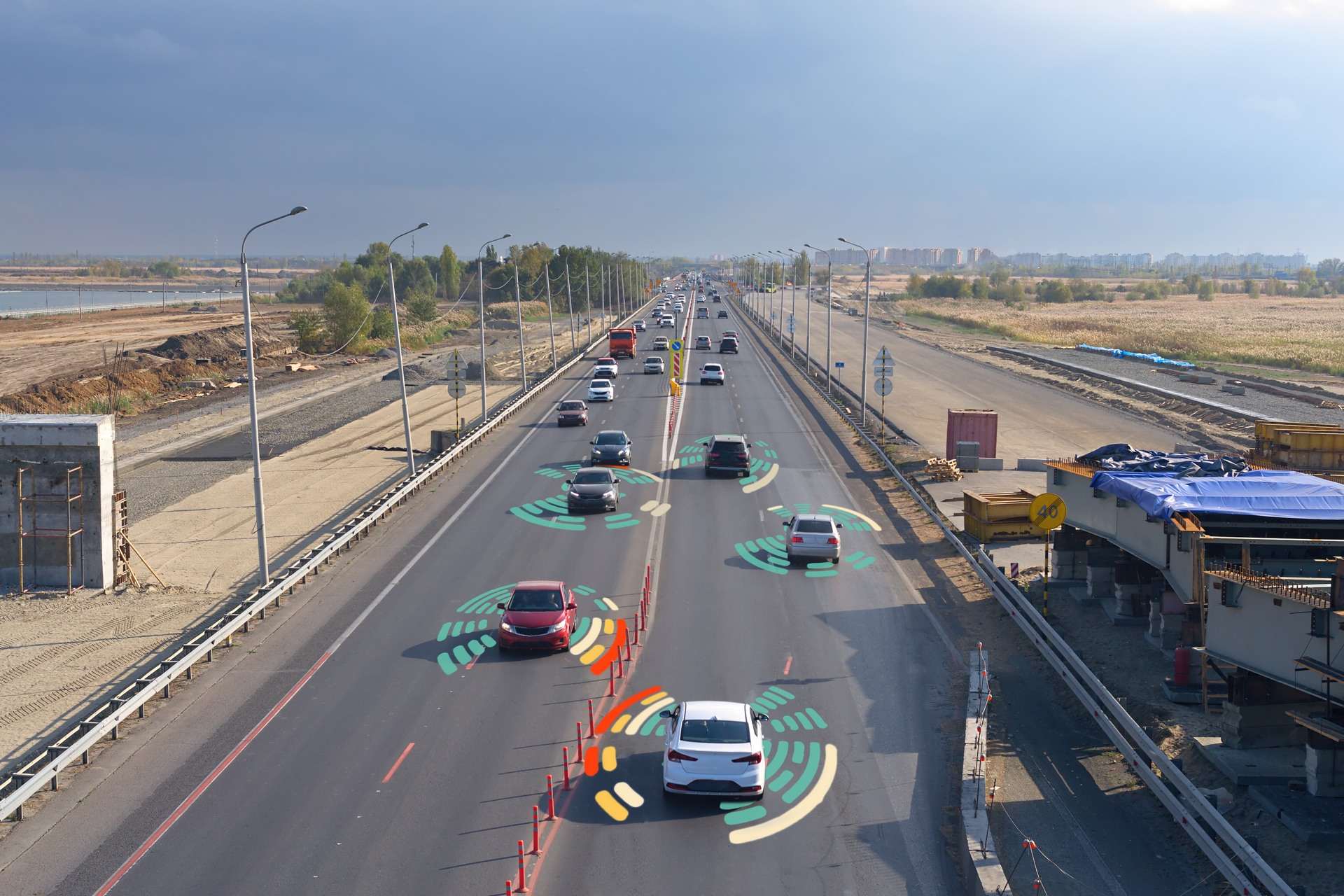
In general, smart cities are developing algorithms to give vehicles a second chance in urban areas, seeking greater fluidity. In Singapore, which has a national AI strategy in place, a program has been launched to control smart traffic lights. Known under the acronym CRUISE, its aim is to control traffic lights based on the physical presence of pedestrians and vehicles. This not only improves traffic flow, but also enables predictive traffic formulas to be built.
AI applied to smart parking

In the case of parking in major cities, work with AI has opened the way to integration that goes beyond the physical aspect of smart parking. These are based on four technologies: sensor technology, mapping, signaling and vehicle counting. But, can these systems be integrated into the entire urban space?
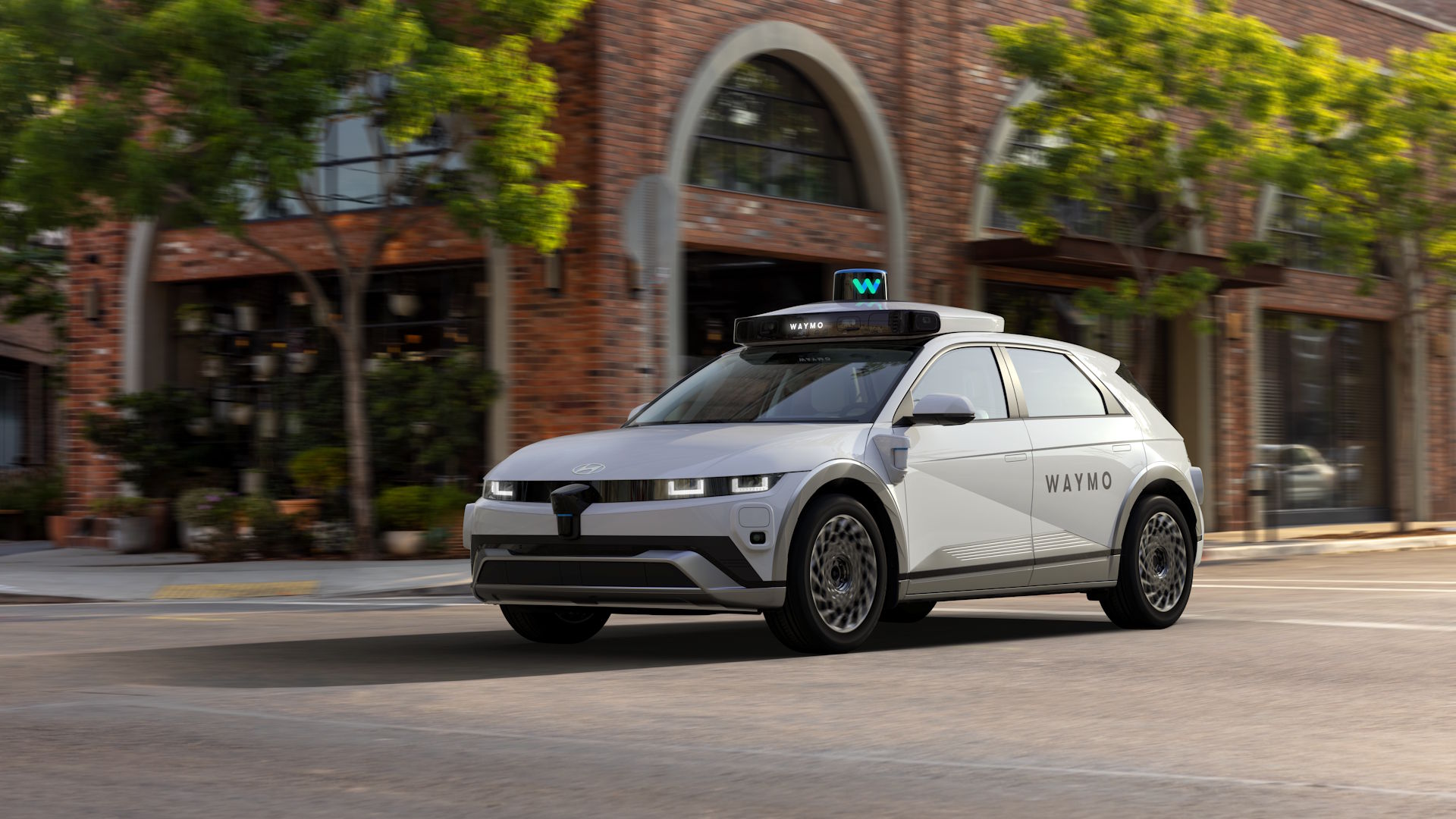
To a certain extent, this is what they have been trying to do in San Francisco for years. The city embarked on a pilot program in 2011, designed, with the use of apps, to offer drivers real-time information on how to find available parking spaces. Although it is still too complicated to quantify the results, there does seem to have been a clear improvement in traffic flow. In the specific case of San Francisco, some believed the parking problem would be solved "solely" with autonomous vehicle technology. However, recent studies suggest that there would have to be a major consolidation of autonomous vehicles for this to have an effect.
Towards a broader concept of Smart Parking
The best evidence that AI is providing positive parking solutions is that companies offering real-time parking technologies in cities have grown rapidly. Some of the most successful of these started with a crowdsourcing base to inform users in real time of where the cheapest places to park were located.
Examples of this are SpotAngels or Parkopedia. The latter offers its services in more than 20,000 cities and the most valuable information it holds thanks to its business area is allowing it to associate with over a dozen major automotive firms hoping to share a piece of this cake.
Although the advantages are undeniable, smart cities still have some outstanding debts that they cannot solve simply with apps and which are also related to arbitrary planning in terms of parking spaces. In terms of parking, a balance needs to be achieved between the available technology and real urban priorities in areas such as sustainability or privacy.
Images | Freepik/evening_tao, Parkopedia