



Table of Contents
Author | Lucía Burbano
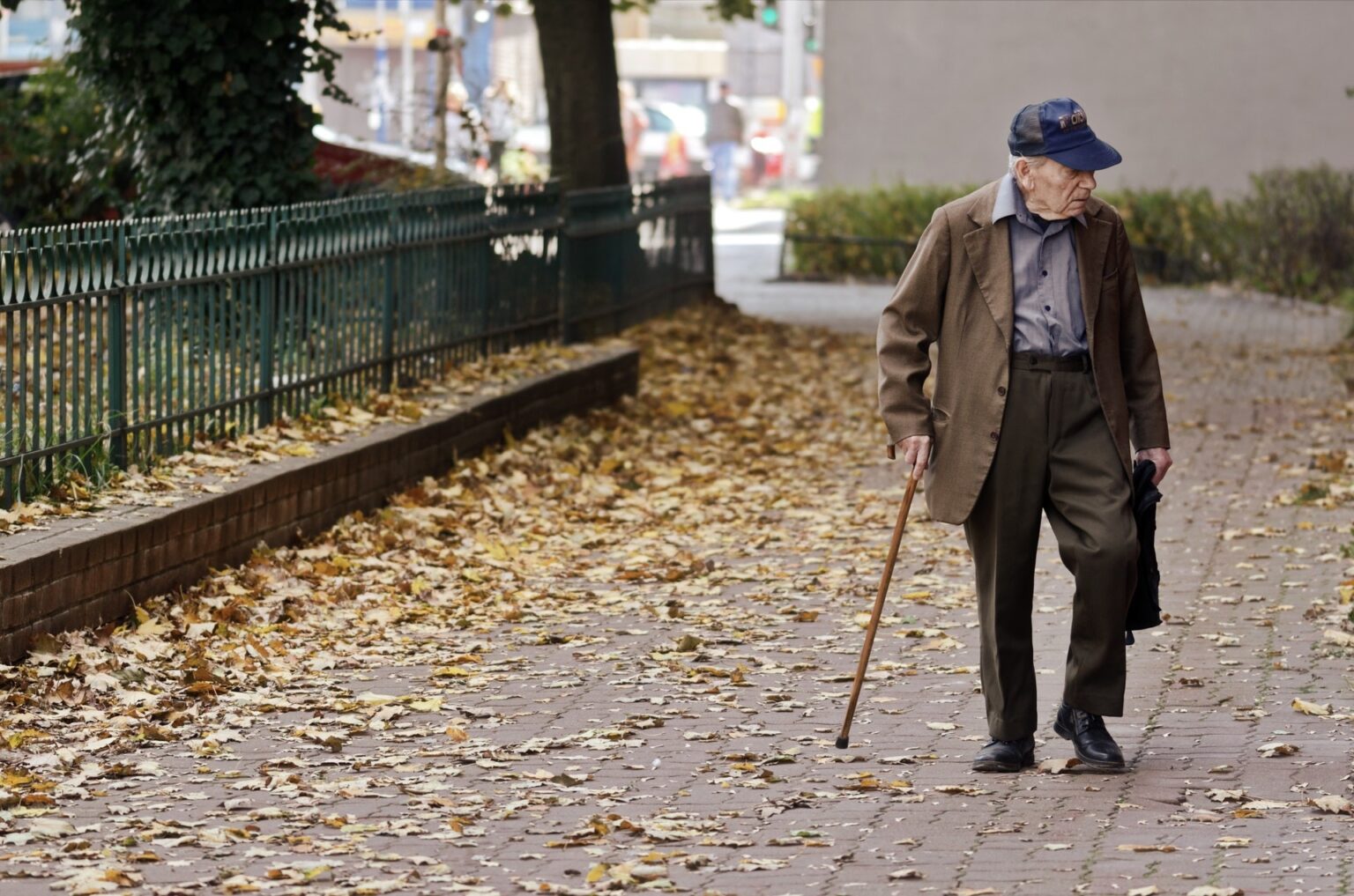
Despite living permanently connected and surrounded by other people, an increasing number of people are feeling lonely. The situation has reached such a point that loneliness could reach epidemic proportions by 2030 unless measures are taken. What are cities doing in this regard?
Loneliness, a contemporary emotion
Loneliness is the feeling of distress that results from a discrepancy between one’s desired and actual social contact. It can have a detrimental effect on both our mental and physical health and lead to many health conditions including depression, alcoholism, cognitive decline and heart disease.
In fact, while air pollution, obesity and excessive alcohol use increase a person’s risk of death by 6%, 23% and 37% respectively, loneliness can increase this risk by as much as 45%.
Greater loneliness in cities
A study published in Nature sheds some light on the impact urban life has on its residents. Researchers developed a mobile app called Urban Mind, based on a methodology called ecological momentary assessment. It consists of randomly sending messages to participants, inviting them to answer questions.
The questions included where they were at that particular time, what their surroundings were like and how they felt. Data was obtained from 756 people who completed 16,602 assessments around the world.
The study found that overcrowded environments increased loneliness by up to 38%. Another study commissioned by the city of London identifies key aspects that increase loneliness in cities:
● Living below the poverty threshold
● Being single or living alone
● Being disabled
● Going through life changes
● Prejudice or feeling different
Tools to detect (and overcome) loneliness

Cities have the capacity to offer something for everyone, provided they adopt an inclusive strategy.
These are some solutions that cities can adopt to combat loneliness.
Greater citizen participation
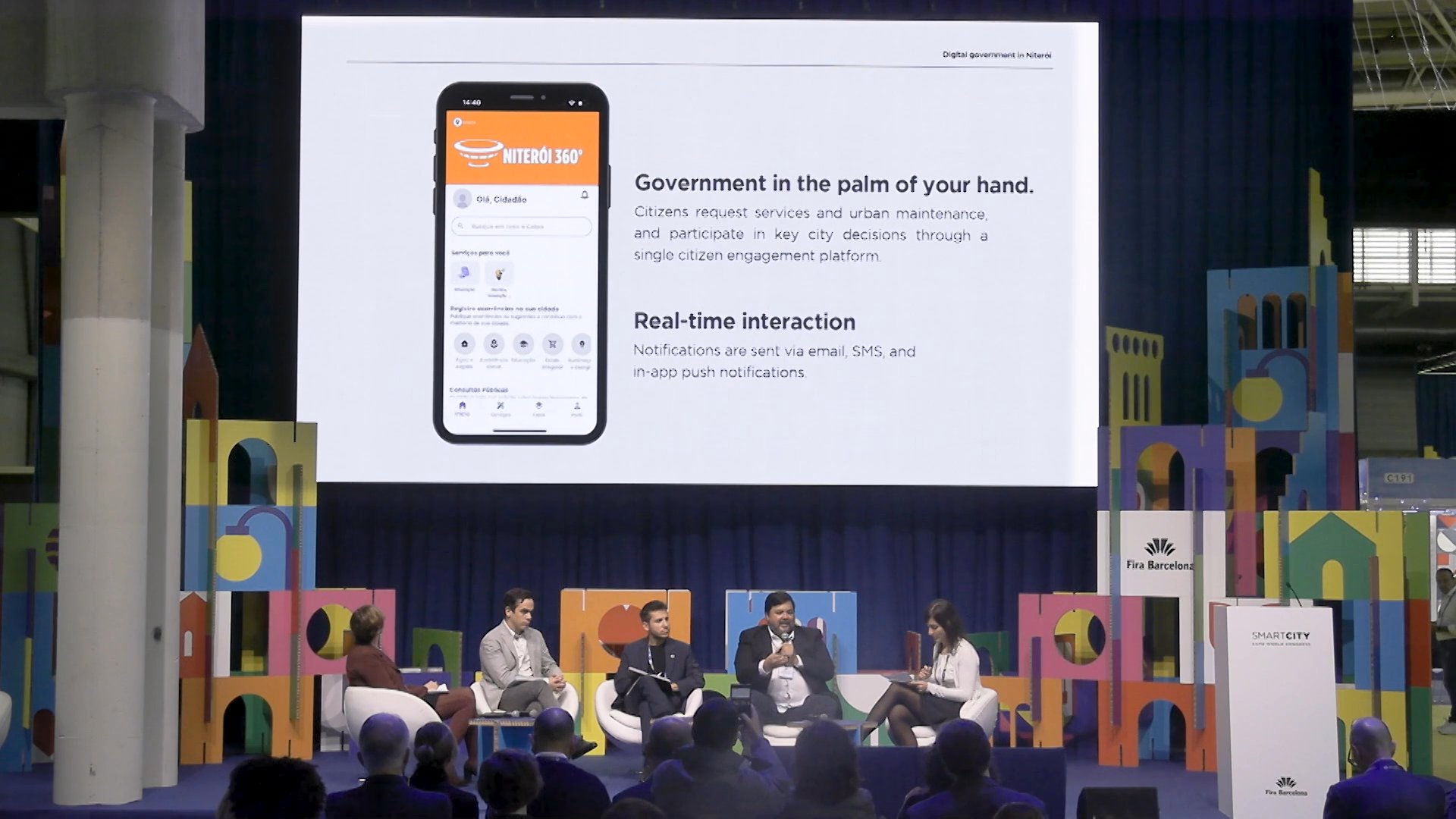
It is practically impossible to design an inclusive city without involving its residents. Today there are methodologies such as participatory budgeting tools and digital tools to enable more people to provide their opinions and offer solutions to common problems.
Friendlier public services\
City councils should consider the possibility of incorporating more "friendliness" into their relationships with residents; a simple conversation about a subject that concerns them or helping them to complete forms, are some measures identified in the study conducted in London.
Housing with more shared spaces
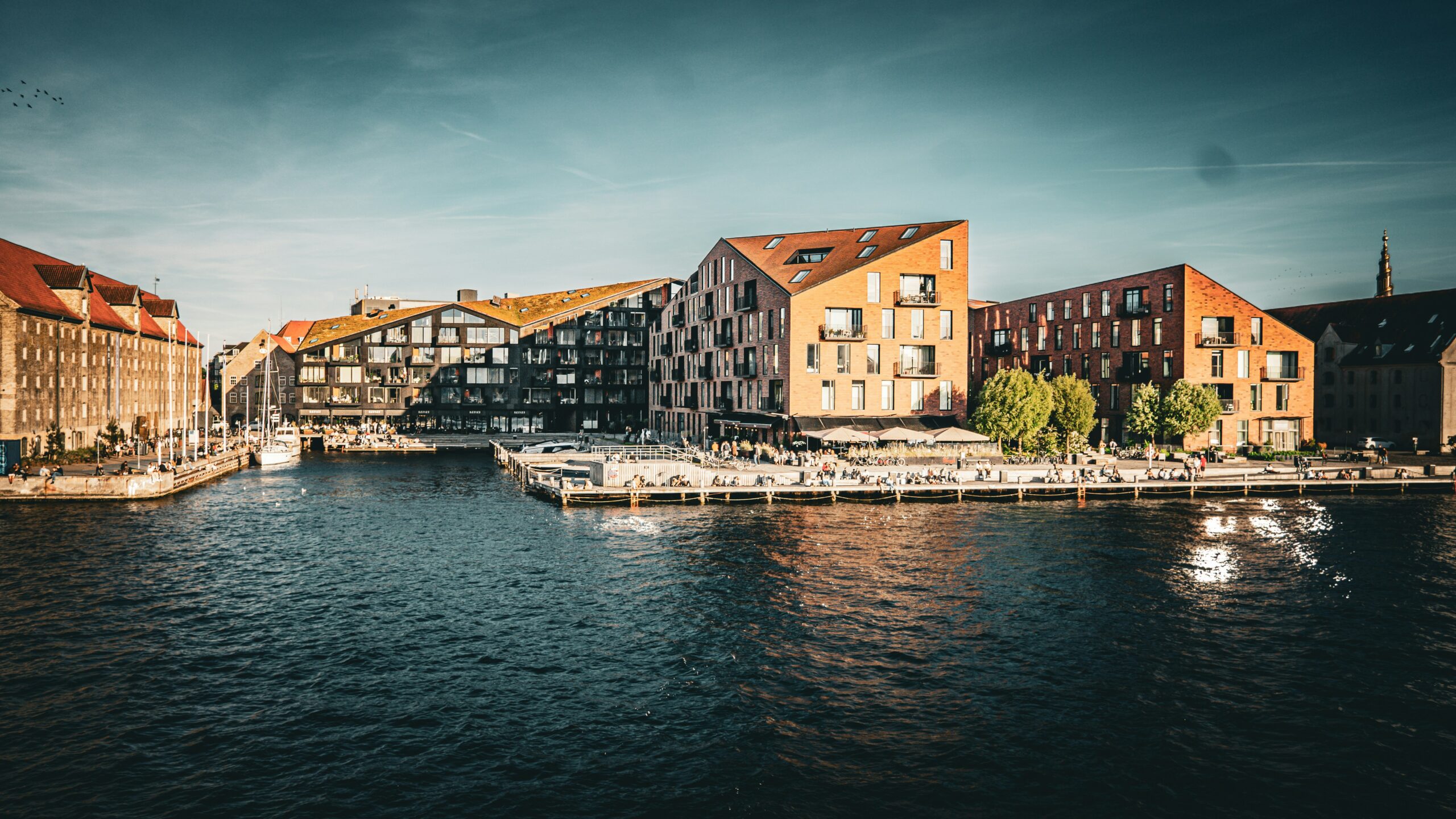
Housing models that emphasize shared spaces, such as usable interior patios and play areas for children where families can meet up, improves socialization among residents.
Cities that are combating loneliness
Pau, France
In 2018, the city organized five workshops and invited associations, citizens and government representatives to reflect on the existing initiatives to combat social isolation, but also new initiatives that could be implemented based on real situations.
The team presented, for example, the case of a young man with a visual disability who lives with his parents and suffers from loneliness. The participants were then asked to propose solutions to help him.
Barcelona
Radares is a community action program launched in 2008 in the Gràcia district to try to prevent unwanted loneliness. It is a network made up of neighbors, business owners and local chemists that keep a watchful eye on the elderly to ensure their wellbeing in the neighborhood. If any changes are detected, they can contact those responsible for the program who, in turn, will contact social services.
Photographs | Unsplash/Samuel Austin, Unsplash/Semina Psichogiopoulou