



Table of Contents
Author | M. Martínez Euklidiadas
Ghost kitchens are foodservice businesses that offer almost exclusively online, home delivery services. They do not have waiters or an establishment in which customers can dine and they are having a serious impact on the neighborhoods in which they are based. Do these new urban stakeholders have a future?
What is a ghost kitchen?
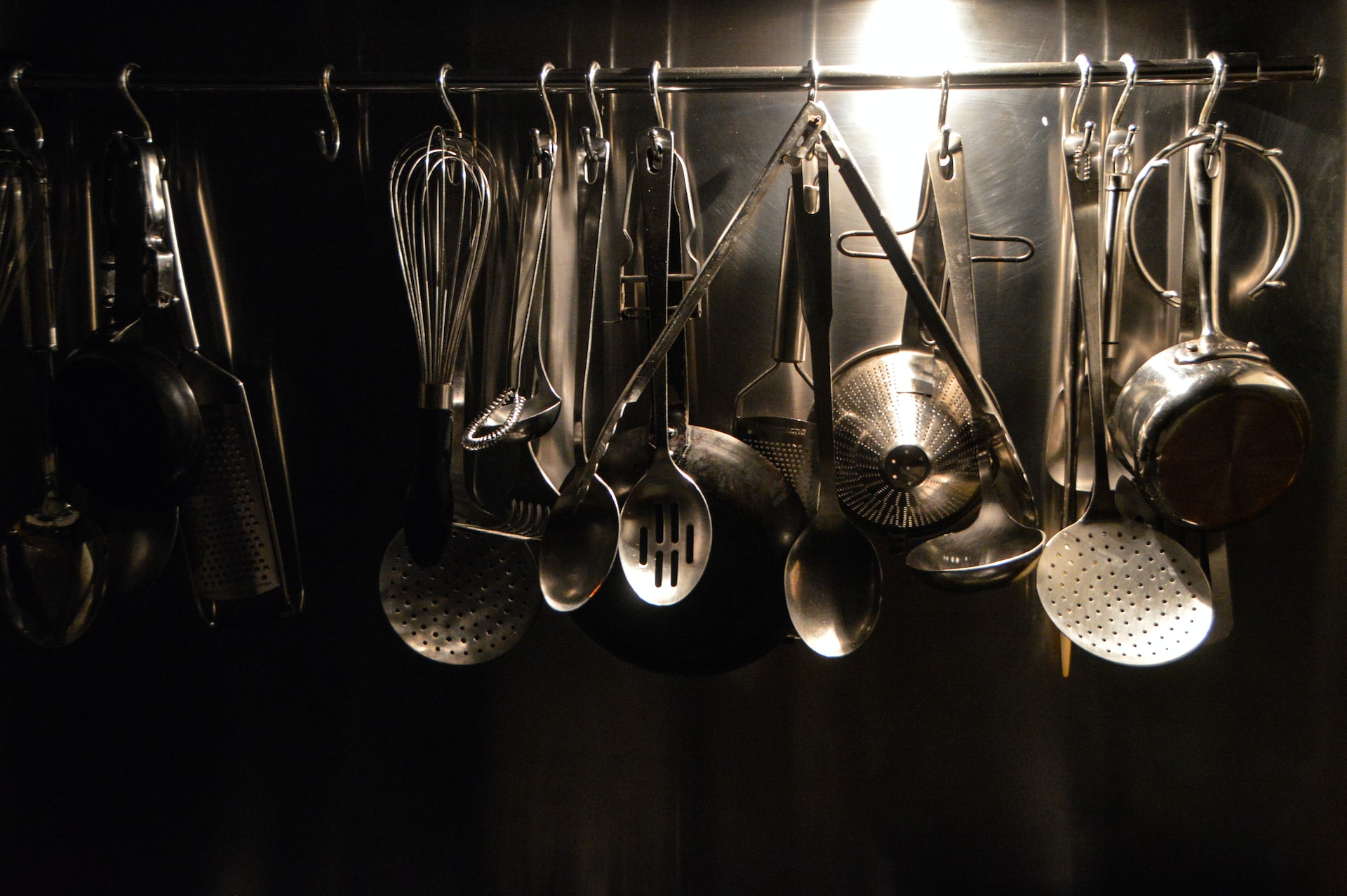
Ghost kitchens are a type of restaurant without a storefront or an on-site dining space, without tables or chairs, and often closed to, and shielded from, the public. They are industrial kitchens and establishments offering home delivery and take away services.
These kitchens are often referred to as dark kitchens given their opaque nature: they are not sit-down establishments and they are located inside buildings near residential areas. They are also known as virtual restaurants since food is only available via digital ordering and they are not open for physical use.
Ghost kitchens emerged during the COVID-19 pandemic.
Ghost kitchens have existed for decades, although the rise in home delivery services came with the COVID-19 pandemic, when people stopped visiting restaurants due to the fear of infection and this has led to a boom in dark kitchens, often generating problems among the residents who are subjected to the external factors of such businesses.
(Business) benefits of ghost kitchens
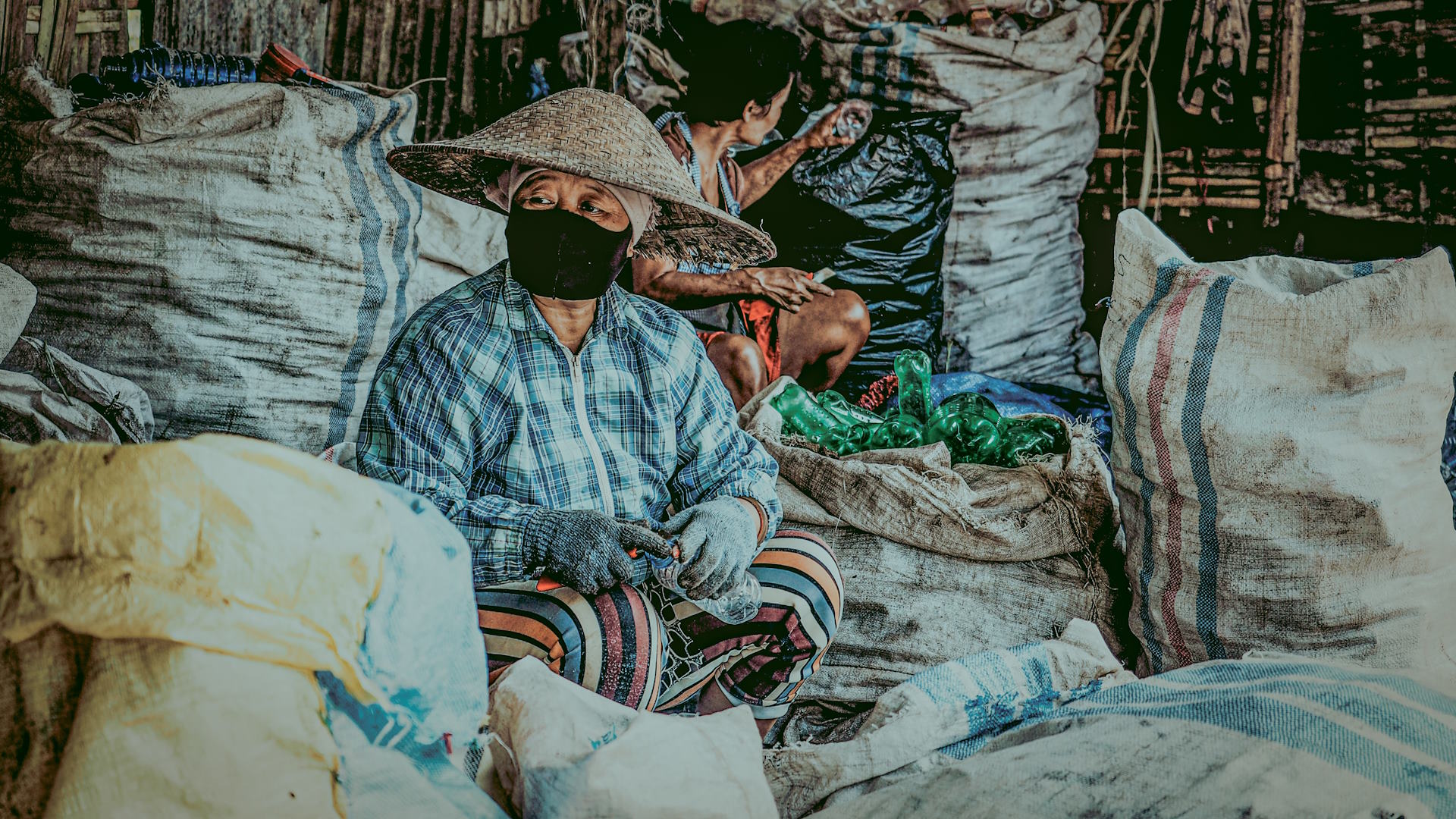
The advantages of ghost kitchens apply mainly to the businesses operating under this format, in the shape of savings through the use of industrial processes in making the food; together with not having to invest in space for customers; and being based on the criticized home delivery model, which is particularly dubious and classified as "systematic exploitation and appalling working conditions" in scientific articles in India, Italy, Australia, France, Germany, Norway, United Kingdom and EU-27 and, generally, everywhere.
The serious social problems of ghost kitchens
 Ghost establishments invade sidewalks with their transport vehicles, hindering access for vulnerable groups.
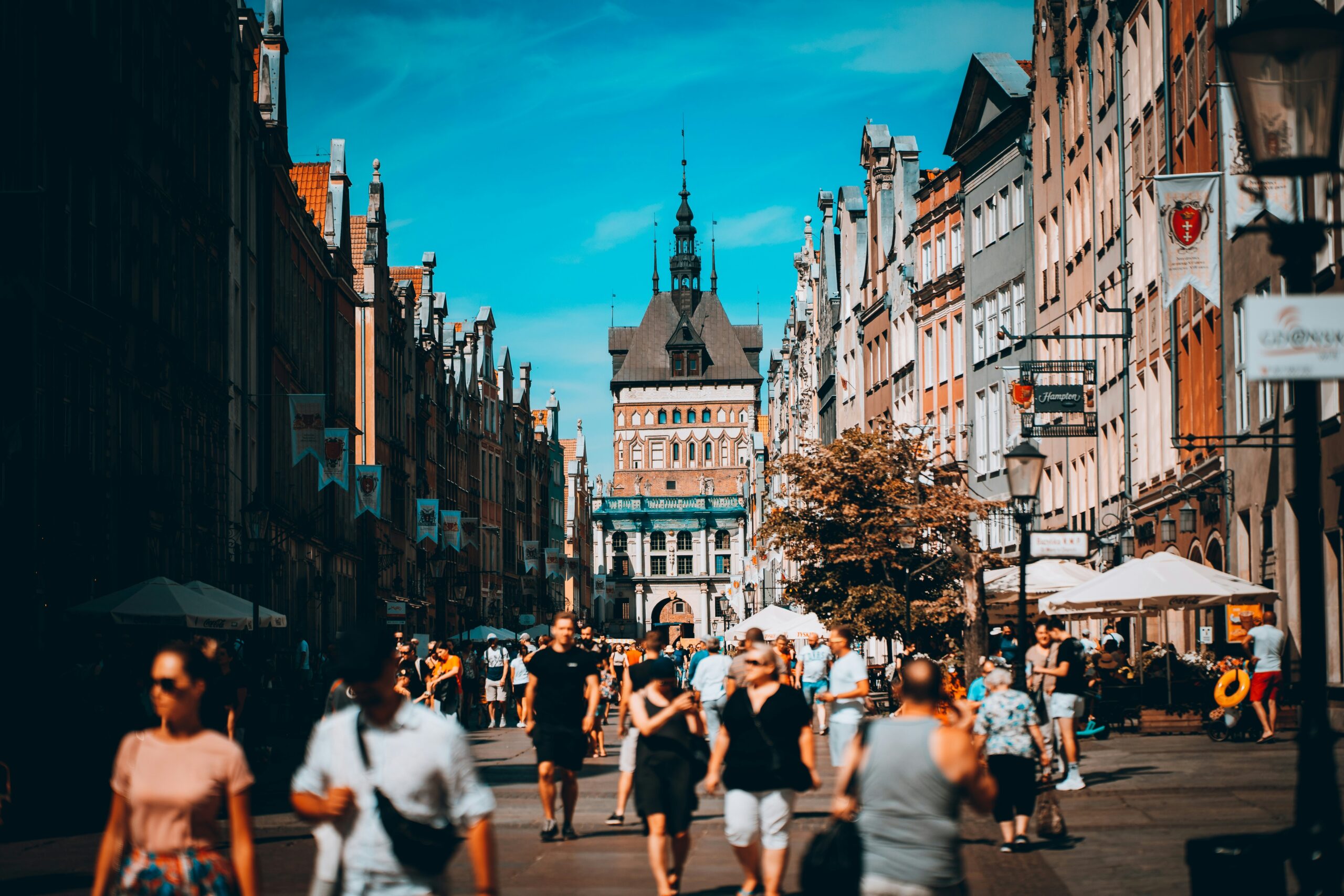
The disadvantages of ghost kitchens are mainly related to the external factors affecting residents, with a focus on noise, which also occurs with ‘ghost stores’ (photograph). Residents have to live with the impacts including constant road traffic noise, more commonly associated with industrial environments, and often emissions of these mass processes through chimneys.
Some cities have even seen an increase in the price per square meter when these types of businesses emerge and areas become a hub for suppliers, although, fortunately, this is not the norm.
Given the considerable inconvenience of this industrial use of land for residents (which includes fire breakouts due to the use of fuels), many cities are refusing licenses and even banning this industrial activity from being conducted in residential areas.
There is no doubt that ghost kitchens are here to stay, due, initially, to the lack of regulation concerning delivery services, and subsequently to the generalized adoption of the model. Although the on-demand food model has a series of impacts that need to be dealt with internally by the companies, the truth is that the ghost kitchen formula is also possible in the industrial arena.
With the rise in teleworking, lack of time, convenience or a lack of alternatives, some companies are offering food delivery services in weekly packages, allowing them to locate their activity away from residential areas and thus reduce the impact of their activity on the neighborhoods. In both cases, regulation seems to arrive after the deployment of the activity.
Images | henry perks, Marcos Martínez (CC0)