



Author | Lucía Burbano
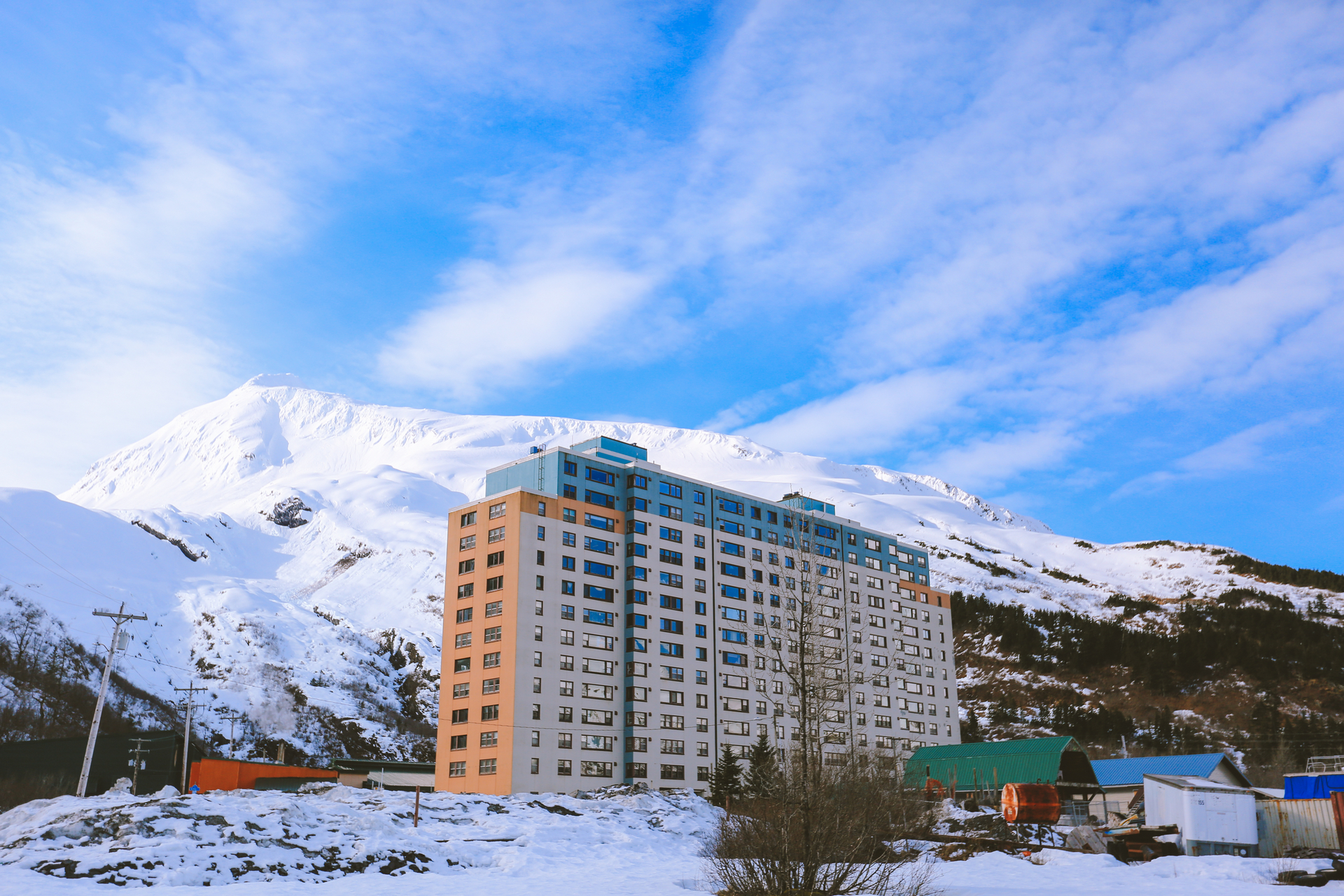
A town that lives in one building or a building in which an entire town lives. The story of the town of Whittier and the Begich Towers condominium is, at the very least, unique. The 14-story building is home to a church and even the mayor’s office and its history is related to the army.
Could this peculiar case be an example of extreme, yet, well understood, urban density?
Whittier’s military past
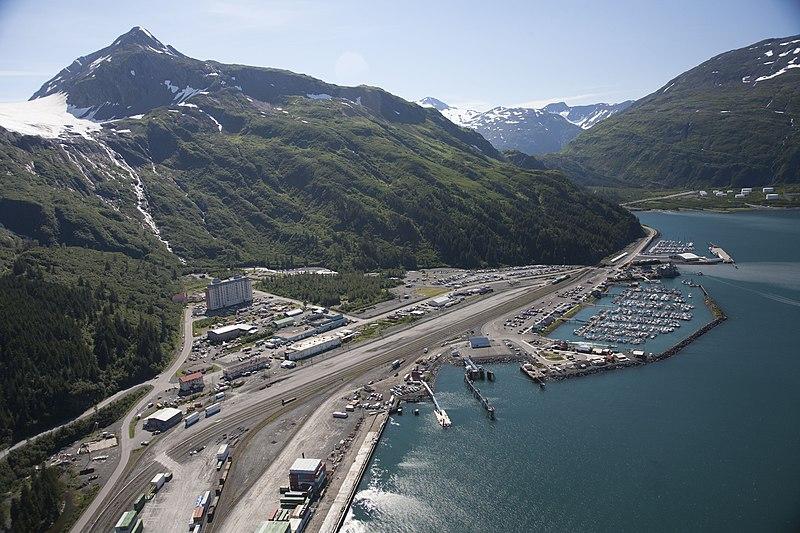
The story of Whittier, located in Southern Alaska, began after World War II and it has literary shades, including its name. In 1941, Simon Bolivar Buckner Jr, Commanding General of Alaska’s Defense Command, was looking for a place to build a secret military facility to transport troops and cargo to Anchorage and Fairbanks, where they were building aerodromes and strategic military facilities.
Whittier fulfilled three requirements: access to an ice-free deep-water port, natural protection against air attacks and a topography that was radar unfriendly.
The military detachment was christened H-12 and it accommodated over 1,200 people. Its existence was kept secret: civilians and photographers were not allowed to enter. Apart from barracks, it had a dining area, theater or chapel, all built from wood and railway infrastructures and a port.
When the war ended in 1945, the dismantling of the infrastructure was planned. However, there was an about-turn: the beginning of the Cold War with the Soviet Union in 1947, led the U.S. army to decide to strengthen the military unit. Plans were put in place to house over 1,000 members of the army in the so-called “city under one roof”.
The result was the construction of the six-story Buckner building, with its own bowling alley and even a prison. In 1957, the 14-story Hodge building was constructed, designed to accommodate even more military personnel.
The military withdrawal began in 1964, when an earthquake caused significant damage to the port and railway. While the Hodge building (re-named the Begich Tower) continued to be used, the Buckner was abandoned.
It adopted the name of Whittier at the end of the war, in honor of the 19th century American poet John Greenleaf Whittier.
Whittier today
The connection between this community and war veterans remains strong. According to Data USA, Whittier has a notably high number of residents who served in Vietnam, three times higher than in any other conflict.
Other interesting data show that in 2023, the median age in Whittier was 29.8 years, and the median household income was $57,188, an increase of 17% from 2022, when it was $48,828.
Whittier’s economy employs 220 people. In 2023, the most important industries were transportation and warehousing (39 people), followed by real estate (36 people) and manufacturing (30 people).
That same year, the median property value was $83,500 in 2023, just 0.275 times the national average of $303,400. The homeownership rate in Whittier is 35.3%, also below the national average of 65%.
Notably, the average commute time is just 6.74 minutes, which explains why 27.9% of residents choose to walk to work and why the number of cars per household is below the national average, with an average of one car per household.
Why just one building?
In 1973, the residents of Whittier voted in favor of purchasing the military facilities that included the entire main area of Whittier and the Begich towers, then called Hodge.
Today, the town has 247 residents, 180 of whom live in the towers. The rest live in Whittier Manor, with 80 apartments. Since the abrupt drop in population during the 1960s, when the military personnel left, the population has remained relatively stable, with slight signs of growth.
For several years, oil magnates lived in the Begich Towers. However, when oil prices collapsed in the late 1980s, Whittier’s composition changed. More recently, residents from American Samoa, Guam, the Philippines, and Hawaii have settled there.
In an interview, some tower residents argue that the weather conditions of Whittier (winds of up to 96 km/h, 6 meters of snow and average temperatures of -21 ºC in winter) justify that peculiar and sought-after confinement.
This unique community has its own rules. In the FAQ section for new tenants of the Begich Towers, it is specified, for example, that electricity, water, and sewage are included in the monthly fees, and that trash must be placed in containers on the second floor, with a maximum weight of 11.3 kg.
Begich Towers also offers storage units and laundry facilities (two per floor), although access to both currently requires joining a waiting list.
Building program
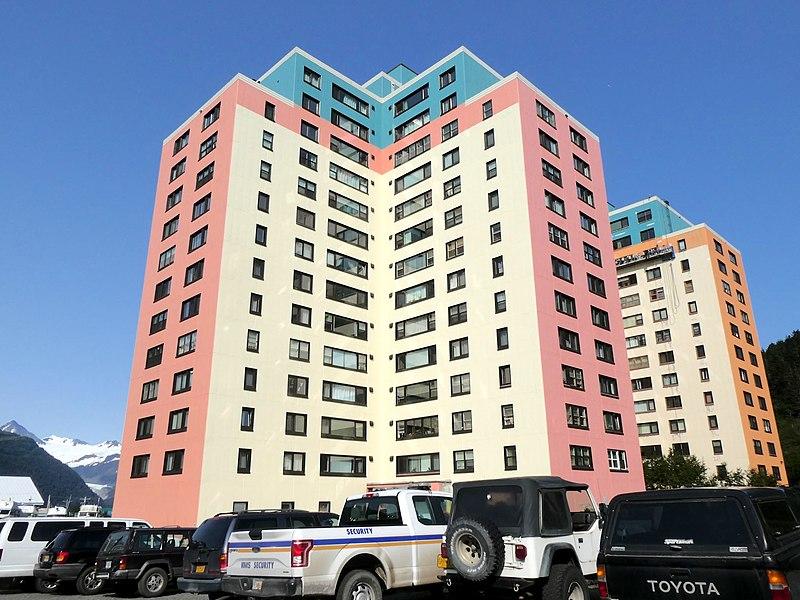
The Begich towers, a colossal building of little architectural interest, is made up of three interconnected modules, each with 14 floors.
The towers are made up of 197 apartments, located on the upper floors. Three floors accommodate shopping areas and offices and there is a small medical clinic on the third floor, for example.
Other typical services seen in any town are a post office, a grocery store, the police department and the mayor’s office. It also has its own small Methodist church, a laundromat and a hotel on the 13th and 14th floors.
Other services typical of any town include the post office, located in the east wing and offering P.O. boxes for local residents, a grocery store, the police department, and the mayor’s office. The building also houses a small Methodist church with two services on Sundays, a laundry facility, and a hotel on the 13th and 14th floors.
For the approximately 50 children, the building is connected to a school via an underground tunnel. The network of corridors and elevators connect the entire building.
Disadvantages of living in Whittier
The residents themselves mention some disadvantages of this peculiar building, including:
The functional nature of the tower
The Begich towers are practically the same as those built in 1954, in a style that was not designed to house civilians. The metal wardrobes and original countertops still remain in place, together with the green military color.
There are two boilers for 180 people…
…And one of them broke. They had to be replaced and a third one was added, as part of a $3 million grant from the U.S. Department of Agriculture to give the towers a facelift.
Begich Tower, example of urban density?
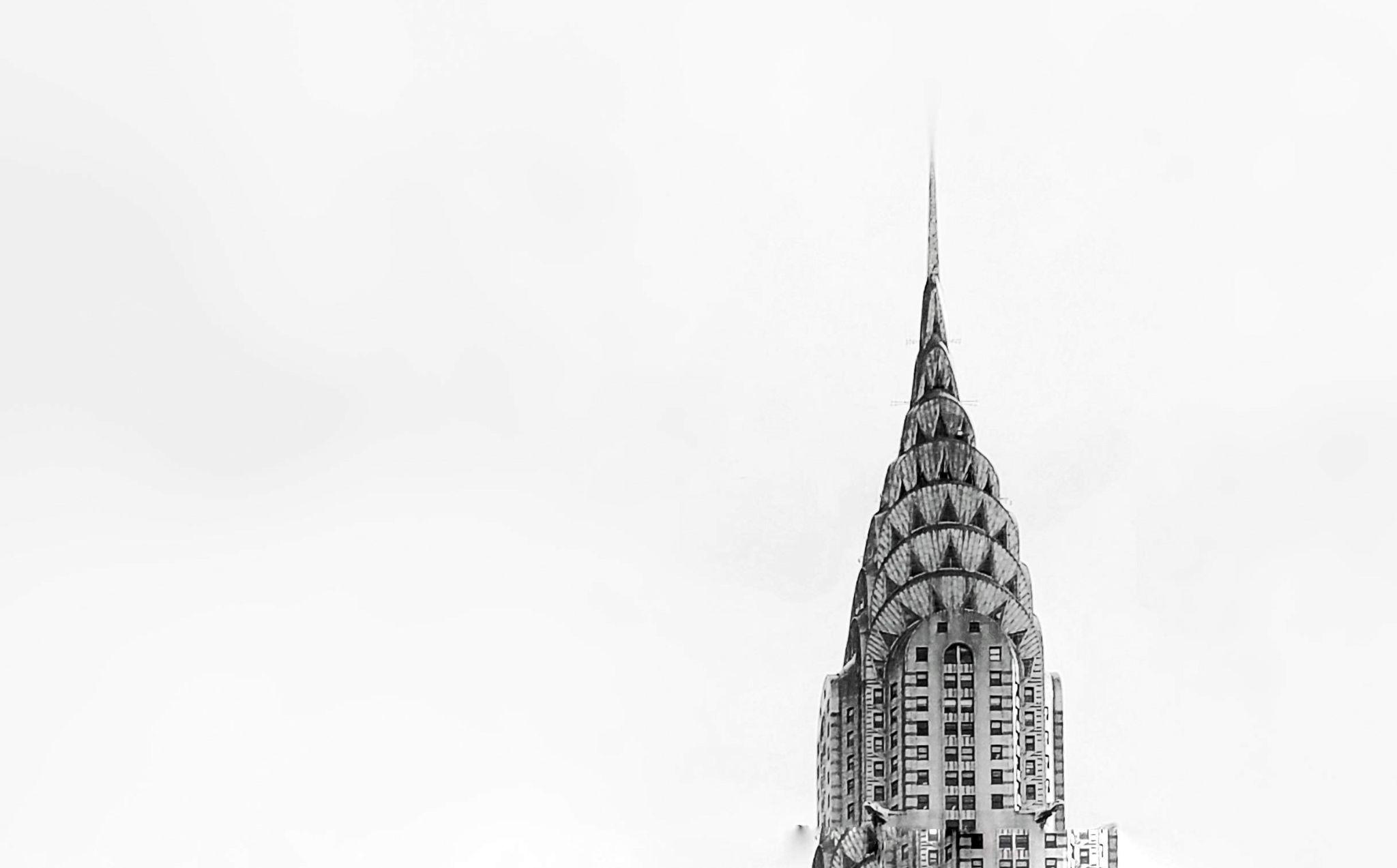
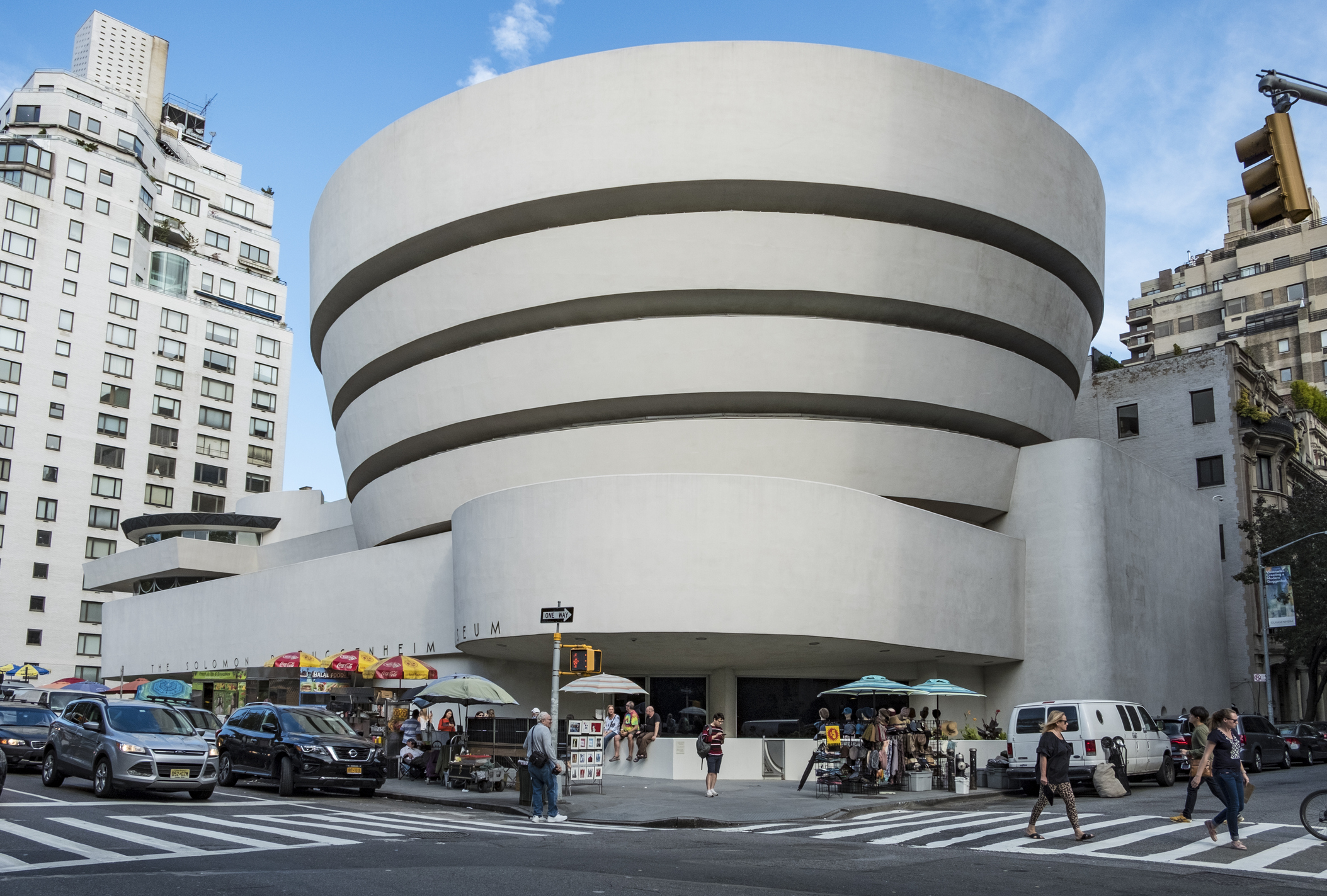
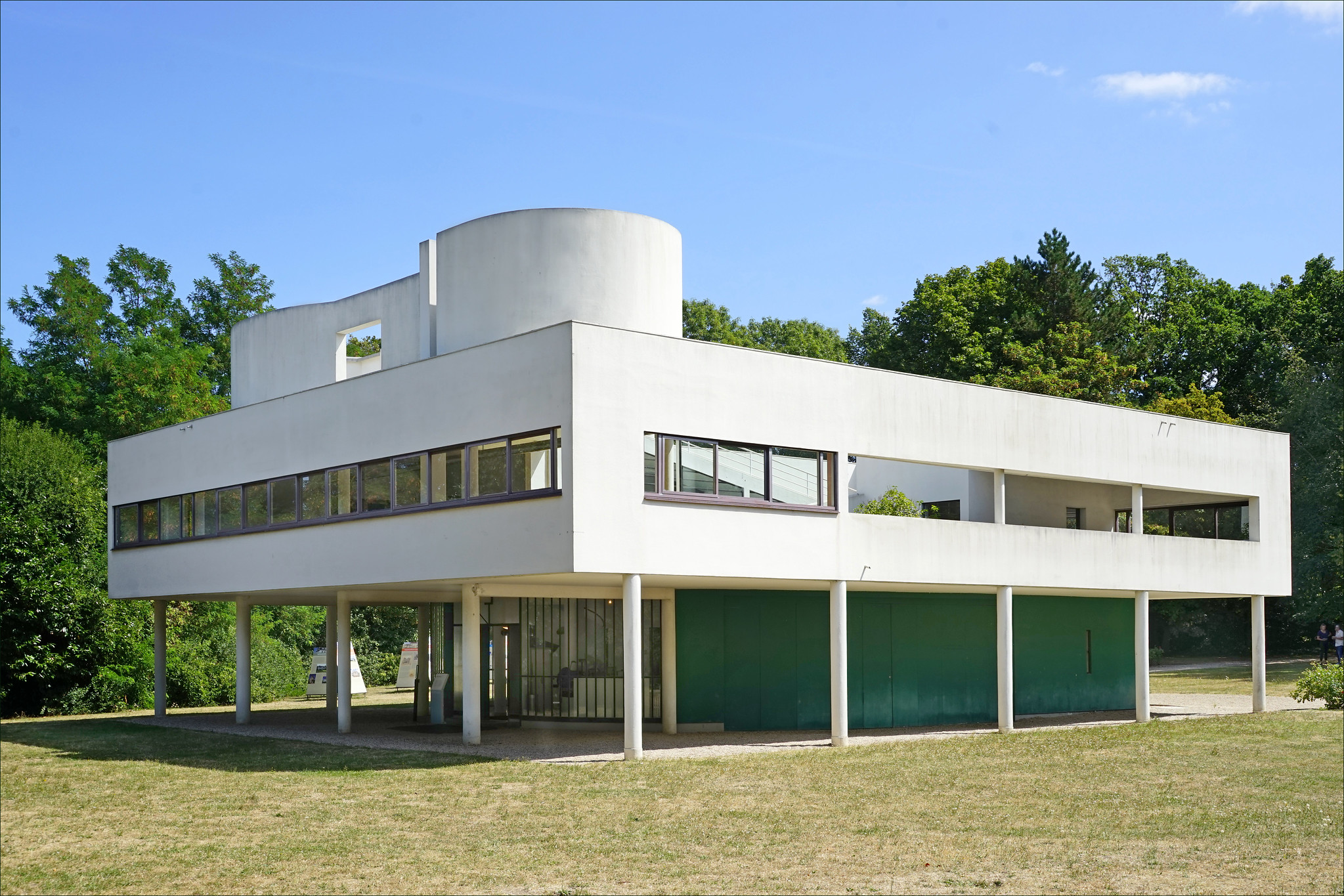
The Alaskan buildings bring to life what architects like Le Corbusier or Frank Lloyd Wright imagined. The housing units of the former and the Utopian design of the skyscraper The Illinois of the latter sought, precisely, to compact various programs into a single building.
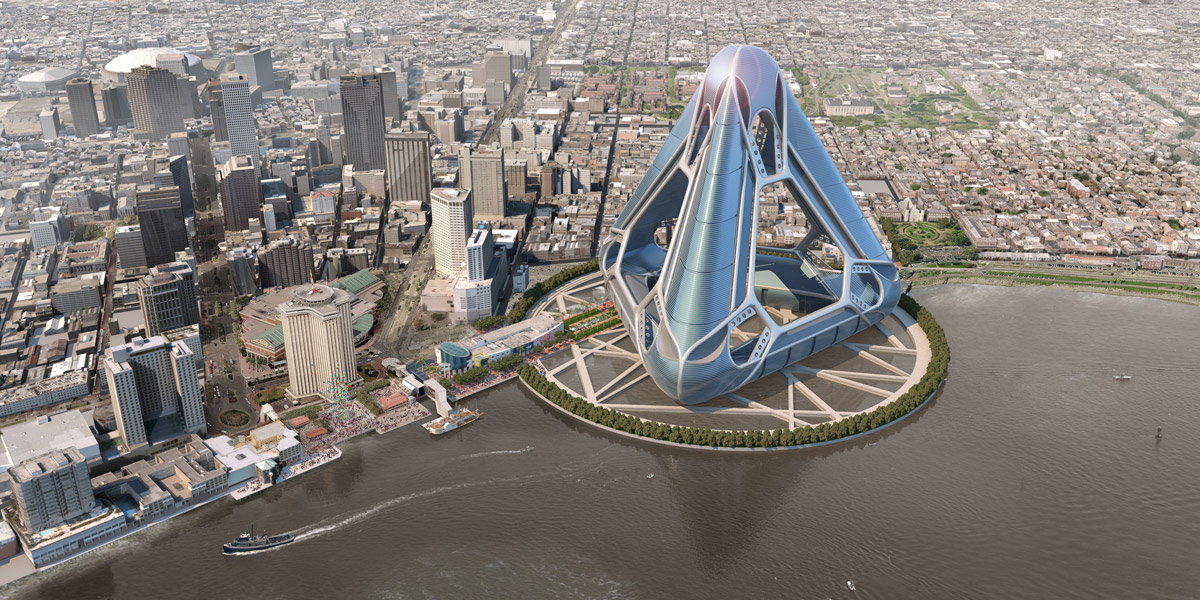
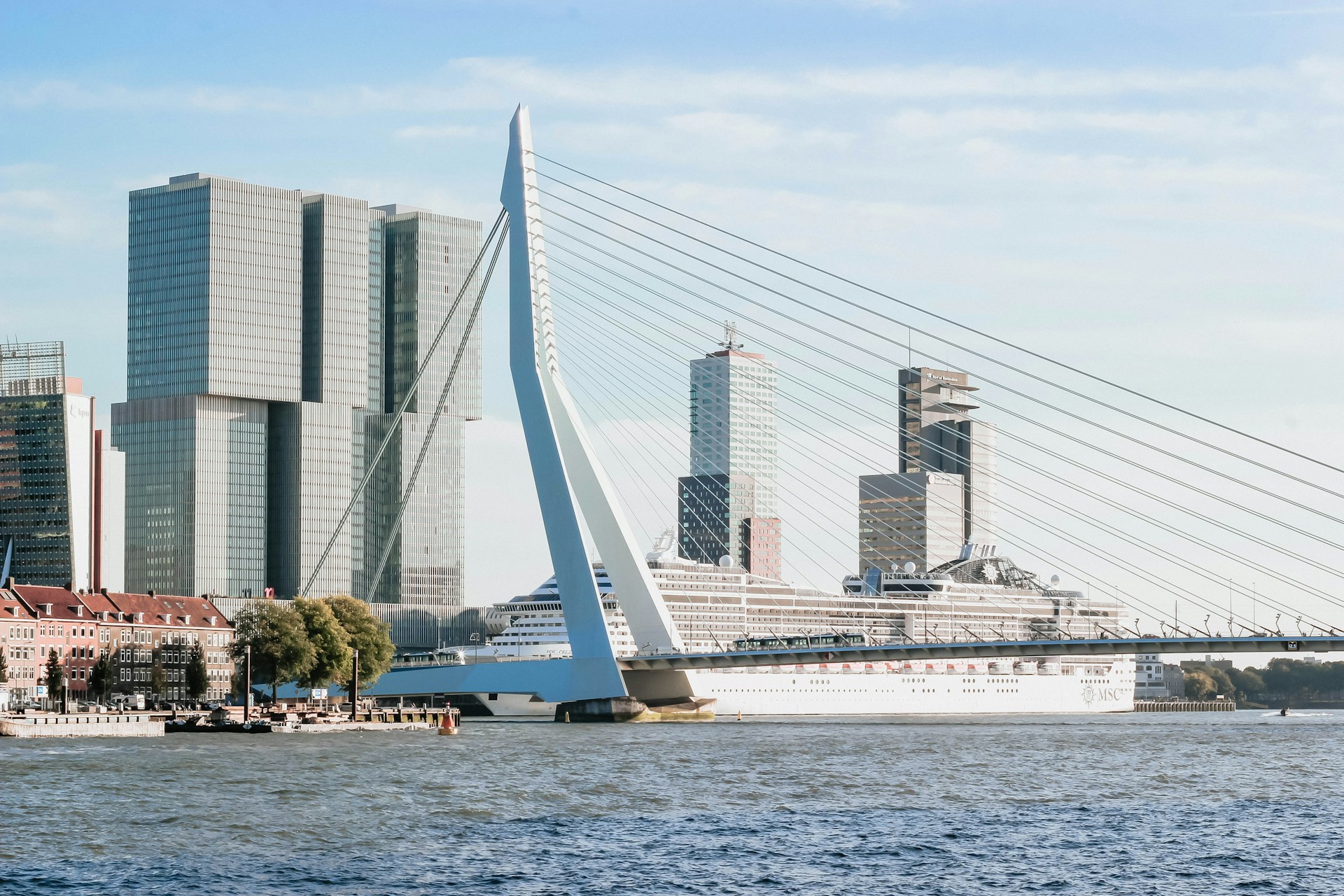
The most recent De Rotterdam skyscraper complex by Rem Koolhaas, which has residences, offices, a hotel, and restaurant, does not reach Whittier’s ‘whole city’ goal either. Is it the solution to urban density? Some people defend that it is actually an example of arcology, a model that proposes radically reorganizing the urban landscape to promote density, integration, and three-dimensionality in the city, while achieving a balance between human activities and the environment.
Visiting Whittier
The main access is by road, crossing the Anton Anderson Memorial Tunnel, a mixed tunnel (vehicles and rail), which passes under Maynard Mountain. It has two interesting features. On the one hand, with 4 km, it is the longest in North America. The second, it is a one-lane tunnel and trains only move through the tunnel in one direction at a time therefore, the journey between Bear Valley and Whittier and vice versa is regulated with a series of times, during the summer, the tunnel is open from 5:30 a.m. to 11:15 p.m., and in the winter, from 7:00 a.m. to 10:45 p.m. There are no exceptions to this rule.
The town also has a port, used by cargo ships, cruise ships, commercial fishing boats, and hundreds of vessels carrying recreational boaters, sport anglers, and tourists. It is an important part of the Alaska Marine Highway System, using Whittier as a terminal for its central-south routes and as a connection to the railroad that transports goods and passengers in and out of the city.
In summer, Whittier changes. Between May and September, cruise ships stop there for two and three days of the week to enjoy the glaciers and the nature in the area. In 2016, according to the most recent figures available, up to 129,894 passengers arrived by this mode of transport.
Looking ahead, this unique town is implementing a mobility plan called the Whittier Moves Transportation Master Plan. Its goal is to develop the area with opportunities for tourism and freight growth, as well as to propose short-term solutions to ease bottlenecks.
To carry it out, authorities are adopting a participatory approach, inviting residents, visitors, business owners, and anyone else interested in Whittier to share their opinions on the plan by completing a survey.
Photographs | Wikipedia Commons, Wikipedia Commons, youli zhao/Shutterstock