



Author | Elvira Esparza
In response to the challenges posed by urban growth in areas such as mobility, housing, public services, and the environment, smart cities emerge as a solution by linking technology with urban development. The goal is to create urban areas that are more sustainable and connected, promoting growth beyond mere numbers.
What Is the Link Between Smart Cities and Urban Development?
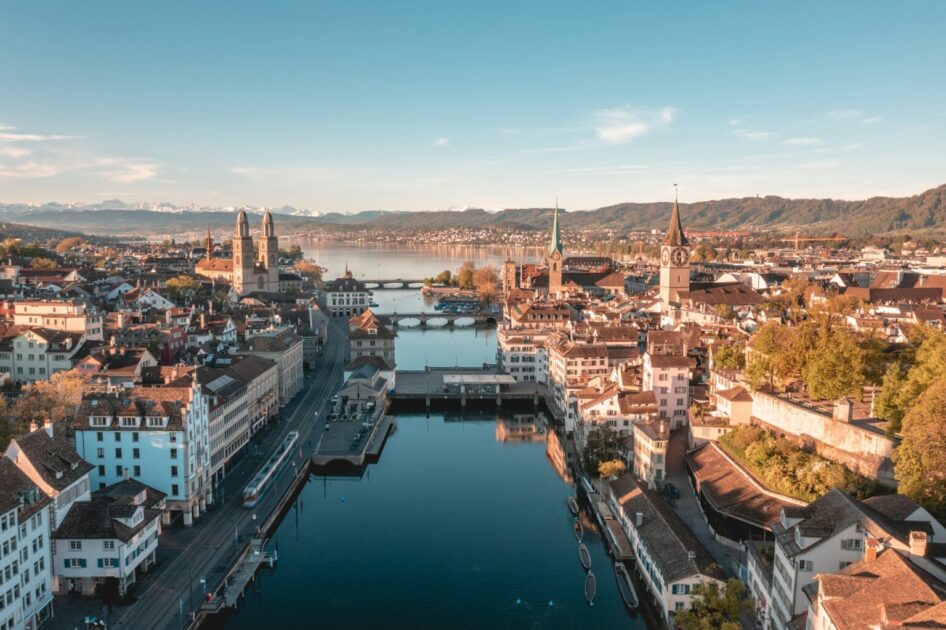
Smart cities are intricately linked to urban development, as they use technology to optimize the management of services, resources, and infrastructure, aiming to balance the needs of people, institutions, and the environment.
Definition and scope: integrating technology into city growth
Integrating technology into urban growth involves incorporating digital systems, sensors, data networks, and intelligent tools into city infrastructure and services to enhance efficiency and sustainability.
Why urban development strategies are key for smart cities
Urban development strategies are key for smart cities because they integrate infrastructure, governance, sustainability, and citizen engagement, along with technology.
Key Areas of Smart Urban Development
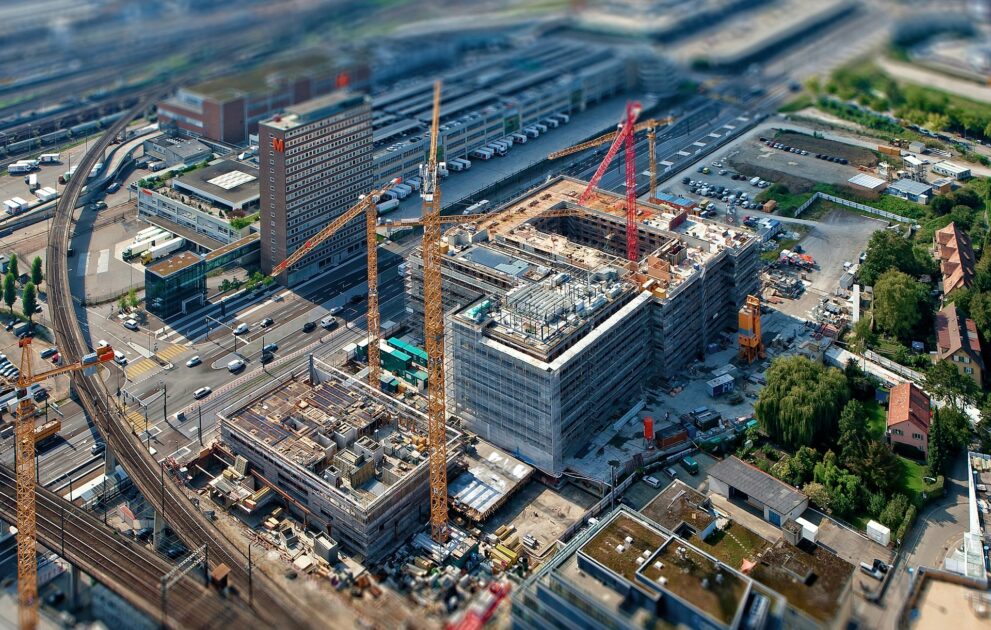
Smart mobility and transport systems for growing populations
Mobility is a major challenge in growing cities, addressed through intelligent transportation systems (ITS) that integrate real-time data and platforms to optimize traffic and improve public transit. Smart traffic light management and shared mobility apps enhance transportation efficiency and accessibility while reducing emissions.
Green infrastructure, housing and sustainable planning
Green infrastructure plays a key role in climate change adaptation, risk management, and improving urban well-being. Smart urban development integrates sustainability criteria from the planning stage, using digital tools such as geographic information systems (GIS), urban digital twins, and urban simulation models.
Regarding housing, the focus is on energy-efficient designs that consider balanced density and proximity to essential services in the planning process.
Digital services, governance and inclusive participation
The digitalization of services enables more transparent, citizen-focused urban management. Through open data platforms, e-government, and digital participation channels, citizens actively engage in decision-making. This promotes inclusive governance and helps reduce digital divides.
Resilient utilities: water, energy and environmental systems
Smart energy grids, water consumption monitoring, and environmental risk alert systems improve the efficiency and capacity of water, energy, and environmental management services. Early fault detection, optimized consumption, and the integration of renewable energy into the energy mix create more sustainable urban models.
How to Align Urban Development with Smart City Goals
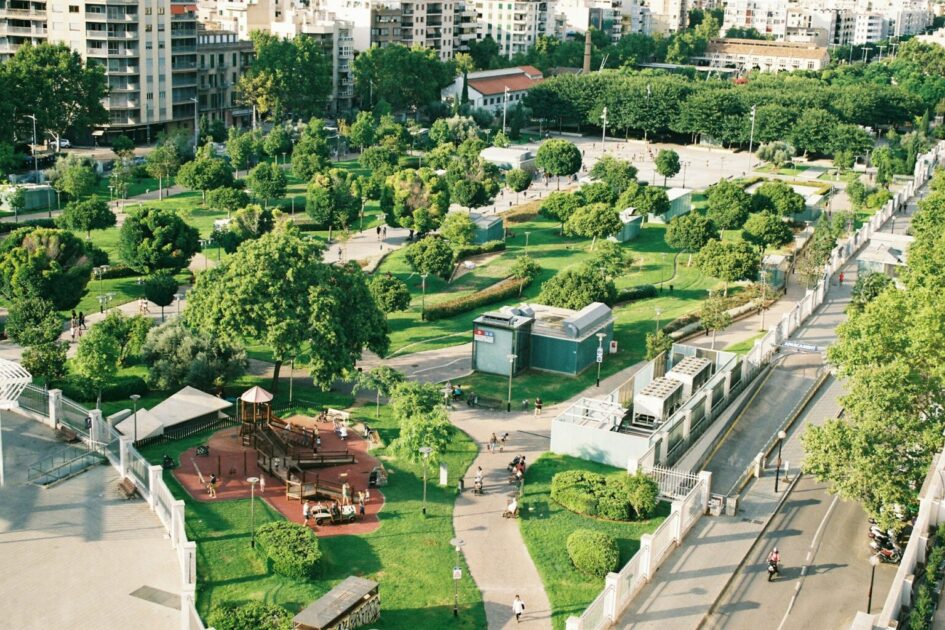
Aligning urban development with smart city objectives is not achieved by implementing isolated digital solutions alone; it requires planning the integration of urban policies and infrastructure.
Essential criteria: scalability, adaptability and citizen focus
To assess alignment between urban development and smart city objectives, the following criteria should be considered:
- Smart solutions must grow and adapt to changing environmental conditions. In urban development, this is achieved by designing infrastructure and services with open, interoperable architecture based on standards.
- The ability to adjust strategies, technologies, and policies to changing conditions such as climate or demographics. Smart cities use predictive models to update mobility, energy, or land-use plans without requiring radical redesigns.
- Citizen focus. Urban policies and projects must address the real needs of citizens, not just technology. Programs like UN-Habitat’s People-Centred Smart Cities emphasize including citizens in digital transformation and ensuring their meaningful participation in urban decision-making.
Common mistakes to avoid in mobility-driven urban projects
The most frequent mistakes are related to failing to meet the essential criteria of urban development:
- Prioritizing technology over citizens. Projects that focus on technology without clear links to measurable urban goals, such as improving accessibility or reducing emissions, risk missing their purpose.
- Ignoring land-use planning. Transportation projects that are not integrated with land-use planning can create sprawl and greater dependence on private vehicles, leading to increased traffic congestion.
- Lack of institutional coordination. Mobility management requires coordination among authorities, institutions, and the private sector to avoid duplication and inefficiencies. A collaborative approach with well-defined governance rules is essential.
- Overlooking citizen participation. Many mobility projects fail because they do not consider social and territorial inequalities. Digital solutions that ignore the digital divide, economic accessibility, or the needs of vulnerable groups can reinforce exclusion instead of reducing it.
The Future of Smart Cities and Urban Development
Smart urban development is evolving with technology, sustainable design models, and innovative approaches to mobility and urban space management.
Emerging trends: integrated mobility hubs, AI-driven planning and circular design
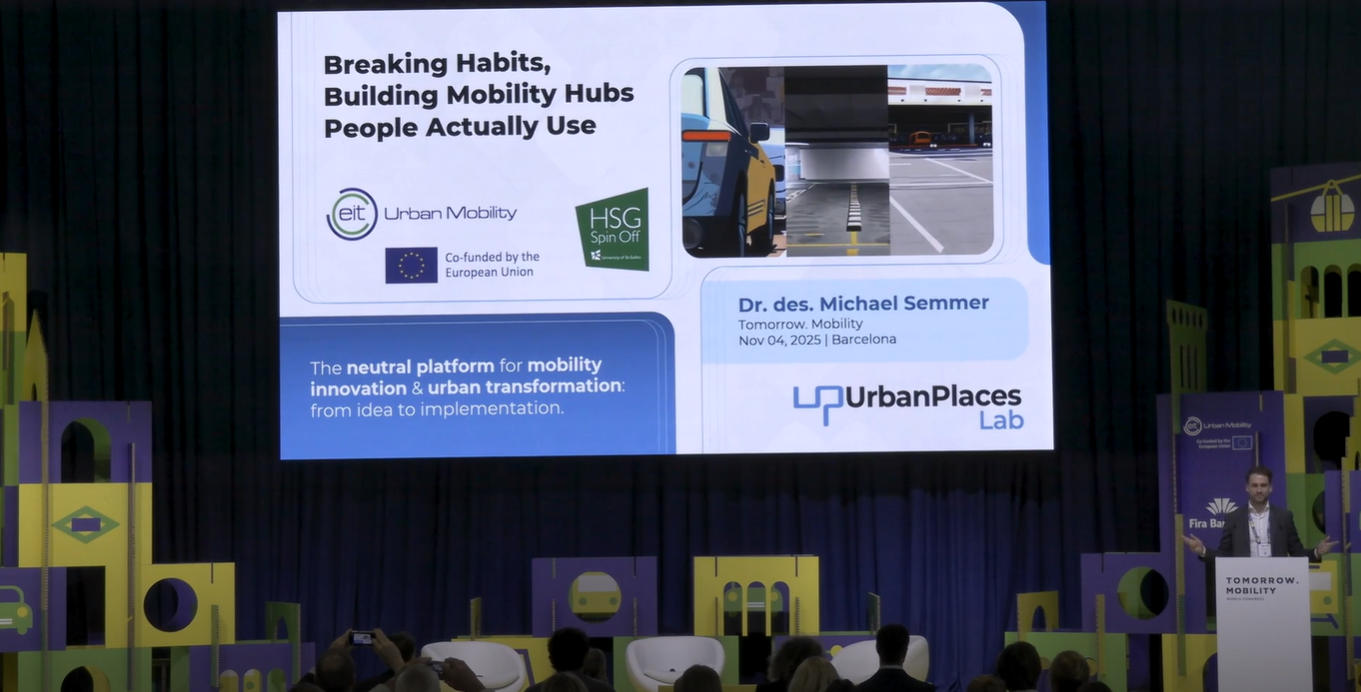
Integrated mobility hubs, including public transit, shared transport, micromobility, and intermodal services, already provide more efficient and sustainable travel. In the future, greater integration between intermodal stations and data platforms will help reduce congestion, promote low-impact transportation alternatives, and improve access to essential services.
AI-driven planning involves using AI to process data collected from sensors and devices to optimize land use and infrastructure distribution. Tools like digital twins allow the creation of complete urban scenarios, facilitating urban design before physical implementation.
Circular design applies the principles of the circular economy to urban infrastructure, waste management, and public services to reduce resource consumption. Circular cities combine urban planning, resilient infrastructure, renewable energy, and waste reuse.
Leading cities in smart urban development
Among the cities adopting these emerging trends are:
Barcelona stands out with its superilles or superblocks, which reorganize urban space to reduce traffic and promote walking, cycling, and public transit. The city has succeeded in lowering traffic accidents and pollution while increasing sustainable mobility.
Copenhagen has invested in mobility hubs that combine car parking with public bike stations, electric vehicle charging points, car-sharing services, bike rentals, and public transit. The city aims for 75% of trips to be made on foot, by bike, or using public transportation, minimizing dependence on private cars.
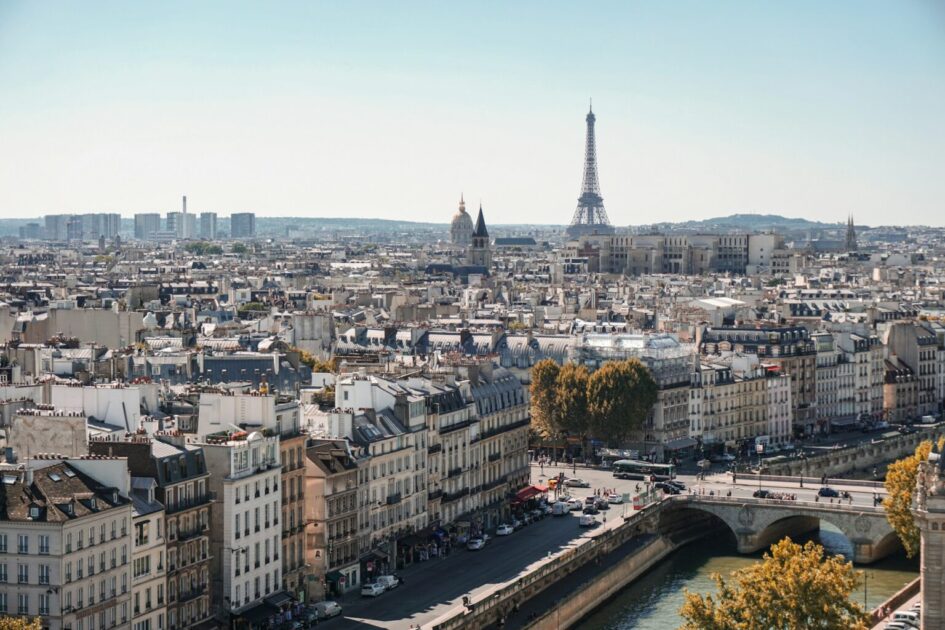
Paris champions the 15-minute city concept, where citizens can reach basic services on foot or by bike in under 15 minutes. This model has reduced private car use and promoted sustainable mobility integrated with mixed-use land planning.
Amsterdam has focused on the circular economy and open data in urban development, aiming to become a circular city by 2050. This is achieved by reducing the use of new raw materials and non-renewable resources while increasing recycling and the use of reused materials. The circular transition is coordinated through the collaborative platform Amsterdam Smart City.
Other cities implementing these emerging trends include Helsinki, with the creation of integrated, multimodal mobility hubs; Singapore, with the application of AI in city management; and Utrecht, with circular and sustainable urban design.
Photographs | Unsplash/Frank Eiffert, Unsplash/Nerea Martí Sesarino, Unsplash/Henrique Ferreira, Unsplash/Alexander Kagan, Ricardo Gómez Ángel/Unsplash