



Author | Lucía Burbano
There may be a handful of cities located in developing countries that are classified as smart cities. Although they are less prevalent than in other regions, these pioneering cities are breaking the mold by strategically deploying innovative technologies to tackle urban challenges, drawing on the experiences of other smart cities and adapting solutions to fit local conditions.
Challenges and opportunities for developing cities to implement smart technologies
In most developing countries, the basic infrastructure that serves as the foundation for implementing the Internet of Things, digitalization, or automation does not operate as effectively as it should to support these technologies.
For example, broadband speed and reliability are, on average, much lower in developing countries than in OECD countries, and electrification rates also lag far behind.
Other barriers to implementing smart city models lie in factors such as:
- Lack of investment in research and development (R&D) relative to national GDP.
- Lower foreign direct investment due to economic and geopolitical risks.
- Lower rates of higher education attainment and STEM specialization (Science, Technology, Engineering, and Mathematics).
- The digital divide limits full participation in the digital economy.
However, this report by the Organisation for Economic Co-operation and Development (OECD) highlights a solution that is both unique and common in developing countries: shared digital infrastructure. This includes regional data centers and cloud facilities that serve multiple countries, offering a more efficient shared model than having each country build its own infrastructure.
Big fish in a small pond or small fish in a big pond
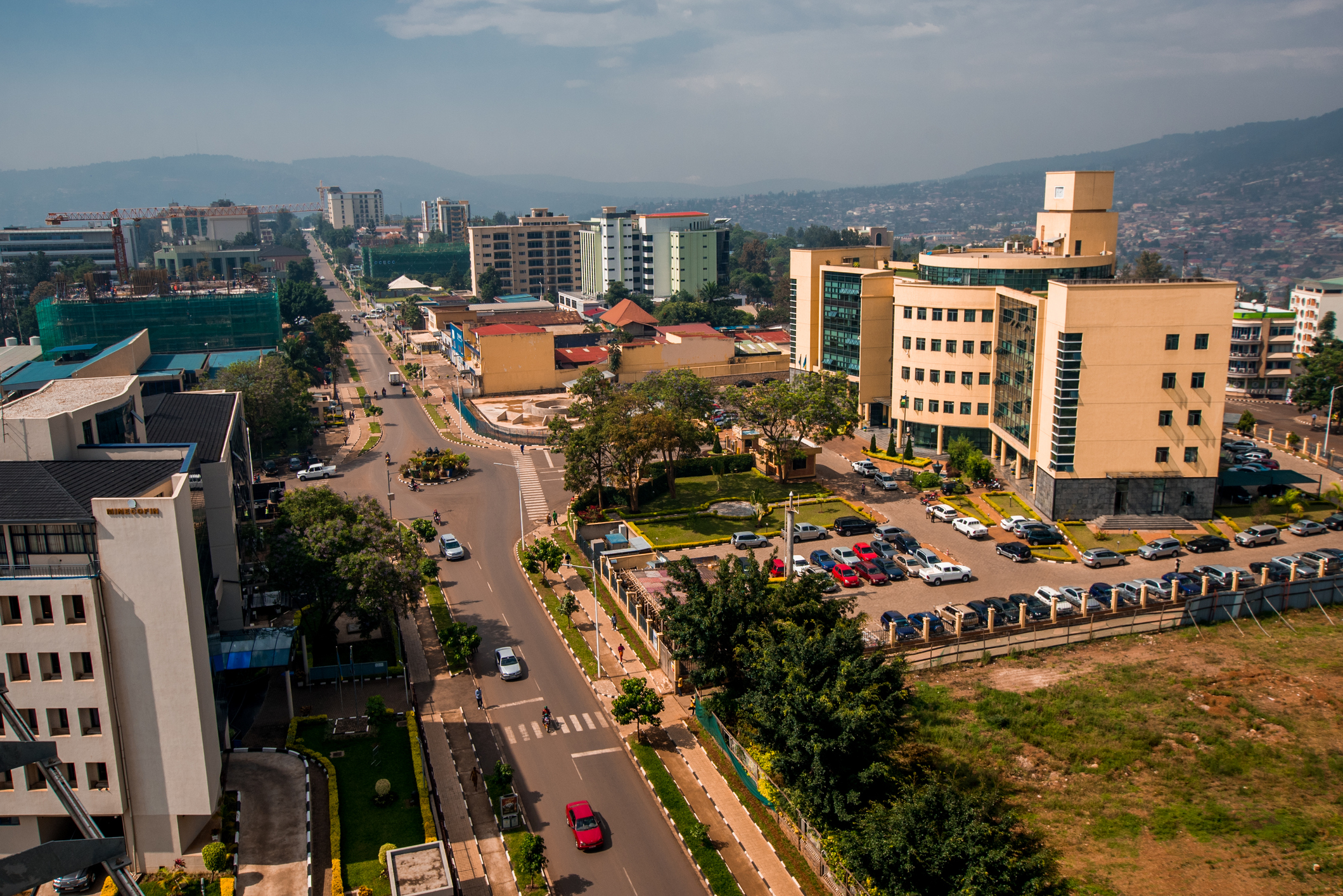
According to case studies and examples shared by the World Bank, cities in developing countries prioritize scalable, low cost, high impact smart technologies that address urban challenges related to mobility, safety, or access to services, rather than fully integrated sensor ecosystems that require large capital investments.
Commonly used technologies in developing cities include:
Mobile digital services
These are mobile applications that enable mobile payments for public utilities, transportation, taxes, and other services. They have high user adoption, even where broadband access is limited, and involve lower costs compared to web based systems or those that rely on large numbers of sensors.
Smart traffic and public transportation systems
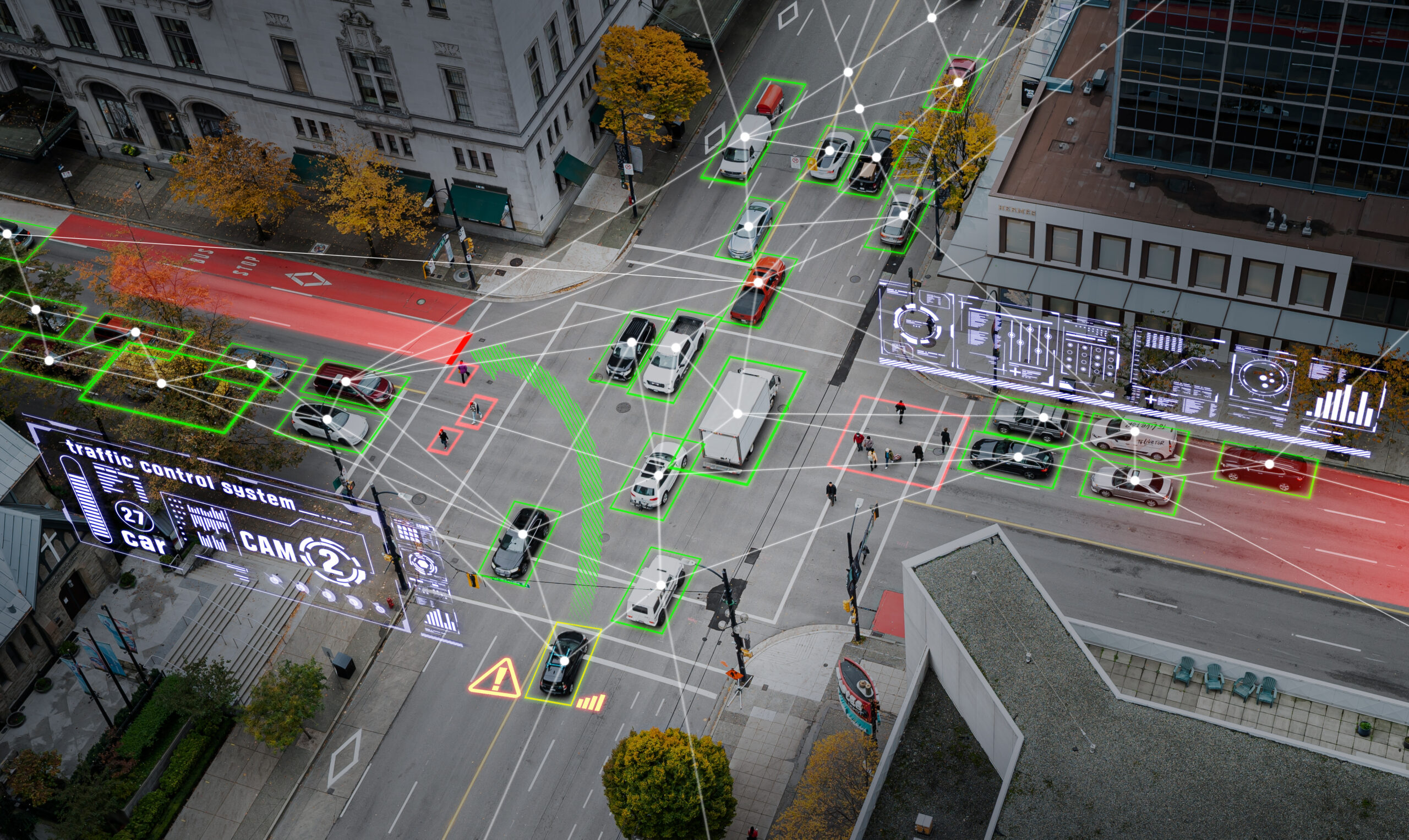
Technologies such as adaptive traffic signal control, GPS bus tracking, and real time passenger information are also being deployed to address urban congestion. Their cost is moderate, and their economic benefits are immediate.
Public safety and surveillance
Networked CCTV systems and AI assisted video analytics are being implemented in response to strong political and public demand.
Digital governance and open data
These improve transparency and reduce administrative costs, while requiring less physical infrastructure than systems that rely on the Internet of Things.
Cities that are breaking the mold
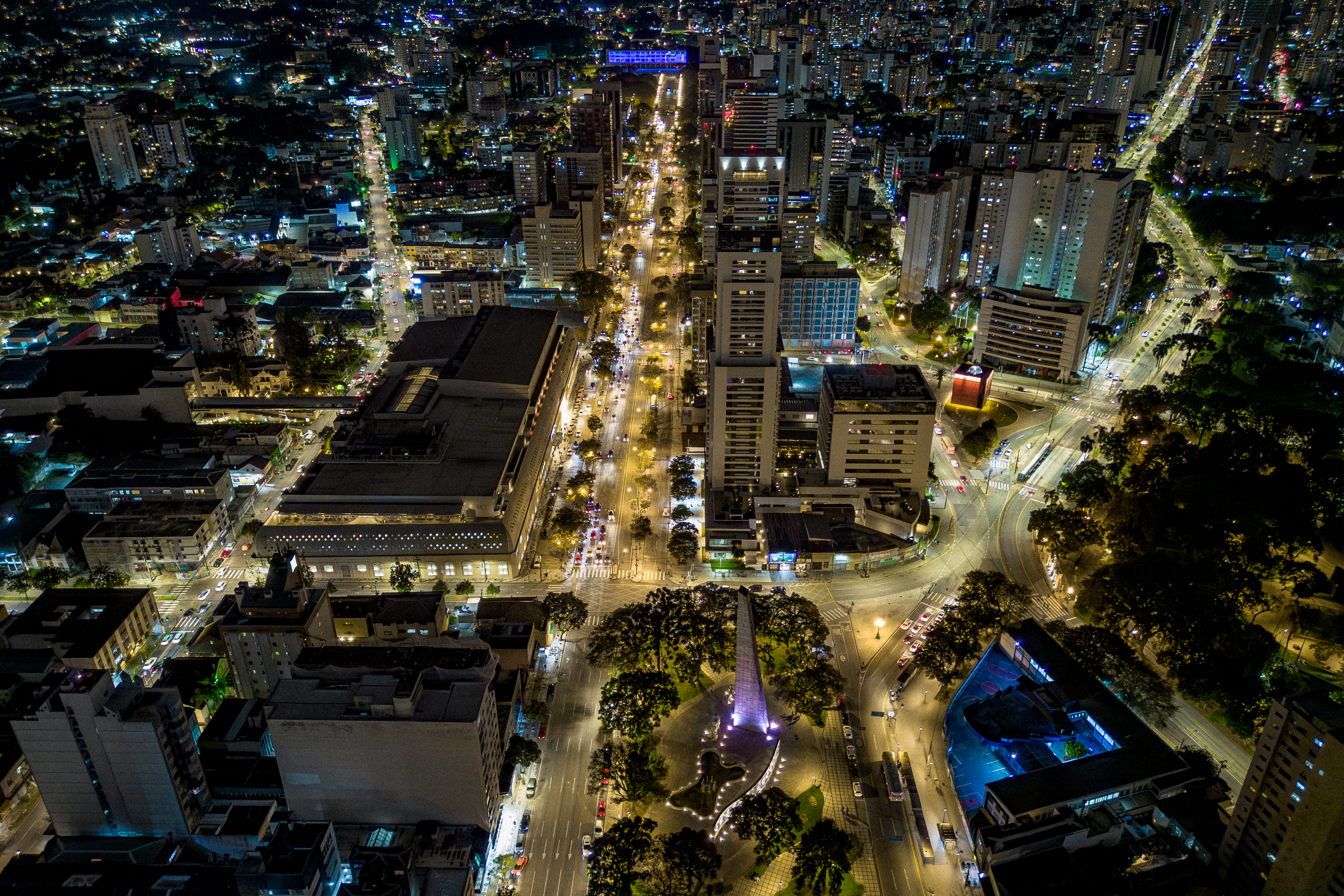
Curitiba
Often cited as a pioneer in smart urban planning, Curitiba features an optimized bus system supported by data use, along with environmental monitoring and waste management programs. It is an example of low cost, high impact smart planning without relying on expensive technologies.
Medellin
A leading example of urban social innovation, driven by its integrated mobility system, the implementation of urban data platforms, digital inclusion programs, and innovation districts.
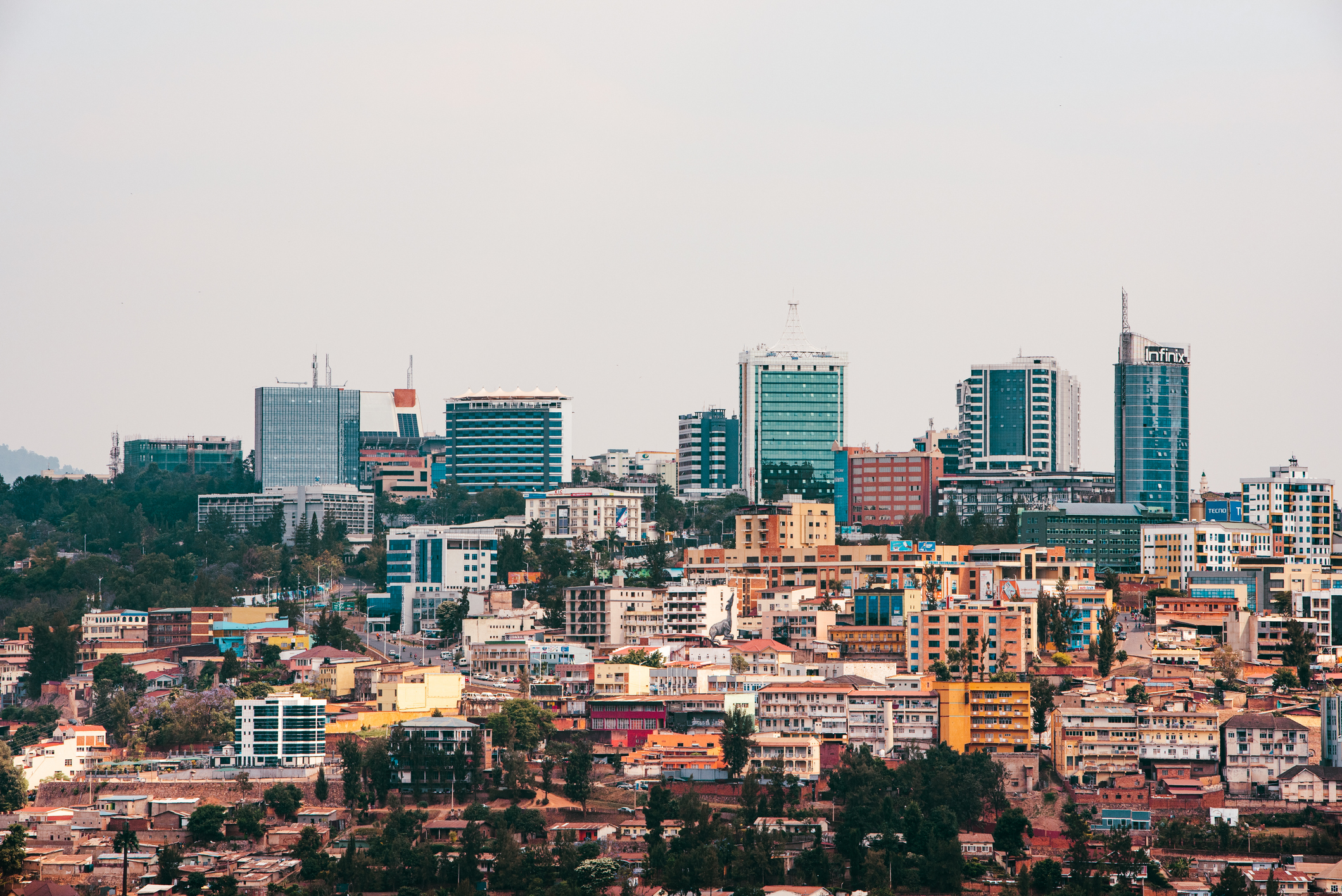
Kigali
Kigali has adopted smart urban management using Information and Communication Technologies. It has also implemented drone based logistics for medical deliveries, along with digital governance and cashless services.
FAQs about the use of smart technologies in cities in developing countries
What smart city technologies are most common in developing countries?
Mobile technologies, intelligent transportation systems, command centers, and public connectivity.
Why do developing countries focus on these technologies?
They prioritize low cost, high impact tools that address urgent urban challenges.
What are the main obstacles to implementing the smart city model?
Limited funding, weak digital and physical infrastructure, gaps in institutional capacity, and the urban digital divide.
Are there successful examples of smart cities in developing countries?
Cities such as Medellin, Kigali, and Pune have implemented effective smart solutions that address pressing challenges.
How does shared digital infrastructure contribute to smart cities?
Shared regional platforms reduce costs, improve scalability, and accelerate urban innovation.
Photographs | Jennifer Sophie/iStock, Jennifer Sophie/iStock, Igor Castro/iStock