Author | Elvira Esparza
How will smart cities evolve in the near future? Although predicting the future carries some uncertainty, this year’s trends clearly point to the increasing integration of artificial intelligence in core functions such as traffic management, urban planning, and citizen engagement. The ultimate goal is to build more efficient and resilient urban centers.
Here are the five key trends shaping smart cities this year.
Urban planning prioritizing health
Smart city planning will consider both physical and mental health, utilizing sensors and data to monitor pollution and noise levels while implementing solutions to foster a healthier urban environment. AI will be used to plan city services, employing machine learning algorithms for more efficient resource allocation, predictive models for infrastructure needs, and real-time alerts that provide citizens with vital information for their daily activities.
Green urban spaces will be prioritized in city design, promoting sustainable neighborhoods and 15-minute cities to enhance air quality and overall livability. Eco-friendly materials and efficient designs will be utilized in construction to minimize the urban carbon footprint.
Smart mobility

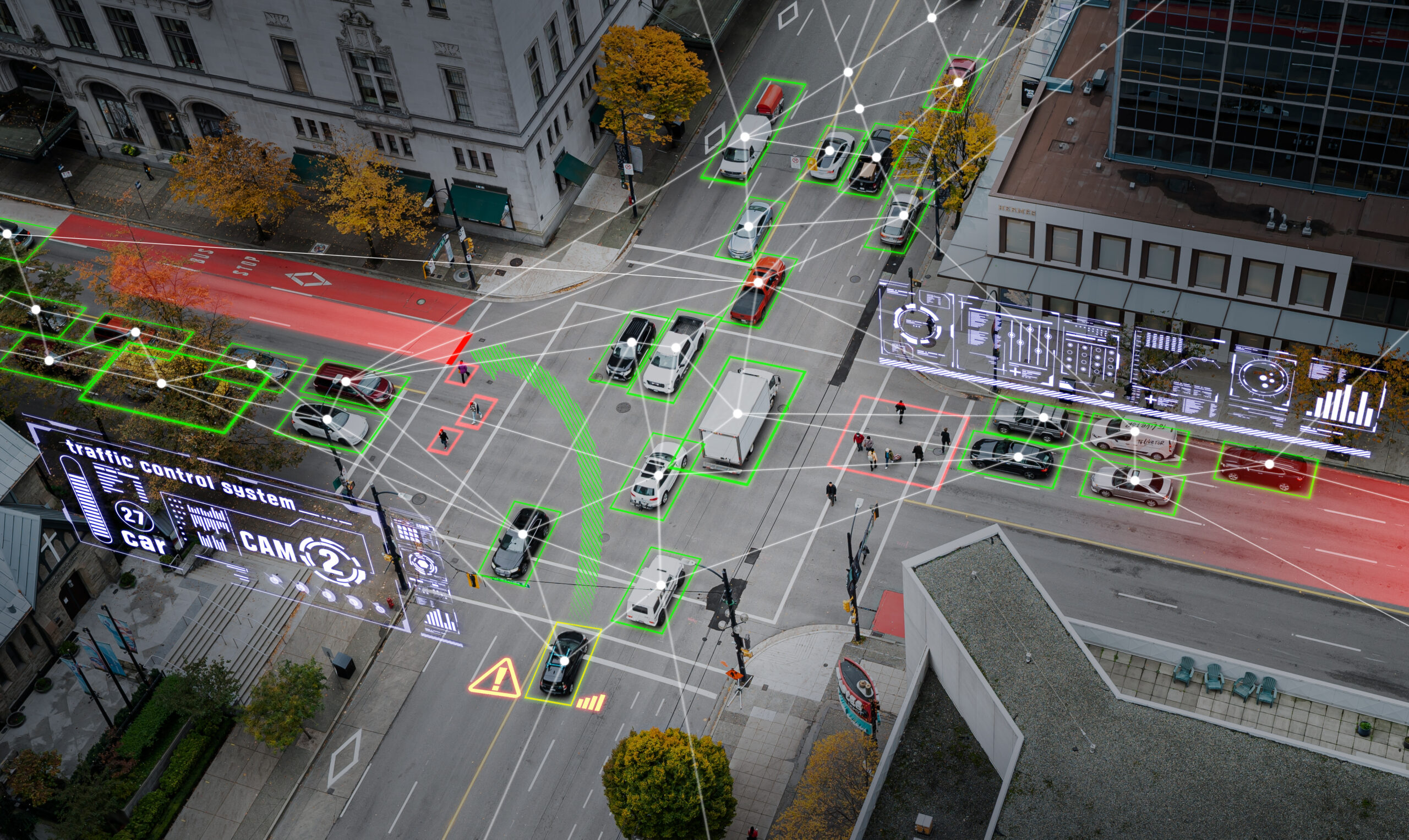
Smart traffic management and advanced transportation options will promote environmentally friendly mobility by predicting congestion points and reducing pollution. An integrated transportation system will take center stage, prioritizing public transit while incorporating micro-mobility solutions, shared travel infrastructure, and the rise of autonomous and semi-autonomous transportation. This connected infrastructure provides insights into population movement, allowing for smoother and safer traffic flow.
In 2025, the widespread adoption of electric vehicles will drive cities to expand their charging networks, integrating them with sidewalk management systems to ensure efficient use of urban space. Autonomous vehicles and robotaxis will emerge as innovative transportation solutions in smart cities. The goal is for various transportation modes to operate more efficiently, resiliently, and sustainably.
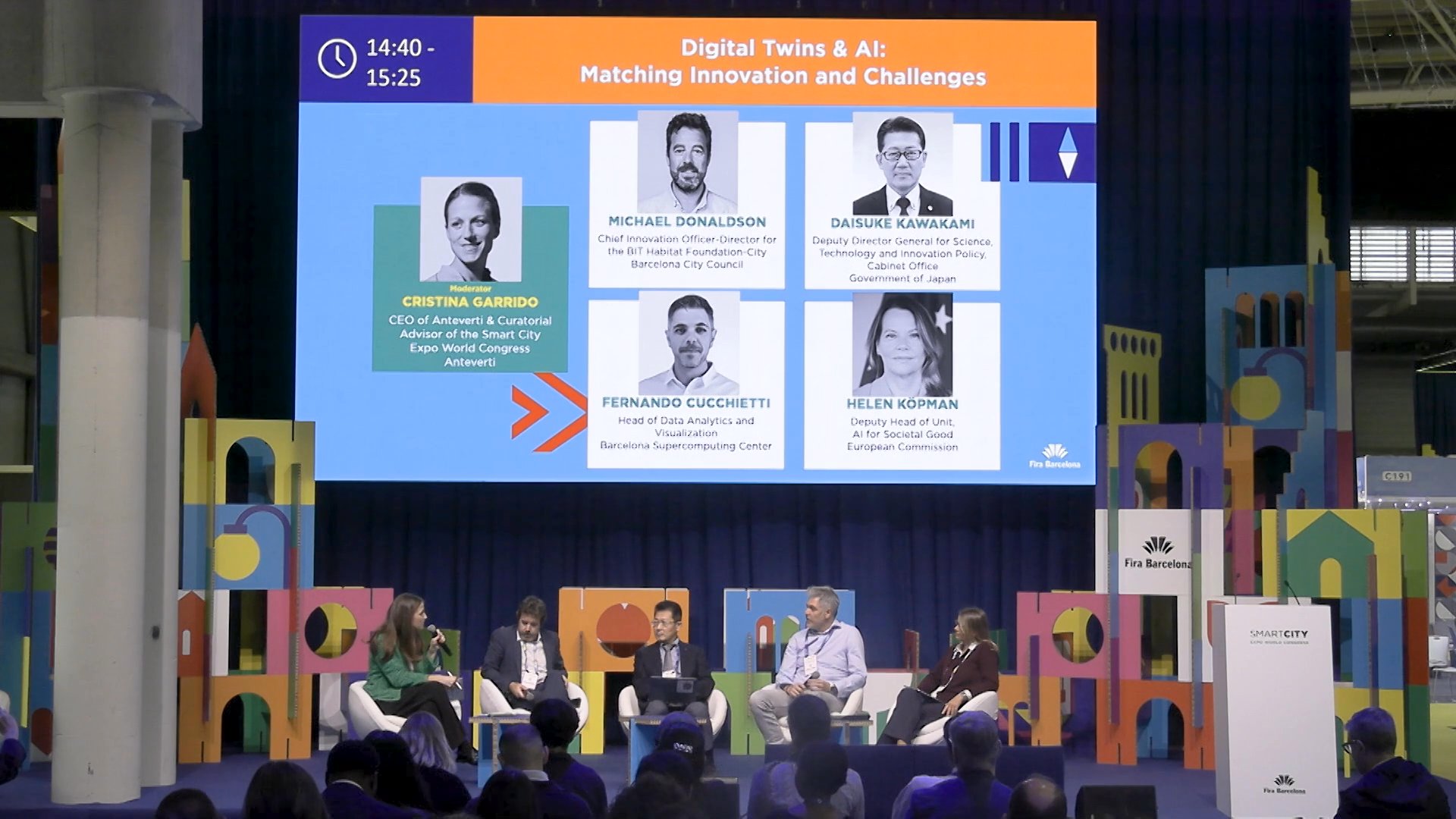
Digital twins

Digital twin projects, like those being developed in cities such as Singapore, Helsinki, and Dublin, will expand to enhance the planning and management of smart cities. Cities will increasingly rely on digital twins to simulate and analyze transportation networks, test new policies, and predict the impact of infrastructure changes on public roads before implementation. The integration of digital twins, smart sensors, and cloud computing enables real-time monitoring, energy usage prediction, security risk detection, and cost optimization.
Artificial intelligence in urban management
AI will be utilized to enhance city efficiency and sustainability by managing energy, water, and traffic in real time. There will be a strong commitment to renewable energy and advanced battery storage systems. The rapid growth of cities is driving the increased use of AI to enhance efficiency, as machine learning algorithms process data to enable more effective resource allocation.
In the energy sector, there will be a strong commitment to renewables, including solar, wind, and marine power, along with advanced battery storage systems to ensure a stable supply. In smart water management, AI-powered systems will predict demand and supply, enabling more efficient resource allocation and conservation strategies. This is especially crucial in addressing water scarcity challenges driven by rapid population growth and climate change.
Digital identity and citizen engagement

Digital identity and verification systems will be essential in cities, as they will be required for accessing services such as permit applications, social benefits, and tax payments. One of the primary concerns for citizens will be data security and privacy, as digital identity involves handling sensitive personal information. To address these concerns, advanced technologies such as blockchain and the Internet of Things (IoT) will be implemented. These innovations will enhance citizen participation in decision-making while ensuring data transparency and security.
Furthermore, electronic governance in smart cities promotes decision-making processes and fosters open, sustainable, and collaborative public services. This enables citizens to actively participate in city management through online voting and digital passports, fostering greater civic engagement.
These trends will not only enhance the efficiency and sustainability of smart cities but also promote greater citizen engagement and improve residents’ quality of life.
Images | JavyGo, gremlin/iStock, Vadim Bogulov, Steve Johnson