



Author | Raquel C. Pico
Just over half of the world’s population already lives in a city, a figure set to rise. The United Nations estimates that by 2050, 68% of people will live in urban areas. Migration from rural areas and the concentration of resources in specific regions will drive this increase. For cities, this will bring greater challenges and require more efficient management. The solution lies in adopting smart city models.
What is a smart city project?
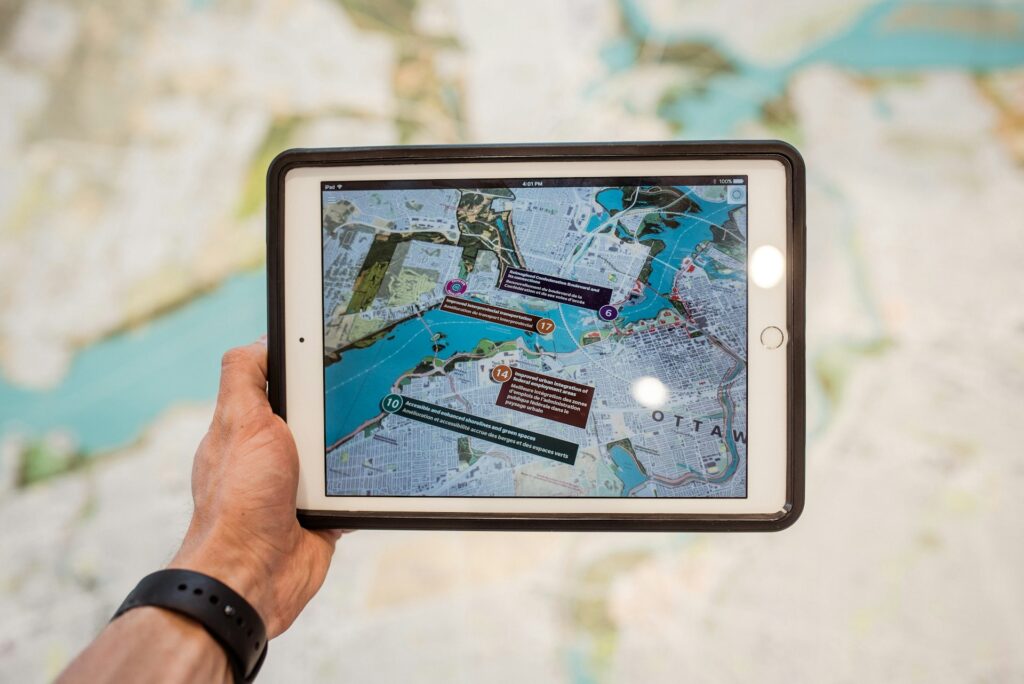
But what exactly do we mean by a smart city? Although at the moment the level of development varies from place to place, there is something that unites them.
Definitions and objectives
In a few words, a smart city is one that has integrated technology into daily life. This does not simply mean adding a few tools; it would be a mistake to think that automating a couple of traffic lights or collecting some data is enough to make a city truly smart.
Smart cities integrate all kinds of cutting-edge solutions with a clear goal: improving urban resilience and the daily lives of residents while achieving economic and environmental efficiency. They position themselves at the forefront by using digital twins and artificial intelligence (AI).
Scope: from pilot initiatives to full-scale projects
Although some cities have completed fully integrated smart urban developments, while others are still launching projects or testing ideas through pilots, the potential of smart city projects is extremely high. A Grand View Research study estimates the market size at $877.6 billion in 2024, with growth of 29.4% between 2025 and 2030. The Asia-Pacific region accounts for 52.32% of the market. Smart cities are a global phenomenon.
Why are cities launching smart city projects today?
This growth is explained by the fact that smart city projects have become a practical and efficient response to the major challenges facing cities. These challenges are set to become more complex and critical in the near future, making it important to lay the foundations for better cities of tomorrow.
Urban challenges driving smart city projects
In many ways, cities function as laboratories where major global problems are concentrated and addressed. They need to design strategies for sustainability (including social issues), efficient environmental management, and improvements to transportation and energy networks.
Investment data show that these are the key focus areas. According to the Grand View study, most spending goes to smart transportation. This includes everything from connected signage to managing traffic and autonomous vehicles to data analytics of movement patterns.
Cities are also at the forefront of future global challenges, such as population aging, social isolation, and comprehensive health challenges. Investment in smart healthcare is expected to be the fastest-growing area in smart cities through 2030, with connected solutions aimed at improving population health and addressing related challenges.
Value creation: sustainability, efficiency, resilience
By addressing these challenges, smart city projects not only resolve issues but also create value. The quality of life for residents improves, as does that of the city’s business and industrial networks. Seemingly simple measures, such as improved traffic management, reduce emissions and their harmful effects on both the planet and people, while also increasing the logistical efficiency of local businesses.
Notable smart city project examples worldwide

All these benefits have driven cities to race toward technological advancement. In some cases, this is even a state-level initiative, such as India’s Smart Cities Mission. In other cases, the focus is on specific areas, like the carbon-neutral neighborhoods in Bahnstadt (Heidelberg, Germany) or Bryant (Michigan, United States).
Masdar City, Abu Dabi
This city within a city (located in Abu Dhabi, the capital of the United Arab Emirates) is an example of smart design. Founded in 2008, it was created to be an eco-friendly, sustainable, and self-sufficient city. It also serves as an innovation hub.
Songdo, South Korea
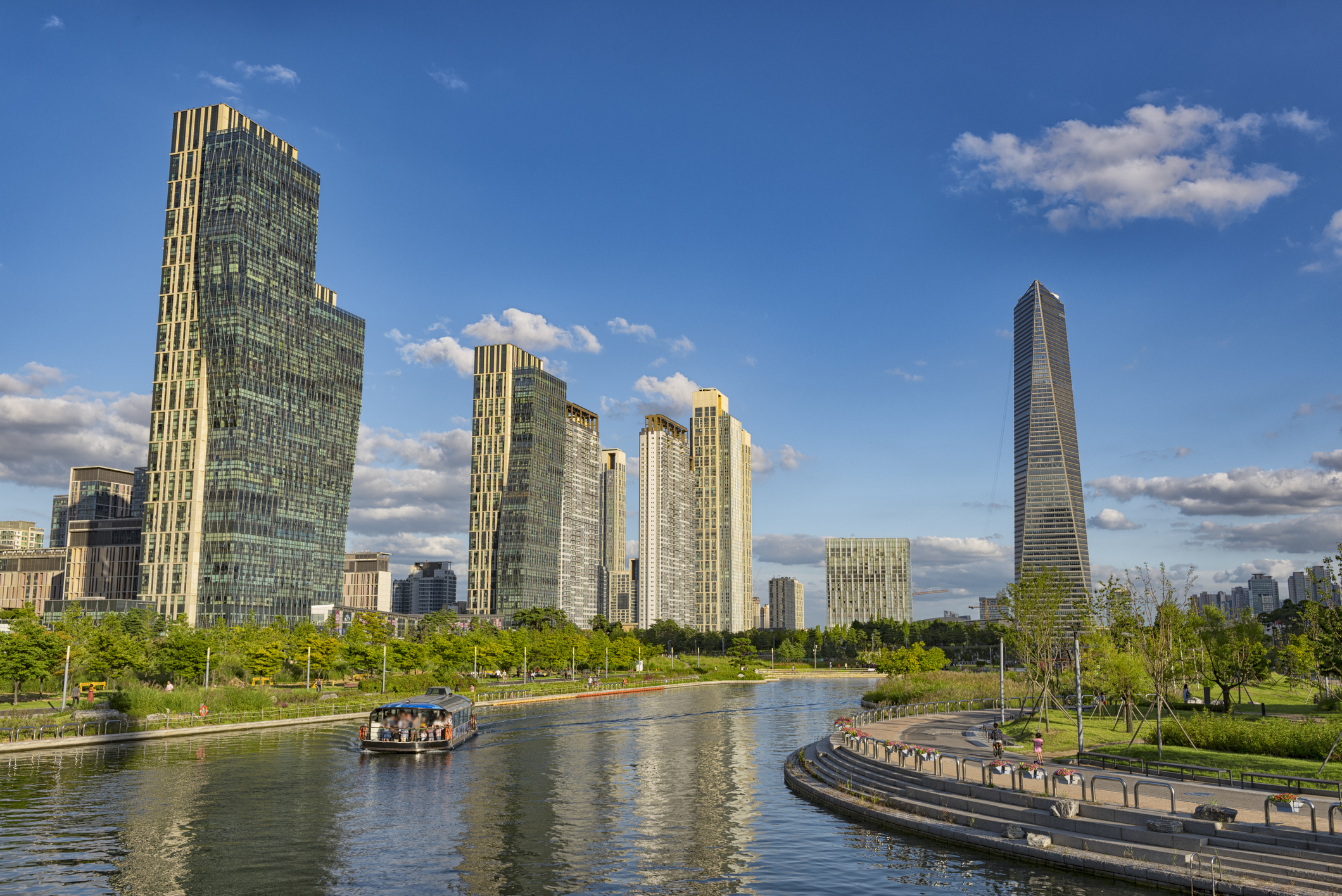
Known as the “city of the future,” at least in media portrayals. Songdo is located 65 kilometers from Seoul on land reclaimed from the sea. It was designed to be green, walkable, and highly intelligent. In homes, electricity consumption is monitored, and waste is managed directly from kitchens.
Key components and success factors of smart city projects
All these initiatives share certain elements that help support their projects and ensure success.
Integrated planning and sustainability from the outset
Just as you would not start building a house with the roof, a smart city project is not launched by starting with the technology. First, it is essential to define what you want to achieve and how. Planning allows key issues (such as sustainability) to be integrated from the outset with a long-term vision.
Use of digital twins and AI for resilience
Incorporating advanced technologies enhances the efficiency of smart city projects and makes these cities more resilient. AI has become a powerful ally, extending beyond generative AI applications (for example, in citizen services). In the European Union, its use is being promoted to support better decision-making, manage road traffic, and enable collaborative urban planning. The creation of digital twins allows for a deeper understanding of urban dynamics and how to address them effectively.
Standardization, interoperability, and stakeholder alignment
Even the most advanced technology loses its value if there is no focus on creating standards that simplify management and make IT solutions accessible to all stakeholders, or on ensuring interoperability to prevent different solutions from creating silos. Finally, a smart city project must align with the needs of the city and its residents, addressing their challenges and generating value for them. As highlighted by a UN-Habitat analysis, this includes helping to reduce the digital divide and addressing climate change risks.
Challenges and lessons learned
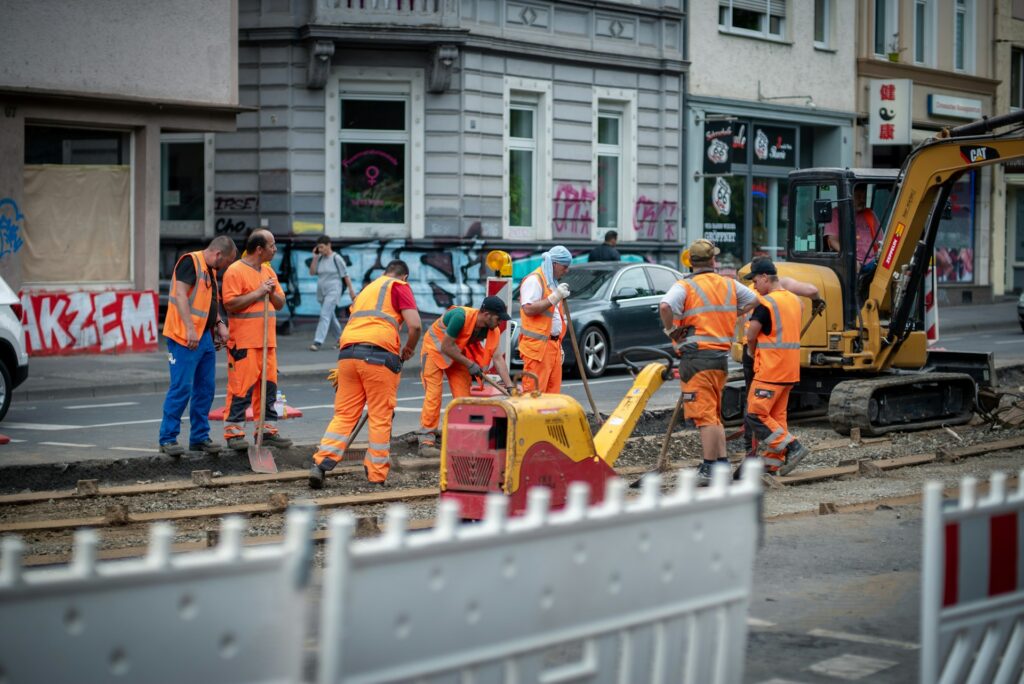
Smart cities must therefore not exacerbate social and urban problems; instead, they should act as levers to address them. This is the key lesson learned from smart city projects. At the same time, urban digitalization creates new challenges.
Increased cyber threats
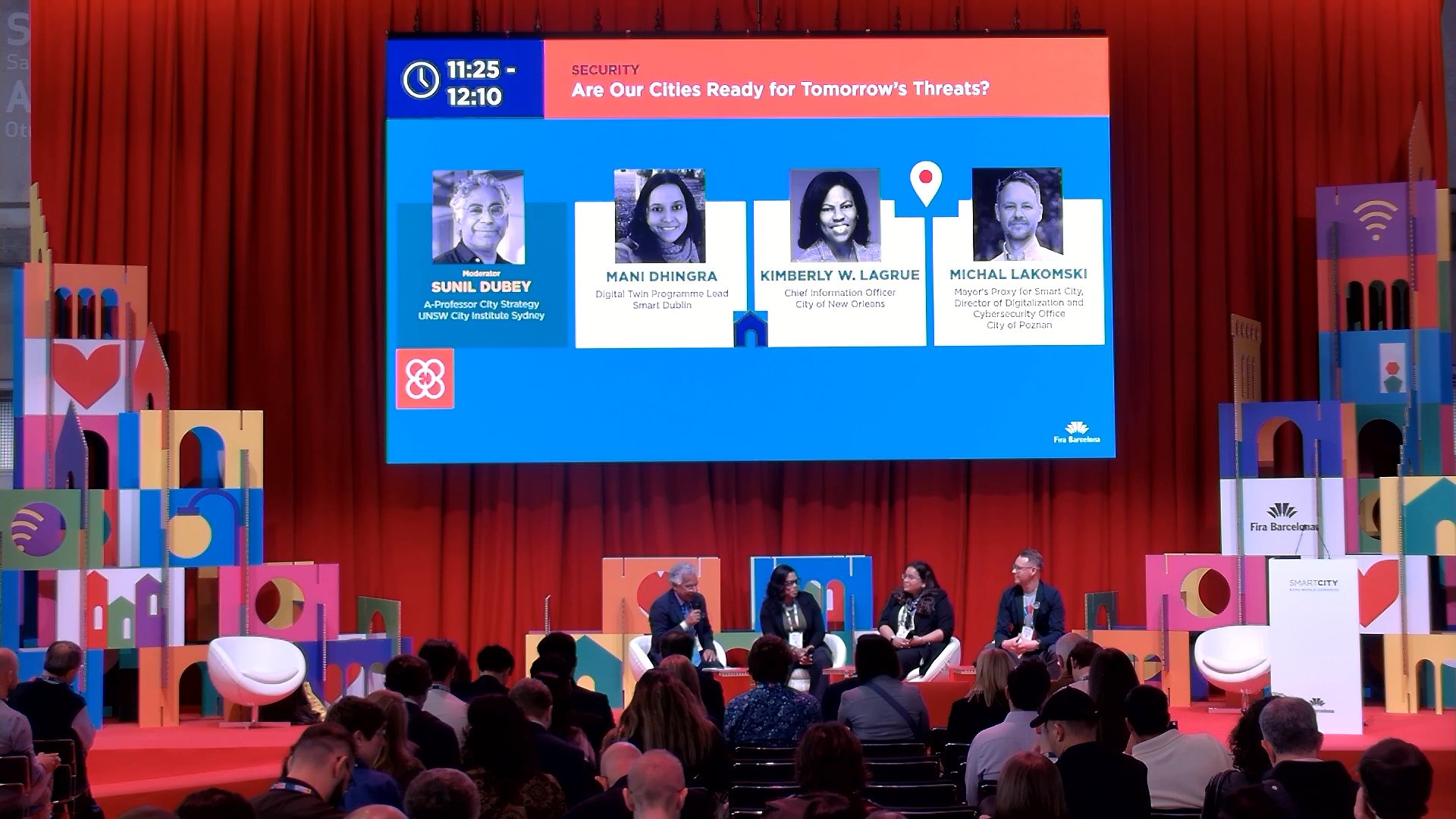
One of the most evident challenges is cybercrime. As services are digitalized and analog systems are phased out, vulnerabilities increase. In the context of growing cybercrime, smart cities must prepare to be potential targets.
Risks in governance, funding, and integration
Similarly, the use of third-party tools and the constant generation of data raise new questions. One key issue is who controls the city and its information when the management and integration of IT tools are handled by private companies. In fact, although open data (accessible for any use or research) is a key factor for the success of these projects, not all cities adhere to this standard. Another concern is the potential for malpractice. That is, privacy rights may be lost with each step taken.
All of this occurs while funding for such projects remains insufficient, tool integration (both in usage and adoption by the population) falls short, and questions arise about how the smart transition will affect future urban governance.
How Tomorrow.City engages with smart city projects
The benefits are numerous, but so are the challenges. This is why it is essential to highlight ongoing efforts, connect different projects, and collaborate to share insights. This is the approach promoted by Tomorrow.City, through its various initiatives, including the Smart City Expo World Congress 2025, which will take place in Barcelona from November 4 to 6.
Photos | Goldcastle7/iStock, Tobias/Unsplash, Evgeniy Surzhan/Unsplash, Mika Baumeister/Unsplash