Author | Raquel C. Pico
The need for social distancing brought on by the pandemic catalyzed the remote working trend unlike any other phenomenon. Before the health crisis, not all workers, and certainly not all employers, were equipped to embrace remote work—a practice enabled by new technologies that allow work obligations to be fulfilled without physically being present in the office.
As the practice of teleworking rapidly demonstrated during those months, its effects can be highly beneficial. It paves the path for attracting talent, no longer bound by geographical constraints, while also eliminating unnecessary time wasted on commuting to and from the office, and it streamlines the work-life balance. Even so, not everyone initially recognized the benefits of remote work. Their list of concerns includes fears of decreased productivity, uncertainties about how employees utilize their time, and concerns regarding heightened cybersecurity risks.
As a result, there has been a decline in the number of remote workers following the initial surge during the pandemic. The United States serves as a prime example: after peaking at 50% of the workforce working remotely in the spring of 2020, a significant leap from the pre-pandemic level of 6%, the proportion of teleworkers has since decreased to 28%.
How remote work affects society
The ramifications of remote work extend beyond just work culture; they intersect with various domains including work-life balance, workforce diversity, and urban planning. In terms of urban planning, the impact of remote work on cities is defined by factors such as the movement of people, shifts in the utilization of spaces, and alterations in peak and off-peak hours within public transportation systems.
Initially, there were concerns that remote work would lead to the decline of office neighborhoods. The sight of the City of London deserted, coupled with the closures and loss of food chains that catered to the masses of workers in those areas, fueled predictions of an urban transformation and the demise of business districts.
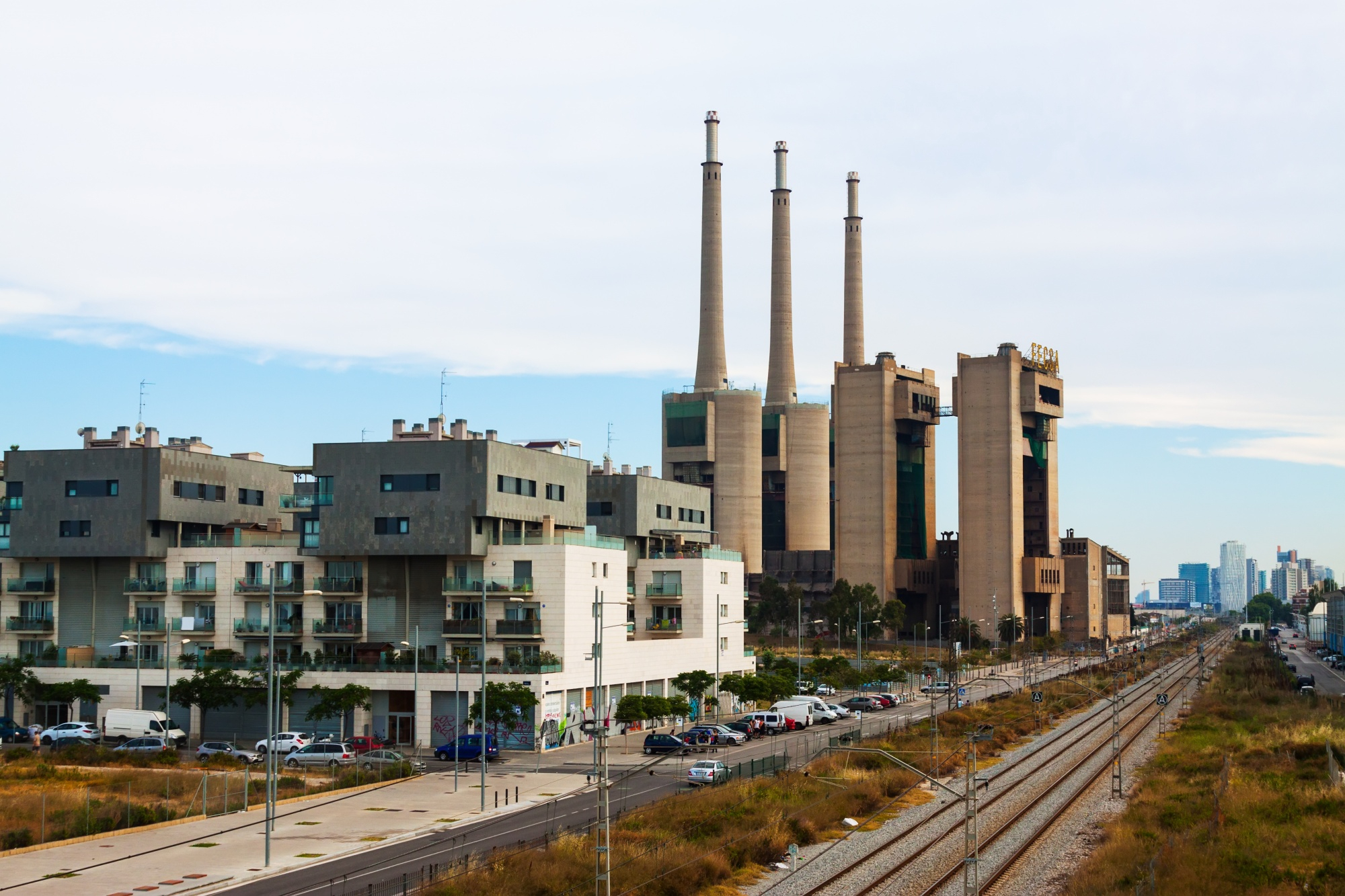
This was a very short-term trend. As confirmed in a recent Gallup analysis, “hybrid is the most common style of work for remote-capable employees.” Office buildings and financial hubs are unlikely to vanish entirely, as many companies are opting for hybrid models that blend office-based working days with remote work. Therefore, hybridization could potentially free up space, allowing some areas previously dedicated solely to offices to be repurposed into residential spaces.
Hybrid work stands out as one of the primary trends in remote work. There is also a growing acceptance of having personnel working from other countries, leading to the internationalization of the workforce, thanks to the potential of remote work, while there is also increased consideration for the long-term effects of this practice. The need to establish regulations that address all these issues is another point of contention.
The effects of remote work

In fact, the current focus of concern regarding the remote work trend is less about the fate of office spaces and more about the transformation of areas that have become magnets for remote workers. Given that this practice facilitates mobility, many people are leveraging remote work to travel the world or relocate to areas with lower living costs or more desirable lifestyles.
However, this remote work culture is having an impact on residents in those areas, as they become inundated by the so-called digital nomads. All the grievances from the past decade against gentrification, followed by concerns about touristification, are now being echoed in protests against this new phenomenon.
The negative side of digital nomads
Digital nomads contribute to rental price increases in already stressed areas and their presence can lead to the almost tourist-like occupation of public spaces, which citizens hope will be preserved for everyday use rather than temporary visitation. This dynamic often sparks conflicts between long-term residents of these cities and newcomers drawn to the area for its desirable qualities. Lisbon, Medellín or Mexico City are some of the cities that have already faced such complaints.
In many ways, the proliferation of remote jobs and the ensuing transformations are prompting cities to address fundamental issues that transcend the confines of remote work culture. These structural changes are deeply intertwined with significant trends concerning how we envision living in the 21st century. They prompt us to reevaluate the balance between private life and work, the allocation of public spaces, and the strategies cities must adopt to ensure accessibility for all their residents.
Images | Ostap Senyuk, Kristin Wilson