



Table of Contents
Author | Esther Fuldauer
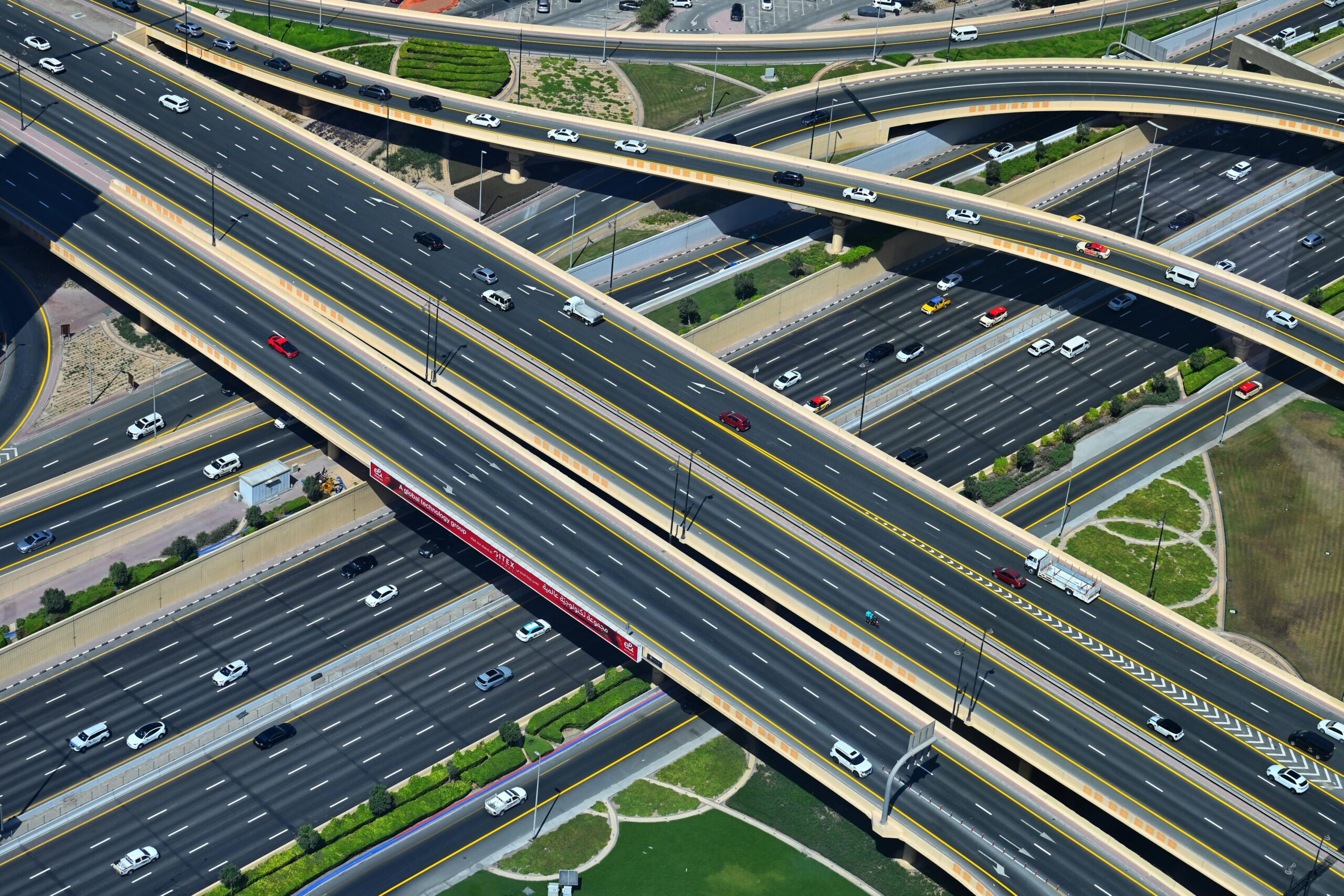
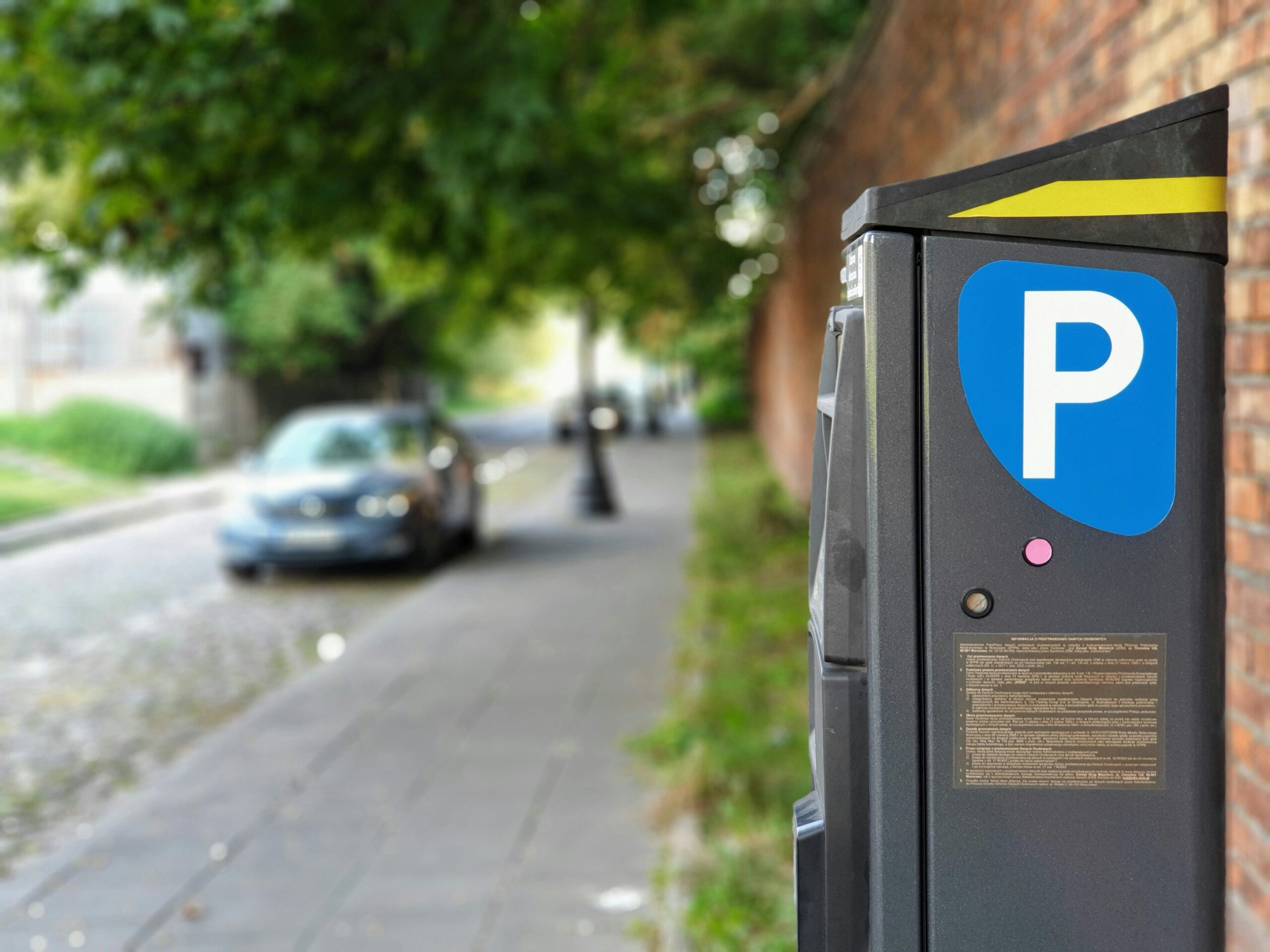
Everything taken into consideration, private ownership of cars has more hidden costs than benefits, are there any alternatives to owning a car? Driving your car is a waste of resources and will make you ill. Cars are idle 95% of their life and are the second highest family household expense after the cost of home ownership. Taking everything into consideration, private ownership of cars has more hidden costs than benefits. Are there any alternatives to owning a car?
Why is shared mobility important?
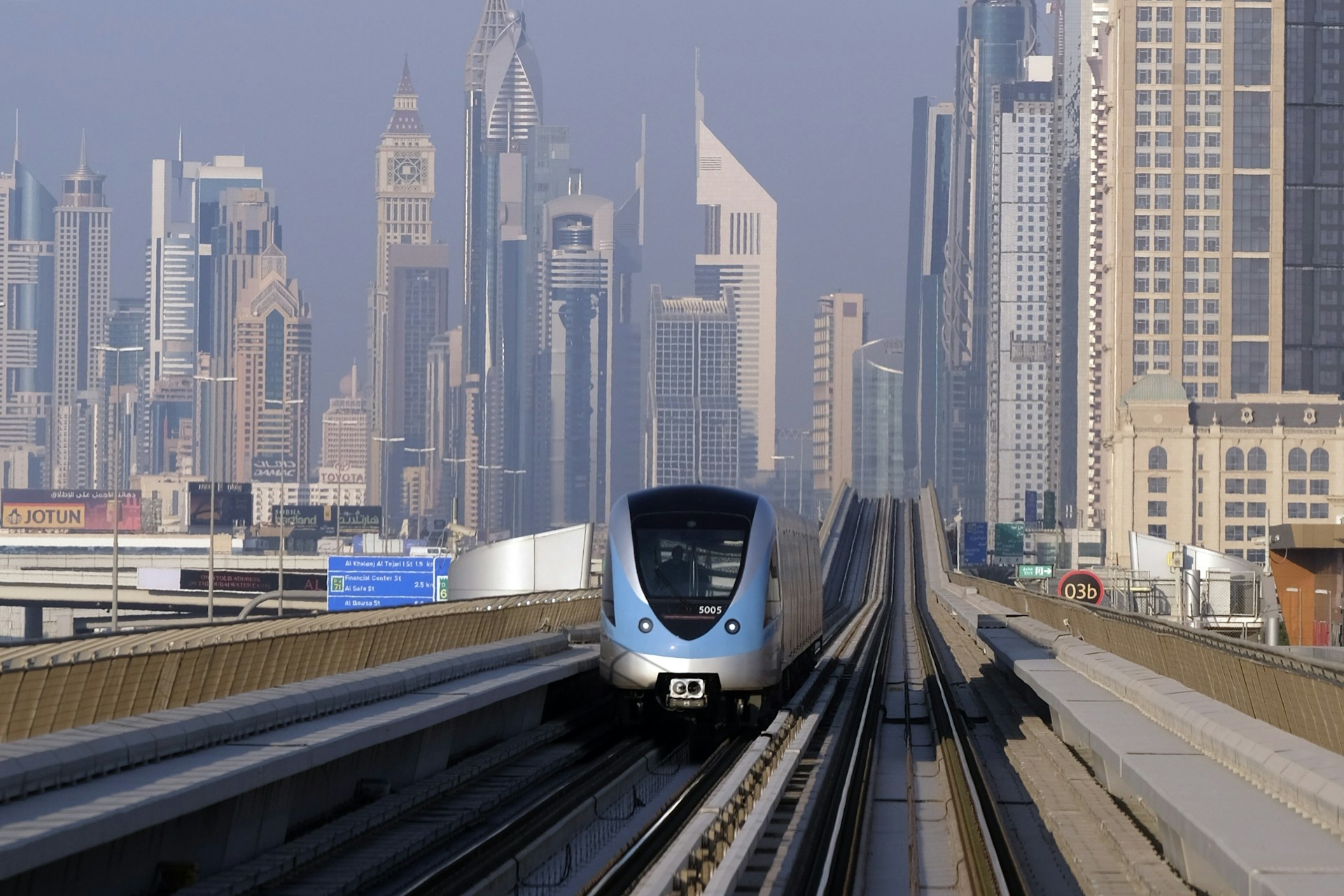
Technology can revolutionize transportation, dramatically improving safety and urban mobility, while reducing costs and environmental impacts. A recent study by Apta, the American Public Transport Agency, has revealed the benefits of shared mobility combined with mass transit. The findings are very encouraging. It shows that given availability of efficient last mile transit, Americans are ditching car ownership. With shared mobility solutions, traffic density in peak hours can be controlled and parking space can be spared. This has enormous implications for cities as transport is the cornerstone to developing sustainable cities.
Shared mobility companies are in their early days. Even though Uber and Lyft have only been in the market for seven years, they have had explosive growth, in great part because of their acceptance by users. During this time, their outlook towards the market has changed. At first Lyft, Uber and Public Transit saw themselves as competition fighting for a share of the market, but then they started seeing the benefits of collaboration. Now they are working on open APIsand regulation schemes to develop the future of public transportation.
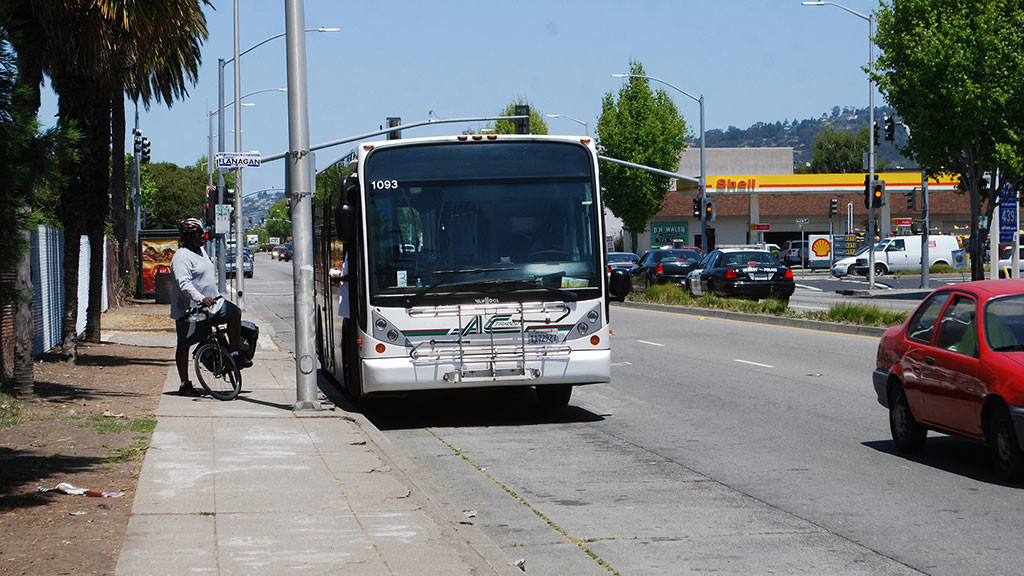
The new mobility apps will enable users to plan and chose their transportation in real time during transit, all within a single ride fare. Uber and Lyft are sharing their transit information and payment modules, thereby offering alternative transit options, not only on their own app, but also on other transport apps from partners, creating a seamless experience.Public transportation agencies are also experimenting with new collaboration schemes. In St. Petersburg, Florida (U.S.), Uber rides are being offered at half price to reach public transit stops. This way they solve the last mile problem they have with too few bus stops. The APTA report shows that people who use ride-share are more likely to use mass transit.
Shared mobility options
Shared mobility can be found in different ways and methods of transportation. The United States Environmental Protection Agency differentiates found large kinds (carsharing, ridesourcing, microtransit and micromobility), although the future will bring further innovations. These are some of forms of shared mobility already available to users or in process of being implemented:
- Carsharing: users rent a car from other citizens for hours or even days. Availability may be spotty as they may not be parked in predetermined areas.
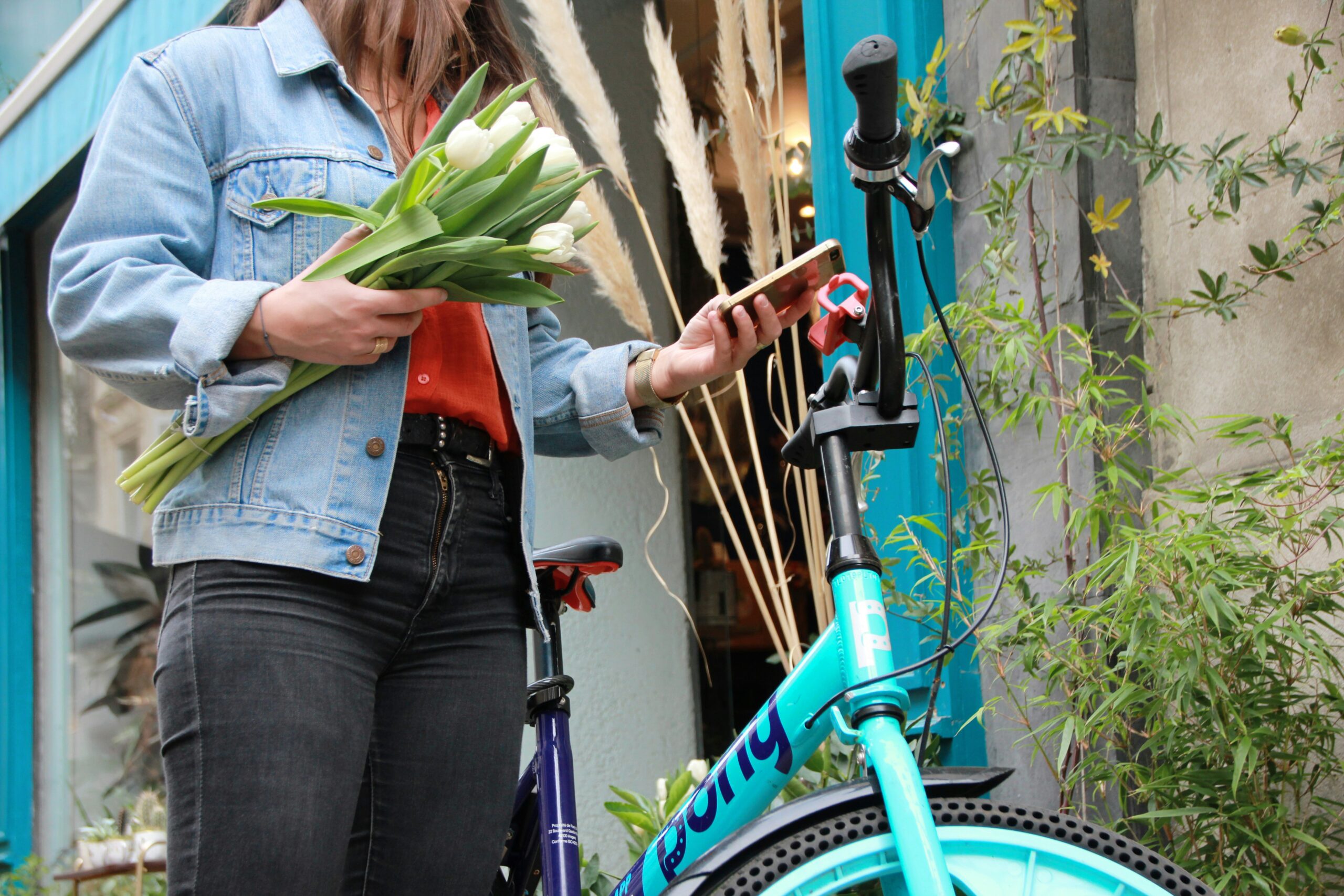
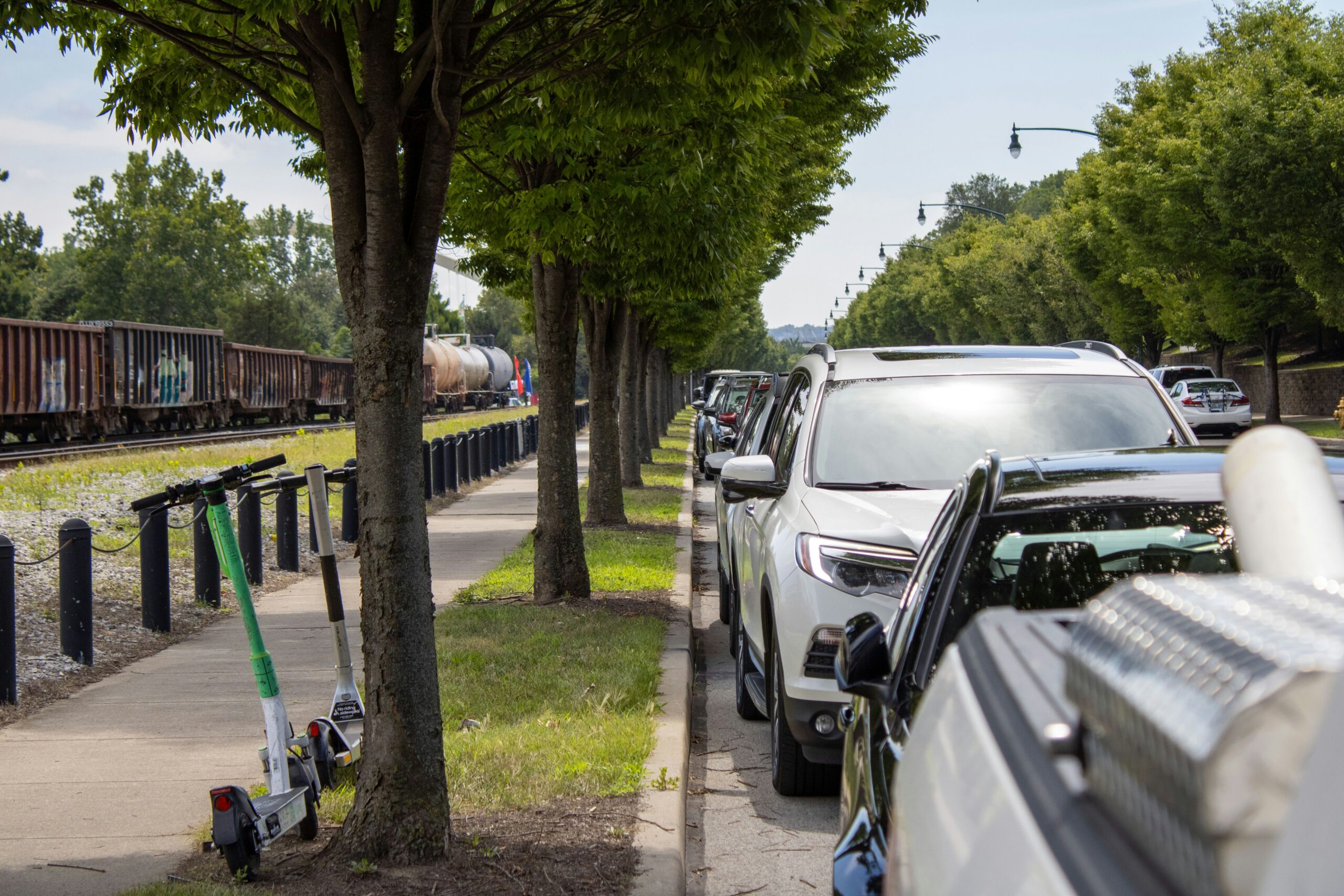
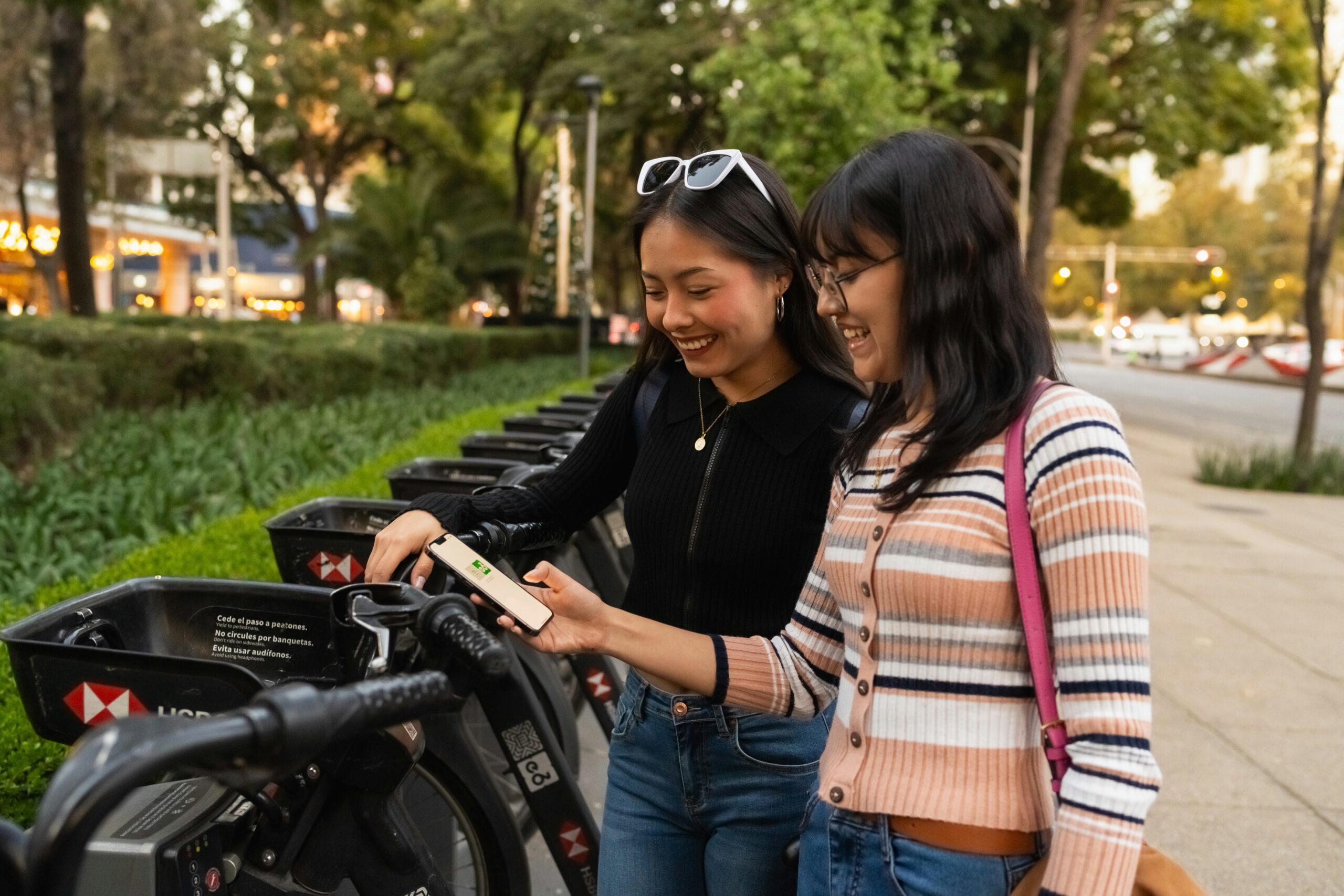
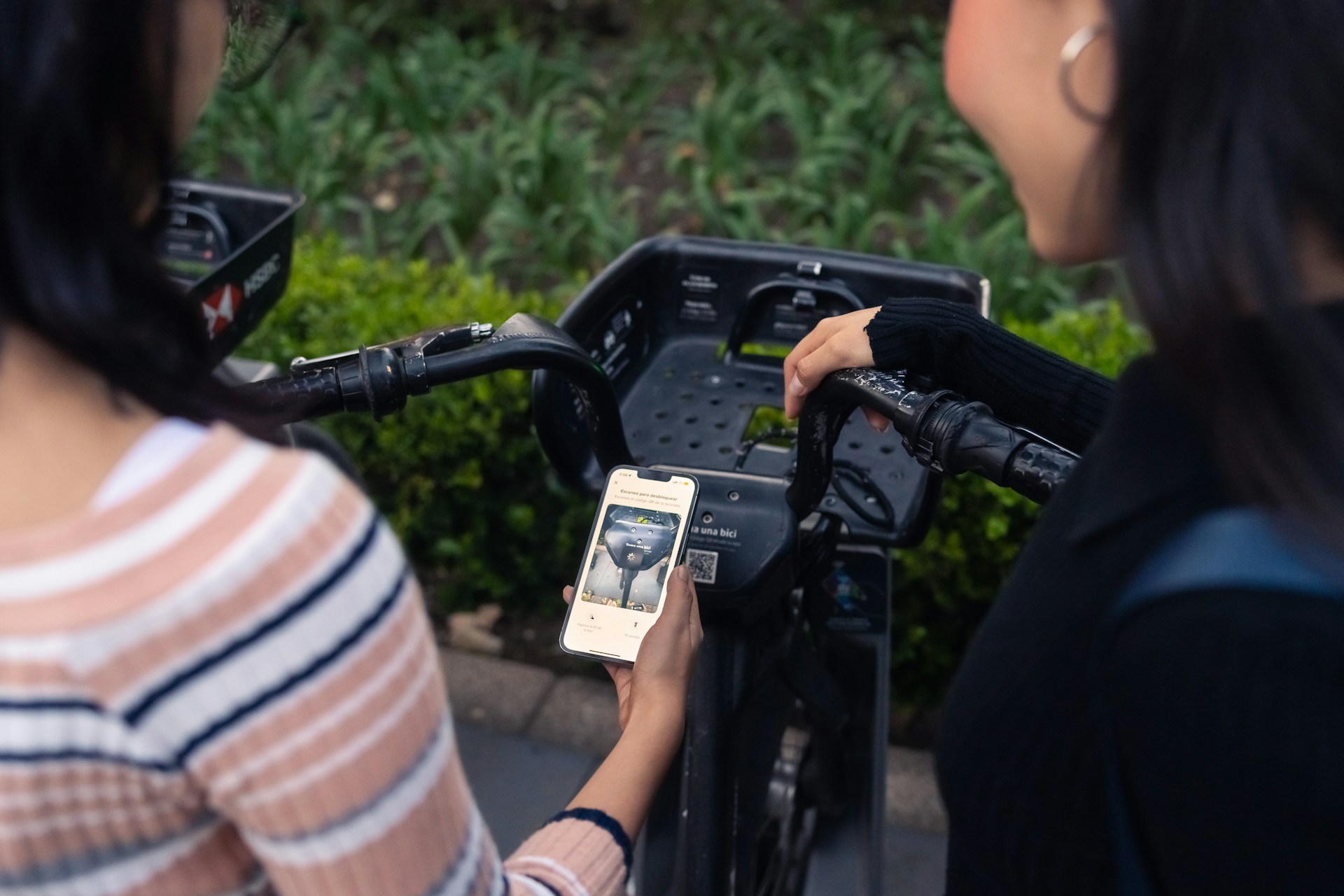
- Micromobility: covering scooters, bikes and other small vehicles, which often have their own parking and delivery spots, as well as designated charging places.
- Human-driven ridesourcing: citizens can request a ride using a smartphone app. Pooling (sharing a ride with other people) may be an option in order to reduce the bill.
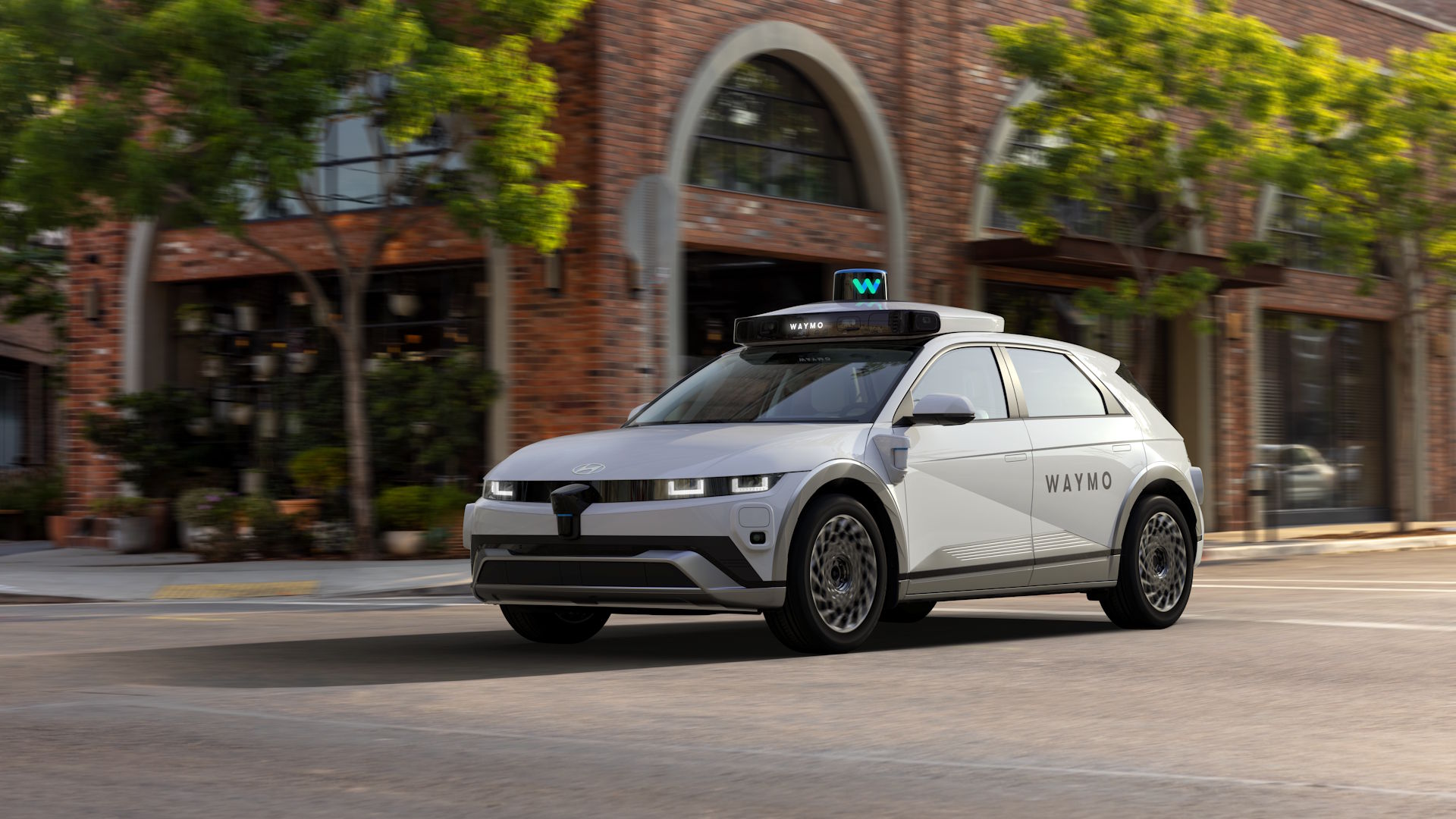
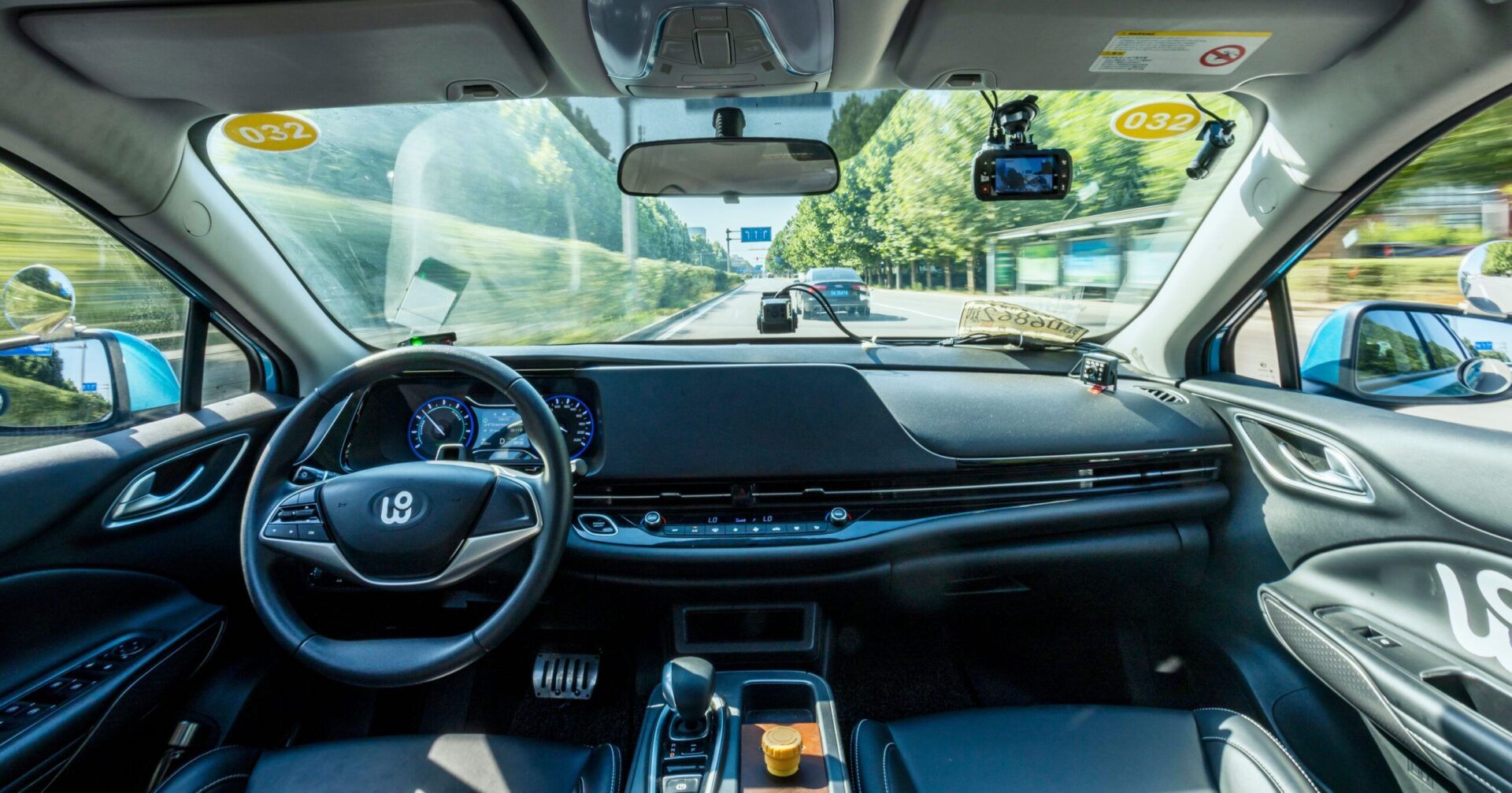
- Autonomous ridesourcing: in the future, autonomous vehicles will travel around the city or wait in designated areas, picking and dropping people on demand.
- Microtransit: a number of people rent a larger vehicle such as a large SUV or a microbus, which is then shared not unlike like a fixed-route bus, but with added flexibility.
Privately owned sharing economy platforms vs co-ownership
However, we should be aware of the dangers of Death Stars, as Neal Gorenfloco-founder of Shareable, warns. Leaders of companies like Uber express an explicit ideology of domination and limitless, global ambition. Drivers’ livelihoods are not their priority. They launch full-scale political operations with backroom operators and face-saving strategists. Dressed in terms like “sharing” and solving challenging urban issues, they are ruthlessly seeking domination by pressure from lobbying .
“What if Uber was owned and governed by its drivers? What if Airbnb was owned and governed by its hosts?” Platform cooperativism rises as the alternative to Death Stars as they share value with the people who make them valuable.
Shared mobility is in its early days. As people start to see the benefits and adopt the new urban culture, other shared mobility options will become available. Alternatives like carpooling with neighbors could have unexpected radical results in social cohesion. Other options such as shared ownership could lead to great last-mile transportation results.
Image | Paul Sullivan/Flickr