



*Author | Patricia M. Liceras
Pedestrianizing historic city centers is becoming increasingly common. The aim is to dethrone the car as the king of the city center in order to provide more areas for pedestrians, walkers and cyclists, reduce air pollution and create opportunities that allow new and closer relationships to be established between residents.
In fact, the “15-minute city” concept has gained popularity recently, defended by Anne Hidalgo, the Mayor of Paris. These are cities in which one can fulfil all their professional, educational, health, leisure or any other requirements, with short journeys from home, either on foot or on a bike. Particularly in the future post-COVID era, which will lead to the full emergence of teleworking and the subsequent reduction of journeys from home to the office and vice versa.
However, with this form of urban planning, which reduces or blocks car access. Is it all good news? Are there any downsides?
Advantages of pedestrianization

Pedestrianizing cities is an unstoppable trend at a global level and it does bring with it many advantages. It not only improves road safety, since most fatal accidents involving pedestrians and cyclists take place in city centers, but it also increases pedestrian mobility, which has undoubtable positive effects on the health of the population.
It also reduces pollution and improves the quality of life of residents and pedestrians, with less environmental noise, improved air quality and more spaces for green areas and socializing.
And of course, with wider sidewalks, people tend to walk more and can access stores more easily, which boosts commerce in the new pedestrian areas, and increases the value of property, which benefits owners.
Disadvantages of pedestrianization

However, replacing asphalt with cobblestones in order to make cities more pleasant for their residents and more respectful with the planet, is not a miracle tool devoid of disadvantages. Disadvantages tend to arise when cars are eradicated from cities, by means of a municipal ordinance, without proper planning and execution, and without offering suitable mobility options for thousands of affected people.
On the one hand, residents in these areas tend to use their cars in their day to day activities and restricting the use of their vehicles may lead, not only to the residents opposing these types of measures, but may even cause them to move to other areas of the city without traffic limitations. As a result, houses would be occupied mainly by students, temporary tenants and tourists, displacing the original population. Therefore, these processes must be flexible for residents, avoiding falling into a sense of leniency, which would diminish the effectiveness of the pedestrianization, but without strictness either, which could leave these places bare of their normal residents.
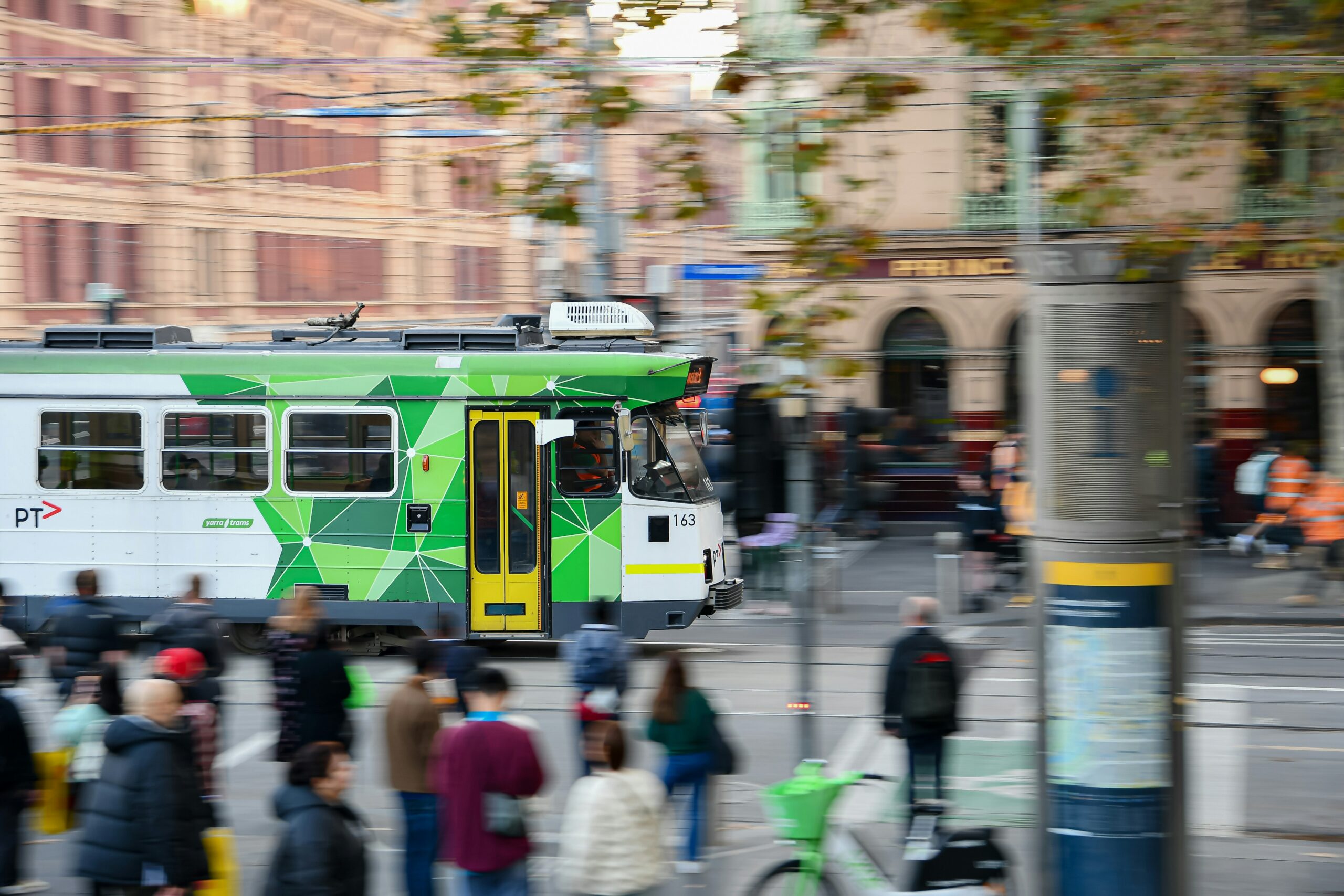
Convincing mobility options should also be offered to other groups that are particularly affected: residents of the suburbs who work in the center, since their journey to work would be greatly affected. Options which, among other aspects, should include boosting and extending the public transport network.
Furthermore, when an area is shut off to four-wheeled traffic, these vehicles do not just disappear as if by magic, instead, they end up concentrating on nearby roads, normally leading to traffic jams, air and noise pollution, car parking and traffic congestion, etc. Therefore, existing traffic flows must be carefully studied, to ensure the proposed restructuring plans do not saturate the surrounding areas.
Disadvantages that could be mitigated if the projects are managed with the right precision. Therefore, the pros do seem to far outweigh the cons, when it comes to living in cities that prioritize pedestrians over cars. The issue would not be whether or not to pedestrianize them, but rather how to avoid pedestrianizing them in a disorganized manner or just because it is in vogue.
Images | Jan Antonin Kolar, Julian Tong, Kilian Seiler