



Author | Eduardo Bravo, Elvira Esparza
According to the UN, 55% of the world’s population, 4.5 billion people, live in urban areas. However, cities barely occupy 3% of the Earth’s land surface. This does not prevent them from accounting for 60-80% of energy consumption and generating 70% of the world’s carbon emissions into the atmosphere. Sustainable cities have emerged to solve this problem. Or rather, cities have begun to appear that really are committed to sustainability instead of simply patching up issues.
What makes a city sustainable?
A sustainable city is one that aims to improve the quality of life of its existing and future inhabitants, respecting natural resources and seeking social justice. To achieve this, they provide access to basic public resources, they reduce CO2 emissions, they foster sustainable consumption, recycling and fair trade. There are many cities that have implemented solutions aimed at achieving these goals. These include those known as the C40, which have been working in this direction since 2005.
The most sustainable cities
The Arcadis Sustainable Cities Index ranks the 100 most sustainable cities in the world based on 67 parameters, including air pollution, waste management, investment in low-carbon infrastructure such as renewable energy and sustainable transport, social equity, and resilience to natural disasters.
In the latest 2024 edition, the report highlights that cities need to accelerate measures to tackle climate change and other sustainability challenges in order to achieve the UN SDGs by 2030.
In the ranking of the most sustainable cities, European cities stand out:
1. Amsterdam (Netherlands)
Amsterdam is the most sustainable city in the world because it has increased its share of sustainable energy sources and reduced energy consumption. It has developed a plan to become climate-neutral by 2050, cutting carbon emissions by 50% compared to 1990. Economically, it applies the doughnut model, which balances meeting basic needs while respecting ecological limits.
2. Rotterdam (Netherlands)
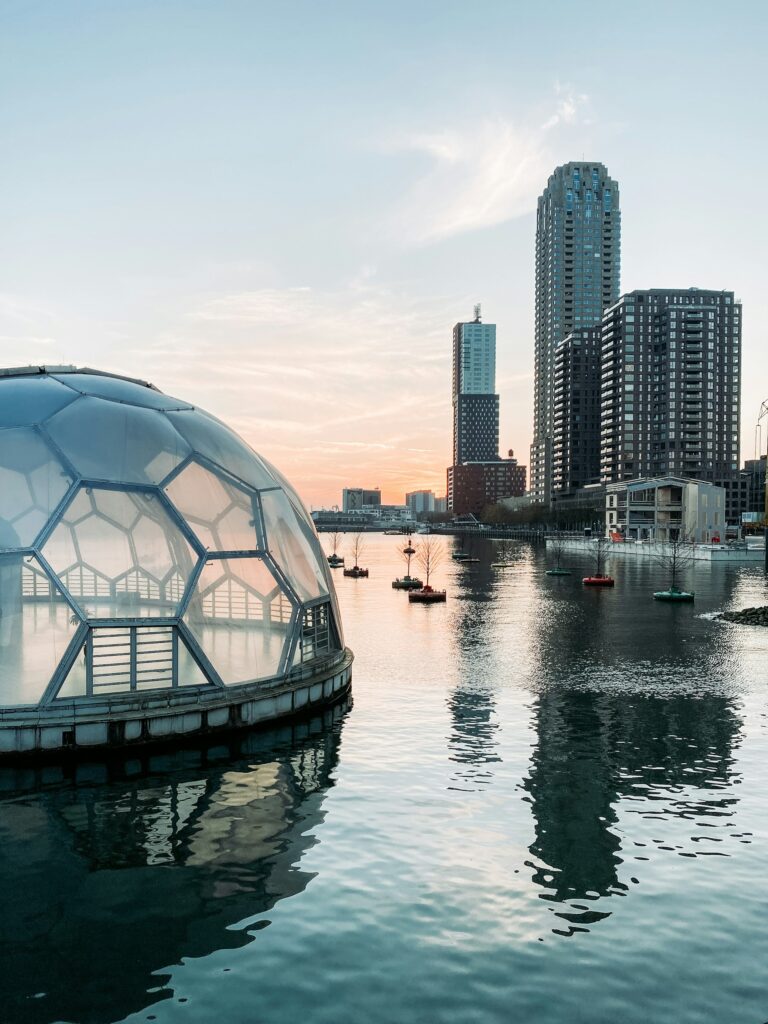
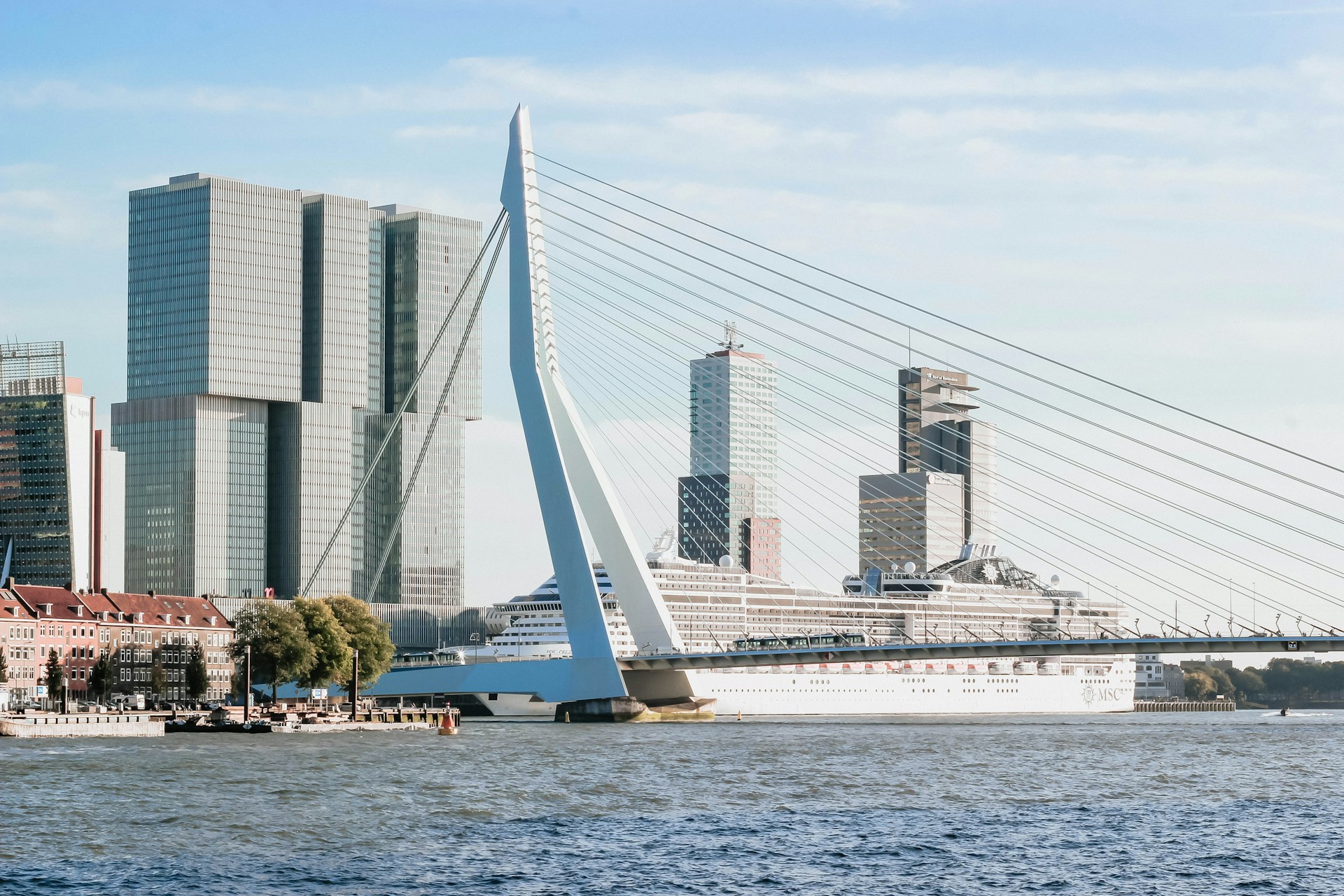
Rotterdam has risen to second place thanks to reduced carbon emissions and efficient waste management, which have improved air quality. However, the city needs to increase the share of green spaces, renewable energy, and sustainable mobility.
3. Copenhagen (Denmark)
The Danish capital is recognized for its environmental and climate policies, which have achieved high air quality and reduced emissions. It also promotes sustainable mobility, mainly through cycling. Its challenge is to maintain the pace of progress by investing in renewable energy and microgrids.
4. Frankfurt (Germany)
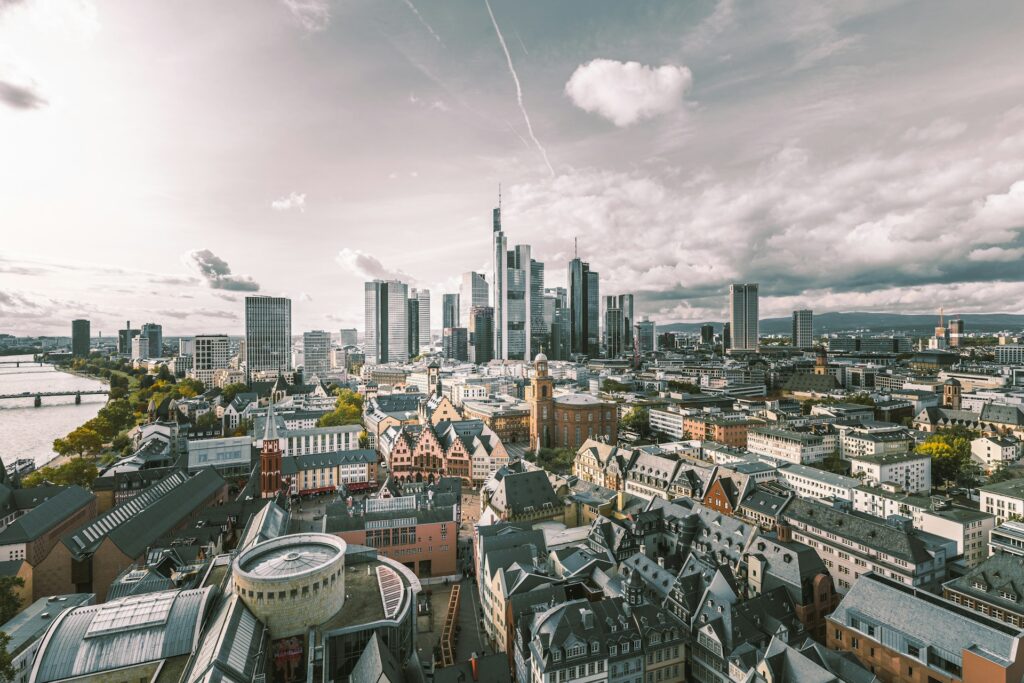
Frankfurt’s environmental strengths, which have placed it among the top-ranked cities, focus on high-quality water treatment and efficient waste management, aiming for climate neutrality by 2045. It has a strong green economy as an international financial hub, and although it has made significant improvements in recent years, it still needs to strengthen social accessibility and sustain energy progress.
5. Munich (Germany)
Munich has a solid environmental foundation thanks to its water policies and waste treatment, aiming to achieve climate neutrality by 2045, in line with other sustainable German cities. It has a strong economic base linked to innovation, industry, and the technology sector. Its pending challenges lie in improving social inclusion and quality of life to match its environmental and economic achievements.
6. Oslo (Norway)
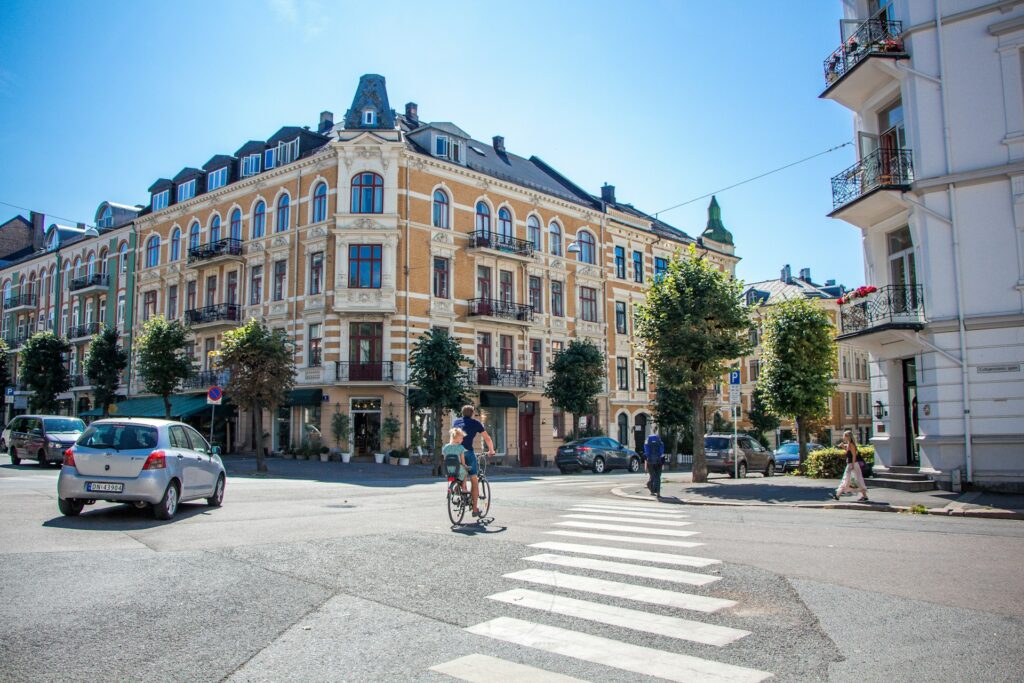
Oslo is recognized as the world’s electric vehicle capital, standing out in sustainable mobility and excellent air quality. It also has a vast amount of green spaces, but its high cost of living threatens social inclusion. Looking ahead, it may struggle to maintain the same pace of progress to achieve its 2030 decarbonization goal.
7. Hamburg (Germany)
The city’s environmental measures focus on advanced water management and an efficient waste management system. Hamburg is also notable for its strong public services and a good balance between education, healthcare, and public transport.
8. Berlin (Germany)
Berlin is the fourth German city to make it into the ranking thanks to strong environmental management, with the goal of achieving climate neutrality by 2045. In this effort, the city plans to create the world’s largest car-free zone. Economically, despite being a leading political and cultural hub, it lacks the dynamism of other capitals like London or Amsterdam.
9. Warsaw (Poland)
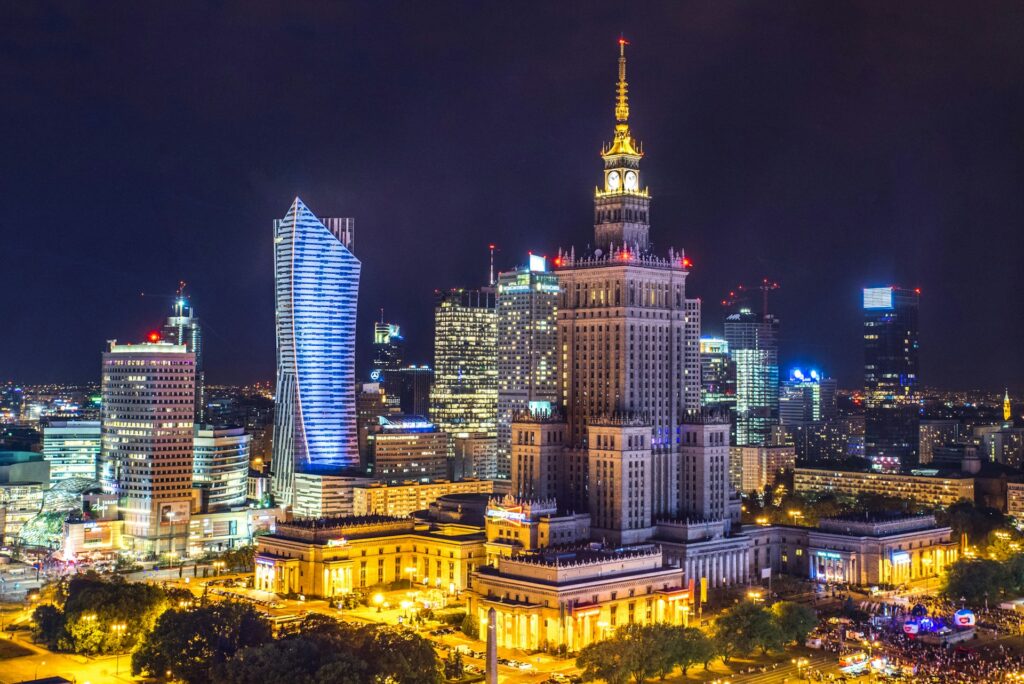
Although it does not match the environmental standards of German or Nordic cities, Warsaw has made notable progress in managing carbon emissions, expanding green infrastructure, and advancing sustainable transport. Its ninth place in the ranking is justified by its high access to education and healthcare, good work-life balance, and strong public transport network.
10. London (United Kingdom)
Its strengths lie in environmental measures that have reduced emissions, developed a sustainable public transport network, and created strategies to address risks such as floods and heatwaves. On the social side, it faces challenges from the high cost of living and limited access to housing. Furthermore, it is a global economic hub with a highly business-friendly environment and a diversified economy.
Images | micheile henderson/Unsplash, Nick Vernij/Unsplash, Kamil Gliwiński/Unsplash, Marleen Mulder-Wiesker/Unsplash, Igor Flek/Unsplash