



Author | Elvira Esparza
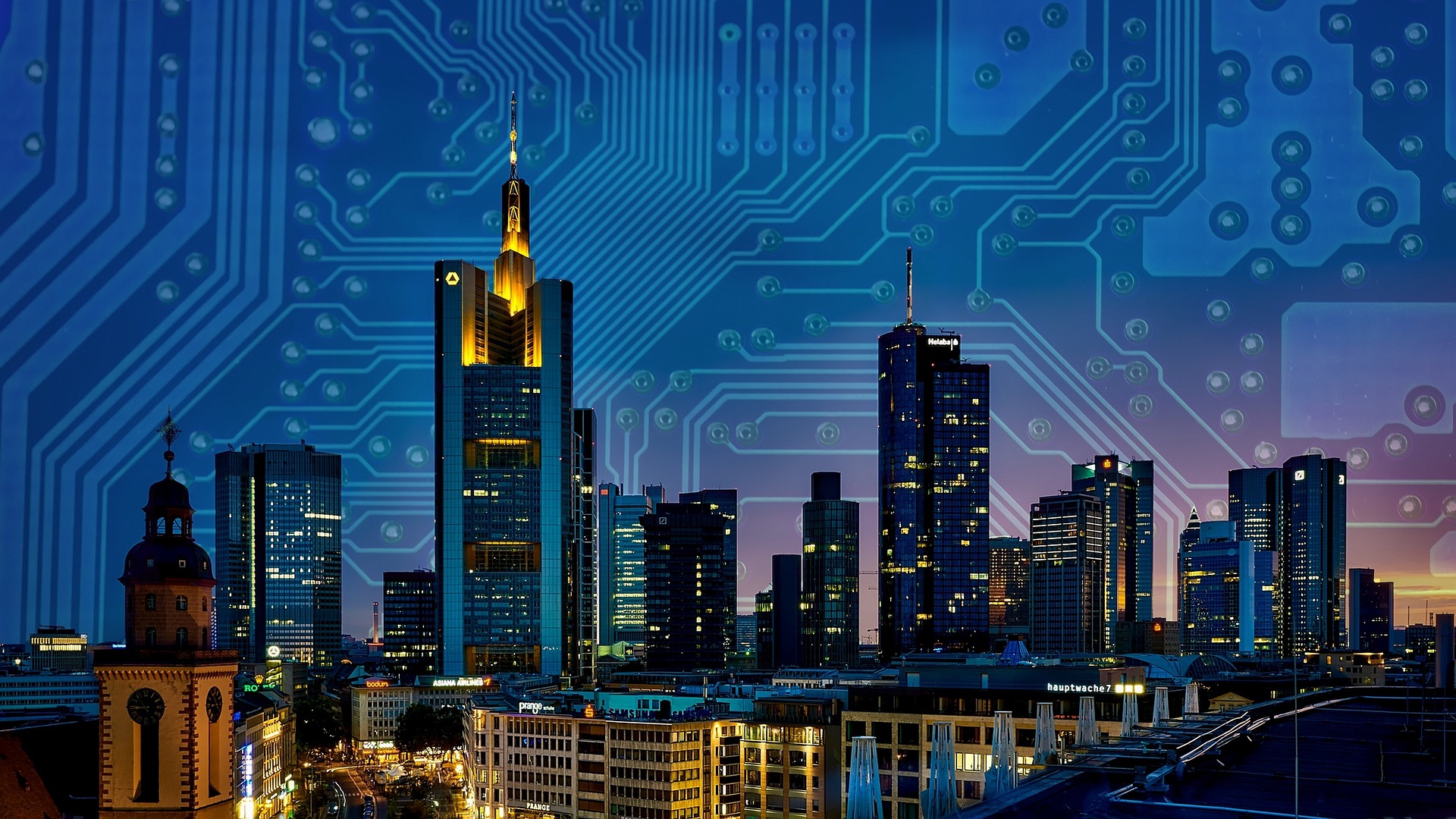
Smart cities achieve their goal of improving citizens’ quality of life thanks to the Internet of Things. IoT is a network made up of sensors and devices that facilitate the management of city resources, resulting in cost savings and improved environmental sustainability. The internet of things and smart cities already coexist, but there is still a long way to go.
What is the role of IoT in smart cities?
IoT plays a key role in smart cities because this technology enables them to operate efficiently and sustainably. It is the driving force behind smart cities, allowing service automation by connecting different devices and sensors through the internet to collect and analyze data in real time. This connectivity enables the optimization of public services while advancing sustainability.
Definition and scope: from devices to connected ecosystems
IoT (Internet of Things) is a collective network of connected electronic devices that enables communication between devices and the cloud without human intervention. It is estimated that by the end of this year there could be 21.1 billion IoT devices operating in smart cities, and that number will reach 39 billion by 2030, according to IoT Analytics.
Several elements come together in IoT:
- Sensors: responsible for detecting changes in air quality, traffic, or energy consumption in real time.
- Connectivity: allows devices, sensors, and the cloud to communicate with each other to transmit data.
- Data processors: their job is to process the data collected by the sensors and turn it into information to determine the action that needs to be taken.
Why IoT is transforming urban life and citizen services
IoT is transforming urban life by optimizing the management of urban services through sensors distributed across smart cities that can detect issues and trigger real-time responses. Smart cities use IoT to offer more personalized services to residents, resulting in greater efficiency and higher citizen satisfaction.
Key IoT areas in smart cities
Smart mobility and traffic optimization
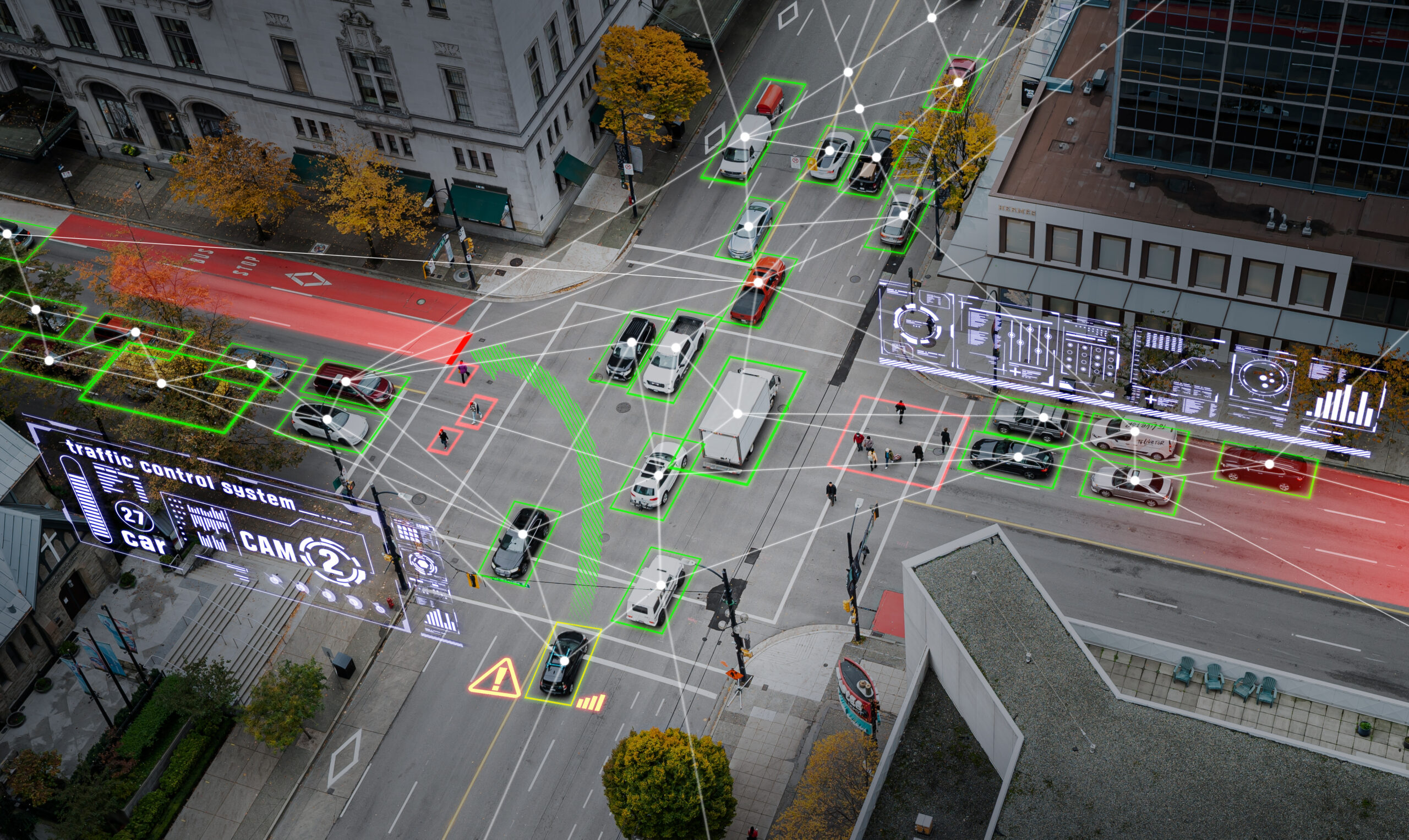
Traffic is a major issue in cities due to congestion and the pollution it generates. Through the use of smart traffic lights, intelligent mobility is achieved by adjusting signals in real time to prevent congestion and shorten travel times. In Los Angeles, adaptive signal control systems have reduced travel time by 10%.
In public transportation, the use of sensors and connected cameras provides information on where passenger demand is highest so those lines can be reinforced, making travel easier for users.
Environmental monitoring and efficient waste systems
IoT improves waste collection thanks to sensors installed in containers that notify when they need to be emptied, which has reduced emissions and operational costs for waste collection services by 30%.
Environmental monitoring focuses on tracking air quality, noise levels, and temperature, enabling quick responses to adverse conditions.
Energy grids, smart buildings and resilient infrastructure
Through internet of things and smart cities, water, energy, and lighting supplies can be monitored and managed in smart cities. In Barcelona, an intelligent public lighting system has reduced carbon dioxide emissions by 67%, while smart water management has lowered consumption by 33%.
Digital governance, public safety and citizen participation
Connected cameras, motion sensors, and emergency alerts can detect suspicious activities, especially during natural hazards such as floods, fires, or earthquakes, improving response and evacuation capabilities.
Mobile applications and open data platforms enable citizen participation by allowing residents to report issues and suggest improvements to public services.
User-Centric and Sustainable Innovation

Designing urban environments with IoT from the ground up
When designing smart cities with IoT, the first step is to identify the real needs of citizens regarding mobility, safety, accessibility, and sustainability. From there, appropriate services are designed to meet these needs with the involvement of residents, technicians, and managers, using data to enhance the overall experience.
The next step is to run pilot tests in targeted areas to validate the solutions, then scale them according to the results.
How to choose a Smart City IoT partner
Essential criteria: scalability, interoperability, security
The key principles of urban design with IoT are:
- Scalability: the system’s ability to grow with the city, integrating new technologies, devices, and data.
- Interoperability: the ability of systems to communicate with each other and exchange data to achieve the goal.
- Security and privacy: referring to both citizens’ data and the protection of infrastructure against cyberattacks.
Common mistakes to avoid in IoT-enabled city projects
The most common mistakes are related to the key principles of urban design:
- Lack of interoperability: selecting systems from different providers that lack communication with each other results in compatibility problems and operational failures.
- Poor scalability planning: designing the system for a limited number of devices or users prevents the network from growing.
- Ignoring security and privacy: this can result in the theft of personal data, sabotage, and loss of trust.
- Failing to measure ecological impact: this contradicts the sustainability goals of smart cities.
- Disconnection with citizens: focusing only on technology without considering citizen participation is a mistake, as it leads to social rejection and low adoption.
The Future of IoT in Smart Cities
The trend of IoT in smart cities is focused on implementing IoT solutions in urban infrastructure to improve traffic management, public safety, and the efficiency of municipal services.
Emerging trends: AI, 5G, edge computing, and digital twins
IoT increasingly uses AI and machine learning to streamline data collection. With AI and machine learning, it is possible to process large amounts of data, analyze it, and learn from it. The larger the data sets, the more accurate the strategic insights provided by advanced AI-powered analytics.
Edge computing is a computing architecture that allows data to be processed close to its source without needing to send it to a cloud data center. The advantage of this technology is that it reduces latency and increases speed and efficiency by processing data locally.
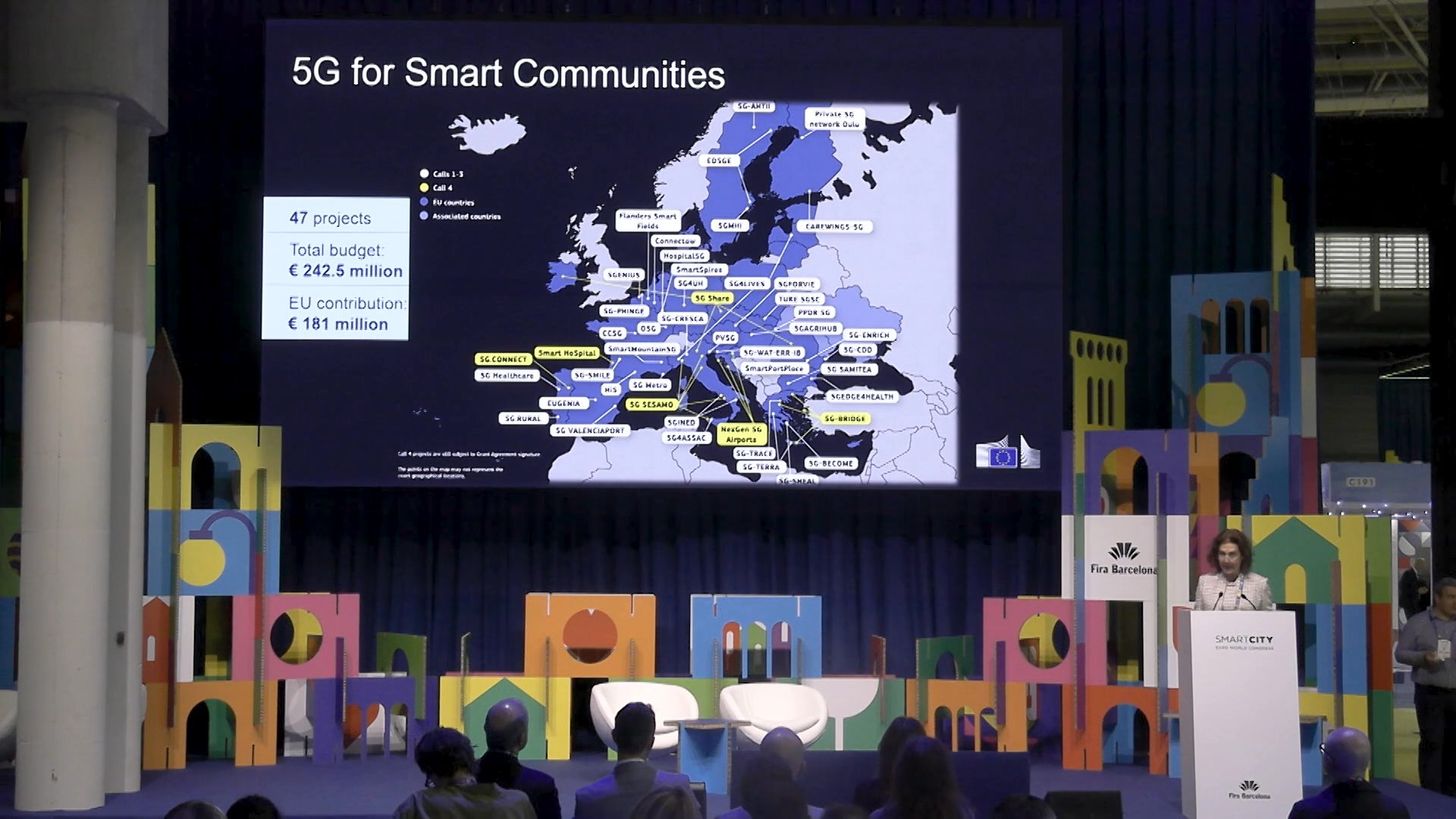
With 5G networks, the connection between devices is faster and more reliable because of higher bandwidth, allowing the transmission of large volumes of data. Other benefits include low latency, higher device density, and greater energy efficiency.
Digital twins are exact replicas of physical objects in a digital world, created from real-time data that is constantly updated. In smart cities, digital twins receive data from vehicles, buildings, and infrastructure, which is combined with additional data from smart devices, the Internet of Things (IoT), or AI to improve and accelerate solutions.