



Author | Lucía Burbano
The virtual office has been gaining popularity since remote or hybrid work came to stay with the COVID-19 pandemic. Apart from saving the costs associated with running a physical office, virtual offices offer a dynamic that is particularly popular among entrepreneurs, self-employed workers and small enterprises. The creation of web-based productivity programs and services has helped boost this virtual transformation. However, it does not seem like the traditional office is going to disappear, instead, it seems to be undergoing a rapid transformation to adapt to the new workplace reality.
What is a virtual office?
Technology is undoubtedly revolutionizing the way we work. It is changing and making work dynamics more flexible, which means the old, rigid, traditional offices, which are less given to generating collaborative environments, are having to be redesigned. This involves a series of trends that will constitute the before and after in the physical and the virtual work space.
A virtual office or space does away with all the physical aspects, without giving up the advantages of having a presence thanks to the Internet. For example, even without a physical address, virtual offices offer a series of services such as a tax and corporate domicile, receipt of regular mail and phone calls.
Even so, it is unlikely that physical offices will disappear, for two reasons mainly:
● Companies prefer their employees to be in the same place, working the same hours, which enables control mechanisms to be implemented, particularly with employees whose work is not necessarily quantified through results.
● Traditional offices enable a more spontaneous exchange of ideas (over coffee, for example) and generate relationships between work colleagues.
Are companies reducing the size of their offices?
In general, we could say that they are. Accordingly to an article in the Harvard Business Review in July, in New York, for example, office vacancy rates have risen 11.3% in the last year and now stand at the highest level in 27 years.
In the United Kingdom, large corporations plan to reduce their portfolio of offices by more than 800,000 square meters, which is equivalent to 14 Walkie Talkie buildings -the 37-story skyscraper in Fenchurch Street in London- according to a survey conducted by PricewaterhouseCoopers of 258 companies in the country.
These surveys illustrate that most workers prefer to combine remote work with work conducted in a physical office two or three days per week. As they do not need the space to accommodate all the workers every day, companies must give priority to the quality of the space over the number of square meters.

The office of the future: flexible and sustainable.
And this leads us to ask ourselves, how should these offices be designed to adjust to this new reality? The current context offers the chance to look at the characteristics required of an office.
Promoting the three Cs: creativity, collaboration and communication
The division of spaces using closed cubicles is a thing of the past, which the pandemic managed to finish off: diaphanous spaces foster communication and collaboration within a team and among various departments.
Implementation of technology
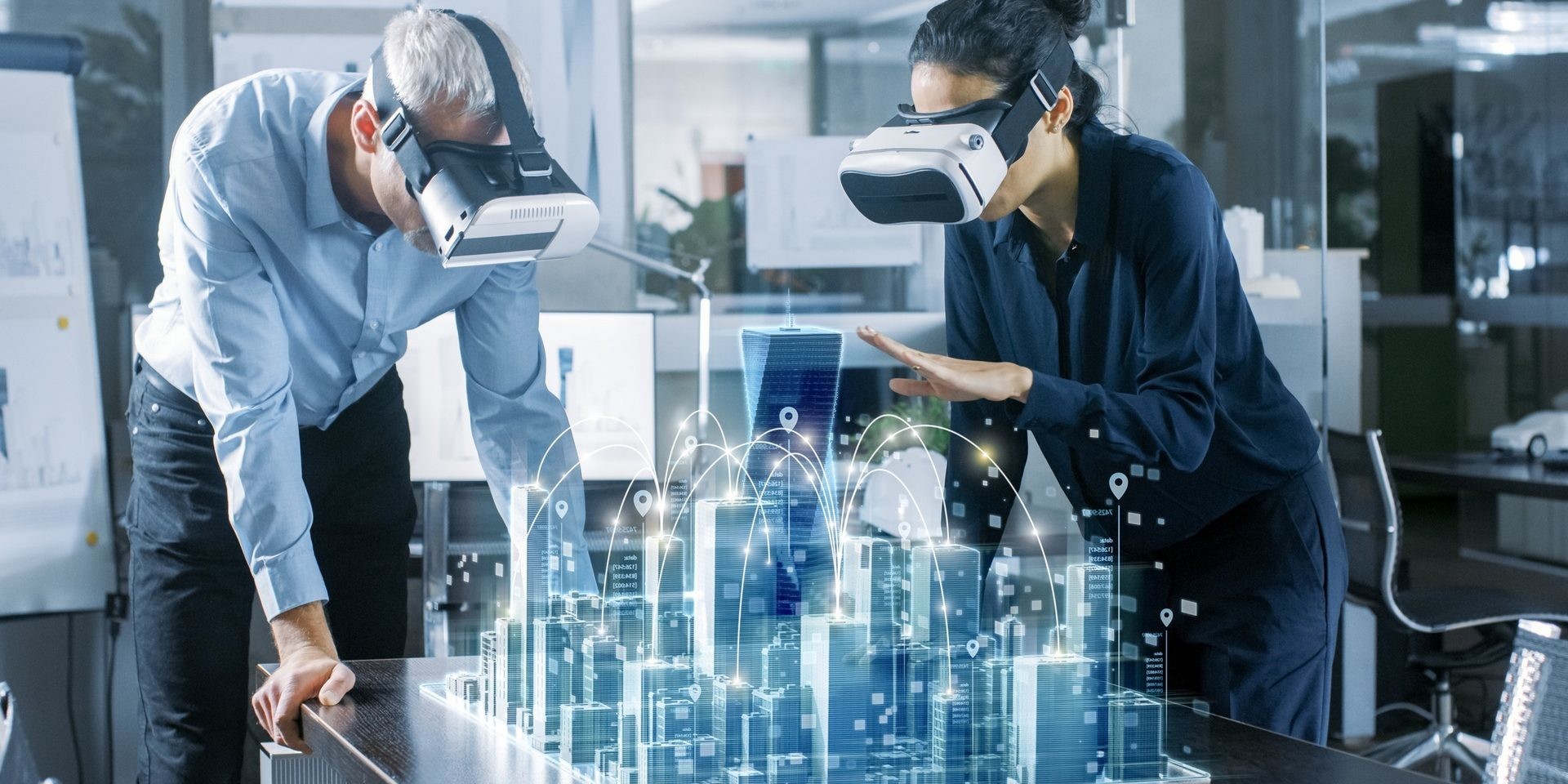
The hybrid system has done away with the traditional desk assignment. Many companies already have an internal management system that allows each worker to reserve where they would like to sit in advance.
Healthier and more sustainable offices
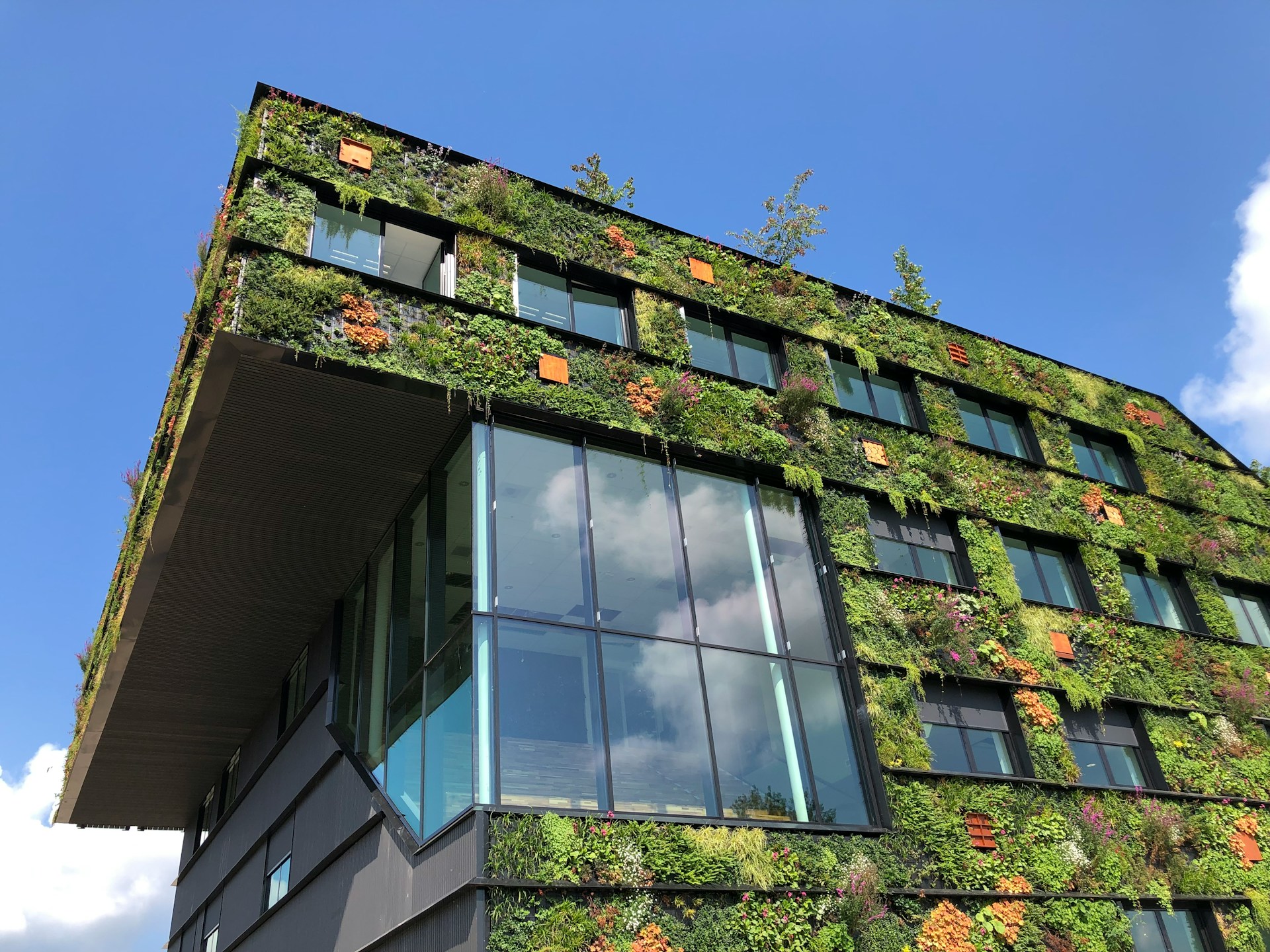
As companies rethink and assess whether they need to have a physical space, energy efficiency is gaining points as a value proposal. The implementation of smart air conditioning and heating systems and fewer members of staff, is a chance to reduce the environmental footprint and improve aspects such as air quality.
Is the new work routine changing the appearance of cities?

Cities exist for two reasons. The first is that they are spaces focused on the productivity of their inhabitants who, in turn, contribute to the economic health of the cities. Companies benefit from being near to other companies because they generate a kind of feedback loop: competitiveness, salaries and their benefits all increase.
From a consumption point of view, local businesses such as restaurants, stores, banks and cafeterias located in the neighboring areas also benefit, thanks to the number of people working in offices each day.
The location of the workplace is still a key factor in terms of attracting talent. For many workers, commuting to the office every day can be a chore or a pleasure depending on the transport facilities and the area in which they are located, whether these are located in the center of the city or in suburban areas. Each to his own. It seems that physical offices will not disappear completely but they will have to adapt to social and labor transformations.
Photos | Unsplash/Sigmund, Unsplash/Redd, Unsplash/ Mike Kononov