Author |Raquel C. Pico
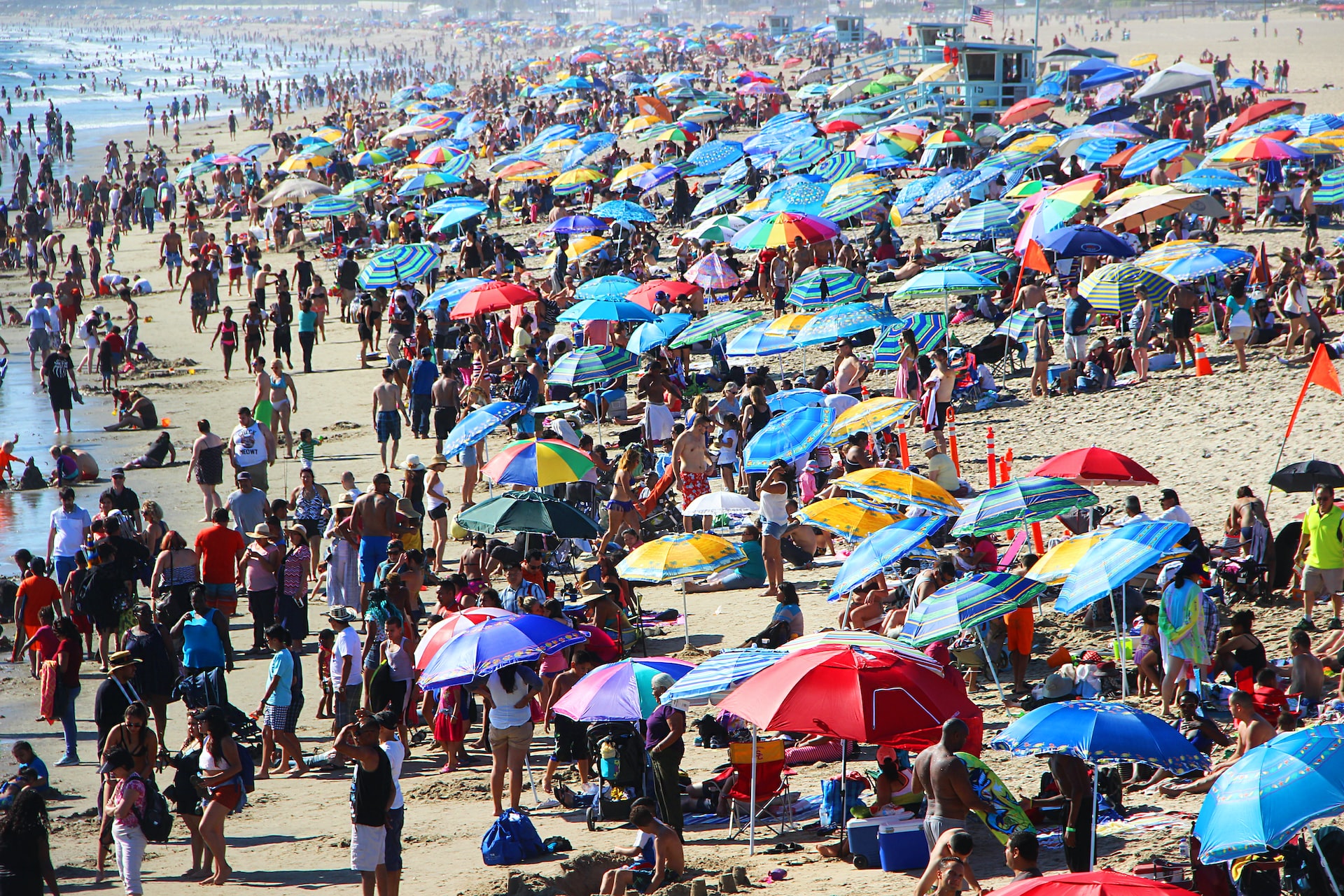
Recent data from the World Economic Forum reveals that global tourism has returned to pre-pandemic mobility levels. This resurgence in travel aligns with a surge in visitors to certain cities, which are increasingly experiencing the effects of “touristification” — the negative consequences of mass tourism.
The challenge for future travel lies in developing a sustainable tourism model, where travelers and local residents can coexist harmoniously, and environmental preservation is prioritized. Some initiatives are already offering a glimpse of what this alternative approach to tourism could be like: CopenPay is one of them.
Transforming sustainable tourism into experiences
As part of its summer campaign, CopenPay rewarded tourists who opted for climate-friendly travel choices during their visits to Copenhagen. This project was backed by the city’s tourism service, with the aim of, as stated in the press release for the initiative’s launch, “transforming green actions into currency for cultural experiences.”
In this way, sustainable tourism aligns with the rising 21st-century trend of experiential travel. “With Open Pay, we’re empowering people to experience more of what Copenhagen offers while placing less burden on our planet.”, said Mikkel Aarø Hansen, CEO of Wonderful Copenhagen, during the launch of the initiative.
In a sense, rather than adapting the city to meet tourists’ needs, the initiative encourages visitors to integrate into the city’s patterns and philosophy. Copenhagen, with its 382 kilometers of bike lanes and 62% of residents using bikes to commute to work, is a city deeply rooted in green traditions. To align with sustainable tourism, they have developed a program with a straightforward structure and enjoyable objectives.
Free coffee for cycling

The system operates in a simple yet effective way, encouraging travelers to make more sustainable choices. Tourists earn rewards for each responsible decision they make, whether it’s opting for public transportation or participating in urban gardens.
For instance, helping to clean up litter in Sparta Park earns you a free coffee and Danish pastry, while bringing plastic waste to the National Gallery of Denmark and participating in a workshop to turn it into art offers a similar reward. Additionally, cycling, using the subway, or walking to the Copenhagen Museum entitles you to a free coffee. To receive the rewards, visitors simply needed to provide some form of proof that they completed the expected green initiative. However, a wide range of evidence was accepted, as the system was “based on trust.”
So far, CopenPay has only been implemented as a pilot program. As announced on the city’s official tourism page, the initiative has now concluded, having operated from July 15 to August 11. They are currently evaluating the success of this responsible tourism program, with the goal of ensuring it becomes more than just a fleeting initiative. They hope not only to repeat the program in the coming years but also to export the concept to other cities.
The challenge of sustainable tourism

Sustainable tourism considers all the impacts of tourism activities in order to develop a responsible tourism strategy. This means that, beyond the positive aspects like job creation and monument preservation, it critically examines the working conditions of tourism sector employees, the environmental cost of people’s movement, and the impact that tourism flows have on the cities and their residents. Armed with this data, the goal is to find solutions that address and correct the negative aspects of tourism.
Under this umbrella are concepts like responsible tourism, where travelers aim to minimize their negative impacts and adopt best practices, and ecotourism, which combines travel with the protection of ecosystems.
We could say that sustainable tourism represents the latest historical evolution of tourism, closely tied to the social and economic changes of recent decades. More people are traveling than ever before, and the number continues to rise. In fact, future projections for the tourism industry suggest it will surpass the levels reached before 2020. In the first seven months of 2024 alone, the UN World Tourism Barometer reported that 790 million people traveled globally, an increase of 11% compared to 2023. The greater the tourism load, the more significant the negative impact becomes if corrective measures are not implemented.
Cities are at the forefront of this rising wave of visitors, making tourism pressure deeply intertwined with the trends that will define their future. Many European cities, such as Lisbon and Porto in Portugal, and Barcelona and Malaga in Spain, are prime examples. They are experiencing the effects of tourism pressure on their real estate markets, which is widening inequality gaps among residents. Thus, sustainable tourism is a crucial element in shaping more livable cities for the future.
Photos | Oleksandr, Carlo Villarica, Michael Jerrard