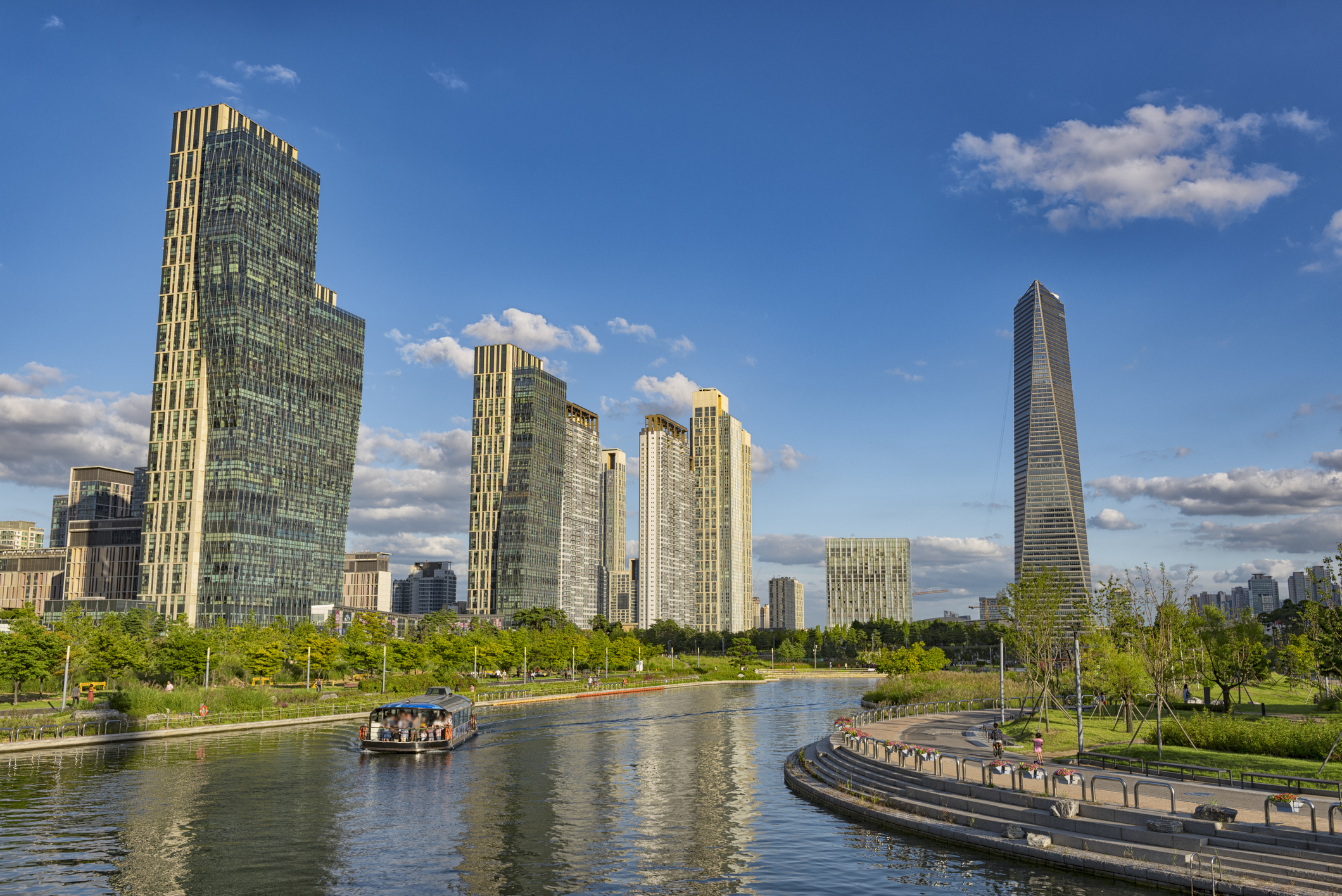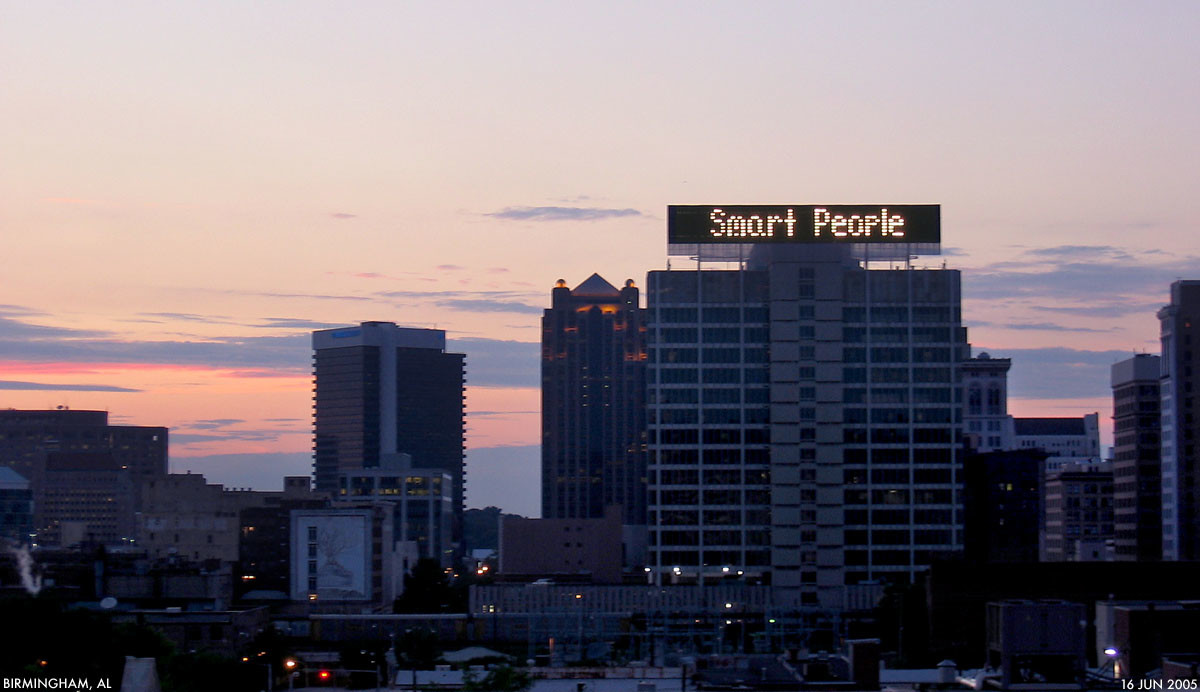




Author | Esther FuldauerIn a time of austerity with extreme measures and budget cuts, we would imagine that the last thing we want to do is spend more on technological investments with dubious outcomes. The past has showed us that technology becomes obsolete in a blink of an eye. We wouldn’t want to invest in proprietary technology that risks becoming locked in and rapidly becomes obsolete.Besides problems are so complex that they are beyond the mere use of technology. The whole of society must become involved. So beyond the glittery smart technology, what is smart city all about?Our cities are growing faster than ever. Cities already hold 54% of the world’s population, are expected to increase 66% by 2050, 90% of that growth happening in Asia and Africa. Current municipal infrastructures and services are no longer capable of dealing with challenges which are becoming harder to solve.Just as the challenges in sustainability, congestion and wider use of public transport, traffic management and energy management are becoming more complex, cities can also offer more opportunities to solve these issues, because their larger concentration of talent and resource gathering potential leads to more technological innovation, new business models and services.By using open innovation models originally developed for business, citizens and public servants with diverse fields of knowledge can now co-create new municipal services solving severe problems, impossible to solve from a centric top bottom approach.Moreover, data can now be collected from sensors or crowdsourced from citizens, and shared as open data to find out how changes in the system are affecting the whole. New models can be quickly tested within a fraction of the time and cost of traditional structures. There are two other benefits of increasing the number of data-gathering networks and analyzing their data, the ability to visualize new applications by collating data and to forecast new outcomes.Circular economy business models are also bringing more savings in efficiency in terms of infrastructure maintenance and savings in consumption of raw materials. Peterborough (UK), named Smart City of the Year 2015, has a collaborative approach to citizen involvement that is an excellent example of the bottom-top vision of a smart city.If you ask them what makes them succeed they say, “Certainly technology is helping cities meet their challenges quicker, but the real motor of it all is their engaged citizens. Having successful programs that encourage people coming together, testing their ideas with technology and sufficient funding for their programs. Thus the Innovation Challenge Fund and Test Bed Fund have allowed us to support the great ideas of 11 startup businesses and SMEs in Peterborough.” The outcome is a city that is compassionate, creating new business opportunities as it becomes more sustainable and efficient with a higher quality of life.Image | Dystopos/Flickr

Smart Cities and Urban Development: Building Sustainable and Connected Futures
Governance