



Author | Ariadna Güell Sans, Co-coordinator of the Time Use Initiative
Time is at the centre of any day-to-day conversation one may be part of, —or, more precisely, the lack of time. How many times have we said we did not have enough sleep? How difficult is it to be on time at our children’s school? Not to speak about the long extra working hours that diminish our productivity, and cause fatigue or stress (as demonstrated by ILO); nor the sense of wasted time waiting for commuting (as 71% of French people do).
This happens because our time is structured by an outdated view of the world, the eight-hour triangle model, in which eight hours were assigned to paid work, eight hours to rest, and eight hours to leisure. That model leaves out of the 24-hour day both care activities needed to sustain life and commuting times, and therefore causes time stress for a lot of people, especially women who feel that they do not have enough time within their day.
This phenomenon was analysed by UNDP under the concept of time poverty. According to them, time poverty affects 20 to 30% of the population, depending on the country and other personal circumstances (such as gender, race, or family responsibilities). This is where time policies come into play.
“Organising time at the city”, implementing time policies to achieve urban welfare
Time policies are public or private initiatives aimed at improving balance and coordination of work, care, rest, leisure, and participation times, adapting them to the needs of all citizens. They were born at the end of 1980s and extended all over Europe quickly. Italy passed a law granting municipalities and regions the power to execute coordination plans for time in the city. France did the same, firstly at the national level but also at the local level. In Spain, such movements were done at the regional level, namely in Galicia and Catalonia, or locally, in Barcelona.
Now, we are at the beginning of a second generation of public time policies — one that uses innovation to solve major problems affecting the urban landscape. This second generation tackles key challenges of our times, namely the climate emergency, the impact of digitisation, or the need for greater equality between men and women, prompted by the new feminist wave.
Time polices are, by nature, cross-sectoral, which makes them key to potentially change all aspects of day-to-day life for the better. They always follow a participative methodology, that includes all interested stakeholders, from companies to civic associations.
Some examples of already implemented time policies include improving work-life balance, designing proximity services, deploying chronourbanism, or valuing unpaid care work. Nonetheless, it is an extremely complex topic to deal with as well. Such a work can overwhelm civil servants and elective representatives. That is why the Local and Regional Governments Time Network was created.

A Network for cities, metropolises, and regions
The Network is a meeting space allowing policy exchange, knowledge creation and good practice transferability when organising time. That is the role of the Local and Regional Time Agenda — it shows specific, transformative time policies that are already in place in municipalities, metropolis, or regions. Moreover, it aims at enabling discussion between the academia and public institutions, so trending concepts on urban governance —such as city resilience— can be directly related with time.
The Network is also where diversity can be found and shared. Time policies do not provide a single, one-fit-all recipe for urban challenges. On the contrary, they can be adapted to specific needs in different contexts. That is the reason time policies are also a popular concept in Latin America, with outstanding examples in the cities of Bogotá and Buenos Aires.
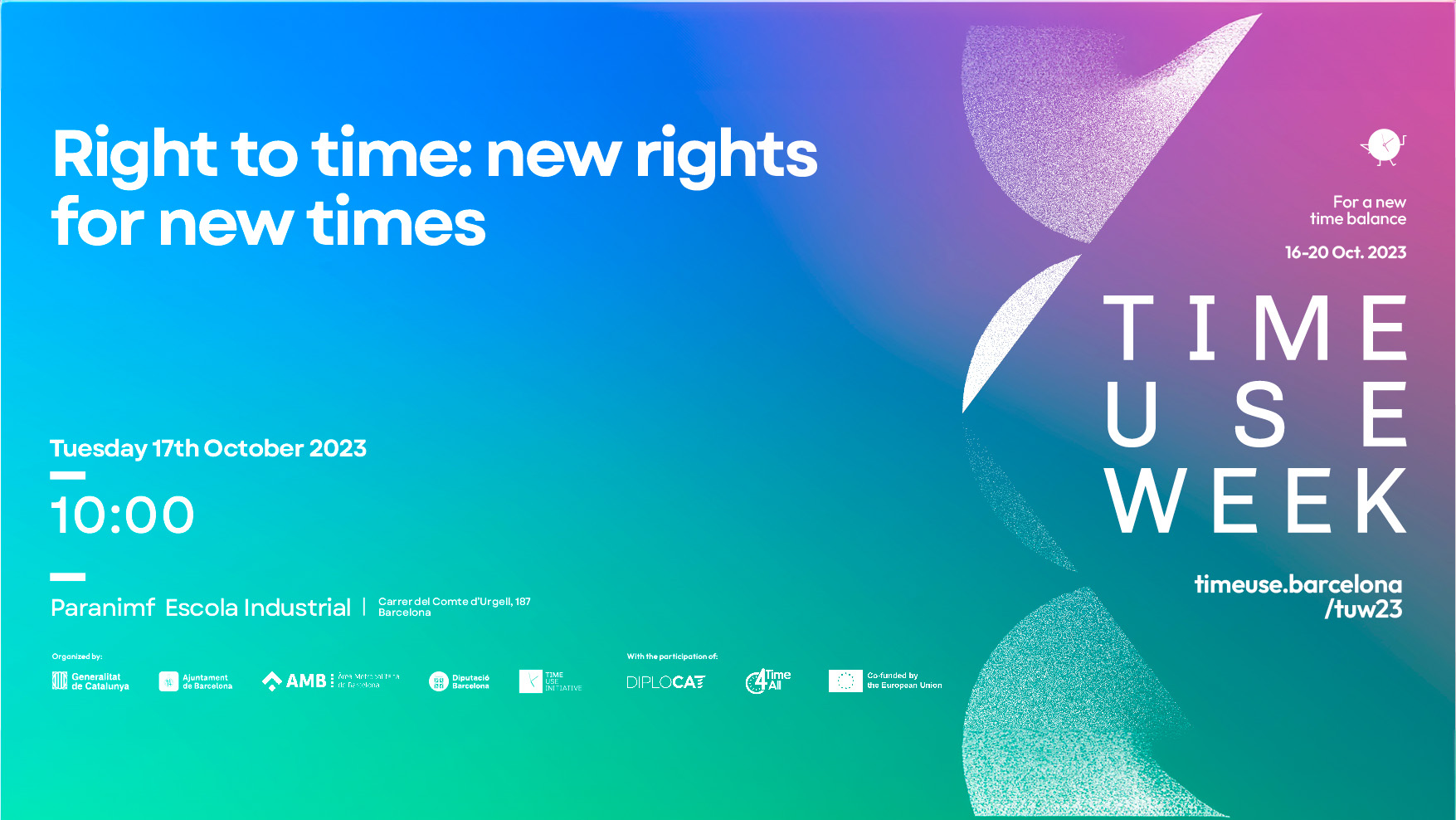
Lastly, the Network is the forum where an innovative concept for urban welfare is being developed: the right to time. In October, the Network’s General Assembly will be a new landmark for defining such a right taking into account what cities, metropolises, and regions worldwide are beginning to discover: that having time cannot be a luxury, but an essential element for a good quality of life.
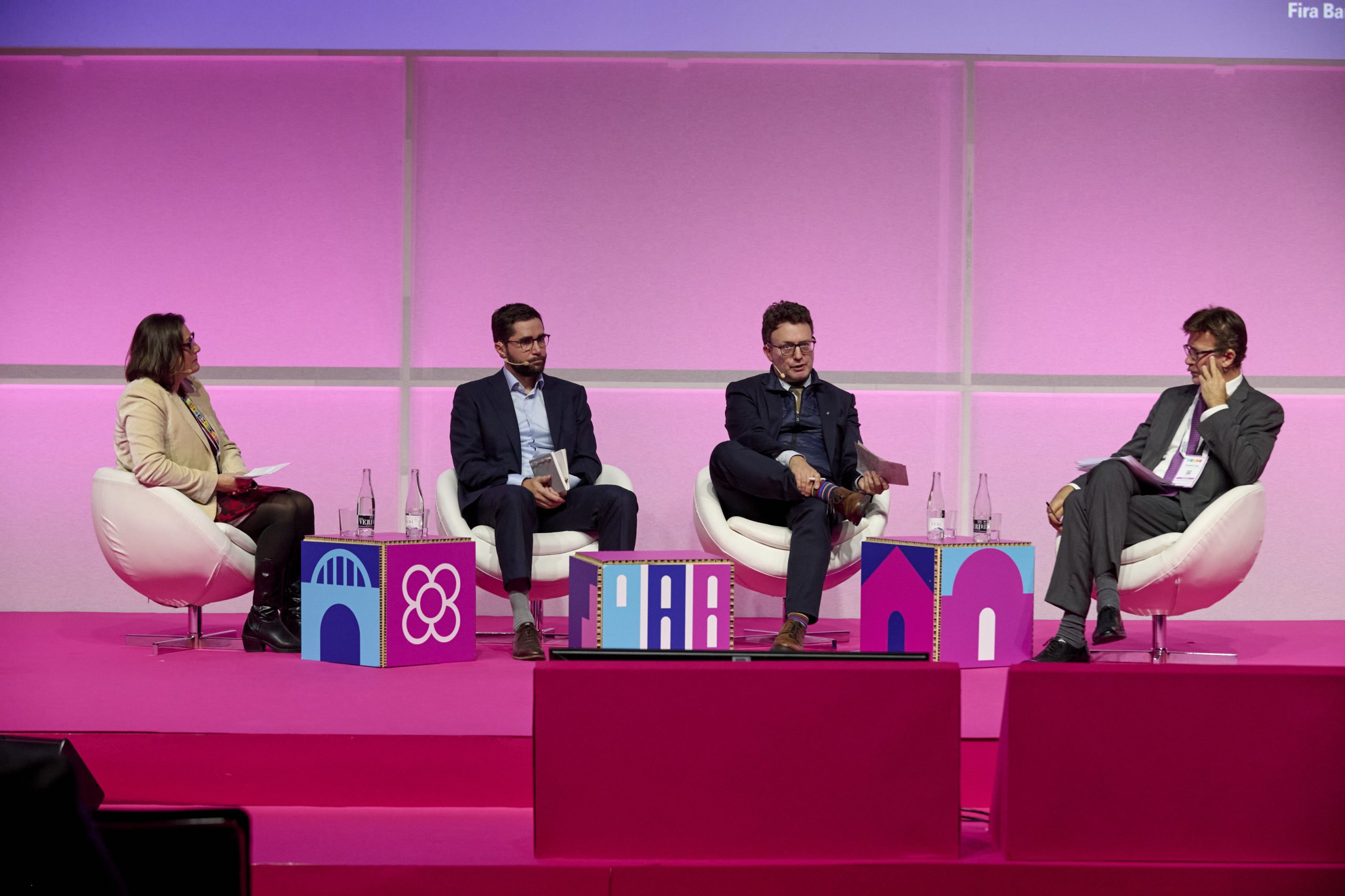
We hope to share these ideas at the next Smart City Expo World Congress in Barcelona, where the network will organise a dedicated workshop.
Image | Guilherme Stecanella, Unsplash,