



Author | Lucía Burbano, Elvira Esparza
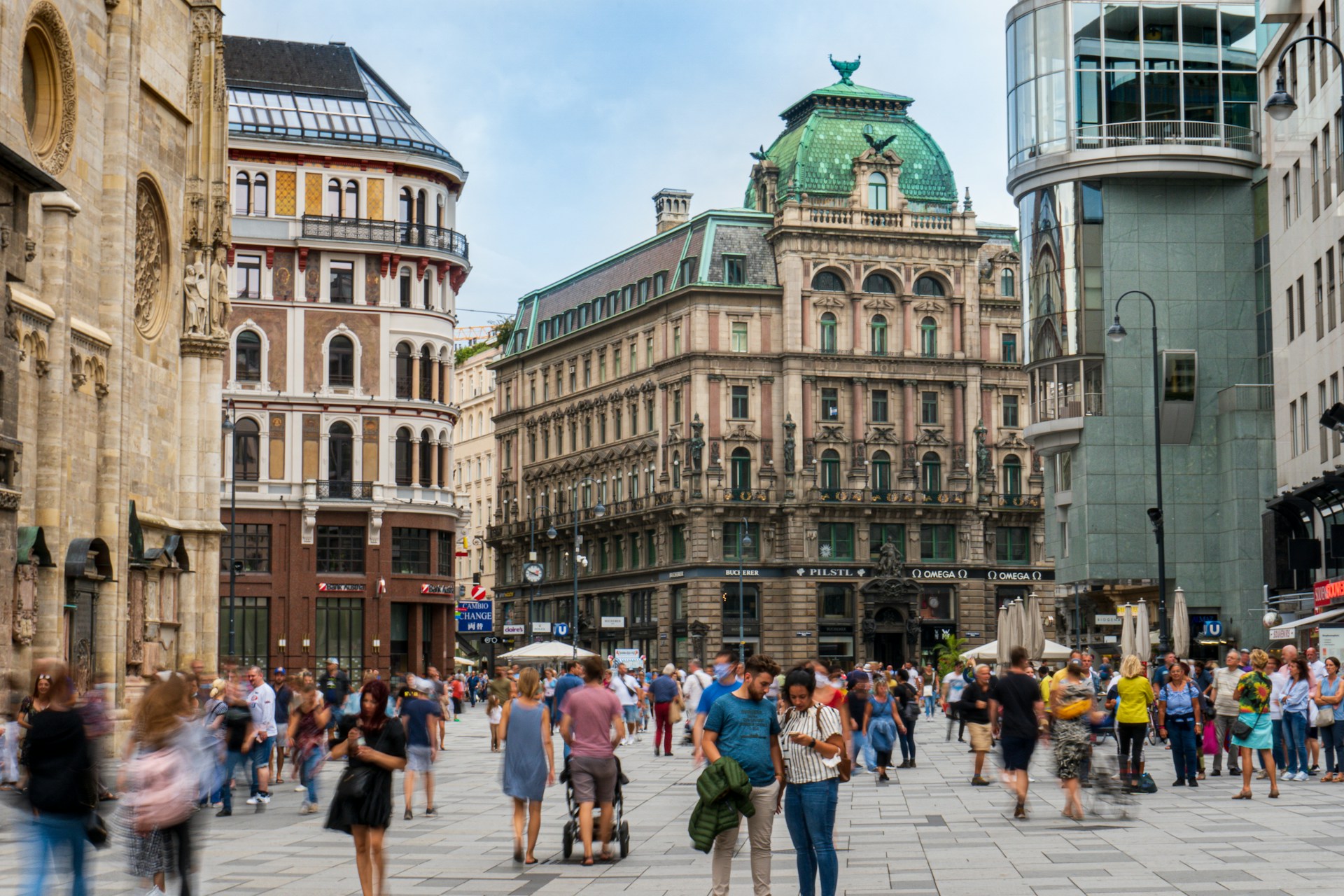
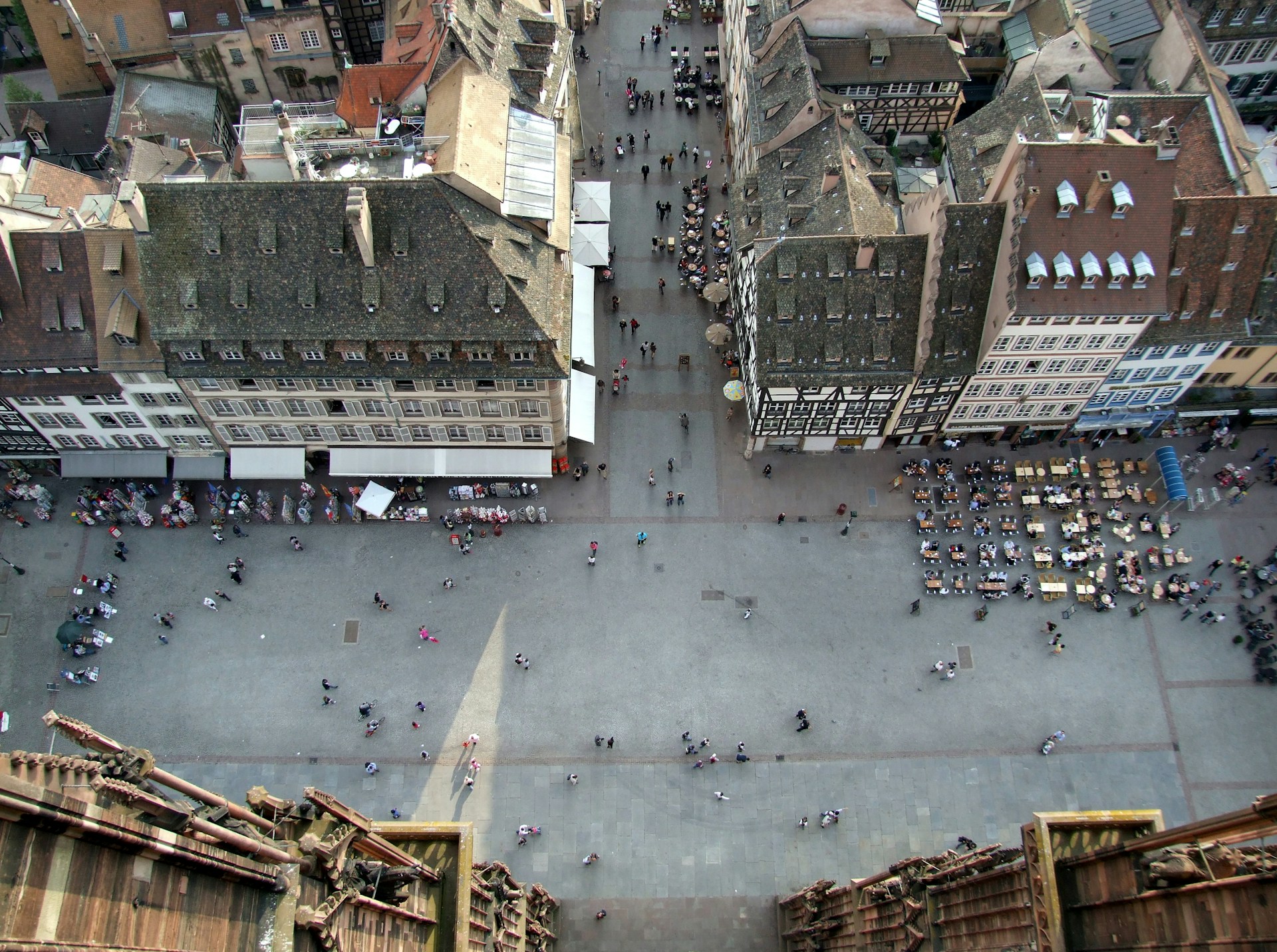
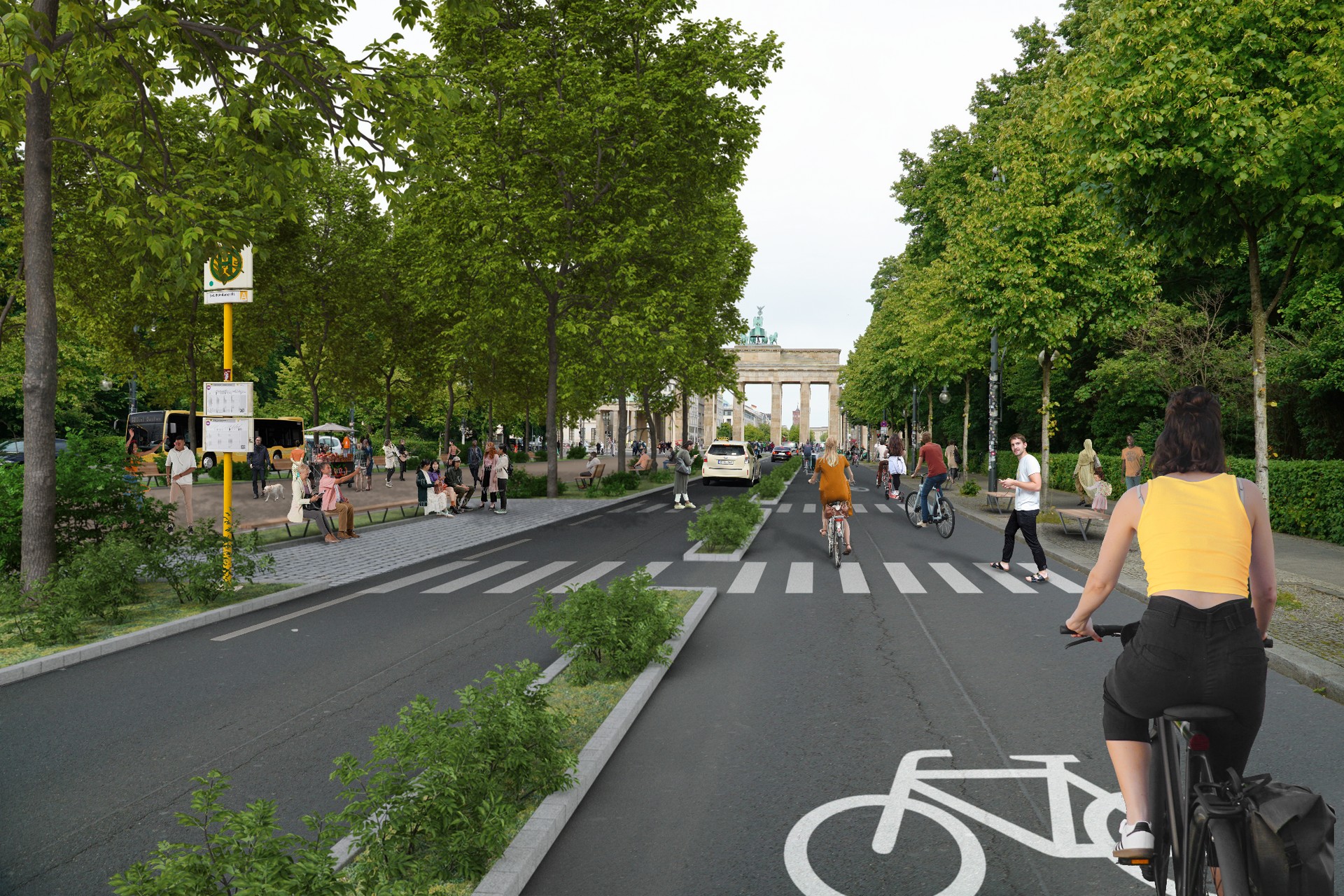
Cities are standing up to private vehicles with numerous strategies aimed at pacifying specific urban areas in favor of public transport, bicycles, scooters and pedestrians themselves. The most radical proposal to date is that of Berlin, where citizens are promoting a car-free zone covering an area larger than Manhattan.
‘Volksentscheid Berlin Autofrei’ (VBA), a citizen initiative
This initiative came about in a meeting between three friends held in 2019. This is where they considered whether it would be possible to ban vehicle access within the S-Bahn ring, which covers an area of 88 km², larger than many medium-sized European municipalities.
The aim, apart from the obvious environmental benefits, since air quality improves drastically in cities with less traffic, is also to offer its residents greater comfort, socialization and safety. It is important to remember that Germany has one of the highest number of vehicles per person: 574 per 1,000 inhabitants. In addition, 60% of the space in Berlin is allocated to cars, even though only 14% of trips within the S-Bahn ring are made by car.
Without vehicles, but with some exceptions
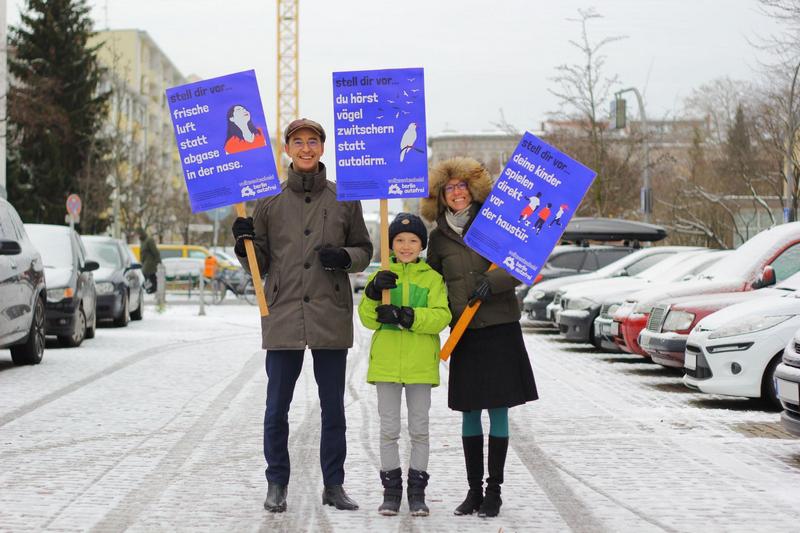
This is why the Volksentscheid Berlin Autofrei (People’s Decision for Auto-Free Berlin) was formed. With the help of solicitors, who provided their services free of charge, the group prepared the Berlin Law for Road Use Based on the Common Good, consisting of the following measures (with some reservations).
Special access permits
Emergency vehicles such as fire engines and ambulances, garbage trucks, taxis, commercial and delivery vehicles and residents with reduced mobility, will have a special long-term access permit that can be applied for online.
Shared vehicles
Carsharing programs will be promoted, allowing them to be used up to 12 times per year if necessary.
Private exceptions
For moving home, travel, etc., the proposal is based on a QR code that can be printed online and placed on the hire vehicle windscreen without the need for any further procedures.
Promoting public transport
Those behind the proposal believe this new regulation will provide the necessary boost to expand public transport lines and improve connections between suburbs and the area of S-Bahn.
Costs and savings related to this measure
According to Volksentscheid Berlin Autofrei, the application of the bill does not involve huge investments. They estimate around €5 million per year for administrative expenses, investment to control the perimeters of the car-free zone and other additional costs in the national budget.
On the other hand, around €425 million would be saved with the measure, which would be the costs derived from private transport (accidents, traffic jams, emissions). Taking both concepts into account, they claim that the law would save around €420 million per year.
What stage is the initiative at?
In April 2021, VBA began collecting the signatures of the residents of Berlin, collecting in excess of 50,000, when 20,000 would have been enough, with the aim of transferring this petition to the local government, which will vote in favor or against it. A referendum was requested, and a bill was submitted to reduce motor traffic within Berlin.
However, the Berlin Senate Administration considered the bill incompatible with higher-ranking laws and raised doubts about the state of Berlin’s authority to establish such regulation. This is why, in 2022 it turned to the Constitutional Court to determine whether the bill complied with German law.
In June 2025, the Constitutional Court of the state of Berlin ruled that the bill does not violate fundamental rights but instead pursues goals of public welfare, protection of life and health, and the environment and climate. Therefore, it declared that this citizens’ initiative is admissible and rejects the local government’s attempts to block it
The next step is for the Berlin House of Representatives to debate the bill. If the bill is rejected, activists from Volksentscheid Berlin Autofrei can push for a referendum. To do so, they must gather a total of 175,000 signatures to bring the proposal to the 2026 local elections.
There is a precedent. In 2016, Volksentscheid Fahrrad (Bicycle Referendum), made up of the citizens of Berlin, a team of 30 solicitors and cycling specialists, collaborated in drafting the main points of what is now the first cycling strategy bill in the whole of Germany.
Berlin wants to follow the policy established in Groningen (Netherlands) in the 1970s. The young city council member Max van den Berg put an end to the urban policy of demolishing buildings to build highways across cities, in order to design a plan based on quadrants. Non-local traffic could only use the beltways.
According to The Guardian, this radical urbanism led its 230,000 inhabitants to spend more time on bicycles than in cars. It is also the city with the cleanest air in the Netherlands, according to the European Environment Agency.
Which cities are removing cars from their streets?
Several cities in Europe are working to create car-free spaces. Among the major European capitals, the projects in Paris and London stand out.
In Paris, the Cité and central streets are closed to cars. Since 2020, 50,000 parking spaces have been removed, kilometers of bike lanes have been added, and more than 300 streets have been pedestrianized. This year, a referendum approved the transformation of 500 streets into pedestrian zones (between 5 and 8 per district), eliminating around 10,000 parking spaces.
London has several ongoing projects aimed at banning private traffic. The goal is to create over 35,000 square meters of car-free public space in the West End, covering parts of Regent Street St James’s, Piccadilly Circus, and Oxford Street. These projects are at different stages: while work is already underway to remove vehicles from Oxford Street, the other projects are still in the consultation phase.
The Norwegian capital, Oslo, has set out to remove cars from the city center by eliminating on-street parking spaces and repurposing that space for pedestrian areas and bike lanes. Since 2016, around 760 parking spaces have been removed from the central area.
Groningen in the Netherlands is another example of a city that has chosen to close its center to private vehicles. Residents can only move through this area by bicycle. To achieve this, the city divided the historic center into four sectors, where cars cannot go directly from one sector to another, forcing drivers to go around the center, while pedestrians and cyclists have direct access. As a result, 60% of urban trips are now made by bike.
There are also car-free neighborhoods within cities, such as Vauban in Freiburg (Germany) and Merwede in Utrecht (Netherlands).
Vauban was founded as a military base in 1936 but has been reconfigured as a car-free eco-neighborhood, with 5,000 residents getting around on foot, by bike, or by tram. Cars are kept in parking lots outside the neighborhood, so there is no space for on-street parking.
Merwede is a neighborhood in Utrecht that is becoming one of the largest car-free urban areas in the Netherlands. It is currently under development as an eco-friendly, sustainable neighborhood where the bicycle is the only mode of transportation.
Images | Volksentscheid Berlin Autofrei/Tom Meiser, Volksentscheid Berlin Autofrei, Victor Hugo Quiroz Castro