Smart manufacturing and the urbane economy: how AI is reshaping industry

We are now entering the era of Industry 4.0, which aims to be more efficient, more resilient and, through intelligent manufacturing processes, more sustainable. This is the age of smart manufacturing, a shift that is also reshaping cities.
Climate resilience 2.0: why digital twins are becoming essential for cities

Digital twins have become one of the most promising technologies for achieving this. They create a virtual replica of a city that is continuously updated with data from IoT sensors, satellites, drones, LiDAR, weather stations, and Geographic Information Systems (GIS).
How AI-powered LiDAR technology is rapidly gaining momentum, playing a transformative role in enhancing life within smart cities
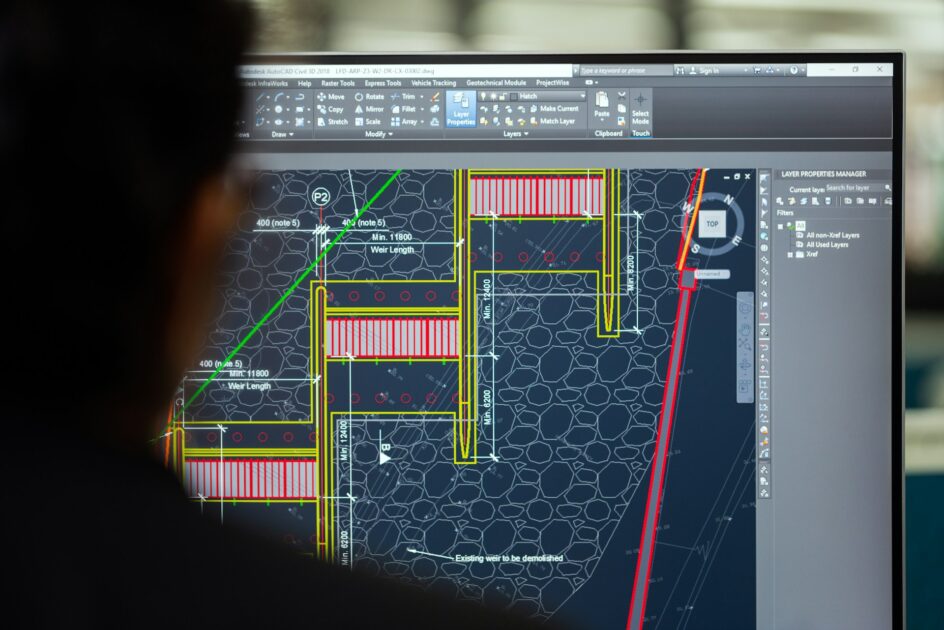
LiDAR, which stands for Light Detection and Ranging or Laser Imaging Detection and Ranging, is a remote sensing technology that measures distances by emitting laser pulses and calculating the time it takes for them to reflect off a surface and return to the sensor. Compared to other measurement systems, LiDAR technology excels at generating highly precise three-dimensional maps, making it invaluable for urban planning.
How does Paris’s centralized district cooling system work?

Paris is a pioneer in Europe in the use of an eco-friendly underground cooling system that is closely linked to the Seine River. The system, which began to be installed in the 1990s, consists of a network of underground pipes that circulate chilled water to absorb heat from buildings before returning it to the river.
Will your travel app soon detect potholes?

Advances in artificial intelligence and other smart infrastructure technologies are enabling existing navigation apps and digital services to detect potholes automatically, helping improve road safety.
Building with carbon-capturing concrete: the future of sustainable infrastructure

Author | Lucía Burbano The cement industry accounts for approximately 7 to 8% of global carbon emissions, making decarbonization essential. Carbon-capturing concrete addresses this challenge through measures such as offsetting emissions generated during cement production, the most carbon intensive stage in the manufacture of the material and is already being used in large scale infrastructure […]
What’s adaptive architecture, and why is it becoming increasingly important in urban planning?
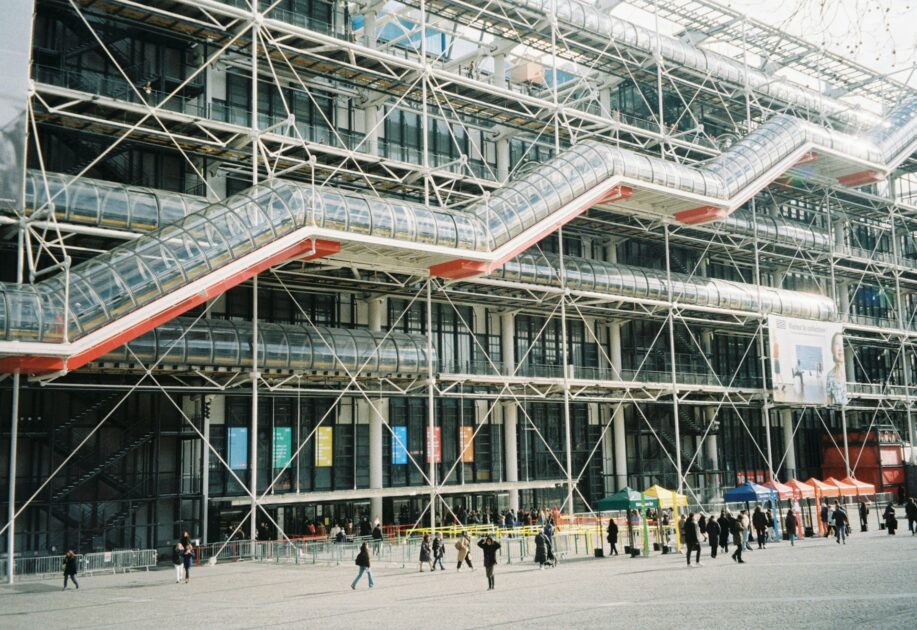
In contrast to traditional architecture, which views buildings as rigid structures, adaptive architecture designs buildings to be flexible and capable of responding to both environmental and human needs. This shift in building design has had a significant impact on urban planning and is expected to play a key role in shaping the cities of the future.
The rise of energy-orchestrated cities: Can smart grids handle AI demand?

The digital systems used by smart cities that rely on Artificial Intelligence are shifting a large share of electricity consumption to data centers. To sustainably meet this growing demand, cities must take the next step in their digital transformation.
The Return of Trams? Why Cities Are Reinvesting in Rail Mobility
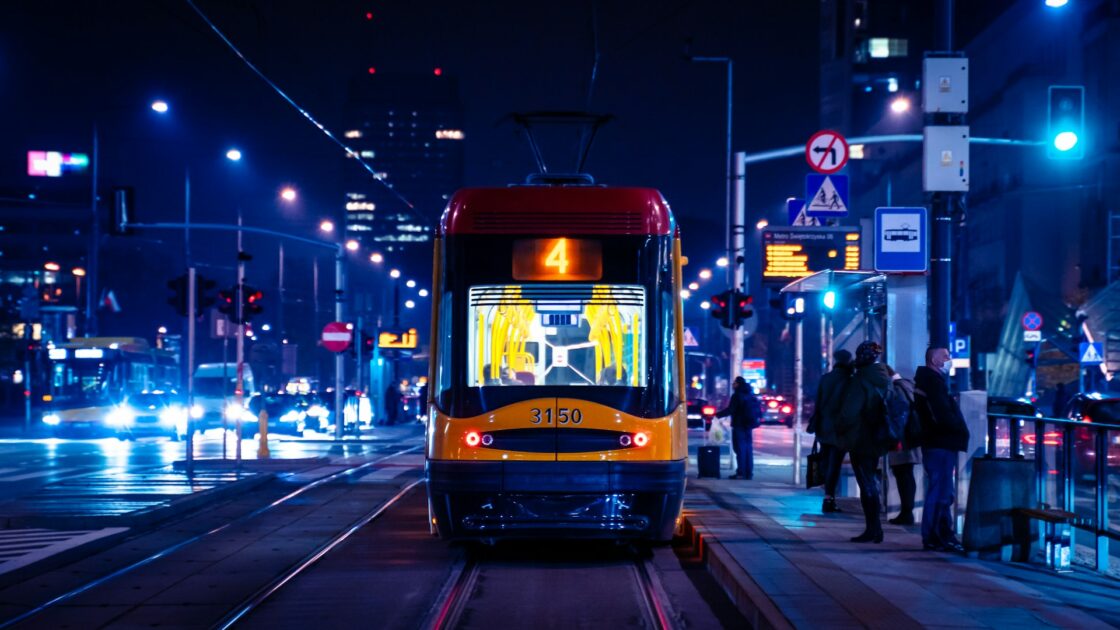
They were the great revolution in urban transportation at the turn of the last century. Trams had arrived in cities, which embraced them as a fundamental part of the path toward modernity. They enabled people to travel more efficiently at a time when cities were expanding, and newly developed neighborhoods were becoming increasingly distant from downtown areas. They did so in a simple and accessible way, becoming a cornerstone of emerging public transportation policies. However, the second half of the twentieth century largely marked the decline of the streetcar. Today, in the twenty first century, it is experiencing a revival as cities search for more sustainable transportation solutions.
From smart to autonomous: are self-managing cities the next urban frontier?
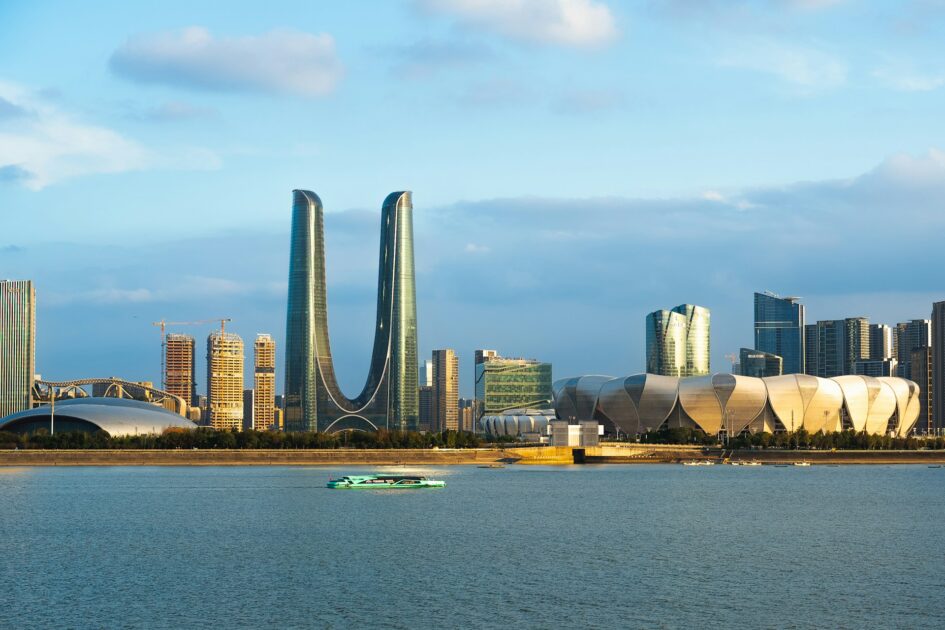
Smart cities are safe and efficient because they integrate technology into their infrastructure, but they have learned that artificial intelligence is essential for making decisions in real time. The incorporation of AI into urban environments is driving a transformation in cities, taking them from the smart city model to the autonomous city, with the goal of enabling cities to operate efficiently and solve problems without human intervention. What will self-managing cities look like?