



Table of Contents
Author | Jaime Ramos
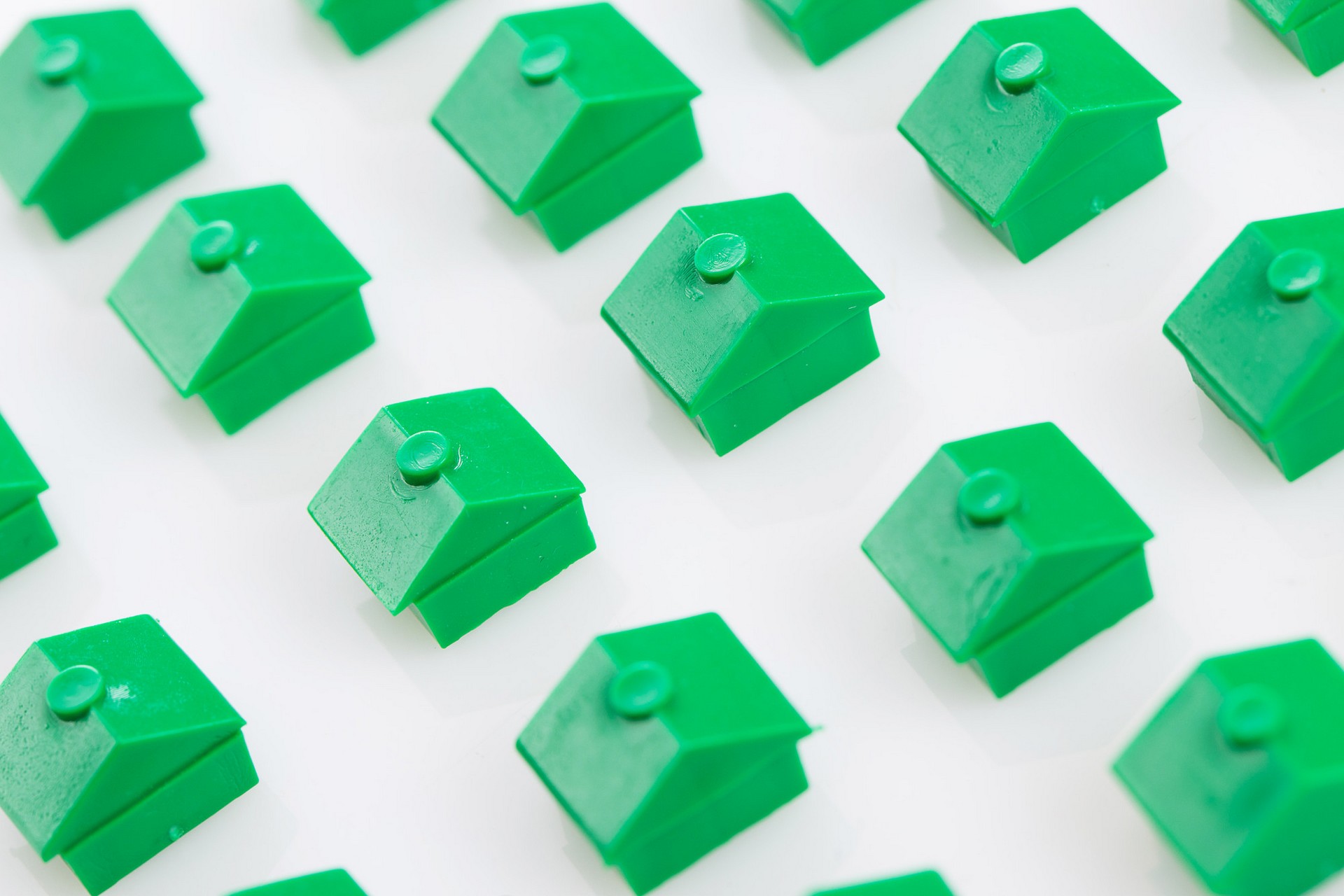
Micro-housing has been highly criticized as one of the negative symptoms of overpopulation or poverty. However, as an architectural movement it does have some defenders that highlight a few of its advantages.
What is micro-housing? Concept, meaning and definition
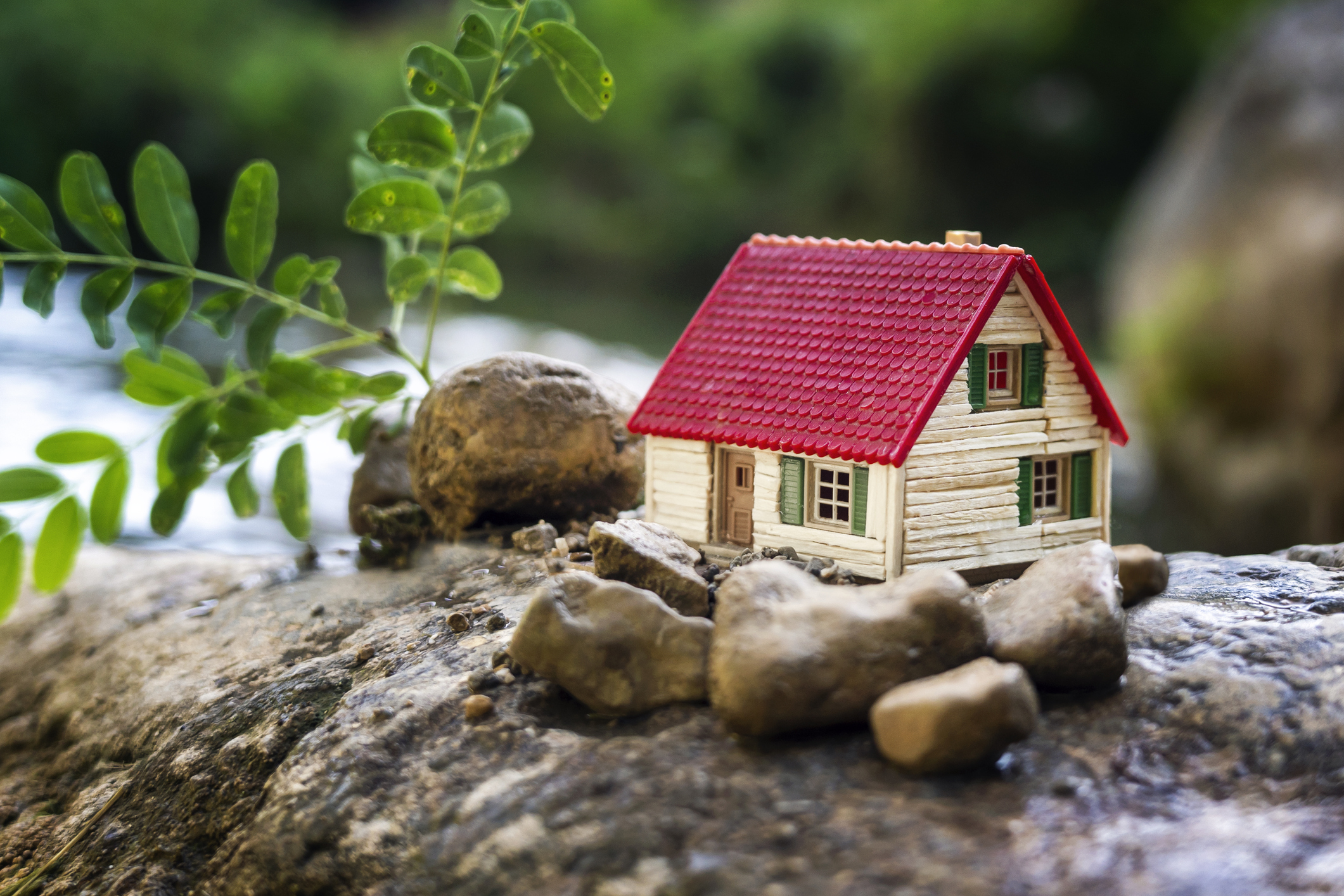
The term micro-housing refers to anything related to the planning and construction of very small houses. Ultra-efficiency is applied in the implementation of domestic spaces, including just the area needed to meet minimum housing requirements. In terms of space, the U.S. Urban Land Institute sets the size at 32 m2.
In general terms, they are reduced to a single, small room, in which all the functions of a house are concentrated. It is a movement which, as mentioned earlier, has its own history and defenders. We need to analyze the advantages to understand what could possibly be good about living in cells like bees in hive.
Advantages of micro-housing
- Lower costs, more affordable. It is obviously cheaper to access these types of homes, given the fact that they require much fewer resources. In the U.S. they are between 20% and 30% cheaper.
- Cheaper maintenance. Not just that, there are lower costs associated with the houses, particularly those related to energy consumption or cleaning.
- This leads to one of the main arguments in favor of these houses: they are more sustainable. According to a United Nations report reducing house sizes by 20% could reduce harmful emissions by, at least, 50%.
- This is a solution for the overpopulation and indiscriminate urban planning problems. In this regard, it falls in line with certain principles of New Urbanism that call for coherent planning.
- Flexibility and customization in architectural design.
- Reduced spaces make tenants spend more time outdoors, which is a positive aspect in terms of strengthening the sense of community and coexistence.
- In relation to price, this form of housing could be a way for more disadvantaged population groups to access housing.
Disadvantages of micro-housing

- They are (or should) for individual use. The confined space of these houses totally opposes the concept of family. Even coexistence with pets is somewhat difficult.
- All the personal disadvantages associated with lack of space, particularly in psychological terms: stress, anxiety, etc.
- Even though the lower price of these houses is an advantage, in cases of real estate speculation, these houses may sell at an unfair price.
- Social isolation or favoring social exclusion. If these types of properties are concentrated in certain areas and are occupied by disadvantaged groups, discrimination from an urbanistic point of view could be further legitimized.
Very different examples depending on how micro-housing is used
–
There are countless examples of micro-housing all around the world. In Hong Kong, a leader in high population density , the number of these types of houses has multiplied. Furthermore, its geographic and demographic nature have made prices sky rocket. There are cases such as the One Prestige building, in which people pay $800,000 for a 15 m2-room.
However, in the United States, the concept of micro-housing has helped to reverse the homeless phenomenon in cities such as San Diego. In fact, the demolition of what are known as single-room occupancy hotels is threatening to leave thousands of people on the street. It is important to bear in mind that, thanks to these types of projects, the number of homeless people has dropped in the last 30 years from 14,000 to 3,900 people.
Although many administrations and/or architectural studies see micro-housing as a timely and even a platonic movement, its actual application seems appropriate to alleviate certain negative effects in major cities. It seems to be more of a temporary and specific solution in many urban settings and not so much a definitive alternative to resolve issues such as pollution, poverty or overpopulation.