



Table of Contents
Authors | Jaime Ramos, Raquel C. Pico
International Youth Day will be held on August 12 and it returns on an extremely crucial point for cities: the active integration and participation of young people in social dynamics. Why is it so important?
Young people and social cohesion
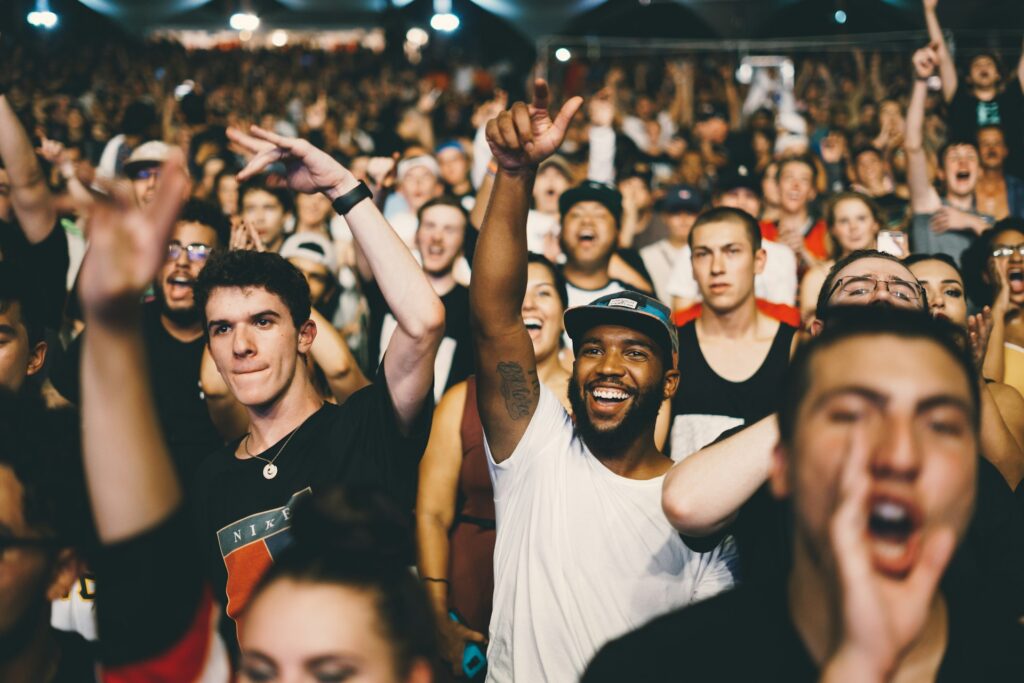
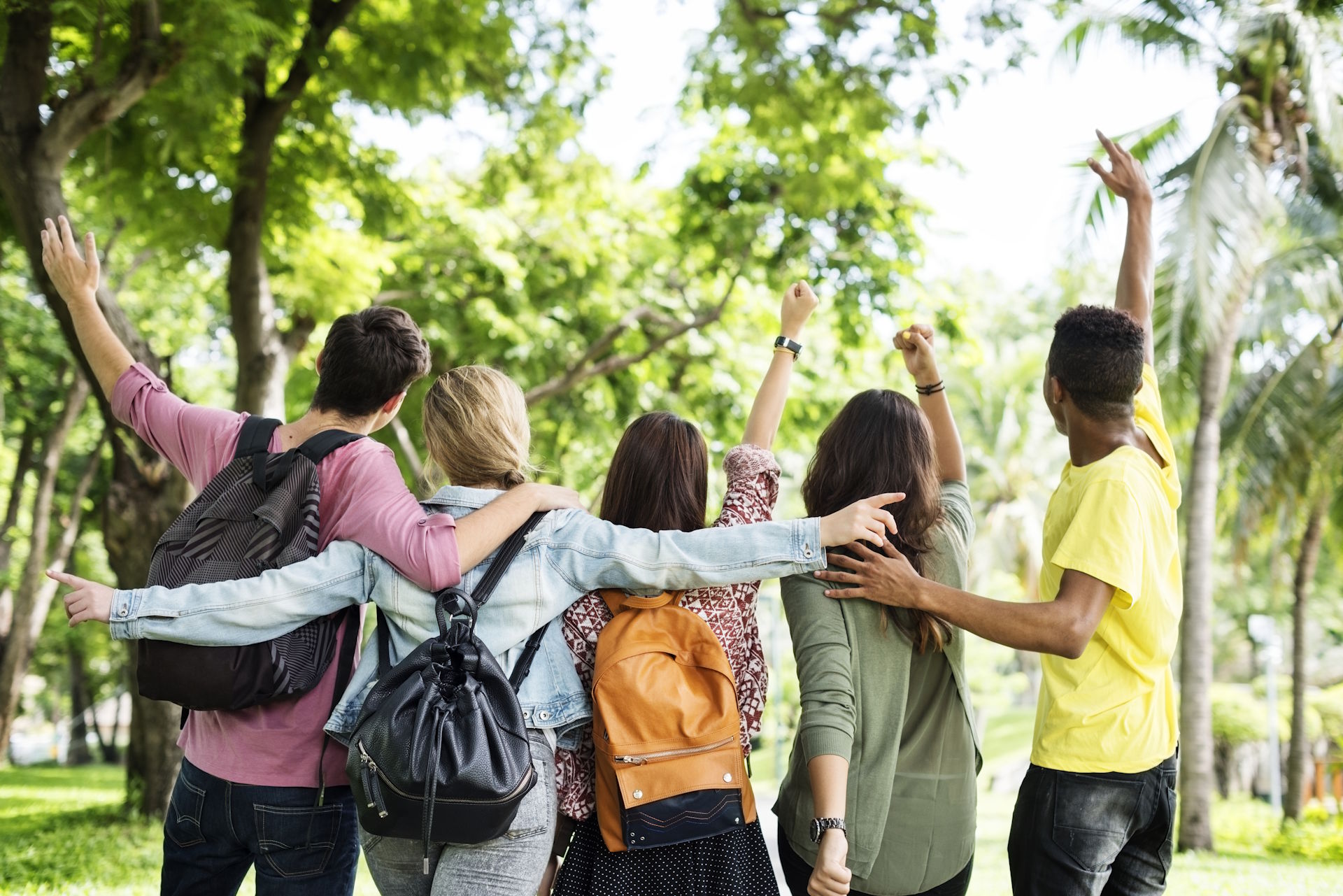
To begin with, highlighting the role of young people matters because they are essential in fostering social cohesion. Social cohesion refers to the level of consensus and sense of belonging felt by members of a community. The presence or absence of this feeling directly impacts on the community’s well-being, its diversity and inclusion, and its ability to respond to all kinds of crises, from collective responses to a pandemic to the effects of an economic recession.
Several factors influence social cohesion. These include the similarity among members of the group, how easy or difficult it is to enter that social environment, and the size of the analyzed group itself. Achieving strong social cohesion requires fostering a sense of pride in belonging to that group, building connections that encourage working toward the common good, and ensuring that everyone in society is heard and considered.
Young people are, in fact, one of the critical points. On one hand, crises and lack of opportunities—the breakdown of social equity— affect them in a particularly direct way. On the other hand, they are currently one of the demographics showing the strongest trend toward political and democratic disengagement; in other words, they are among those who feel least connected to the group.
That is why it is crucial to design measures specifically aimed at young people and their challenges and interests, while also recognizing their vital role in society. It is at this intersection that the International Youth Day draws its purpose and significance.
What is International Youth Day and why is it held?
It was at the end of 1999, when the UN General Assembly decided to commemorate International Youth Day every year on August 12. According to the UN, the day serves to “acknowledge and celebrate the potential of youth as partners in the global society”.
Young people are encouraged to “think what they can do for their community and how they can effectively spread the message” through different channels and social media.
The emphasis on young people is not new. United Nations has been trying to promote the participation of this age range since the 1960s, with the aim of establishing fundamental values in communities such as peace, mutual respect and understanding among people.
The role of young people in the public arena
The UN’s efforts have served as the global seed to provide local solutions based on the specific characteristics of each community. In this regard, youth associations and their programs have become a key instrument in the consolidation of civic values, crime prevention and inequality.
Integrating youth localized in a neighborhood or local community in decision making, provides valuable results. However, it is not an easy task. Associations seek to provide communities with new objectives, when very often they are reluctant to accept change.
This phenomenon is repeated in neighborhoods where criminality is an issue. Crime among adolescents tends to be due, in general terms, to differentiated patterns. This has been illustrated in numerous studies on the subject. For example, one paper focusing on the city of Toronto shows how 65% of criminality between the ages of 12 and 17 years take place in public locations, the exact opposite to adult crimes. The work highlights another common reality: low-income areas are more susceptible to increased criminality.
Even so, communities can also be both the driving force and the solution to the problem. In other words, social cohesion can be built from the ground up by creating urban infrastructure and public services that generate opportunities or offer meaningful alternatives. Cities like Singapore are already being redesigned with residents’ needs for leisure and sports in mind, creating dedicated spaces for young people.
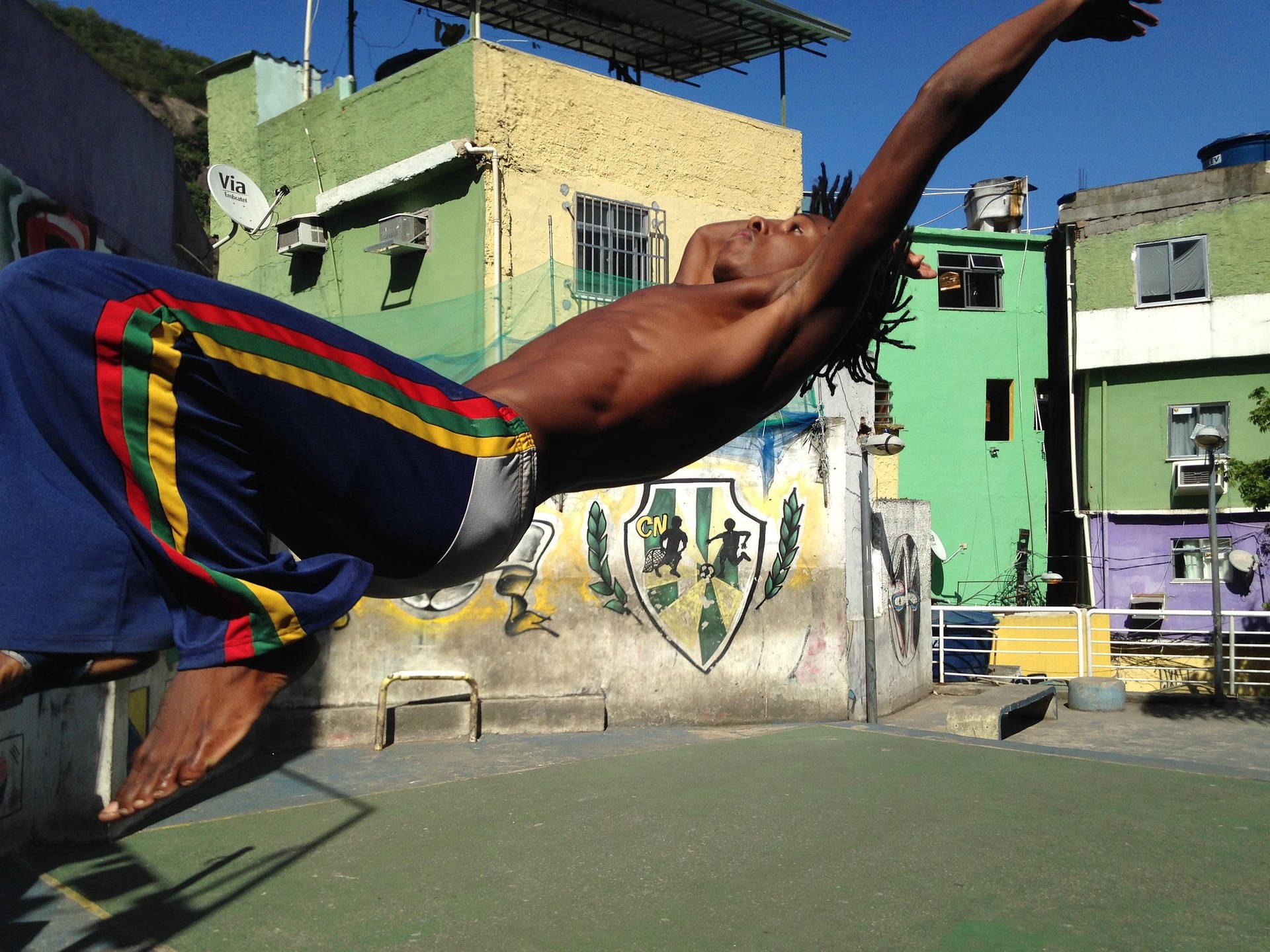
Others have transformed run-down, abandoned, and unsafe areas into safe and attractive spaces thanks to youth-led initiatives. These efforts not only contribute to the development of young people themselves but also have a positive impact on the broader community. Urban sports have repurposed spaces such as underpasses or disused industrial zones into safe gathering spots that connect young people with neighborhoods and local residents. In some cases, like an initiative in Prague, the recovery of a dangerous, neglected area through sports infrastructure also helped raise public awareness about homelessness.
At the same time, these types of urban infrastructures and the activities they support have a direct positive impact on young people themselves. Not only do they strengthen society by enhancing social cohesion and a sense of belonging, but they also improve the well-being of the young participants. A U.S. study found that adolescents who experience a stronger sense of social cohesion in their neighborhoods tend to enjoy better mental health later in life, along with higher levels of social and civic engagement in adulthood.
Electoral participation: an example of disengagement
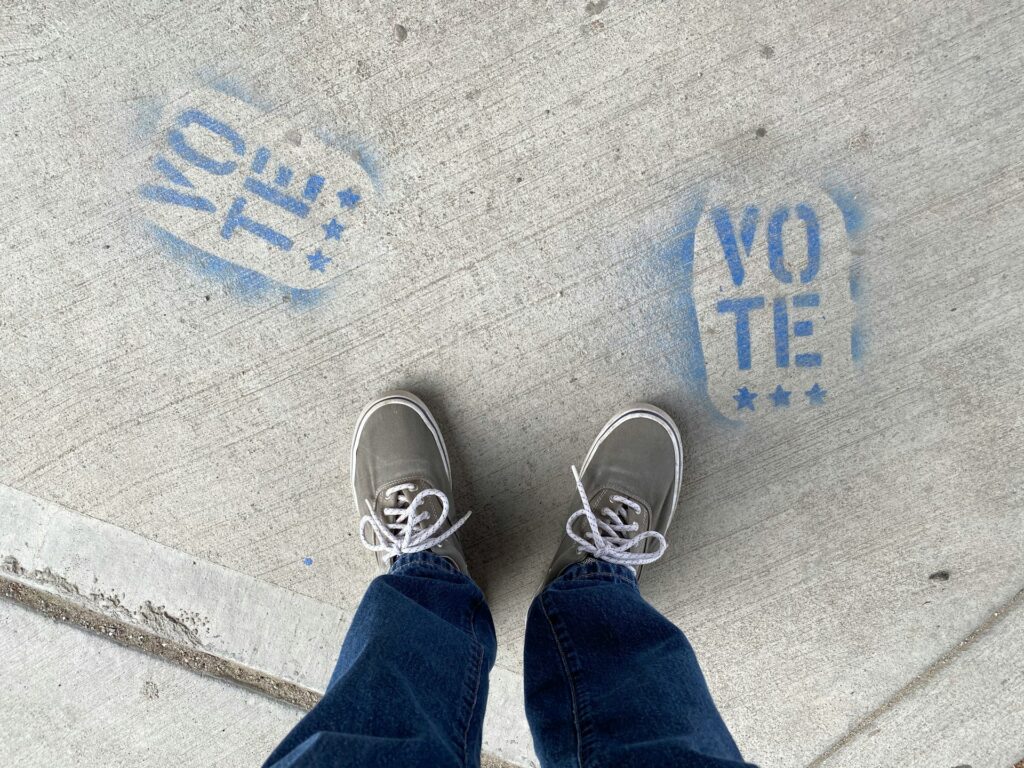
The role of young people in the public scene has been highlighted in another thermometer, the electoral thermometer. In recent years, the participation of young people in elections has dropped. The New York Times published an interesting study analyzing the reasons, not just in the United States, but at a global level.
In 2020, The New York Times published an interesting study analyzing the reasons, not just in the United States, but at a global level. In the United States, fewer than half of Americans aged between 18 and 29 years voted in the 2016 elections. Among other reasons given, are the bureaucratic pitfalls of the country. Even so, experts coincide in stating that there is a common underlying flow that is related to the non-inclusion of young people.
The trend has worsened over time, as the impact of the pandemic, followed by subsequent crises, has deepened the gap affecting youth. A 2023 study by Comillas University on Spanish youth found that 80% of young people “do not feel heard by politicians and see this as one of the reasons for social disengagement from politics and the erosion of democracy.”
This finding is applicable to other mature democracies as well. In fact, during the most recent elections, the European Union launched a dedicated campaign to encourage young people to vote and reestablish a connection with them. Disillusionment, distrust in institutions, and the sense of being overlooked in public policy were the main reasons cited by media analyses at the time to explain this political disengagement. In short, the balance had been disrupted, and social cohesion with young people had been lost.
Give me a goal and I will move the world
However, connecting with young people is possible, and this brings us back to the city, its urban planning, and neighborhood efforts. Social cohesion can be fostered from within communities by supporting youth associations and initiatives. In fact, young people themselves have become leading advocates, bringing key issues like the climate crisis into the collective conversation.
There are some cases of interest that show the margin of action associations have to change the role of young people in the community. The famous Youth Association in Yorkshire is a paradigmatic example of what can be done.
Today, they have nine specific programs covering different areas. In crime prevention, its group StreetVoice recently produced a short film based on real stories of the Great Horton neighborhood to prevent and raise awareness about knife crime.
The work of community groups involves providing young people with common goals that are essential to tackle today’s challenges at a global level. A universal example in the integration of young people is that of the Youth Climate Action movement. The identification of climate emergencies highlights how crucial the participation of young people is. Because we cannot, and should not, turn our backs on the future.
Images | Freepik/rawpixel.com, Eliott Reyna, Nicholas Green, Phil Scroggs