



Table of Contents
Author | Eduardo Bravo
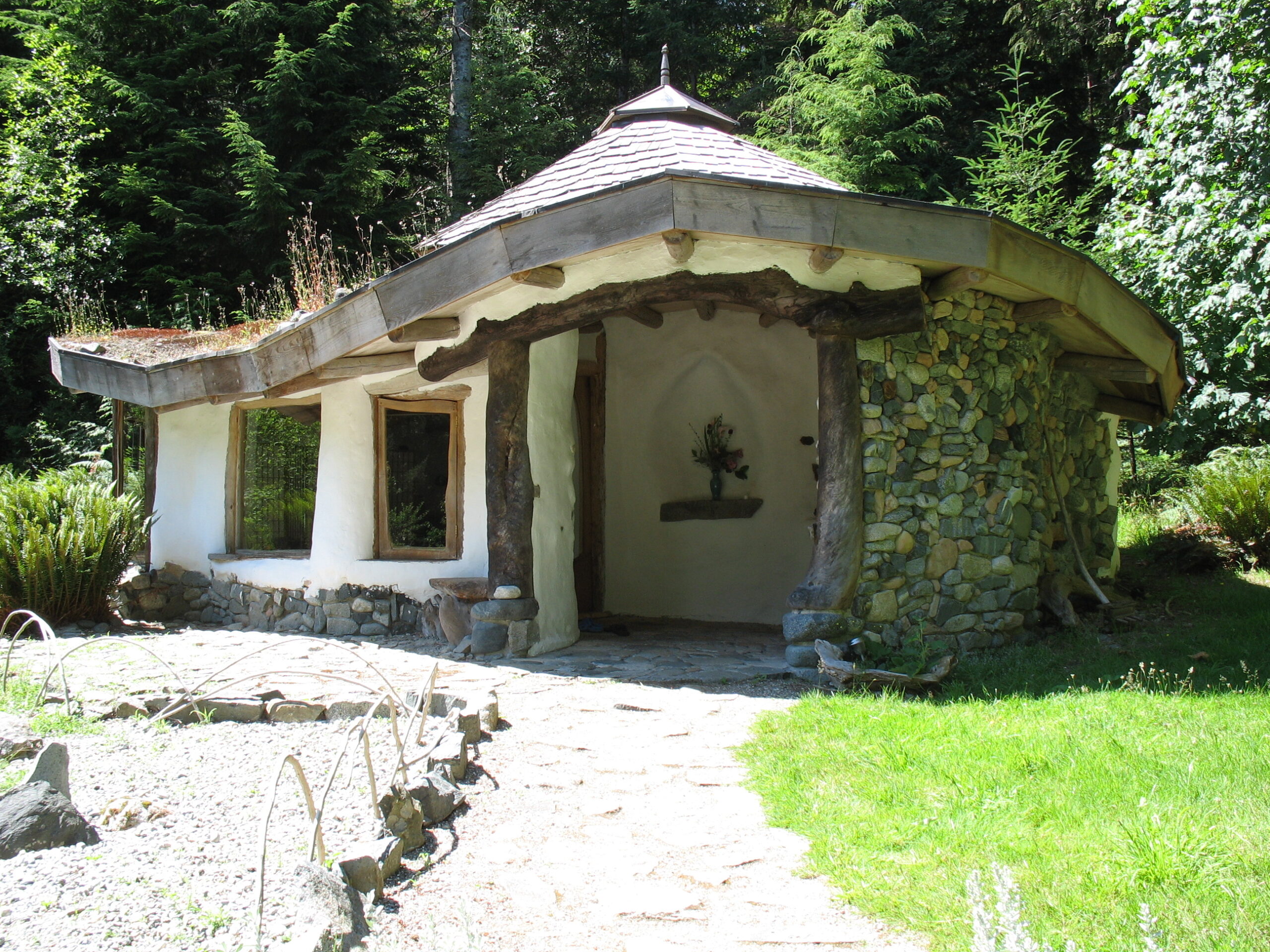
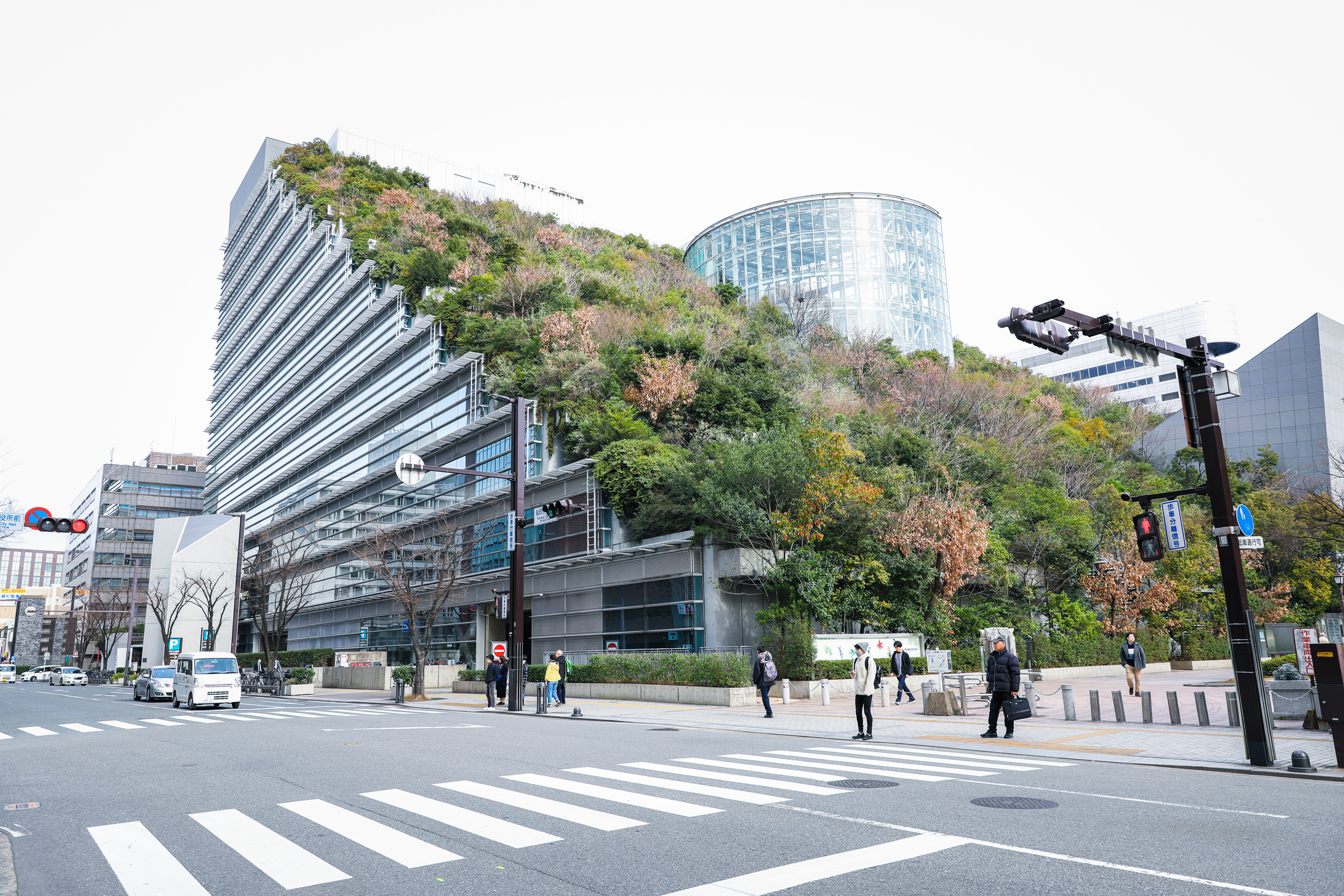
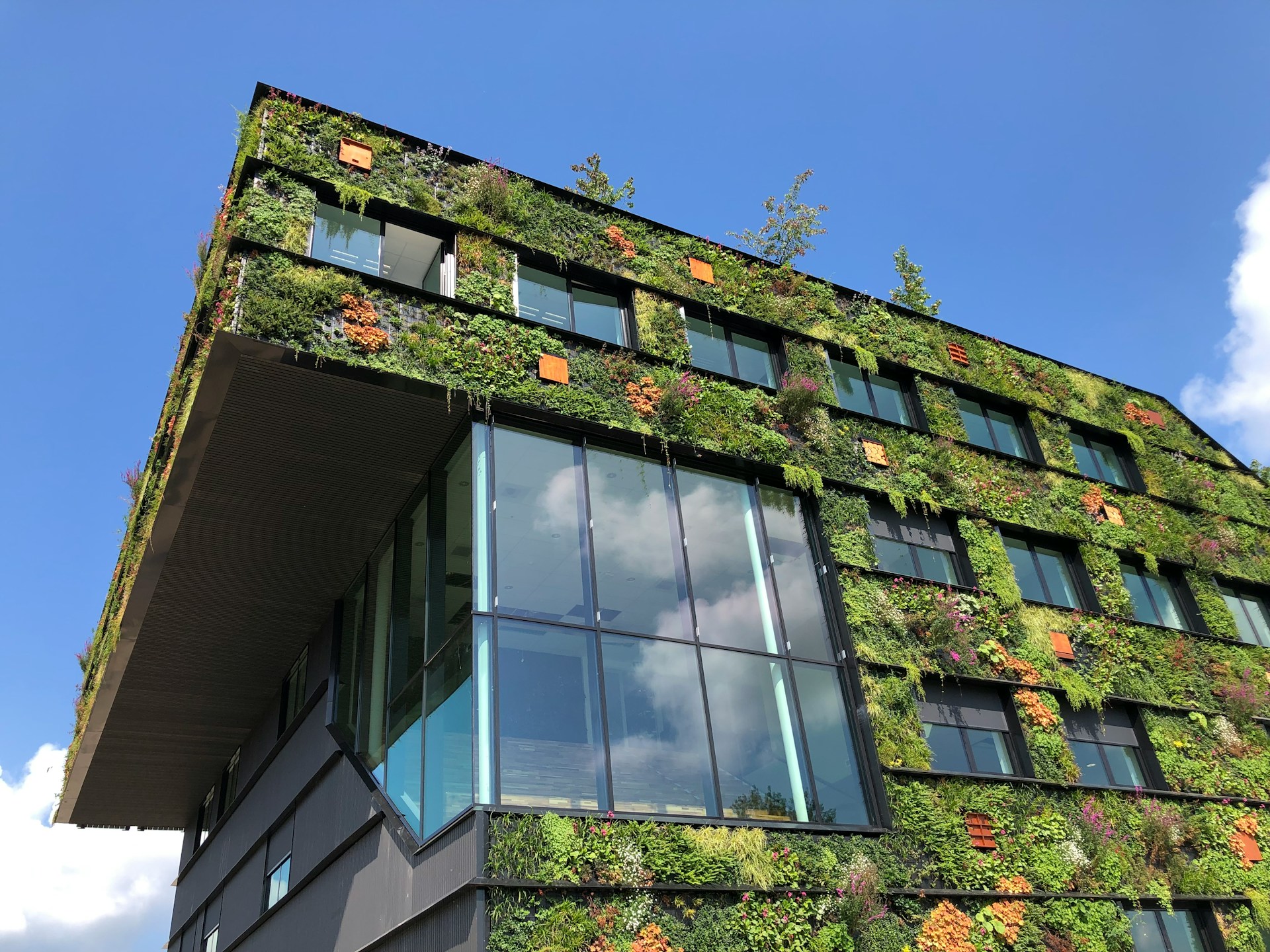
Rooftop gardens have become increasingly popular in urban centers in recent years. This system does not mean simply installing plants in individual and removable pots, but rather a permanent facility, made with plant elements designed to form part of the building’s structure.

Types of green roofs
There are also different types of green roofs depending on the vegetation used and whether they are physically accessible. Therefore, green roofs may be classified as:
- Extensive: an eco-roof covered with a lightweight, thin layer of vegetation, low-maintenance and non-accessible.
- Semi-intensive: these create an ornamental green space using plants that require more care and more soil depth that those above, however, on the other hand, people can access them.
- Intensive: rooftop gardens that accept all types of plant species, including trees. People can access them, but they do require a solid structure to bear the weight of vegetation and people.

Benefits of green roofs
Apart from their ornamental effect, rooftop gardens have beneficial effects on the environment and health of people. For example:
Air purification
The photosynthesis process carried out by the rooftop plants absorbs carbon dioxide and releases oxygen, while capturing dust and reducing pollution.
Ambient noise reduction
Green roof substrates tend to neutralize low-frequency sounds, while the plants block high frequency sounds. This means a roof with twelve centimeters of vegetation can reduce noise by forty decibels, and can reduce it by fifty decibels if it has a width of more than twenty centimeters.

Temperature regulation
Rooftop gardens help to moderate the ambient temperature thanks to the ability of plants to evaporate water. Furthermore, as it is not a reflective material like glass, granite, marble, stone and other floor coverings, it cools the outside of buildings and, consequently, reduces the surrounding temperature.
Increased biodiversity
Green roofs attract birds, insects and other animals and help to increase biodiversity.
Improved emotional health
Green roofs have a natural appearance and go from being aesthetically hostile elements to attractive gardens. This has a positive effect on the mood of residents who, given the characteristics or location of their properties, are not normally able to see green areas.

Disadvantages of green roofs
Despite the undeniable benefits, there are also some disadvantages to green roofs that should be taken into account before installing them.
Maintenance costs
Compared with conventional roofs, they entail greater costs both in their execution and maintenance.
Increased weight on the structure
Not all buildings are suitable for these systems, given the extra weight on top of the structure.
Water filtration due to rainwater retention
The installation of green roofs requires specialist professionals who know exactly how to design the space, together withthe irrigation and drainage systems. It then requires a good design to prevent, among others, the accumulation of rainwater under the structure that could lead to damp and filtrations.
Images | tinseling, erdenebayar, Free-Photos