



Table of Contents
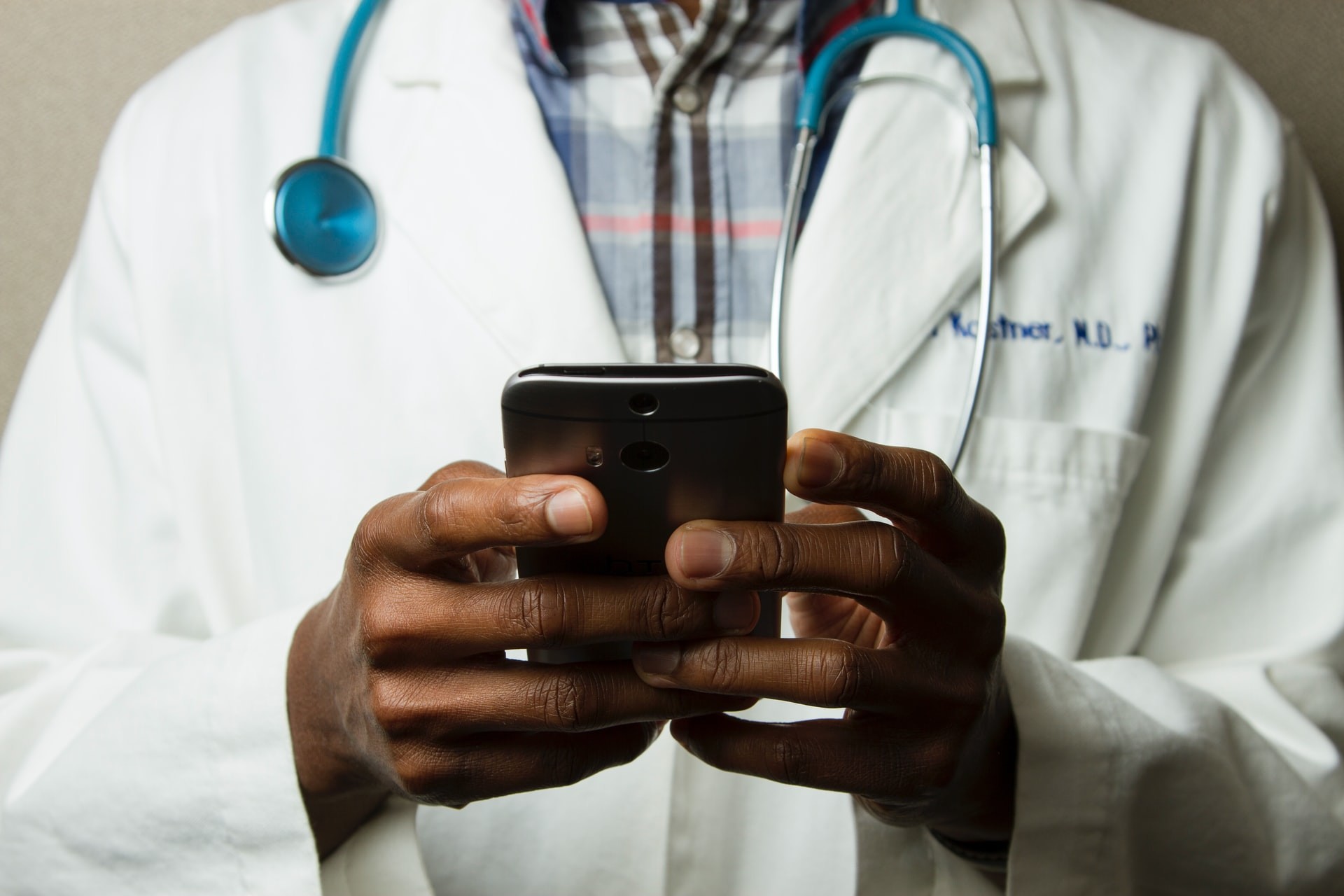
Author | Arantxa HerranzThe COVID-19 health crisis has even reshaped the uses and customs of medicine. Whether this is to give priority to people affected by this coronavirus, or to prevent the spread of the virus, medical services around the world have made every effort to prevent physical contact with patients. Healthcare professionals have also avoided in-person appointments with the aim of reducing their exposure to people who could be infected.In fact, a survey conducted by the company Evidation Health, found that nearly a third of people missed or decided to cancel their scheduled medical appointments. This has also meant that a further 7% were not able to get their prescriptions.This same study, however, also reveals one of the major consequences of all of this: the rise of telemedicine. For those who decided to cancel in-person appointments, around 4 in 10 (39%) of them used some form of telemedicine. But this is where one of the challenges facing this type of healthcare lies, 60% did not even try to get an appointment online.Getting back to healthcare providers, many of them have also needed to equip themselves with personal protective equipment (PPE), even in everyday situations and they have tried to minimize the impact of patient overload on health facilities.These circumstances have opened the way to reconsider whether medical teams should change the way they classify, evaluate and treat patients. This is particularly evident when meetings do not take place face-to-face using methods that are not based on in-person meetings.
Telemedicine: different types for different situations
What does seem inevitable is that telemedicine will be, rather than the exception, an increasingly common option. Although this pandemic has accelerated the process, there is still a long way to go.Not surprisingly, all those involved need to adapt to these new ways of working. And, clearly, significant improvements in the exchange of information will be required, guaranteeing the security and confidentiality of data and ensuring that both patients and doctors have the technology required and that it is easy and intuitive to use for everyone, regardless of their economic, social and age condition.Telemedicine will clearly encompass various types of care. The consultancy McKinsey identified 5 models:
- On-demand virtual urgent care (as an alternative to emergency department visits).
- Virtual office visits for consultations that do not require physical examinations or concurrent procedures.
- Treatment follow-up.
- Treatments such as occupational therapy, and speech therapy.
- Home medication administration.
These services offer greater convenience and access to care and better results for patients and a more efficient healthcare system.
A long way to go
It is clear that telemedicine cannot replace certain in-person appointments. Although the progress of technologies such as 5G is enabling remote assisted medical operations to be carried out, there will be situations in which in-person visits will be essential.However, telemedicine will have to tackle other obstacles before it can become the norm. For example, when the issues addressed by the doctor and the patient are delicate, particularly if people feel uncomfortable or they are concerned about their privacy. And doctors cannot feel entirely comfortable when assessing certain conditions when they have to do so by telematic means rather than in person.Clearly, not everyone has the appropriate technological devices or the best connectivity to use telemedicine with full guarantees. In this regard, cities must strive to ensure that their residents have the right equipment, as they have done until now to ensure that they have the best medical facilities.Another dilemma that needs to be resolved before telemedicine becomes firmly established, is to analyze the plans put in place by private medical insurance companies to offer these services, the guarantees they offer and with which liability exceptions.
There is room for maneuver
It is clear that many of the changes to everyday life that have come with the pandemic are going to stay with us for the coming months, particularly until a possible vaccine against the virus is found.It is also possible that during these months, patients may not support telematic appointments. It is possible that some less urgent tests may be postponed and that others may not be able to be postponed any longer. It will also be time to see how telemedicine progresses, for both patients and doctors and if technologies that can be used are not once again affected by controversies such as security issues.Images | Unsplash