



Table of Contents
Author | Elvira Esparza
In contrast to traditional architecture, which views buildings as rigid structures, adaptive architecture designs buildings to be flexible and capable of responding to both environmental and human needs. This shift in building design has had a significant impact on urban planning and is expected to play a key role in shaping the cities of the future.
What is adaptive architecture?
Adaptive architecture is defined as the design of buildings that can modify their form or function in response to specific conditions. It focuses on creating buildings that meet present day requirements while remaining adaptable to future needs.
Adaptive architecture embraces continuous change, recognizing that buildings must evolve over time. It promotes interaction between buildings and their surroundings, adapting to climate, sunlight, or wind. At the same time, adaptive buildings are designed to respond to the needs of their users and the way spaces are actually used.
Within adaptive architecture, two main approaches can be identified:
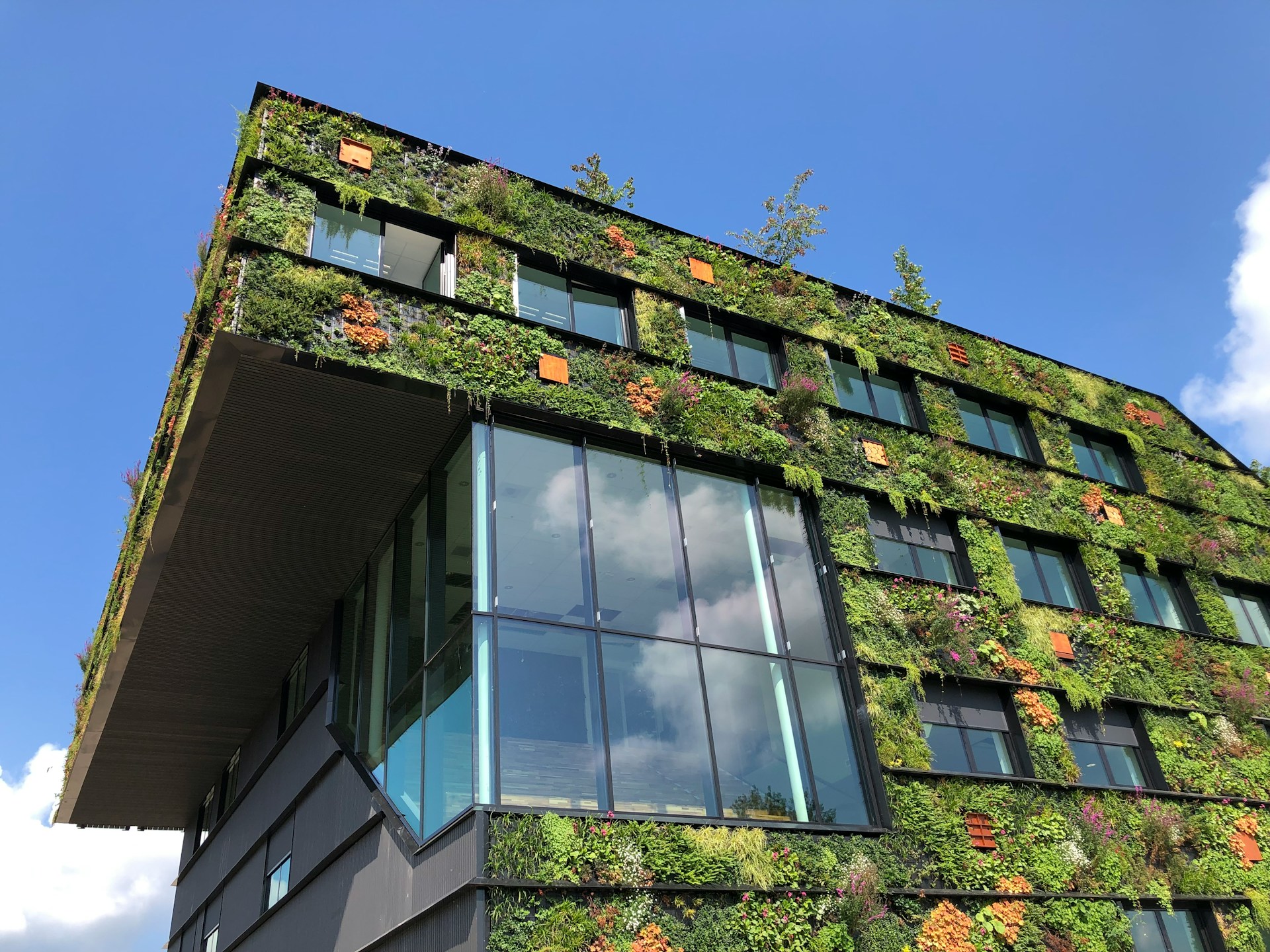
- Spatial and technological adaptability. This is reflected in smart buildings that can change through the use of active systems, such as sensors, artificial intelligence, or movable façades, as well as passive systems such as cross ventilation.
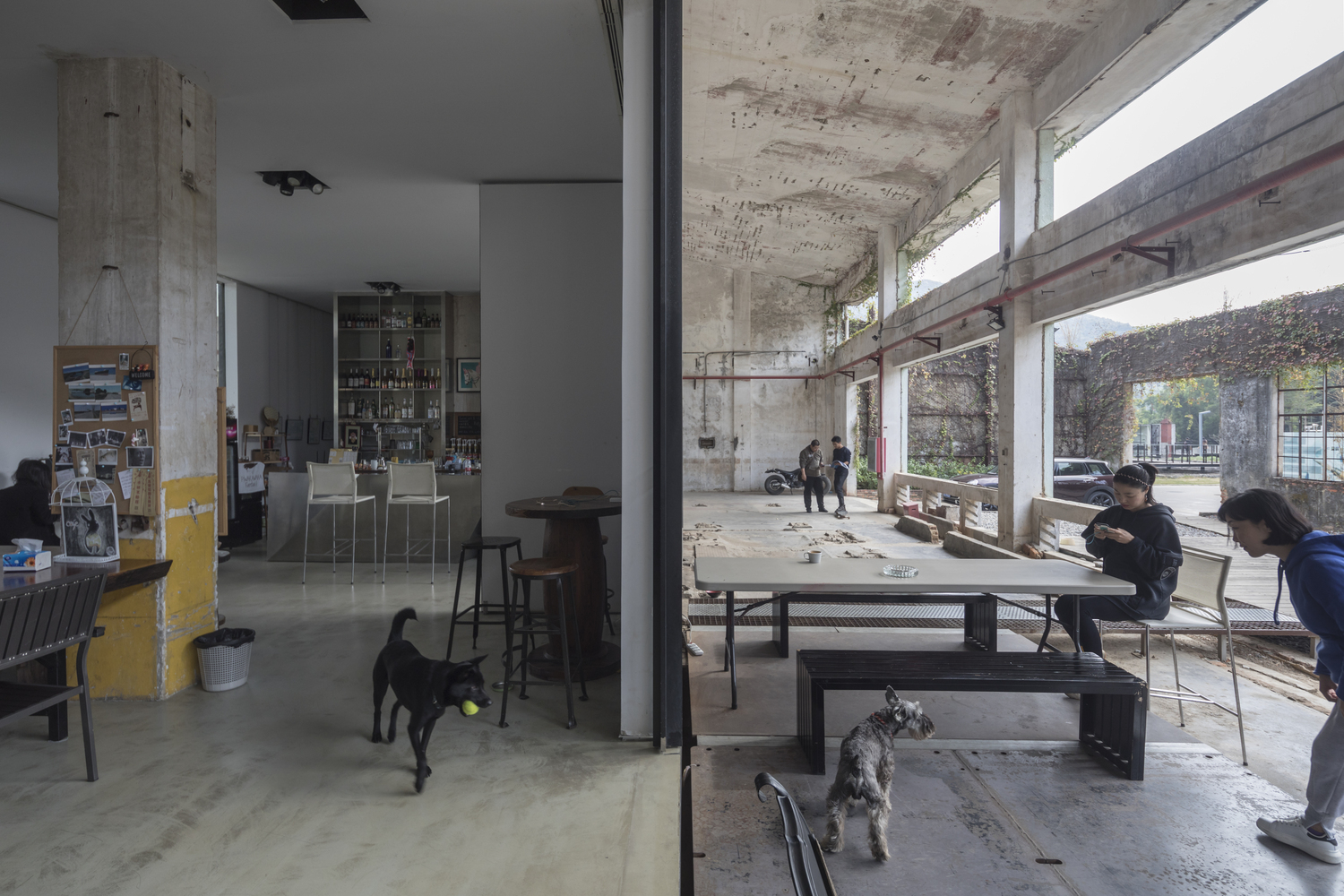
- Adaptive reuse. This involves repurposing an existing building for a different use, avoiding demolition in order to reduce waste and extend the building’s lifespan.
In all its forms, adaptive architecture promotes sustainability and the circular economy because adaptability reduces the need for demolition and encourages reuse and transformation. Rather than prioritizing new construction, it supports design strategies that minimize the need to tear down and rebuild structures, thereby generating less waste. Through the adaptive reuse of existing buildings, adaptive architecture helps reduce construction waste while extending the useful life of the built environment.
When did adaptive architecture emerge?
Adaptive architecture emerged when buildings began to be viewed as living systems capable of adjusting to environmental conditions such as light, temperature, and humidity, responding to changing user needs, modifying their spatial configuration, and integrating smart technologies.
Its earliest roots can be traced back to the period following World War II, with the rise of the Japanese Metabolist movement, which proposed the construction of flexible, modular buildings designed to adapt to the evolving needs of their users.
Later, during the 1980s, the concept of reactive architecture emerged alongside the incorporation of smart technologies. From around 2010 onward, the term adaptive architecture began to be used in a broader sense, encompassing social, environmental, and technological dimensions, including engineering, computer science, environmental science, and urban planning.
How did adaptive architecture emerge?
Several developments at the end of the twentieth century and the beginning of the twenty first century contributed to the emergence of adaptive architecture:
- The climate crisis: The need to reduce carbon emissions led to the search for alternatives to traditional construction, one of the world’s most polluting industries due to the vast number of resources required for building and the waste generated through demolition.
- Technological disruption: The emergence of the Internet of Things (IoT), artificial intelligence, and new smart materials has enabled the development of intelligent buildings that can learn from user behavior and respond to changing environmental conditions.
- Social change: The rise of remote work and an aging population have transformed the way buildings are used. Large office buildings are no longer required to the same extent, highlighting the growing obsolescence of single purpose buildings.
How is adaptive architecture related to urban planning?
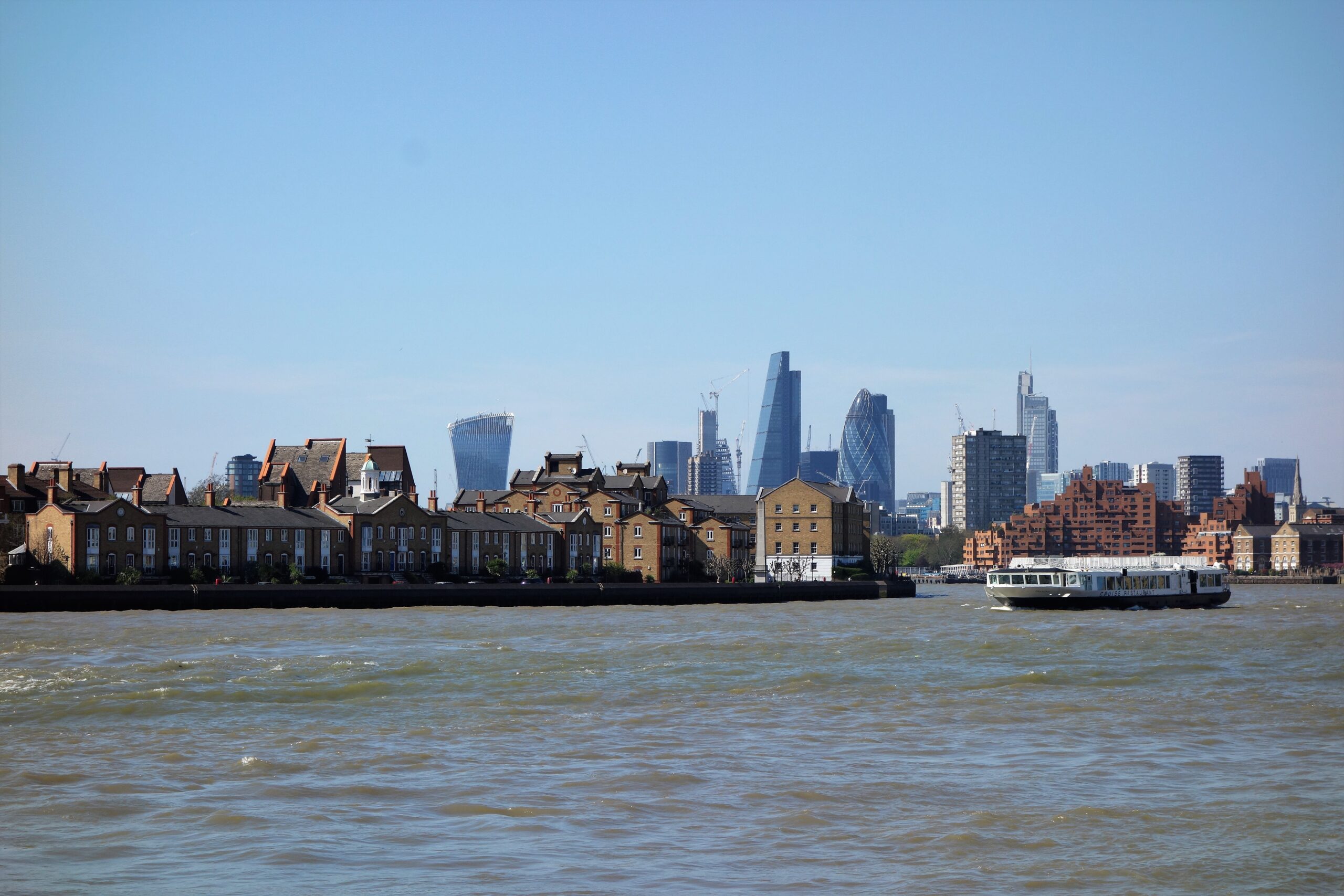
Modern cities face challenges such as climate change, rapid urban growth, sustainable mobility, energy crises, and natural hazards. In response, approaches such as regenerative design, biomimicry, and adaptive architecture have emerged, providing the tools needed for urban planning to address these challenges effectively.
Adaptive architecture and urban planning are intricately connected, and this relationship is reflected in several ways:
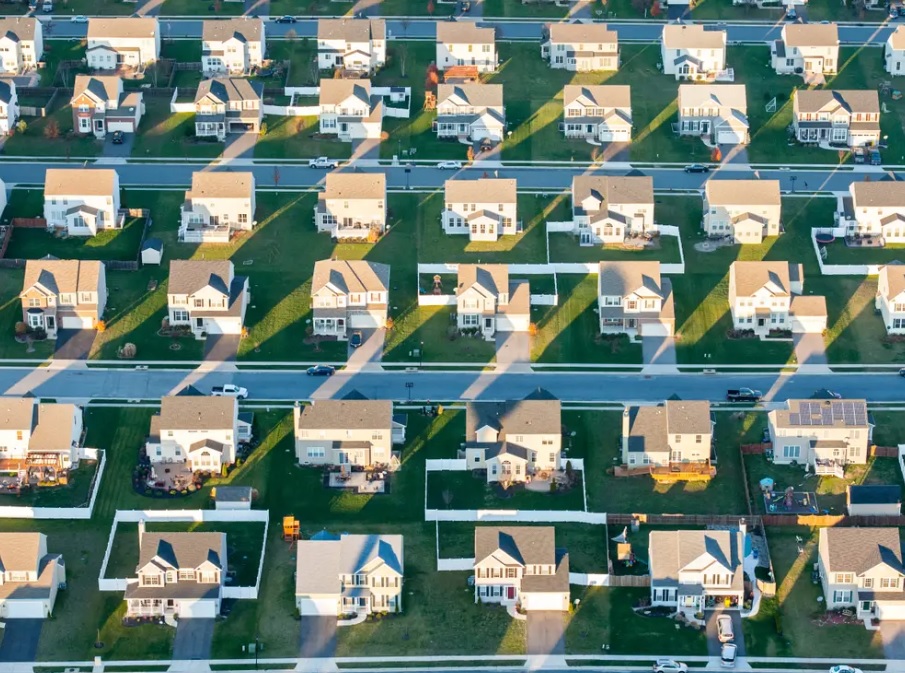
- Controlling urban sprawl. Rather than expanding cities outward into surrounding areas, adaptive architecture promotes urban regeneration from within. This allows cities to grow inward through smart and efficient densification.
- Creating mixed use neighborhoods. The traditional separation of cities into residential, commercial, and office districts is being replaced by buildings that can accommodate distinct functions throughout the day. This mix of uses within a single building helps create more dynamic neighborhoods.
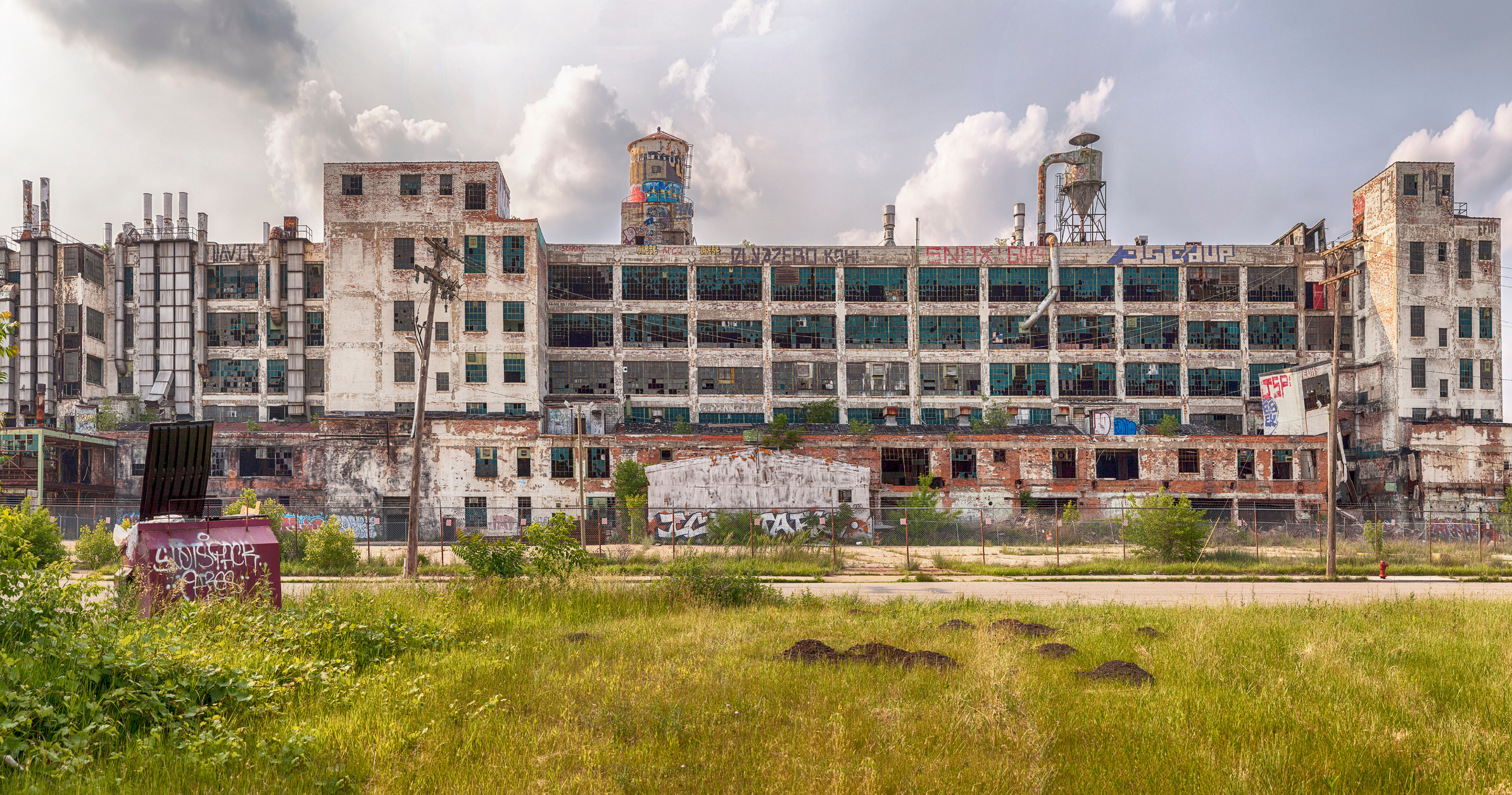
- Preventing urban decline. Adaptive architecture repurposes underused buildings in former industrial areas, transforming them into housing developments that incorporate local businesses and green spaces.
- Adapting to climate change. Adaptive buildings reduce energy consumption by incorporating renewable heating, ventilation, and air conditioning systems that improve overall energy efficiency.
- Supporting smart and sustainable urban development. Adaptive architecture contributes to smarter cities through the use of sensors, real time data, and digital systems to manage urban services, while also extending the lifespan of buildings.
Advantages of adaptive architecture
The main advantage of adaptive architecture is its ability to reduce pollution. Reusing an existing building can generate between 50% and 75% fewer carbon emissions than constructing a new one. In addition, extending the lifespan of buildings and reducing waste can lead to production cost savings of between 12% and 15%. From a social perspective, adaptive architecture also helps preserve the cultural heritage and identity of neighborhoods.
And some drawbacks
The high initial investment required for adaptive buildings is often cited as the main drawback of adaptive architecture. Integrating advanced technologies, sensors, and movable façades can significantly increase upfront costs. Another challenge is the difficulty of adapting older buildings to meet current accessibility and safety standards, which can make renovation projects more complex and expensive.
Examples of adaptive architecture around the world
Among the buildings designed according to the principles of adaptive architecture, the following stand out:
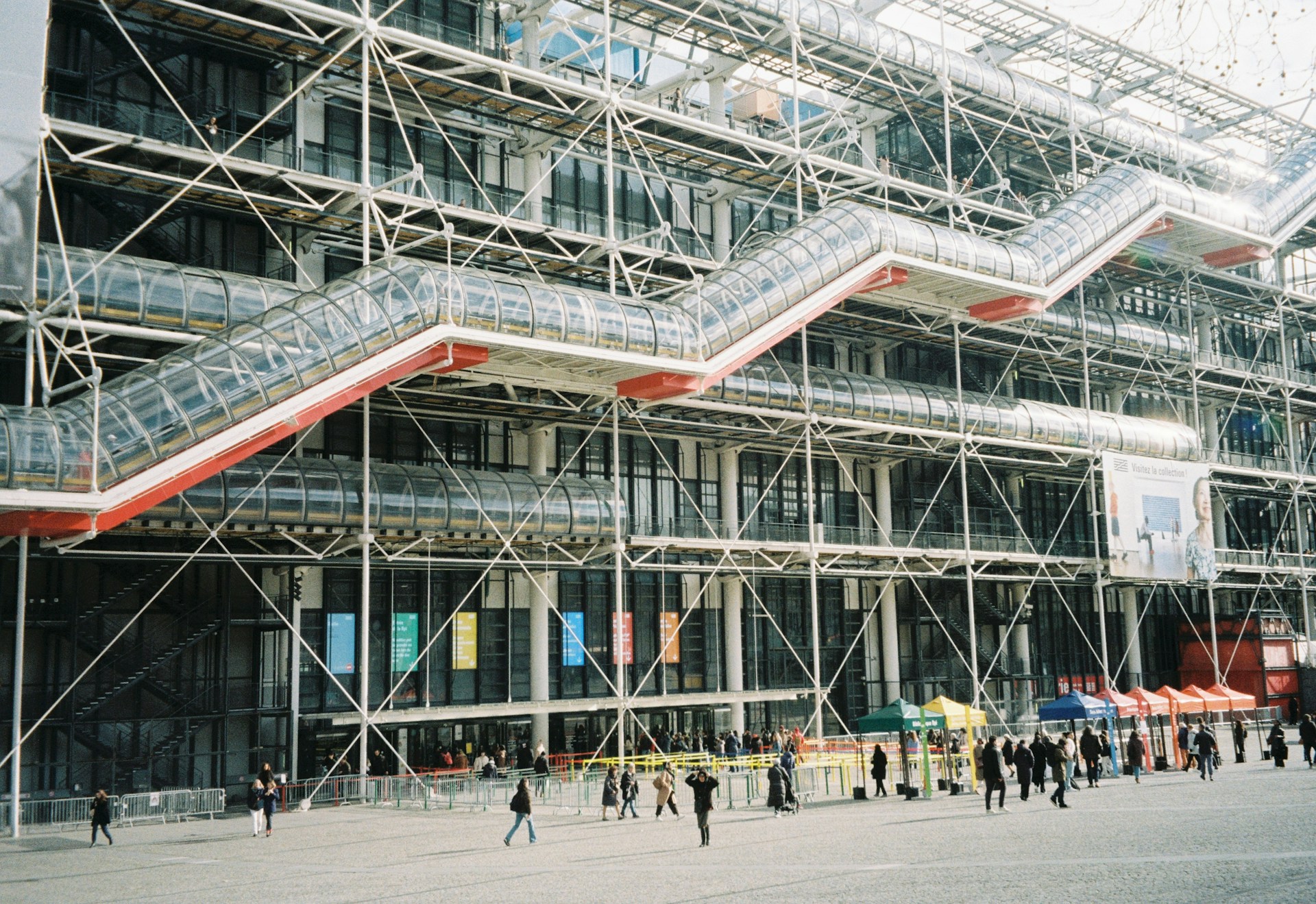
The Centre Pompidou in Paris. This flexible building allows its interior spaces to be easily reconfigured to accommodate different uses.
Toronto’s Rogers Centre. Formerly known as SkyDome, it is notable for being one of the first stadiums to feature a motorized retractable roof, allowing it to adapt to changing weather conditions.
Dubai’s Dynamic Tower. This is an example of kinetic architecture, represented by a skyscraper in which each floor can rotate independently.
Some of the most frequently cited examples of adaptive reuse include:
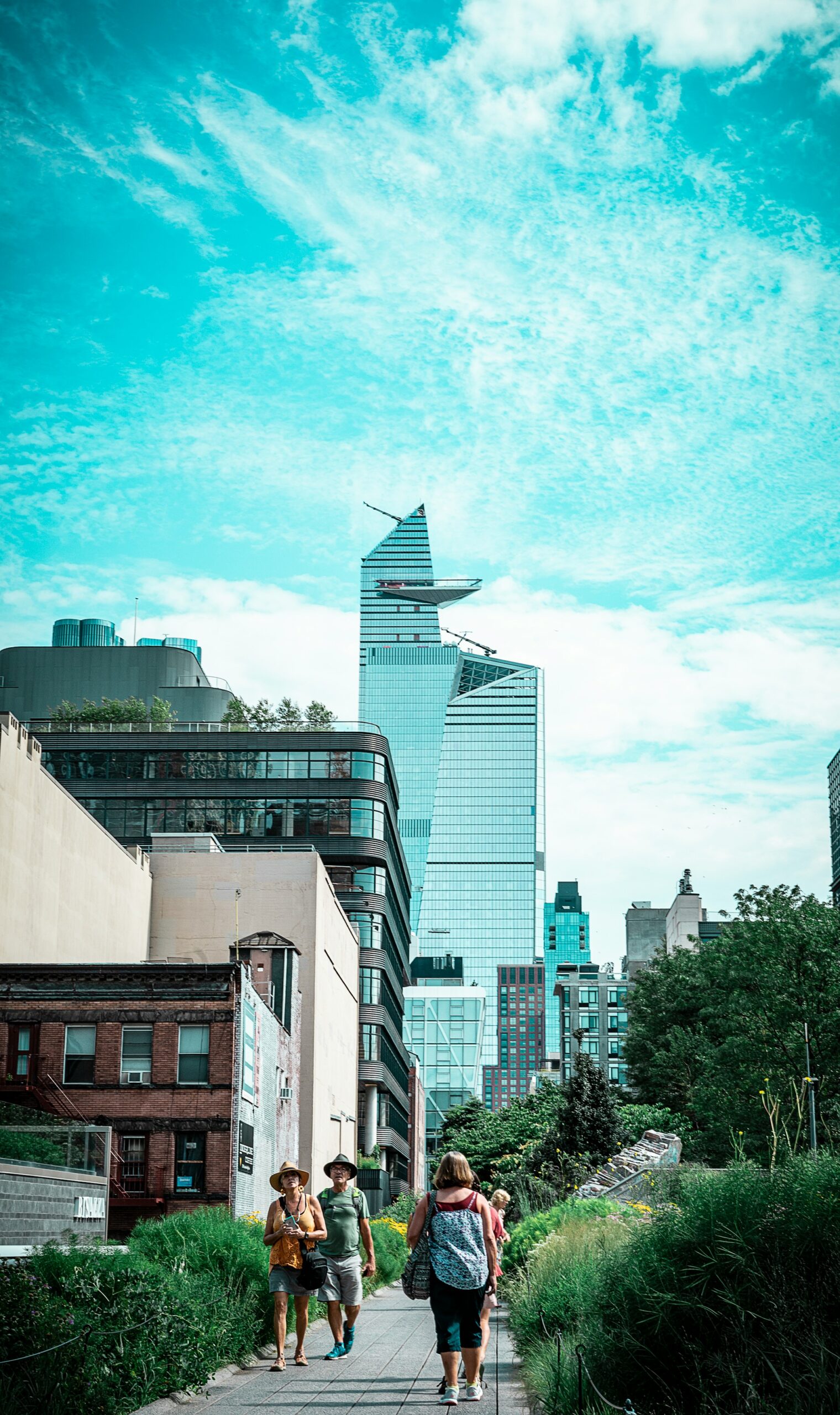
The High Line in New York. This project transformed a former elevated railway viaduct into a linear public park.
Copenhagen’s The Silo. A former water tower that has been converted into a student residence and youth center.
Today, adaptive architecture is widely regarded as a key tool in urban planning, particularly in addressing the challenges posed by climate change and the development of smart cities.
Images | Hong Zhao Alex Simpson Cheung Yin