



Table of Contents
Author | Raquel C. Pico
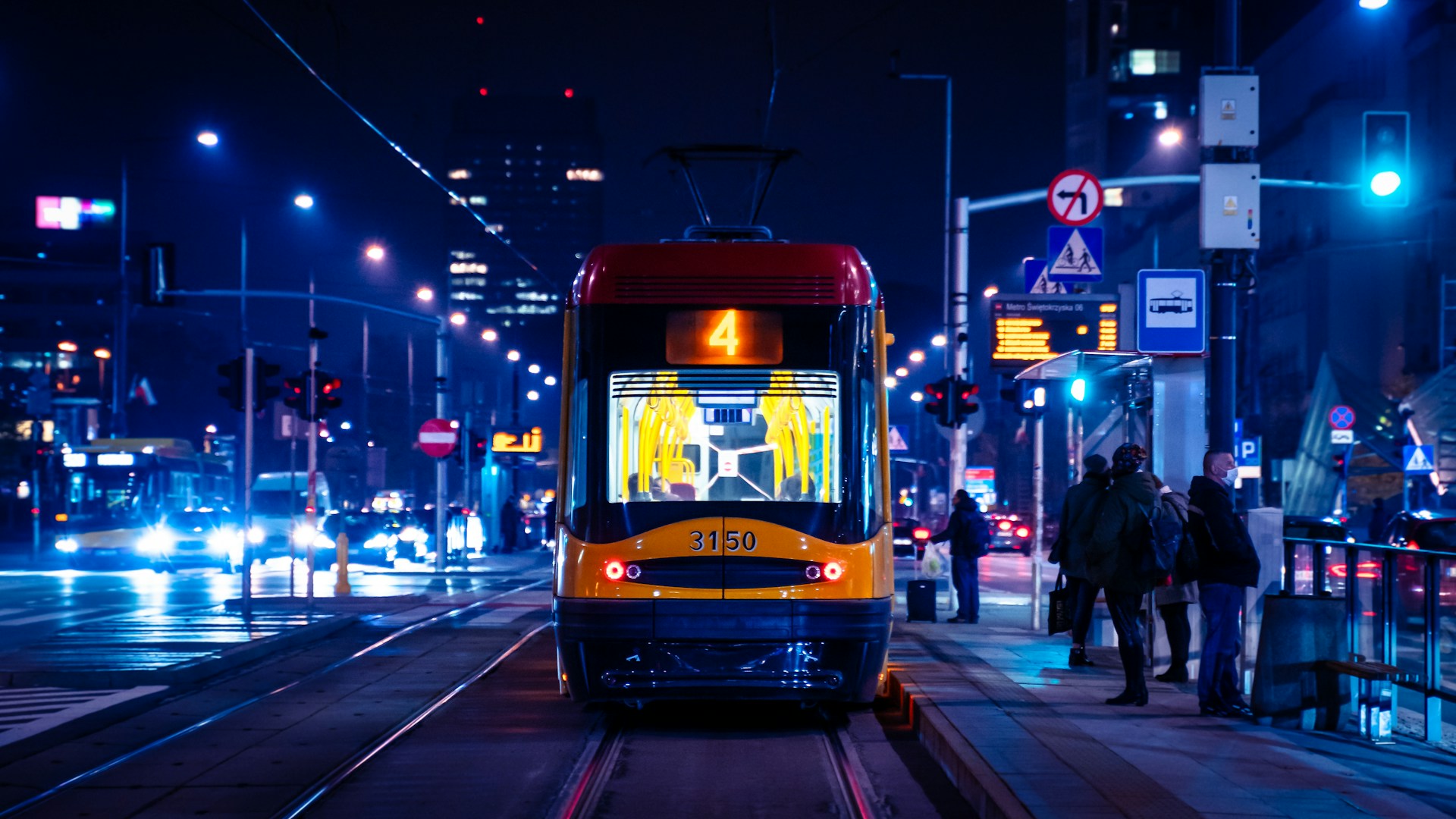
They were the great revolution in urban transportation at the turn of the last century. Trams had arrived in cities, which embraced them as a fundamental part of the path toward modernity. They enabled people to travel more efficiently at a time when cities were expanding, and newly developed neighborhoods were becoming increasingly distant from downtown areas. They did so in a simple and accessible way, becoming a cornerstone of emerging public transportation policies. However, the second half of the twentieth century largely marked the decline of the streetcar. Today, in the twenty first century, it is experiencing a revival as cities search for more sustainable transportation solutions.
Why trams disappeared?
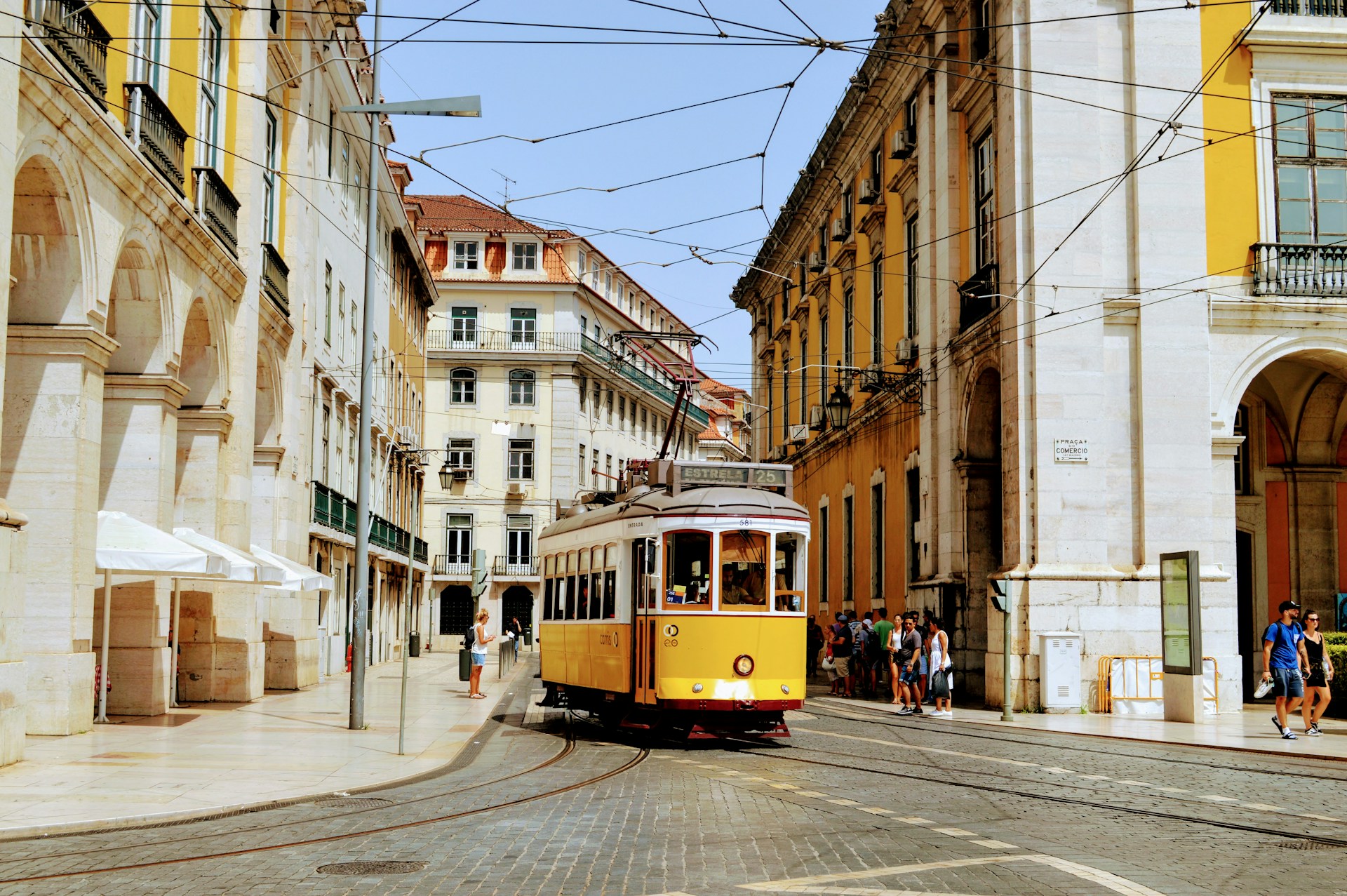
Cities in the second half of the twentieth century still faced the same challenges that had originally driven the adoption of trams. Populations continued to grow, efficient public transportation policies were increasingly necessary, and city centers needed to be effectively connected with newly developed suburbs. However, different solutions were chosen. Two factors largely contributed to the decline of the trams: perceptions of modernity and the boom in fuel powered vehicles.
Trams first appeared as horse drawn vehicles before evolving into electric transportation. It was in this electric form that they became the dominant mode of urban public transit. They were seen as modern, the transportation system of the future. Their presence on city streets was both commonplace and widely welcomed.
Things changed during the second half of the twentieth century, marking the beginning of the trams decline. “To a large extent, it was due to competition from motor vehicles,” explains Carlos Larrinaga, professor in the Department of Economic Theory and History at the University of Granada. Cars and buses came to symbolize modernity, while trams were increasingly viewed as an obstacle that slowed traffic. Trams were also constrained by their fixed rail infrastructure, whereas new neighborhoods were often built in areas without tracks. Buses, by contrast, could serve these expanding districts with far greater flexibility.
As a result, many Western cities shut down their tram systems and either removed or buried their tracks. Until now.
Why trams are making a comeback
In many ways, the passage of time has changed how the decline of the tram is viewed. Looking back, experts now describe the decision to abandon them as “disastrous.” Over the past two decades, interest in trams has steadily grown, and cities have begun incorporating them into their transportation plans once again.
One of the main drivers behind this resurgence has been the push to decarbonize transportation. As an electric mode of transit, trams are increasingly seen as a viable solution for sustainable urban mobility. At the same time, cities continue to face many of the same challenges that trams helped address in the past: the need to move large numbers of people quickly, efficiently, and, ideally, quietly. As a result, they have returned to the discussion as a practical transportation option. At the same time, new tram projects have often been linked to broader urban regeneration initiatives, creating a mutually beneficial relationship between transportation improvements and urban renewal.
Rising petroleum based fuel costs in recent years have also contributed to the equation. Growing interest in greater energy independence is likewise driving the electrification of public transportation.
Even so, the tram’s resurgence has not been without challenges, and it has struggled to compete for investment within the broader rail sector. Governments continue to prioritize high speed rail over regional rail networks and tram systems. This is particularly evident in Europe, where the most significant investments are directed toward high speed rail and cross border connections. Organizations such as Eurocities are calling for cities themselves to become priority investment targets, highlighting their role as critical transportation hubs and the need to prevent them from becoming bottlenecks within wider rail networks.
Success stories
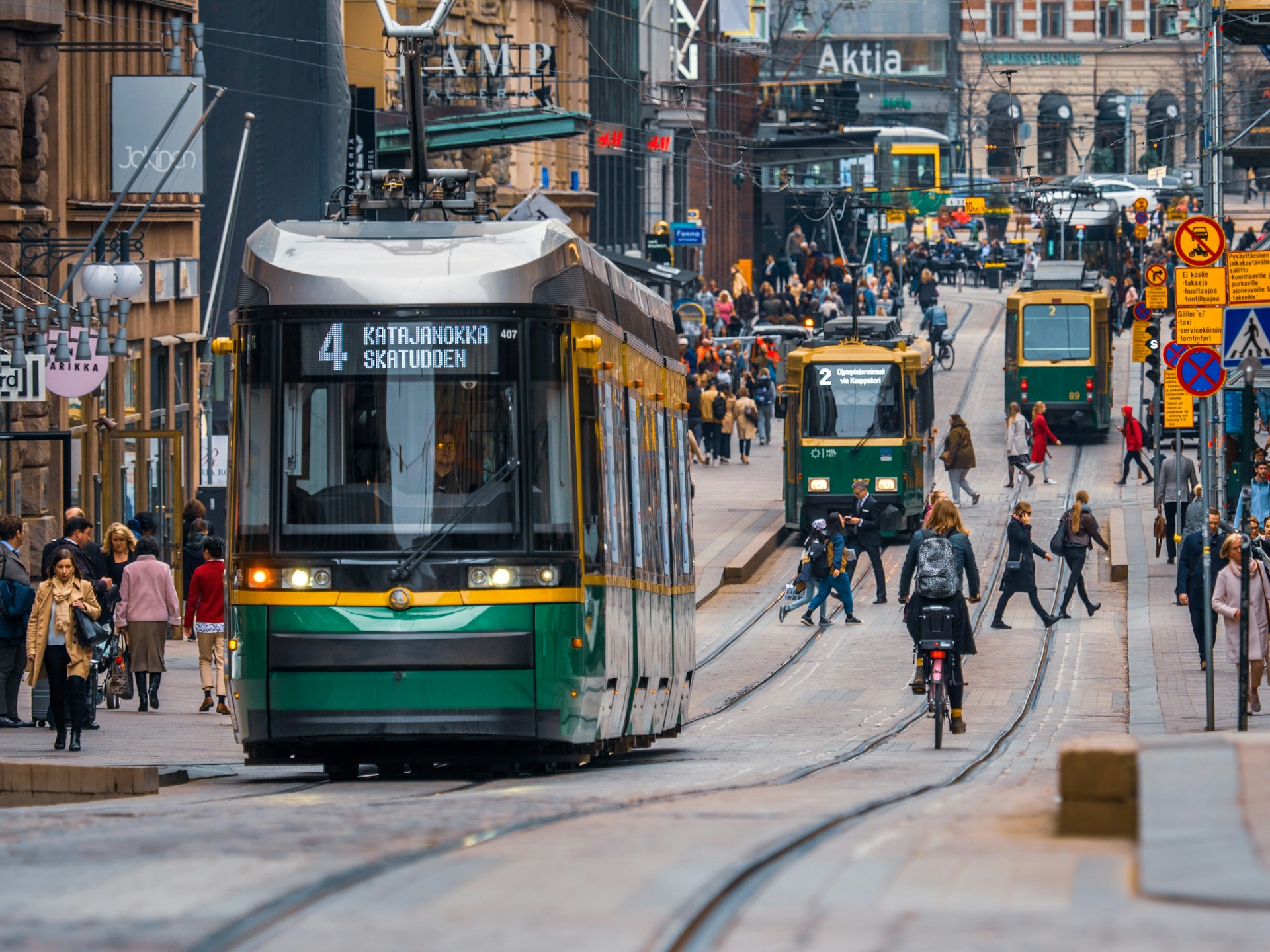
Even so, there are now numerous success stories and examples of tram revival, often linked to other key elements of public transportation strategy. One is the push toward multimodal transportation systems, which make it easier to cover an entire urban area by connecting different forms of public transit. A good example is Vienna, which even considered abandoning its tram network in the 1960s. Another trend is the digitalization and automation of transit systems. In Germany, research is underway to develop fully automated, driverless trams.
In 2018, the global tram market was estimated at $3.3 billion. By 2026, projections from Future Market Report had already more than doubled that figure to $6.95 billion, with the market expected to reach $11.52 billion by 2033. Europe is the fastest growing market, which comes as little surprise. Many European cities, from major metropolitan areas to medium sized urban centers, have either revived their tram systems or built entirely new networks.
Paris (France) reintroduced its tram system in 2006 after it had disappeared in 1937, primarily to ease congestion along one of the city’s major boulevards. According to the operator, RATP, the network now includes a dozen lines, 235 stations, and 126 kilometers of track, forming an integral part of a multimodal transportation system. Likewise, Seville (Spain), which had discontinued its trams in the 1960s, brought them back in 2007 and is now planning further expansion. Meanwhile, Berlin (Germany) never completely abandoned its trams in the former East Berlin, then part of the Soviet bloc, and is now modernizing and extending the network into areas of the former West Berlin.
Cities are also exploring hybrid solutions. This is the case with tram train projects, which use sections of the conventional rail network as part of their route. One example can be found in Lugano (Switzerland).
At the same time, public awareness of the value of trams has grown. Kolkata (India) once operated an extensive tram network, much of which has since become outdated. By the end of 2025, local authorities were considering shutting down the remaining lines and preserving only a token service. The proposal sparked a strong public response, with residents calling for the network to be maintained and modernized instead. As a result, the future of Kolkata’s trams is now being decided in the courts.
Frequently Asked Questions
Why did trams disappear from cities
They fell victim to changing perceptions and the rise of motor vehicles.
Why are they making a comeback now?
Cities are increasingly recognizing the role trams can play in decarbonizing transportation and addressing urban mobility challenges.
What positive impact do they have on the urban footprint?
As electric vehicles, trams have the potential to be environmentally friendly. When powered by electricity generated from renewable sources, they can operate without a carbon footprint. At the same time, they deliver indirect benefits by improving social cohesion, opening up new urban spaces, and reducing dependence on private cars.
Are they always the greenest option?
Trams are not a magic solution, because building the necessary infrastructure involves significant costs. They only deliver a positive return when ridership is very high. In areas with lower passenger demand, electric buses are likely to be the more sustainable option.
Photos | Tapio Haaja, Aayush Gupta, Adam Borkowski