



Table of Contents
This is a guest post written by Bibiana Aido, UN Women Regional Director for the Latin America and the Caribbean.
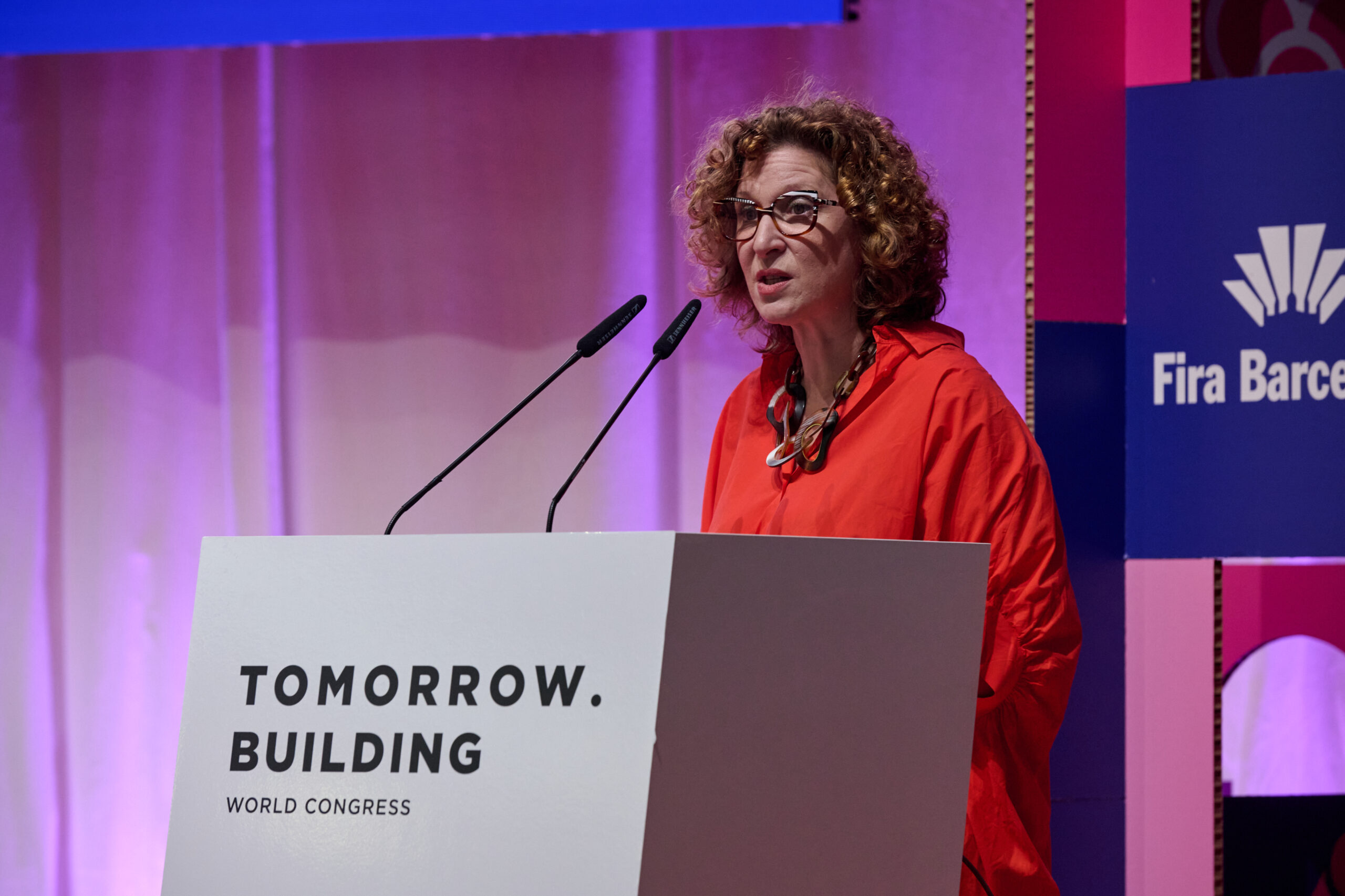
Bibiana Aido will be speaking at Smart City Expo World Congress 2025 on November 5, in a roundtable titled Housing for Growing Cities: Building Equity Through Design and Policy, alongside urban experts and high-level representatives.
When we talk about smart cities, we often think of technology, connectivity, and efficiency. However, how smart can our cities really be if they are not designed to care for the people who live in them? The concept of caring cities invites us to broaden our perspective: it is not enough to innovate in digital infrastructure —we must also ensure the physical, emotional, and social well-being of people in their everyday lives.
What Is Care and Why Does It Matter in Urban Planning?
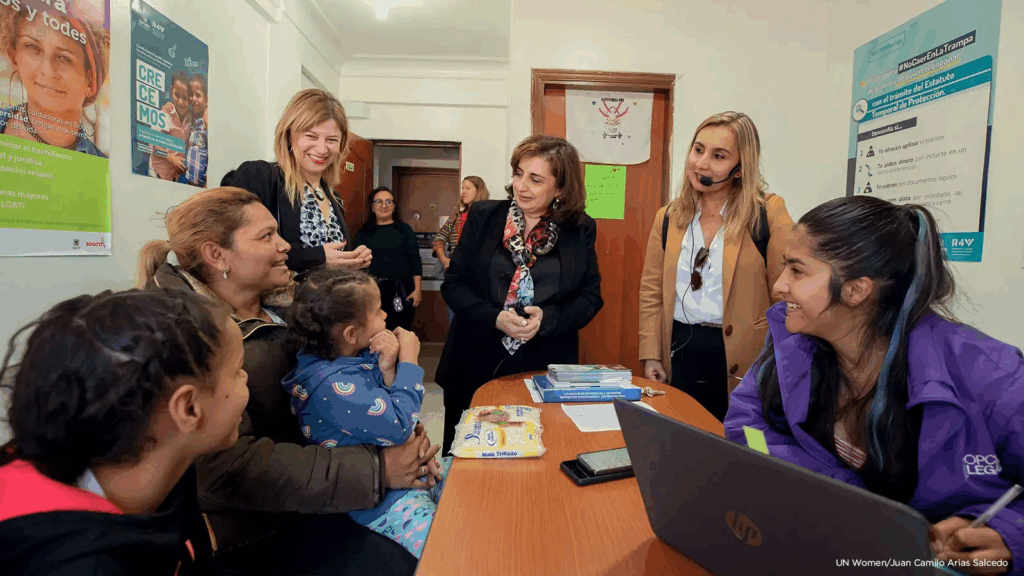
Care encompasses all activities and relationships aimed at sustaining life: from attending to children, older persons, and people who are dependent or living with disabilities, to daily tasks such as cooking, cleaning, and providing emotional support. This work has material, economic, and affective dimensions, and although it is essential for society —and for the local economy, as we will see later— it continues to be invisible, undervalued, and mostly unpaid.
Historically, care responsibilities have fallen on families, with women often bearing the primary burden within them. This unequal distribution limits their autonomy and access to rights, reinforcing stereotypes that link caregiving to “female nature” instead of recognizing it as knowledge and a skill that anyone can develop.
The City as a Facilitator (or Barrier) to Care
Spatial organization, the availability of services, and the structure of life rhythms directly influence how care is provided and by whom. In Latin America and the Caribbean, territorial inequalities are evident: peripheral areas often lack access to clean water, safe transportation, lighting, connectivity, and basic health and education services.
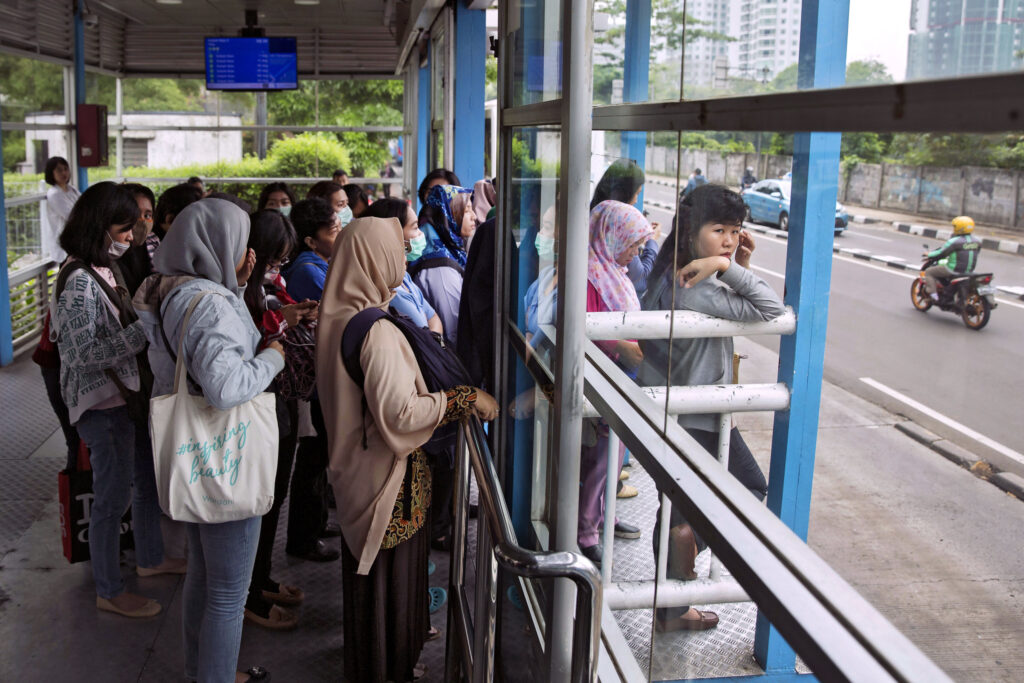
In such contexts, caregiving tasks become more demanding and time-consuming. Time —a critical factor in daily experience— is consumed by commuting and waiting, limiting opportunities for employment, education, and rest, especially for women. Thus, the city can be an ally or an obstacle: when nearby services and accessible transport are lacking, the care burden increases.
Care as Urban Infrastructure
Whether recognized or not, care work sustains a substantial part of the local economy. Rethinking care from a territorial perspective means treating it as an essential infrastructure for urban life. This requires strategic planning that incorporates local services and facilities to reduce and redistribute care burdens.
Infrastructure and services such as clean water, safe transportation, nearby health centers, and accessible public spaces are not neutral: when designed with a gender lens, they facilitate care by improving time management, self-care, and women’s autonomy. In other words, a caring city not only provides services, it creates conditions for equality.
The Right to the City and the Right to Care: Two Intertwined Goals
According to the World Bank, feminist-informed strategic urban planning should be:
- Participatory, including the voices of women, girls, and diverse groups.
- Integrated, with gender mainstreaming throughout.
- Universal, addressing all ages and abilities.
- Knowledge-generating, producer of data, and with the capacity to influence decision-making.
- Properly funded, ensuring resources and political commitment.
This approach recognizes that women experience the city more intensely and diversely, combining paid and unpaid work with community activities. Their travel patterns are more complex, often involving multiple stops (“trip chaining”) and greater reliance on public transport. Yet these realities are rarely considered in urban planning.
Toward a Caring and Inclusive City
Feminist urbanism seeks to make diversity and difference visible, to recognize structural inequalities, and to rebalance opportunities across territories —shifting priorities from productivity to the sustainability of life. A caring city places people at the center, addressing needs by age, ethnicity, ability, gender, and cultural context. This implies:
- Designing cities that are proximate and multifunctional.
- Ensuring safety and mobility for everyone.
- Localizing urban policies to include peripheral, rural, and vulnerable neighborhoods.
Moreover, it must adopt an intersectional lens that highlights how gender inequalities intersect with poverty, migration, racialization, and disability. Only then can we move toward an urban model that does not exclude, but rather cares.

How Smart Are Our Cities?
True urban intelligence is not measured solely by sensors, connectivity, or big data —but in the ability to ensure well-being and equality for all people. Caring cities are the future: spaces that recognize the value of care as a pillar of urban life and integrate it into strategic planning.
The message is clear: innovation alone is not enough unless we also transform local urban governance —making it strong, intersectional, and participatory— to build a paradigm that places life at the center. A truly smart city is one that cares, because in its design and in the interactions it fosters, people remain at the heart.
____________________
About UN Women Flagship Program Safe Cities
UN Women’s Global Initiative Safe Cities and Safe Public Spaces for Women and Girls builds on its Safe Cities Free of Violence against Women and Girls Global Programme that began implementation in January 2011 to prevent and respond to SVAWG in public spaces. It supports local and national governments to address multiple sustainable development goal targets across multiple goals.
Photos: UN Women (Juan Camilo Arias Salcedo and Ryan Brown) & Vitaly Gariev