Table of Contents
Author | Raquel C. Pico
In the race toward sustainable development, urban development plays a crucial role. Firstly, as an ever-increasing proportion of the global population relocates to cities, the challenges of the future are increasingly urban in nature. Furthermore, cities themselves have begun to exhibit signs of strain, underscoring the urgent need for urban areas to become smarter and more efficient in addressing not just the challenges of the future, but the pressing issues of today.
This must undoubtedly include reviving underused, neglected, or abandoned urban areas. Sports and regreening initiatives are two key pillars that urban planning is leveraging to address this challenge.
The importance of sports
Health-focused urban planning is one of the key trends shaping the development of smart cities. Citizens’ habits must evolve to foster a positive impact on the adoption of healthy practices. After all, the link between mobility and well-being was one of the key lessons learned from the pandemic. Practicing sports is becoming increasingly important, especially in the context of rising sedentary lifestyles.
A U.S. study indicates that half of the country’s population does not meet the minimum physical activity recommendations, despite urban residents living within a one-mile radius of a park. Although green spaces are often assumed to naturally promote healthy practices, data from this study reveal that they remain underutilized for sports activities. The infrastructures created are often not used, and the strategy remains too focused on young people, neglecting other age groups. Effective marketing of parks and their offerings is essential, but equally important is the thoughtful urban design of these infrastructures.
Furthermore, sports play a vital role in sustainable development, as they foster a sense of community and promote sustainability among the public. They contribute to urban development in cities, serving as a potential catalyst for regenerating urban spaces.
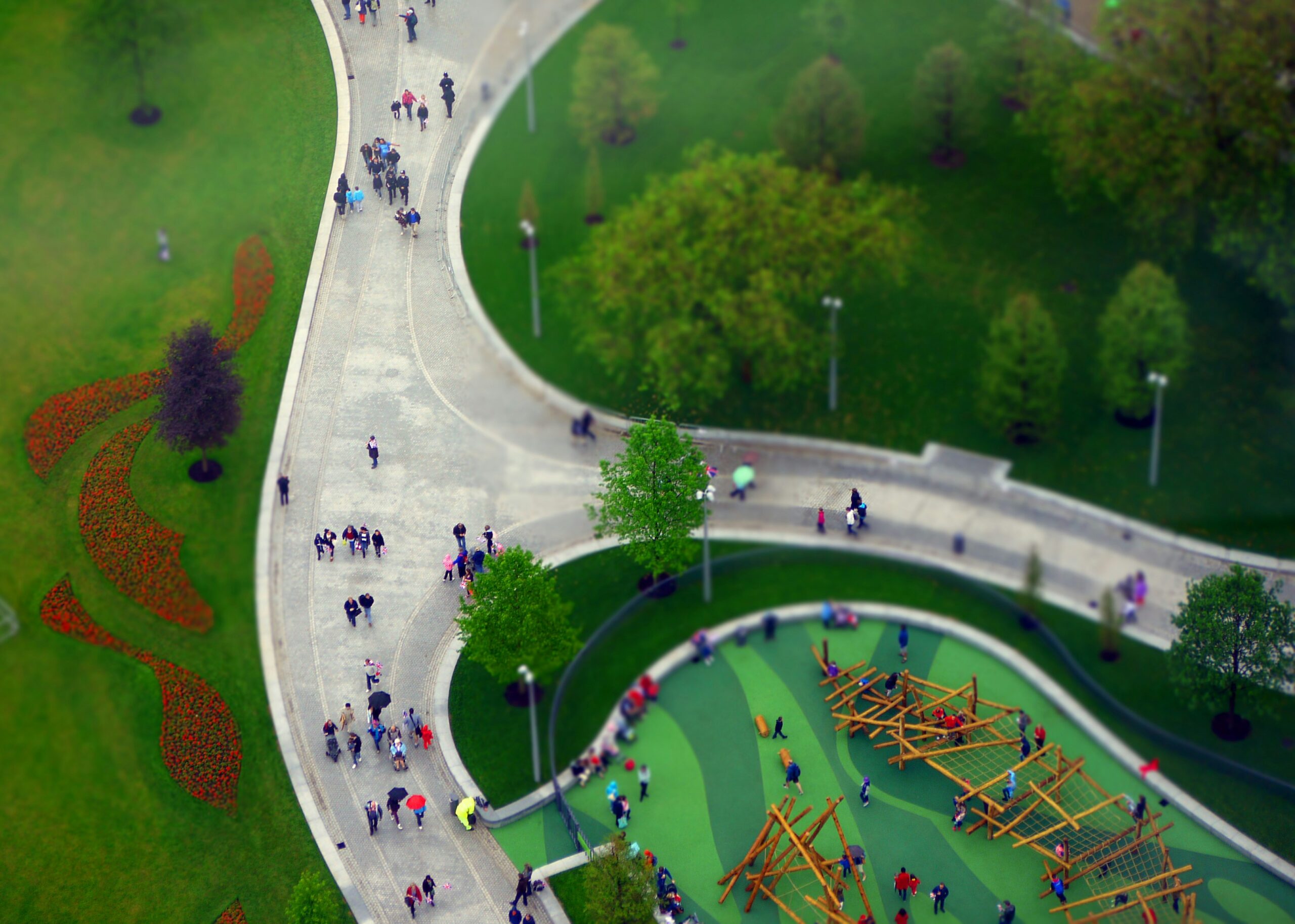
The Queen Elizabeth Olympic Park in London, United Kingdom, is a prime example. It transformed a previously abandoned plot of land, first repurposing it as an Olympic venue and later revitalizing it as a public open space. Other examples include the High Line in New York, United States, which revitalized a disused railway section into an iconic green space featuring walking trails and leisure areas, or Madrid Río in Madrid, Spain, a project aimed at converting the area alongside the Manzanares River into green area, which not only served as an environmental initiative but also became a hub for sports and recreation.
The population also responds particularly positively to these initiatives. According to the Spanish Association of Public Parks and Gardens, 53% of the Spanish population prefers parks and repurposed green areas for practicing sports. A focus group in Zaragoza, Spain, confirms that the opening of these new green spaces sparks the population’s interest and encourages them to participate in sports.
The role of urban sports

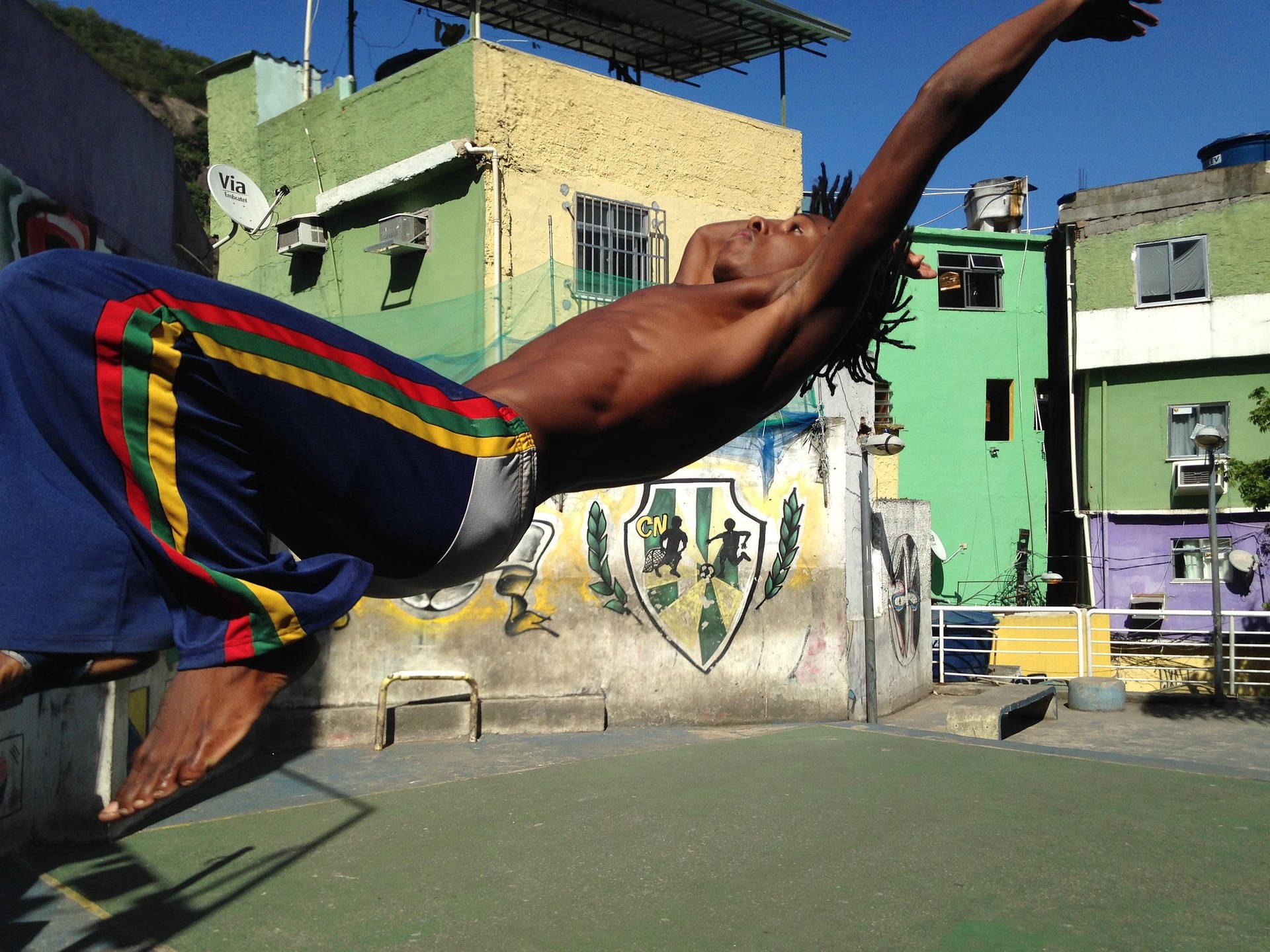
In this regard, urban sports play a particularly significant and prominent role. Urban sports are deemed to be those designed and practiced with the specific conditions of the city in mind. In other words, urban development and its characteristics become the context for creating sporting practices. This is evident in the street variant of BMX biking, which incorporates elements of urban furniture as obstacles; parkour, where movements involve navigating urban obstacles; and skateboarding. In addition to being primarily practiced in urban areas, these sports have played a key role in regenerating many abandoned and neglected spaces.
One of the often-overlooked aspects of urban development is the use of spaces beneath bridges, level crossings, and road infrastructures. In Portland, United States, skaters were the driving force behind the conversion of spaces beneath urban road infrastructures into skateboard areas, which were then transformed into vibrant green zones.
In Prague, Czech Republic, the Vltavská Underpass became an area to be avoided after losing its role as a connection between a communication hub and the river. It was perceived by residents as a dangerous area. A sustainable development project cleaned it and tidied it up, while maintaining the graffiti, as an example of urban art, equipped it with light and catering spaces and, above all, equipped it with infrastructures for urban sports. And thanks to its mascot, Ollie the Pig, it raises awareness about homelessness.
The Re-Gen URBACT Network of European cities repurpose abandoned urban spaces to create sports hubs, positioning them as key areas for urban development. They do so by adhering to the principles of the New Bauhaus, with a focus on engaging the public aged 10 to 18 years.
The case of padel tennis
Additionally, the growing public interest in certain sports is also influencing urban development. The padel tennis boom in Europe, for example, has spurred the regeneration of urban industrial areas and the revitalization of outskirts, transforming abandoned industrial warehouses into vibrant sports facilities.
Photos | Zachary DeBottis, U/U Studio