



Table of Contents
Author | Jaime Ramos
Hydrogen is set to be the fuel of the future, but it has already encountered an obstacle: obtaining and producing it without emissions, i.e., as green hydrogen, is no simple task. What challenges lie ahead to make use of the most abundant element in the Universe?
A number of countries believe hydrogen will be the unparalleled star of the energy revolution. In Japan, for example, there has been significant institutional support for years. The European Commission has indicated that hydrogen represents less than 2% of is energy mix and, that of that percentage, 96% was produced with natural gas, resulting in significant amounts of CO2 emissions. However, the authorities in these territories, among others, are finalizing plans to change this situation.
What is green hydrogen?
Green hydrogen, in simple terms, refers to hydrogen obtained as fuel and for energy uses through renewable sources, such as electrolysis. In other words, renewable hydrogen.
The hydrogen color spectrum includes other types, such as black, brown, gray, blue or turquoise hydrogen. All of them are obtained using fossil fuels. There is also pink hydrogen, obtained from nuclear energy, and white hydrogen, as the volatile form in which the element can be found in nature.
How is green hydrogen achieved?
Although it is not the only method, water electrolysis is the most popular method for green hydrogen generation. This technology cleanly splits water molecules to separate the hydrogen from the oxygen.
The process uses energy from renewable sources, which is transmitted through electrodes that enable an ionic exchange between the two, in what is known as an oxidation-reduction reaction. There are other clean hydrogen production methods, for example, using solar power and biomethane (yellow hydrogen).
Green hydrogen uses: advantages and disadvantages
As indicated above, green hydrogen offers immense potential to achieve and accelerate decarbonization. According to the EU, "it can be used to replace fossil fuels in transport and industrial processes to stimulate the creation of new sectors".
The main advantages of green hydrogen include:
- As indicated above, it allows clean energy to be obtained and it is widely available.
- Applied to mobility through fuel cell technology, it allows zero-emission mobility that is twice as efficient as fuel combustion engines (around 65%). The manner in which it can be integrated it into urban mobility and transport is still open to debate.
- It can provide support for the energy sector: it has enormous energy storage potential, which, according to EU sources, could help make the energy market requirements more adaptable.

The disadvantages include:
- Producing hydrogen requires, not only a vast amount of electricity, but also water.
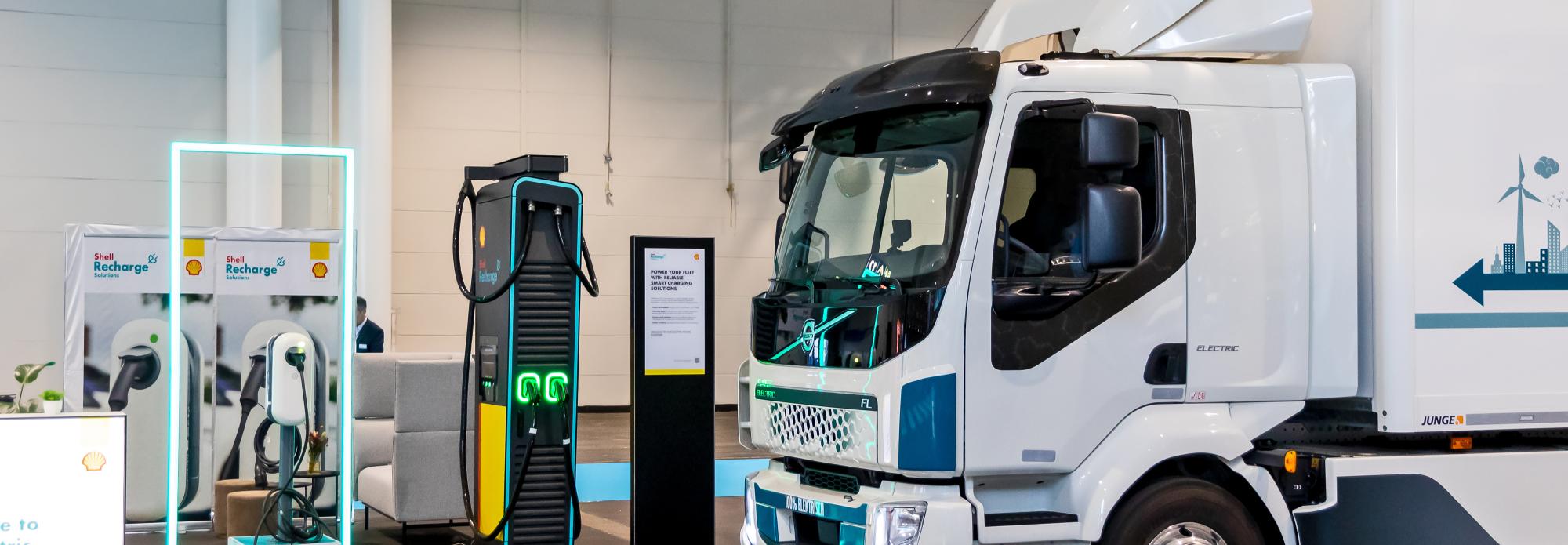
- In terms of mobility, the development of hydrogen cars is an even greater challenge than that experienced with 100% electric vehicles. Even so, its implementation is easier in heavy transport: buses, trucks, trains and, even, vessels.
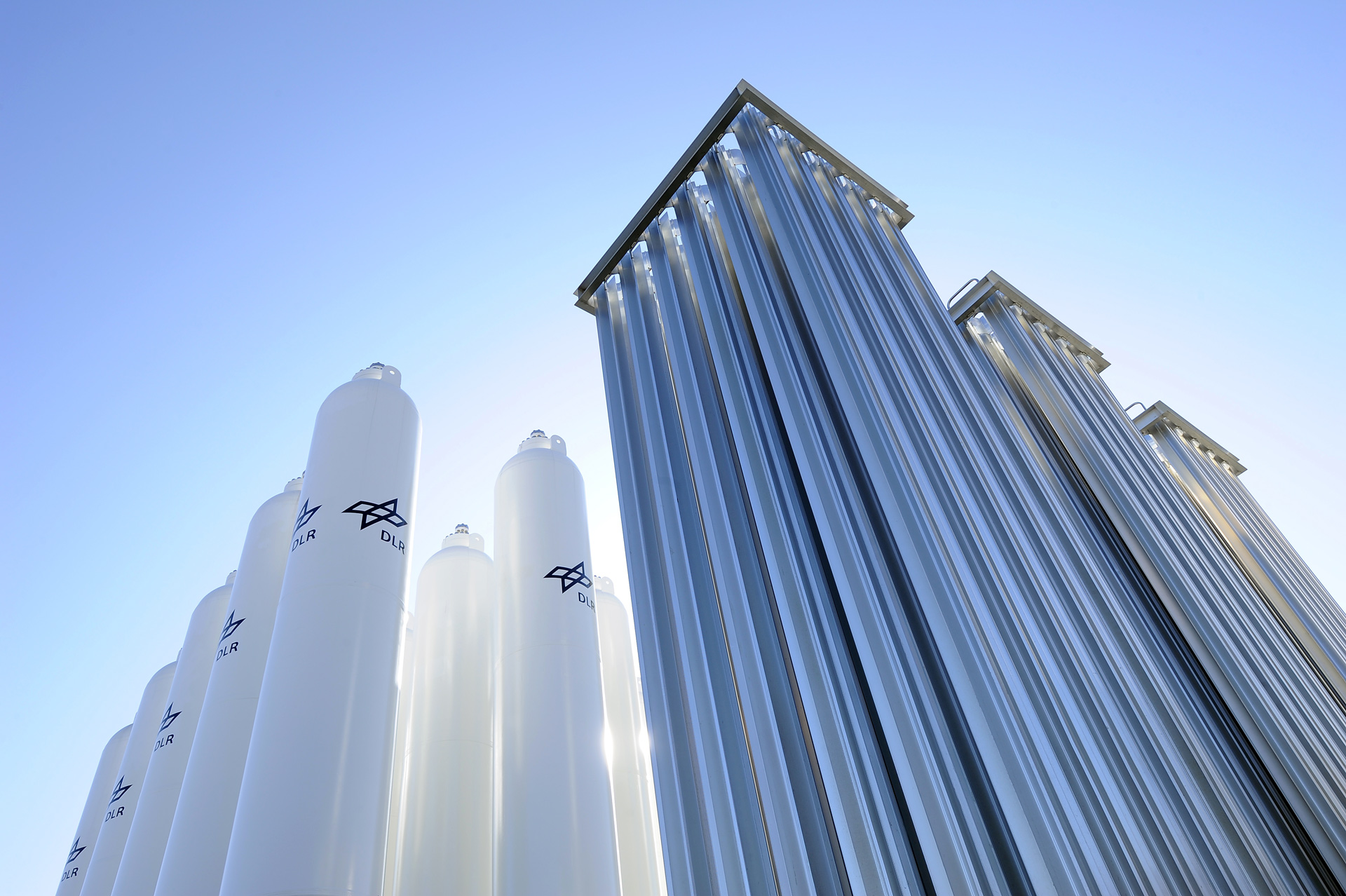
- It will therefore be a while before we see the implementation of hydrogen energy models in cities. This is because it also requires a specific network of high-pressure distribution and storage infrastructures.
Despite the difficulties, there are some very ambitious strategies in place with green hydrogen at an urban level, such as China’s plan that includes 39 cities.
Images | Wikimedia.commons/DLR, Toyota Media Europe