



Table of Contents
Author | M. Martínez Euklidiadas
Over the past few centuries, cities have been getting taller as new materials, new building techniques and, of course, elevators were discovered. The end of the 19th century saw the establishment of the skyscraper, a tall and habitable building.
What is a skyscraper?
The New World Encyclopedia defines a skyscraper as a “very tall, continuously habitable building”. The Oxford dictionary admits that it also contains offices, while the Britannica defines it as “a very tall, multi-storied building”. Merriam Webster is even less stringent: it is simply “a very tall building”.
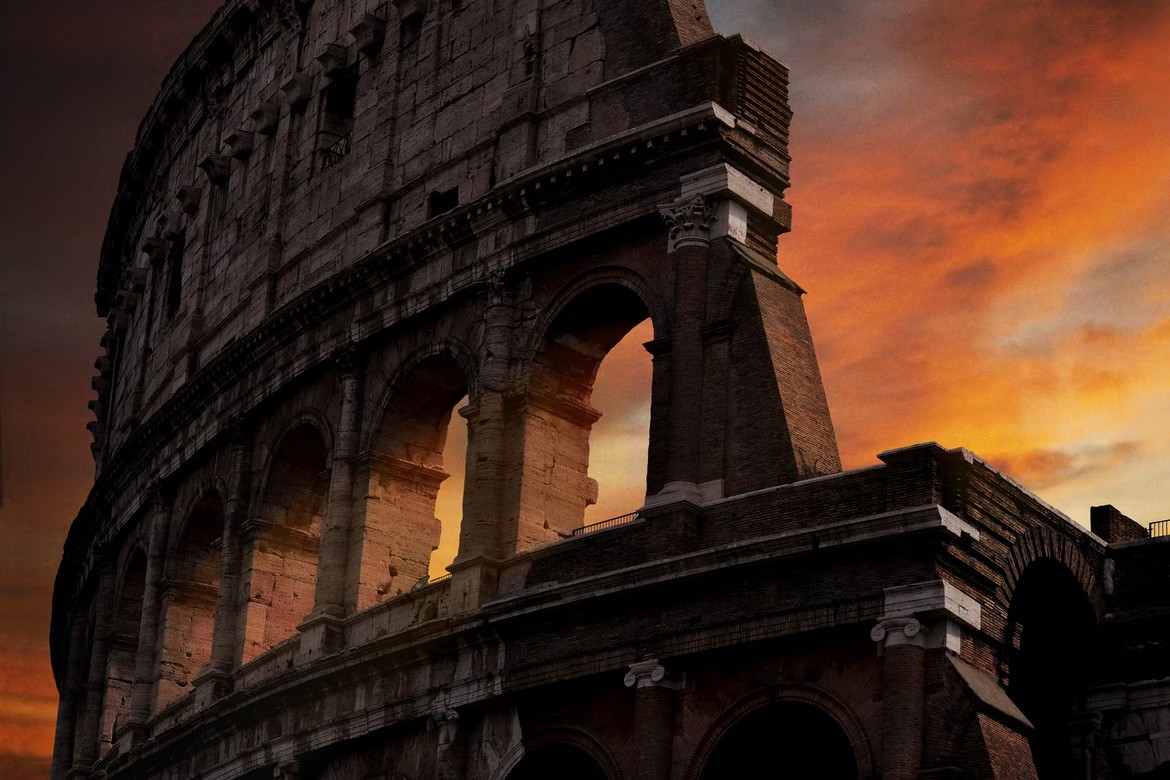
Although there are dozens of definitions for a skyscraper, nearly all of them coincide on one thing: they are tall buildings with numerous floors inside. The Eiffel Tower, the Pyramids of Giza or Christ the Redeemer are not skyscrapers because, although they are very tall, they do not contain floors or they are not buildings.
Is there a specific size for a tall building to be considered a skyscraper?
There is not a global consensus on how tall a building must be in order to be considered a skyscraper. In the history of skyscrapers, there were some five-story buildings christened as such in around 1820, although the world’s first modern building considered a skyscraper was the Home Insurance Building in Chicago, completed in 1884 and demolished in 1931.
With its 10 floors and standing 42 meters tall, today it would not fall within the concept of a very tall building, but its internal steel structure was undoubtedly an accomplishment during its era. In around 1880, the term skyscraper was applied to buildings that had between 10 and 20 floors, although new construction techniques require more than 40 or 50 floors, according to the Britannica.

According to the B1M, skyscrapers must rise to a minimum height of 150 meters, while the Council on Tall Buildings and Urban Habitat (CTBU) talks of the relativity of the height, indicating that what is important is how high the building is in relation to its width.
How is a skyscraper built (and rebuilt)?
Brick masonry buildings can support their own weight but, in order to support their own load, skyscrapers must have a concrete and steel structure, although wood is now being used. This sits on concrete foundations to prevent the building from sinking or swaying in the wind.
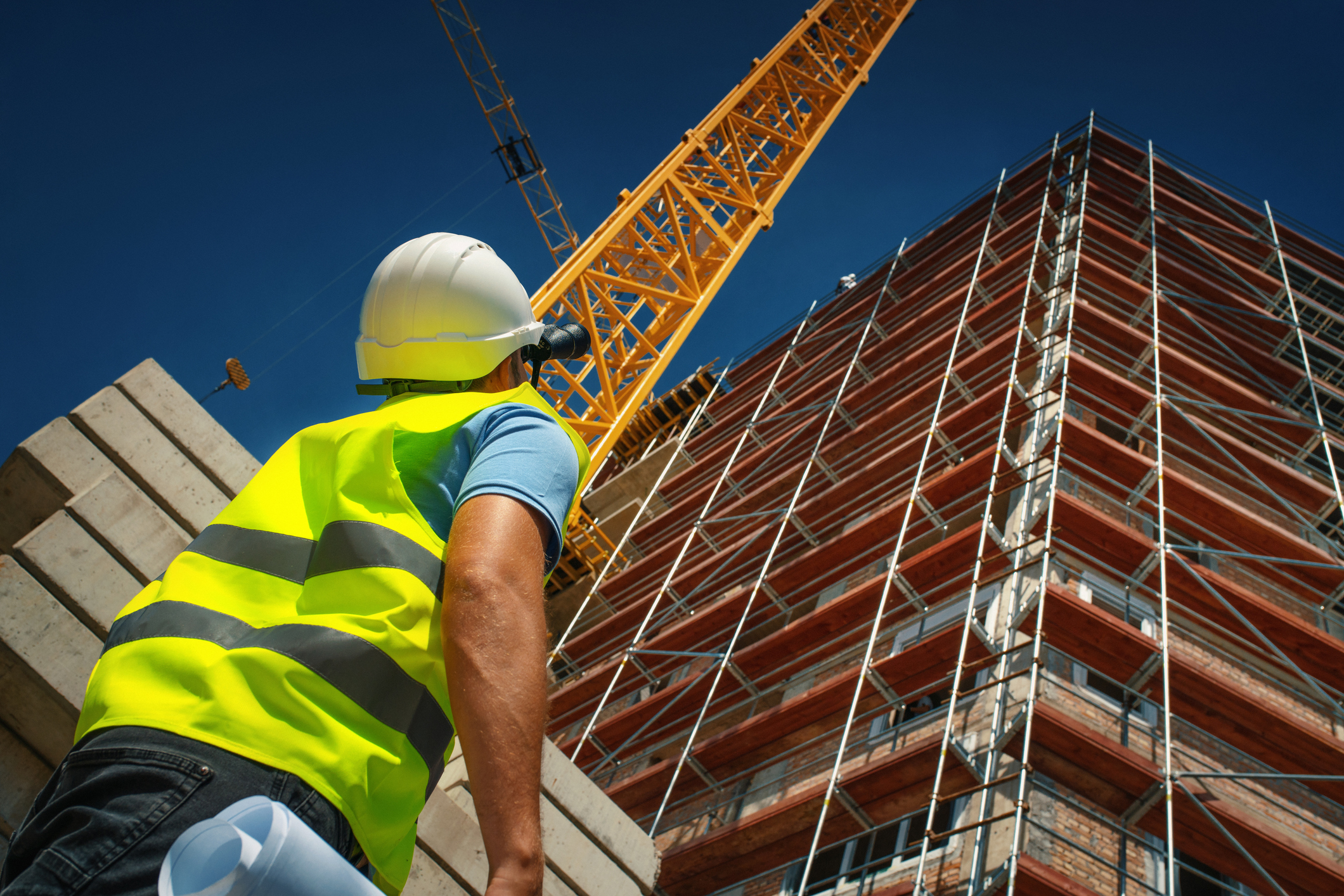
After the foundations and the structure, cranes are required to transport the materials, together with safety elements, electrical, plumbing, temperature control and safety infrastructures (fire protection systems are crucial in skyscrapers) are installed.
Since demolishing and rebuilding a building is energetically expensive and strictly not sustainable, an increasing number of architecture studios are choosing to give tall buildings a second life. To do so, they ‘clean’ the structure, review it and build on it.
The world’s tallest skyscrapers
From tallest to smallest, the world’s Top 10 skyscrapers are listed as follows:
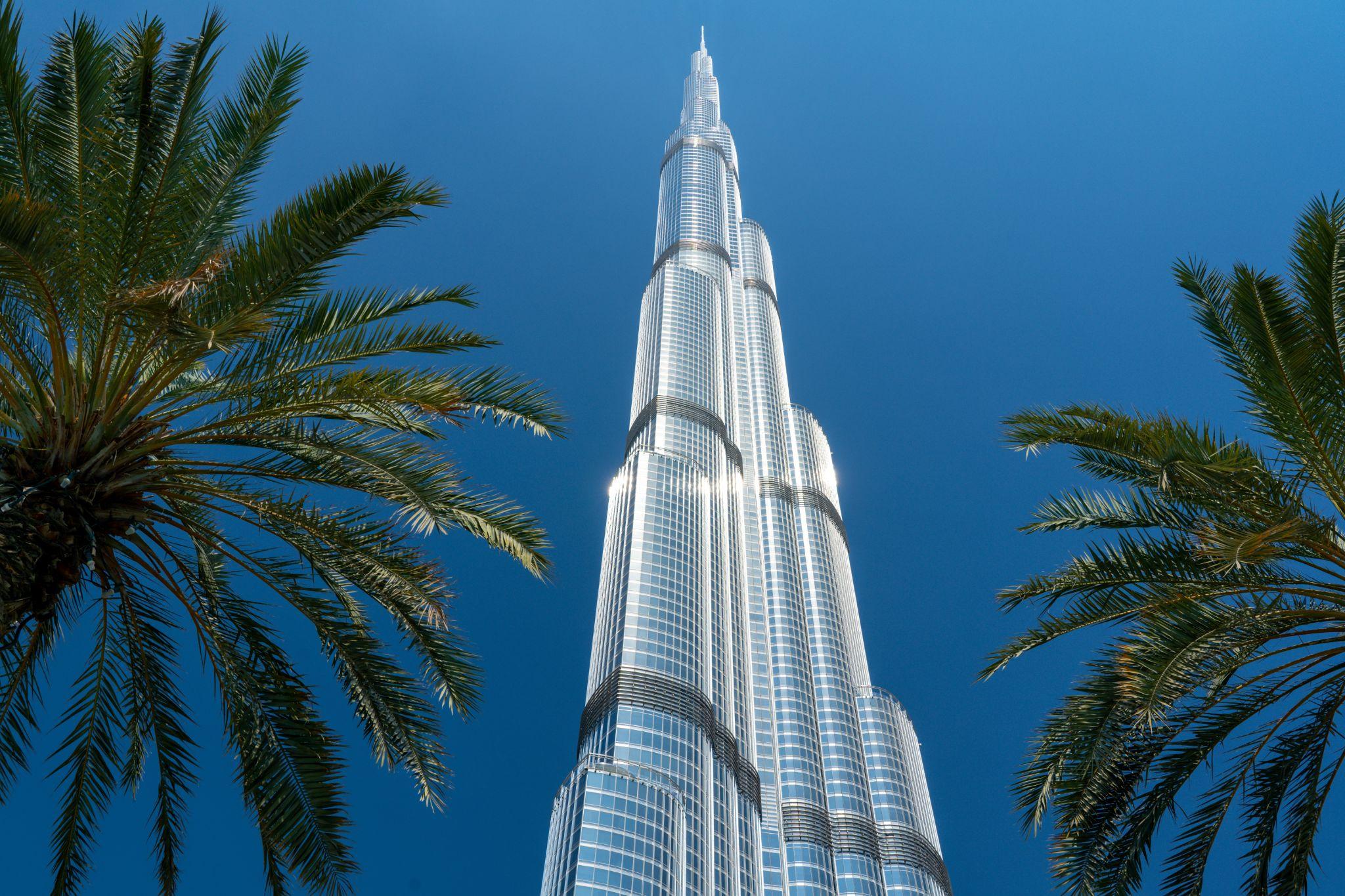
- Burj Khalifa. 828 meters
- Merdeka. 679 meters
- Shanghai Tower. 632 meters
- Makkah Royal Clock Tower. 601 meters
- Ping An Finance Center. 599 meters
- Lotte World Tower. 555 meters
- One World Trade Center. 541 meters
- Guangzhou CTF Finance Centre. 530 meters
- Tianjin CTF Finance Centre. 530 meters
- CITIC Tower. 528 meters
Images | Michel Engels, Lisanto 李奕良