



Author | M. Martínez Euklidiadas
Wi-Fi 7 is the latest iteration of the wireless interconnection standard for electronic devices (Wireless Fidelity). How will it affect cities? What can the new Wi-Fi Alliance contribute to the urban environment? Here are some examples of how it is applied in urban areas.
What is Wi-Fi 7 and how does it differ from previous versions?
Wi-Fi 7 is just the name given to the new version of the IEEE 802.11 standard, the first draft of which dates back to March 2021 with its 802.11be version, and which, when this article is published, will have just been approved. IEEE stands for Institute of Electrical and Electronics Engineers.
Although the sixth version of this technology, developed thanks to the work of the actress and self-taught scientist Hedy Lamarr in the middle part of the 20th century, has barely been implemented yet —and in many places we are still working with earlier versions than Wi-Fi 5— this is a significant development.
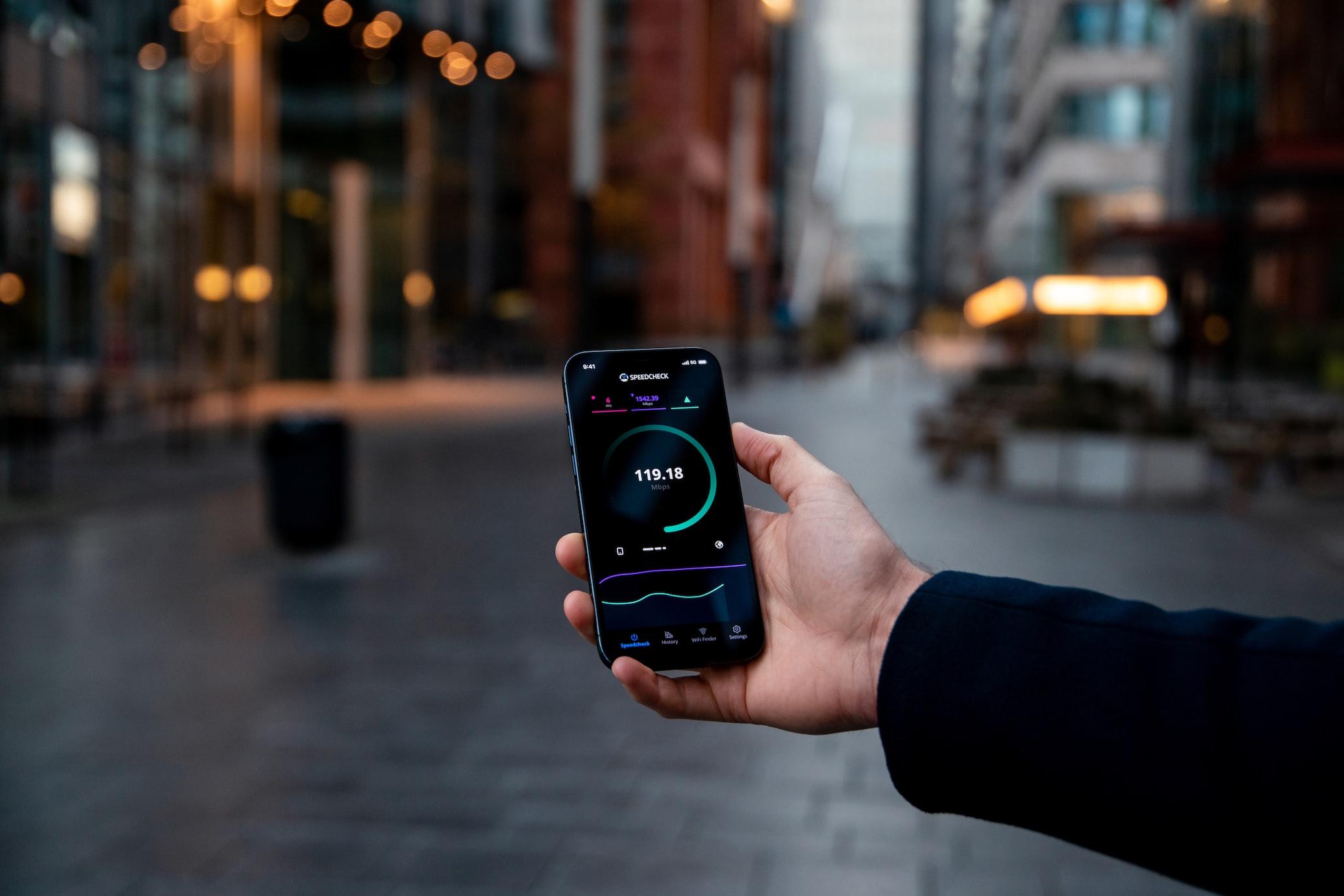
40 Gbps, 2.4 GHz comprising 11 channels of 20 megahertz (MHz) each and low latency
Essentially, and getting straight to the point, Wi-Fi 7 differs from earlier versions in that it is faster, it has reduced latency (propagation and transmission delay), it has greater capacity for devices, it is more stable and more efficient. In all aspects, the technology is better. Although it does not use any disruption, it does perhaps cause it.
Why is Wi-Fi 7 important in cities?
Wi-Fi 7 technology has the potential to transform the way we connect to the Internet in urban areas. With a faster and more efficient connection, this standard can facilitate the development of applications that require lots of data and low latency.
Greater capacity in high-density environments
When there are lots of people in a restaurant, other people’s conversations often invade the auditory space and we are forced to speak louder. The same occurs with Wi-Fi technology. In a dense urban environment, with dozens of devices belonging to the family, neighbors and people on the street (including buses), access points have to use up energy by screaming. With broader channels, the different signals will be able to find their space without using too much energy.

Outdoor Internet: autonomy of the visually impaired
Many visually impaired people depend on their phone cameras to know what is nearby. They take a photo, upload it to a platform or an app and this reads back to them what the camera sees. There have been significant developments in the identification of objects in recent years, but the speed of the signal acts as a funnel. With WiFi 7, visually impaired users will be able to listen to their environment practically in real time.
WiFi 7 and self-driving vehicles
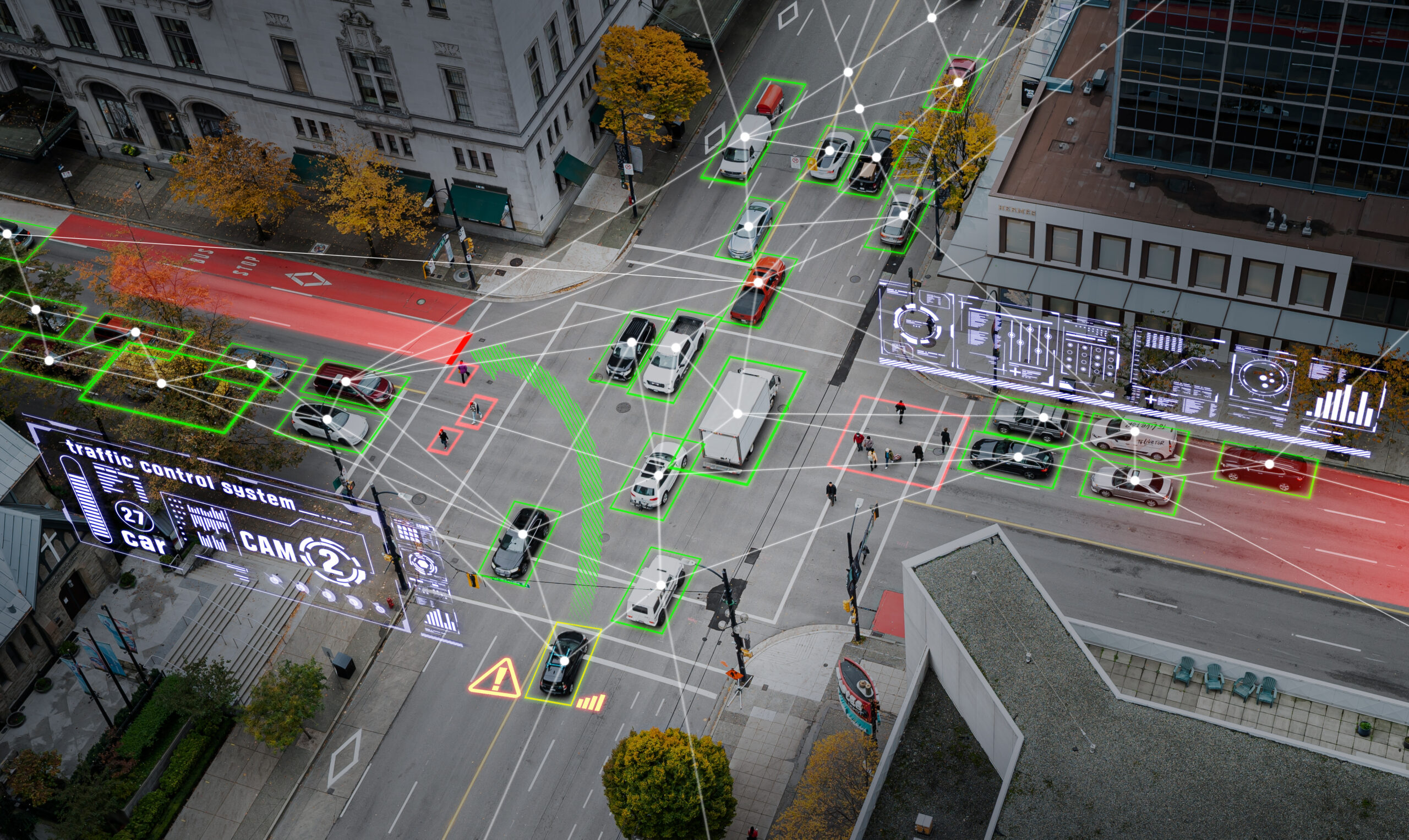
However, undoubtedly, the crown jewel of WiFi 7 will be semi-autonomous or autonomous driving, which is very complicated in urban environments. Self-driving vehicles see with their cameras, but they process information on a server located thousands of kilometers away, and they are expected to respond immediately.
Furthermore, the settings for this vehicles have become increasingly complicated. Self-driving on a highway is easy, but doing so in a pacified city were they must share space with pedestrians, cyclists, transporters, etc. is more complicated. And cities favor thee dense and chaotic environments (for machines) because they benefit citizens.
WiFi urbanism?

As an eclectic discipline, urbanism has many layers. One of these is the digital layer and, within this is, the telecommunications infrastructure is vital. For example:
● Buses with onboard WiFi can be used to verify how full waste bins are on its route.
● Through this network water leakages anywhere on the system can also be monitored.
● The city’s digital infrastructure can also be used to establish user preferences.
● It can serve as a base for monitoring soil humidity in parks.
A new brain for households
In external environments, the WiFi 7 standard will undoubtedly have a significant participation, particularly when it is enabled in public settings such as fleets of municipal buses, libraries or schools. But where it will be even more important is indoors.
In homes, WiFi 7 will enable movies and 8K content to be viewed (although perhaps we should consider whether it is worth it for our human eye), it will allow real-time uploading and interactive streaming and with virtually no lag and it will greatly facilitate the fluid playability of video games.
It will also enable a more stable connection of devices to the same router, although it will be difficult for a family to connect the 253 devices allowed by the technology, regardless of how many electrical appliances and windows we automate.
What is likely to happen is that the router will be integrated with some form of device that enables information to be processed instead of simply redirecting it. In science fiction, homes tend to have a brain, and this could be the router associated with the WiFi signal.
Images | CDC, Frederik Lipfert, Solveig/Adobe Stock