



Author | Jaime Ramos
Electric cars, on-demand services on our smartphones, self-driving… cities are enjoying their own particular mobility revolution. How is the urban mobility concept understood today, and why is it essential in order to anticipate what will happen in the coming years?
What is urban mobility?
Urban mobility refers to all the dynamics of the movement of people and goods in cities from a strategic perspective. It is one of the basic pillars within urban development.
Urban transport and urban mobility have been differentiated in terms of their practical aspects. While transport defines a sector of the activity, mobility in cities carries with it a more profound concept.
The development of the concept itself poses a major challenge. According to UN figures, in 2005 approximately 7.5 billion journeys were made in cities worldwide each day; this figure is expected to at least triple by 2050. The same is expected for the transportation of goods.
What factors define urban mobility?

Some of the values behind the most interesting and modern urban mobility strategies include:
- Sustainability. Urban transport and economy have always had a structural dependency relationship. Today’s challenge involves integrating the new mobility concepts within urban planning.
- The main priorities pinpointed to achieve this is the wellbeing of citizens and reducing the environmental impact, which entails doing away with fossil fuels and increasing transport efficacy and efficiency.
- In this regard, recent sustainability standards apply to areas at a strategic level in cities. They define a new and more rational concept of urban mobility, aimed at reducing journeys, distances and times through new Sustainable Urban Mobility Plans and Policies.
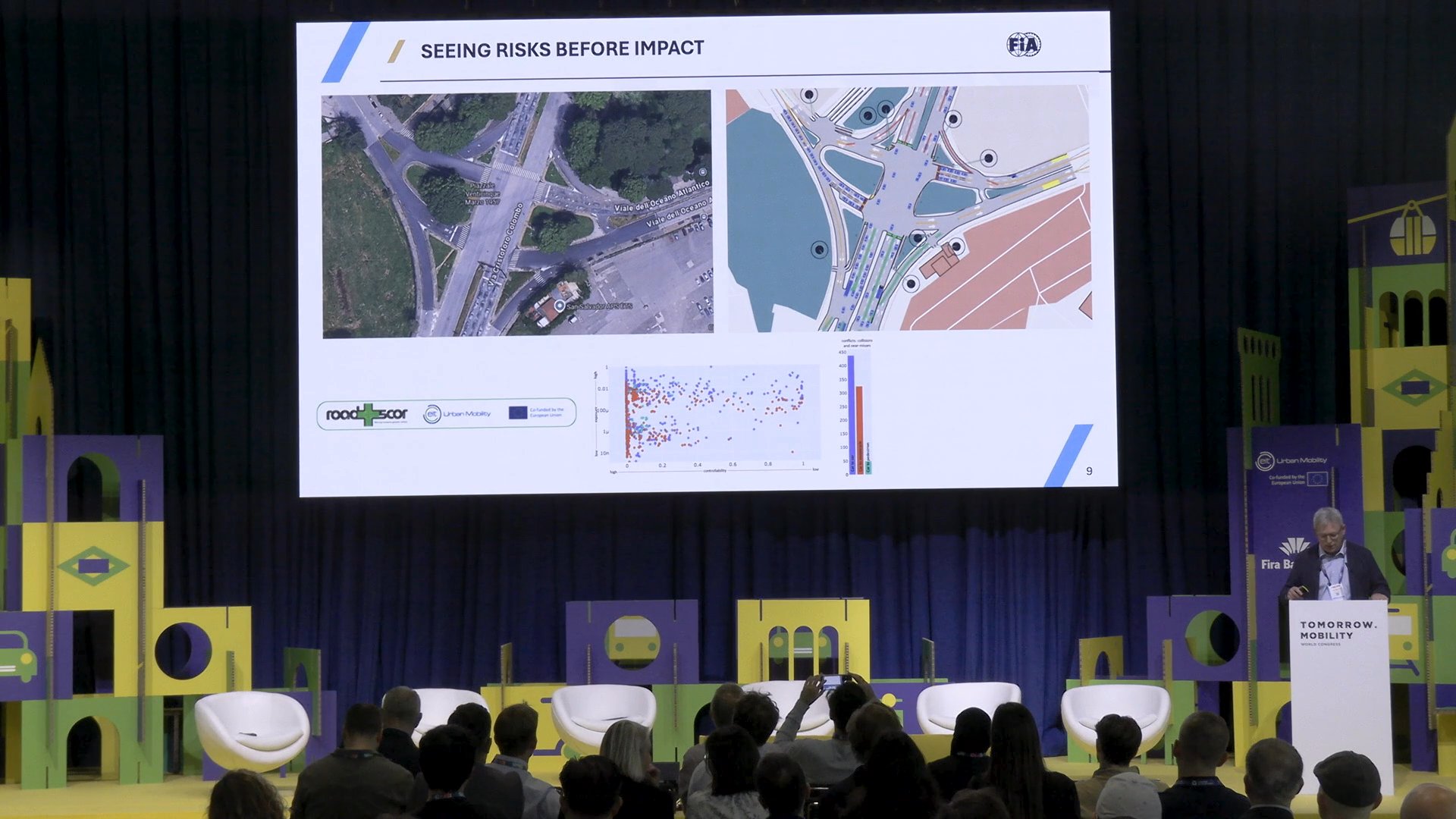
- Road safety. Accident rate figures in some regions, such as in Europe, are at a standstill. The reason for this is the lack of progress in terms of reducing accidents in cities, with the percentage increasing by up to 67% with pedestrians and cyclists bearing the brunt.
- Public health and pollution. Closely related to the foregoing, mobility also has a direct impact on the healthcare sector with 7 million premature deaths each year.

- Road efficacy and intelligence The real aim of smart urban mobility is to reduce journeys and times. According to figures obtained by the Moovit app, average urban journey times stand at 50 minutes in Barcelona, 62 in Berlin or 84 in London, a long way off the idea of the 15-minute city.
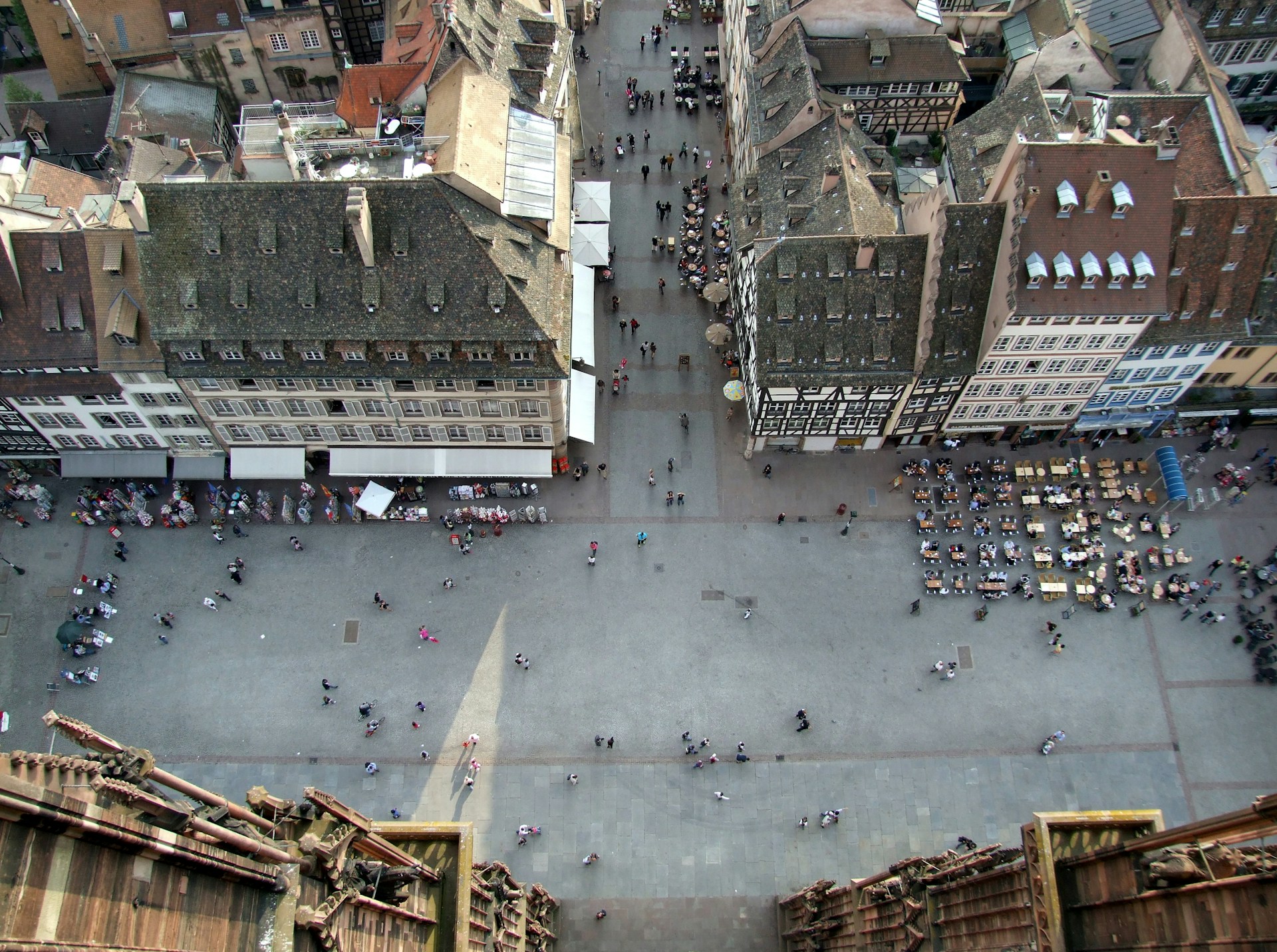
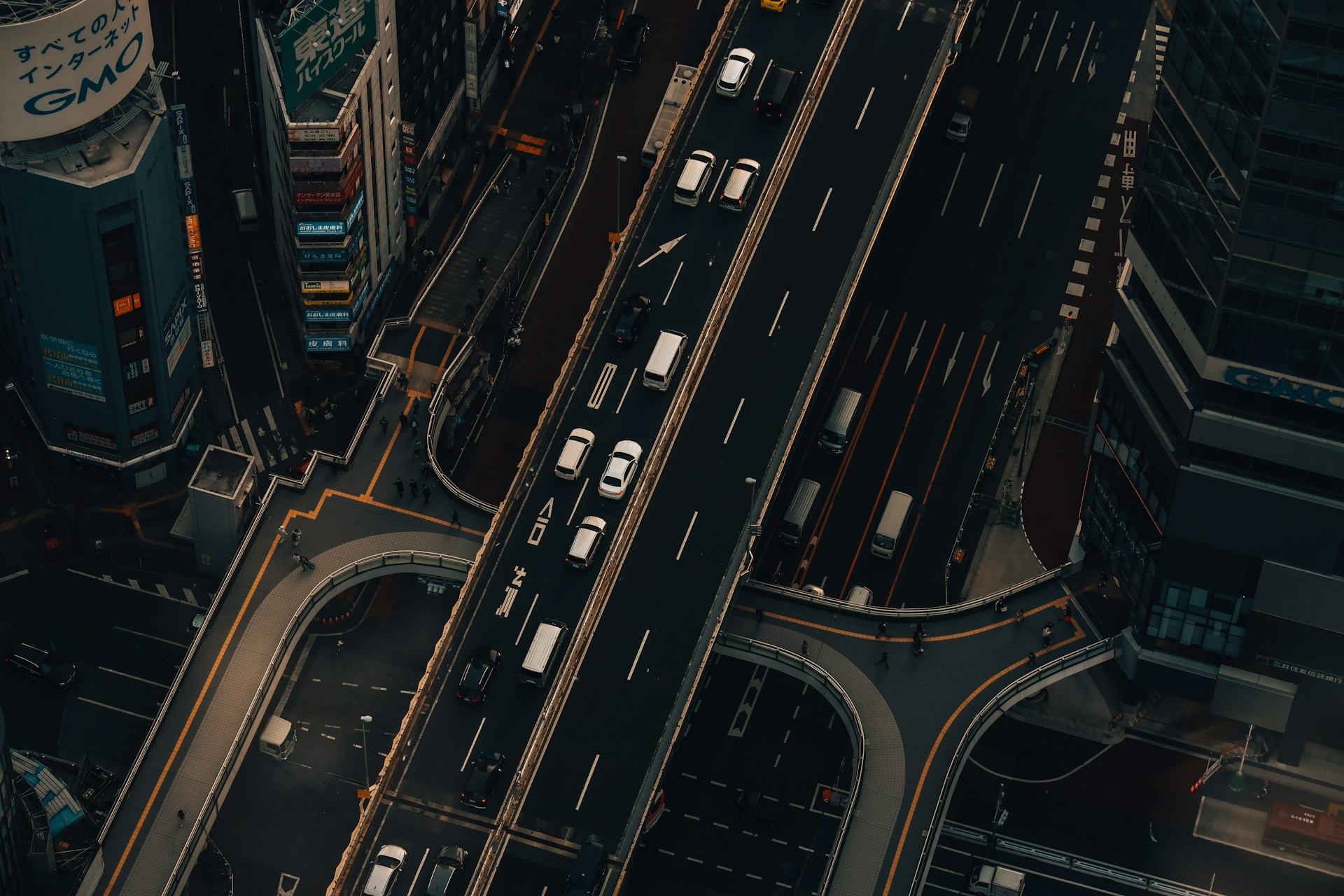
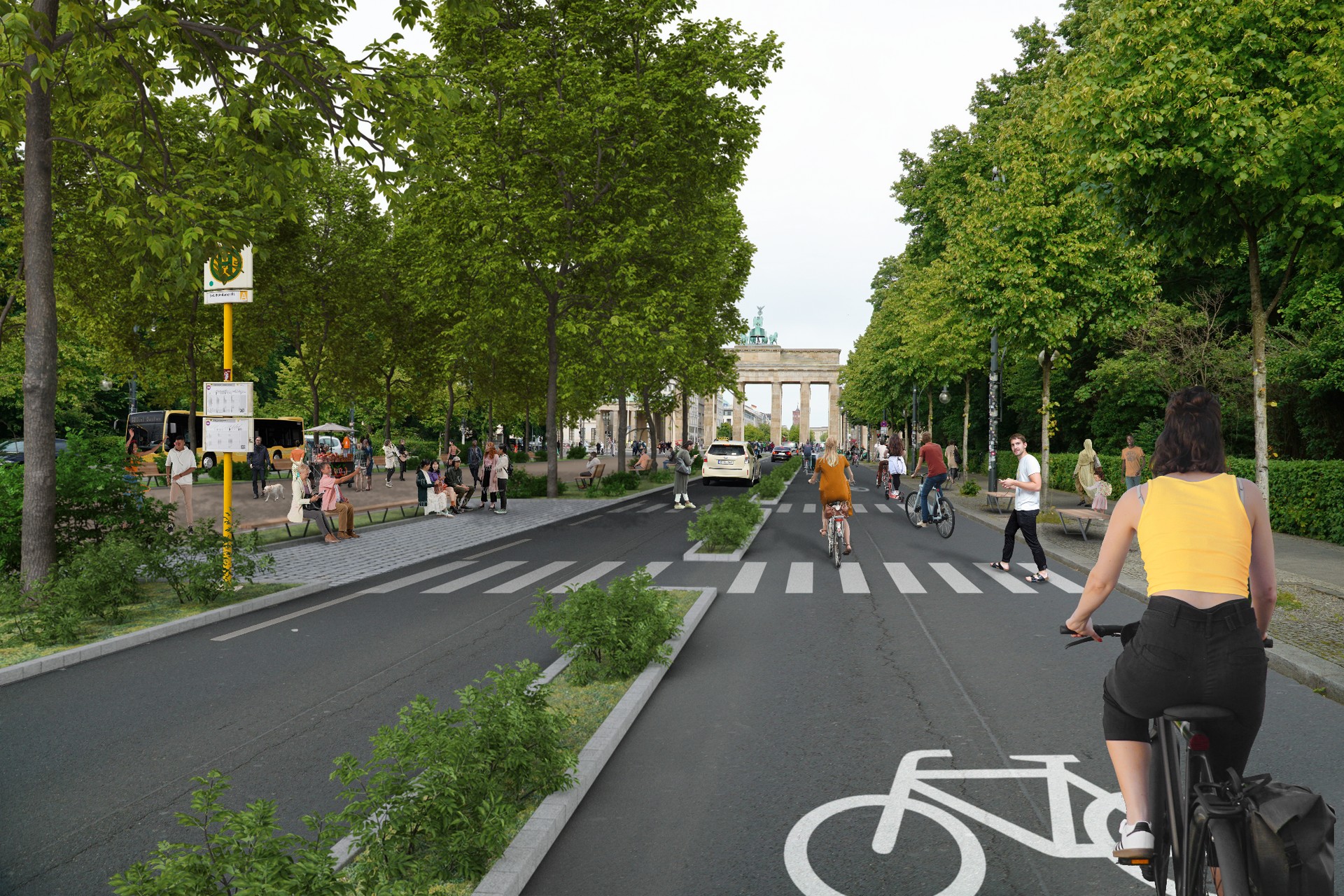
- The urban space. According to the UN, the mobility infrastructure "invariably shapes the urban form". Cities seem to have been made for cars. In Europe, half the urban space is covered with asphalt.
Innovations and future of urban mobility
These are some of the most relevant trends for today’s urban mobility:
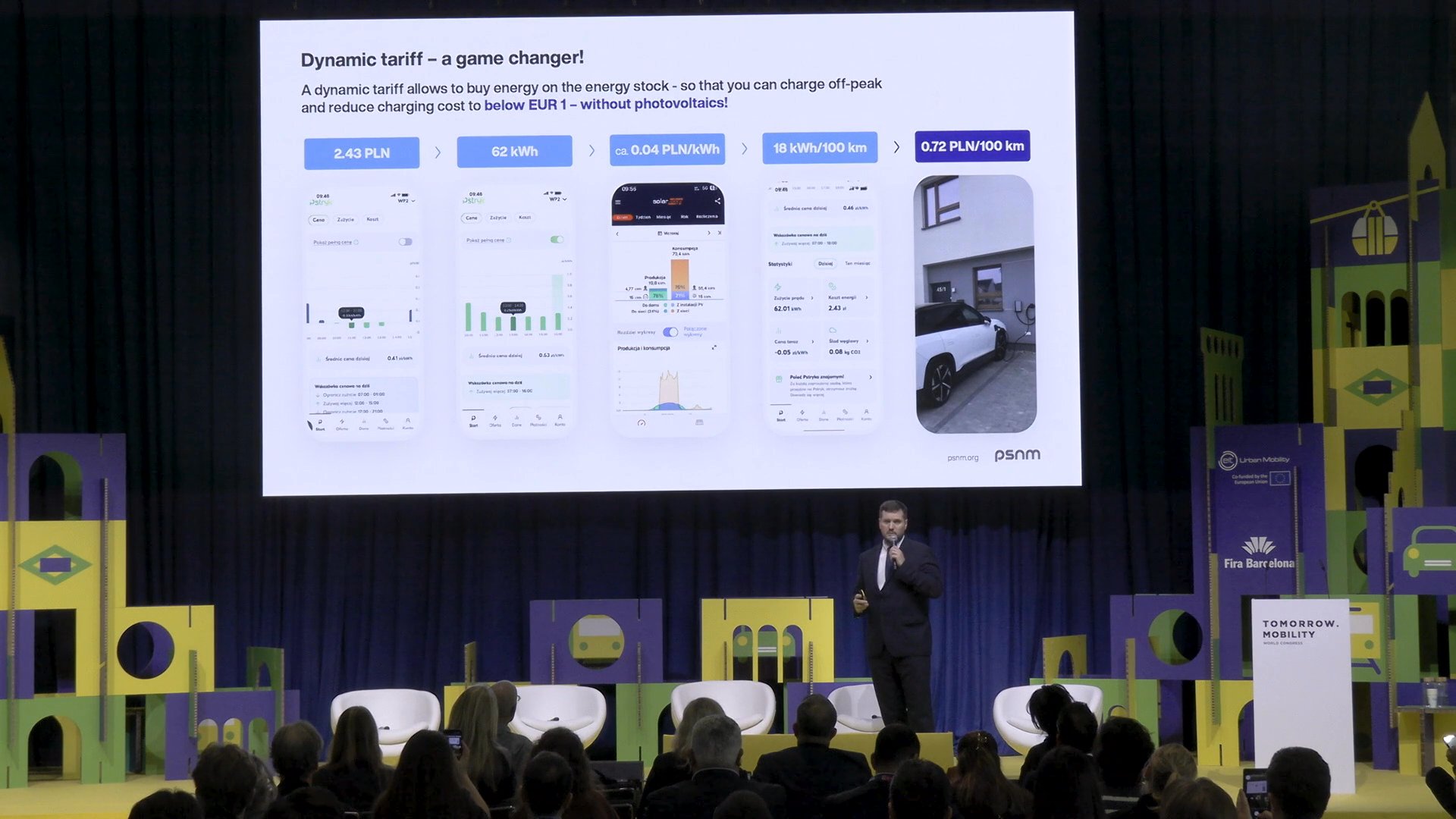
- Electrification. The extinction of thermal vehicles and restriction or a ban on access to cities.
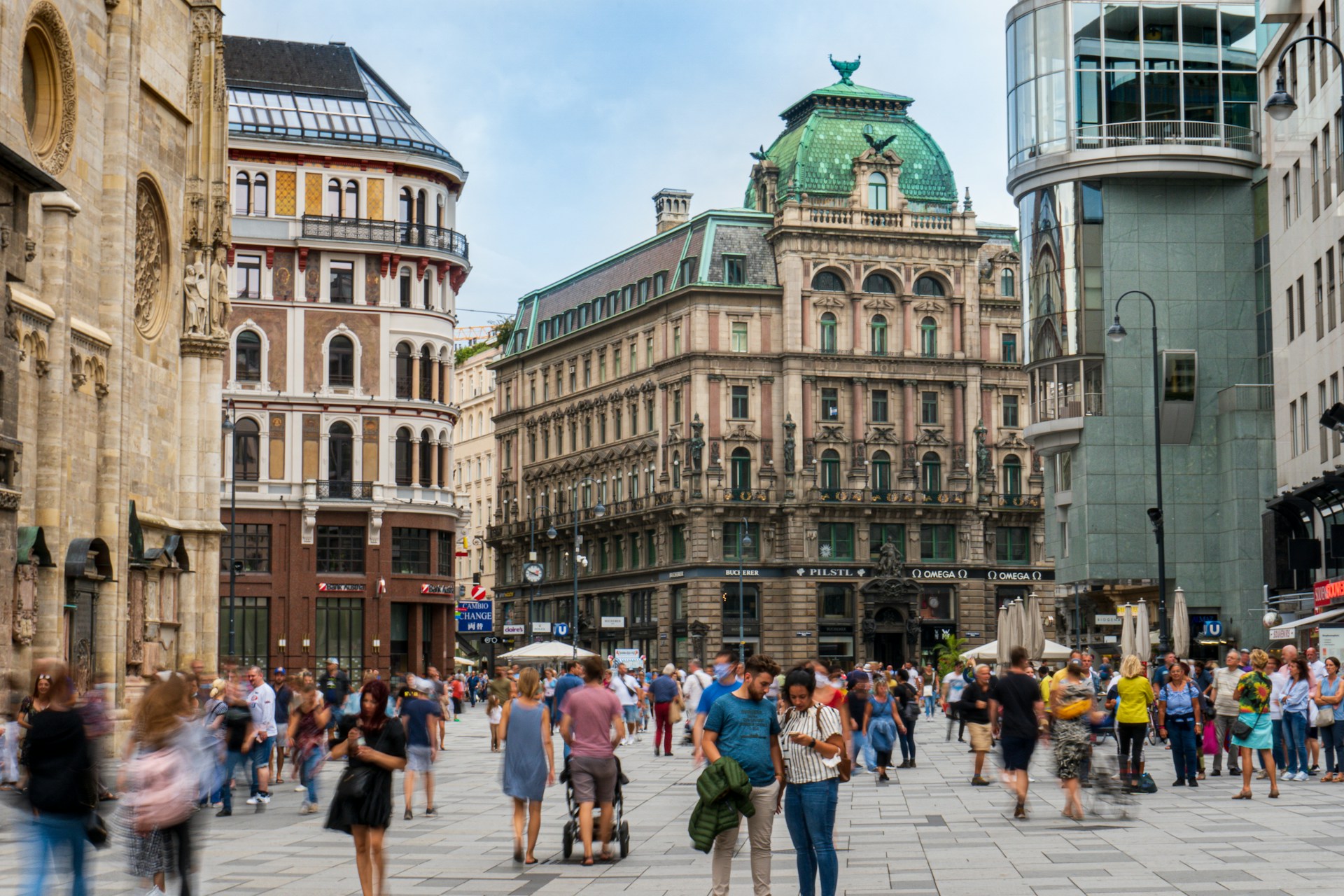
- Redefining urban spaces with a view to prioritizing walking or cycling.
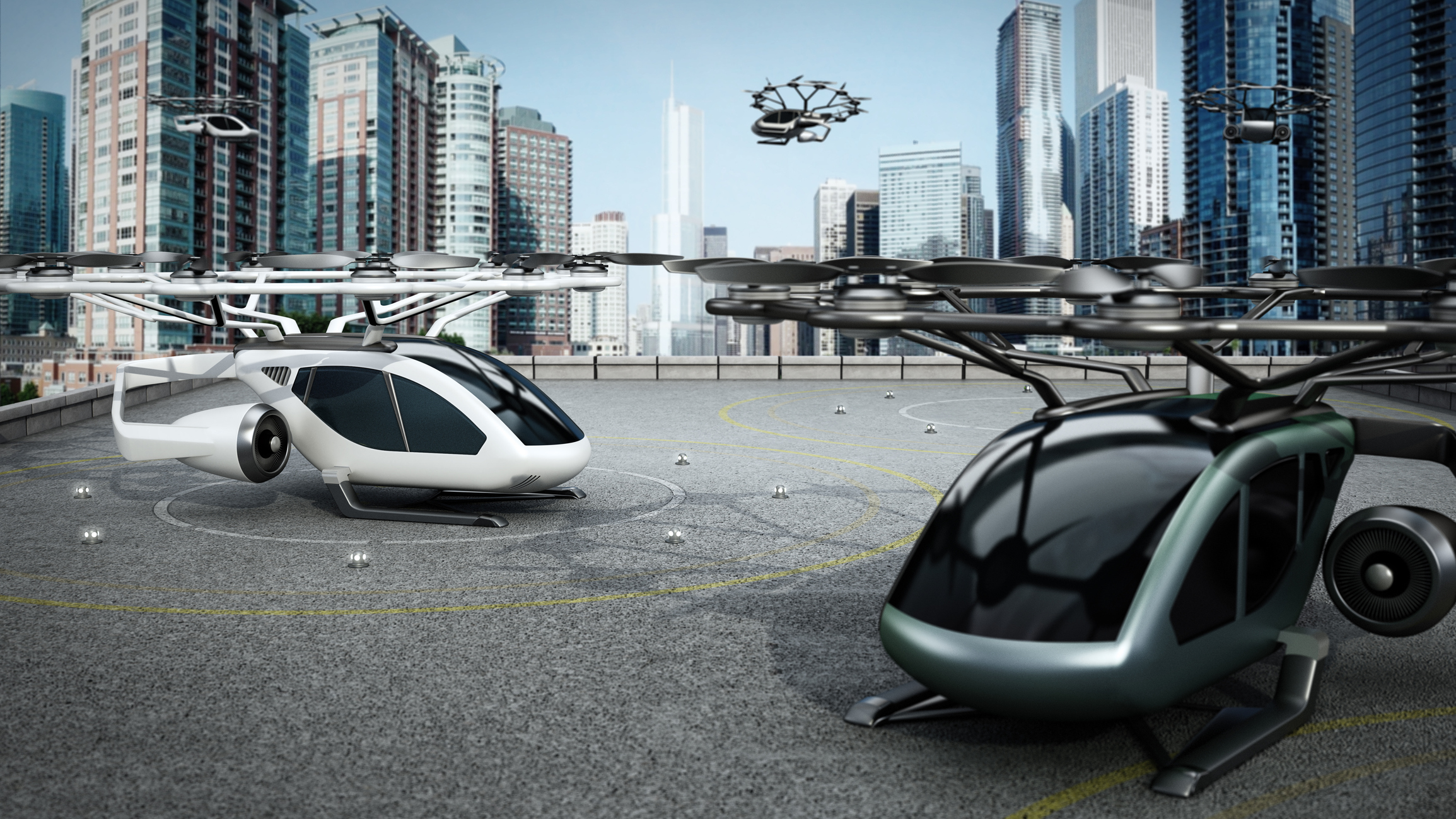
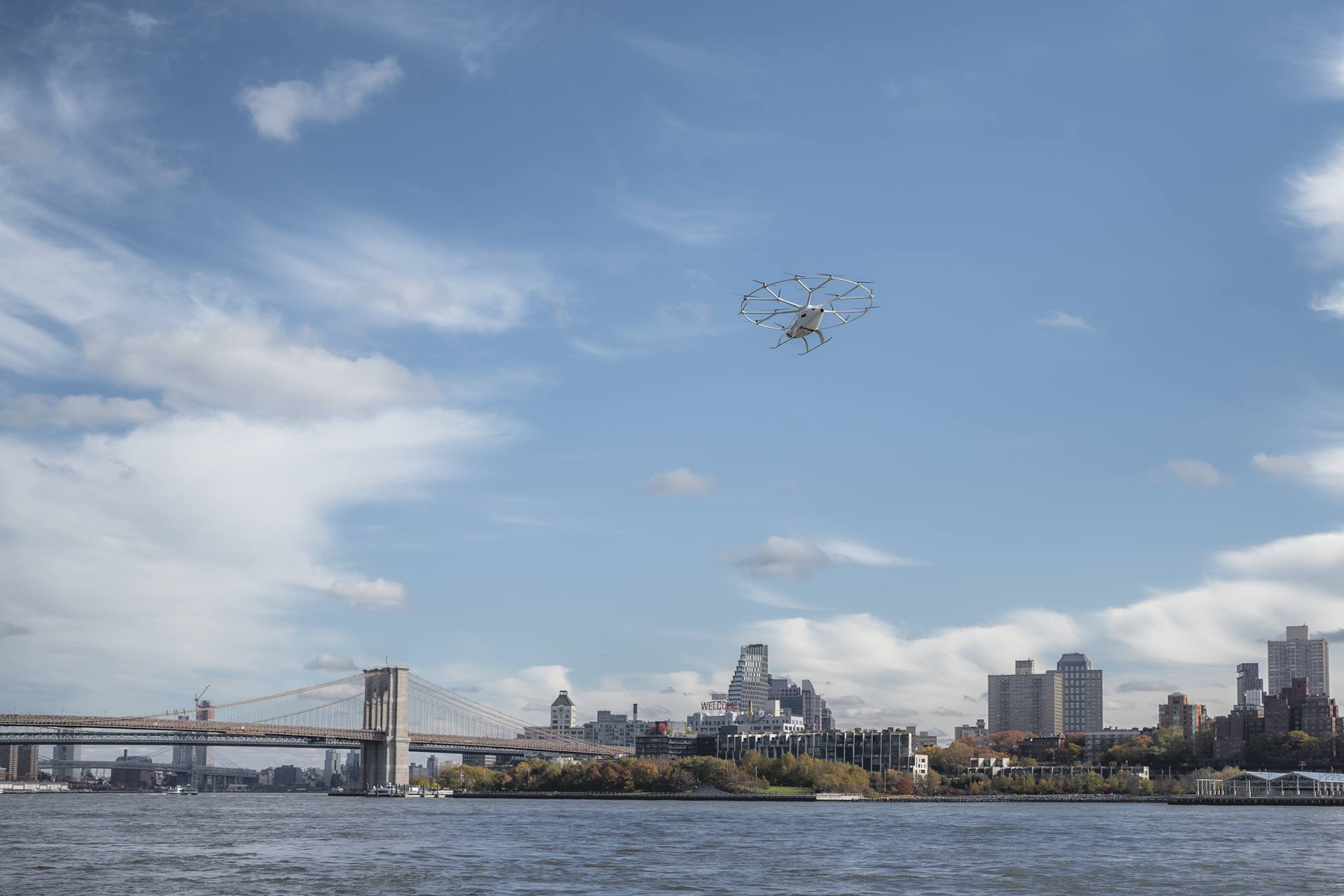
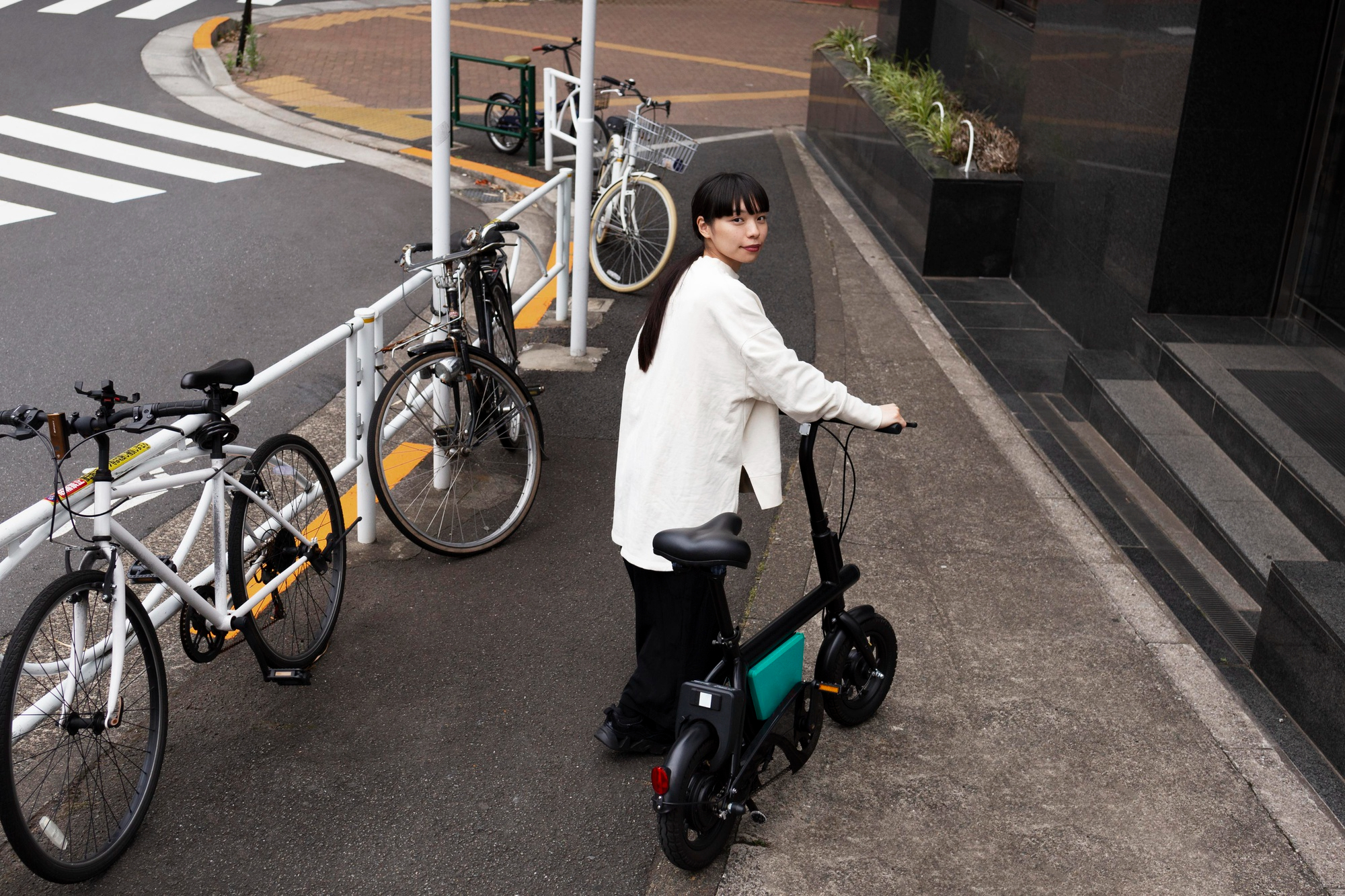
- Creation and exploitation of new mobility concepts, from mini-mobility to air mobility.
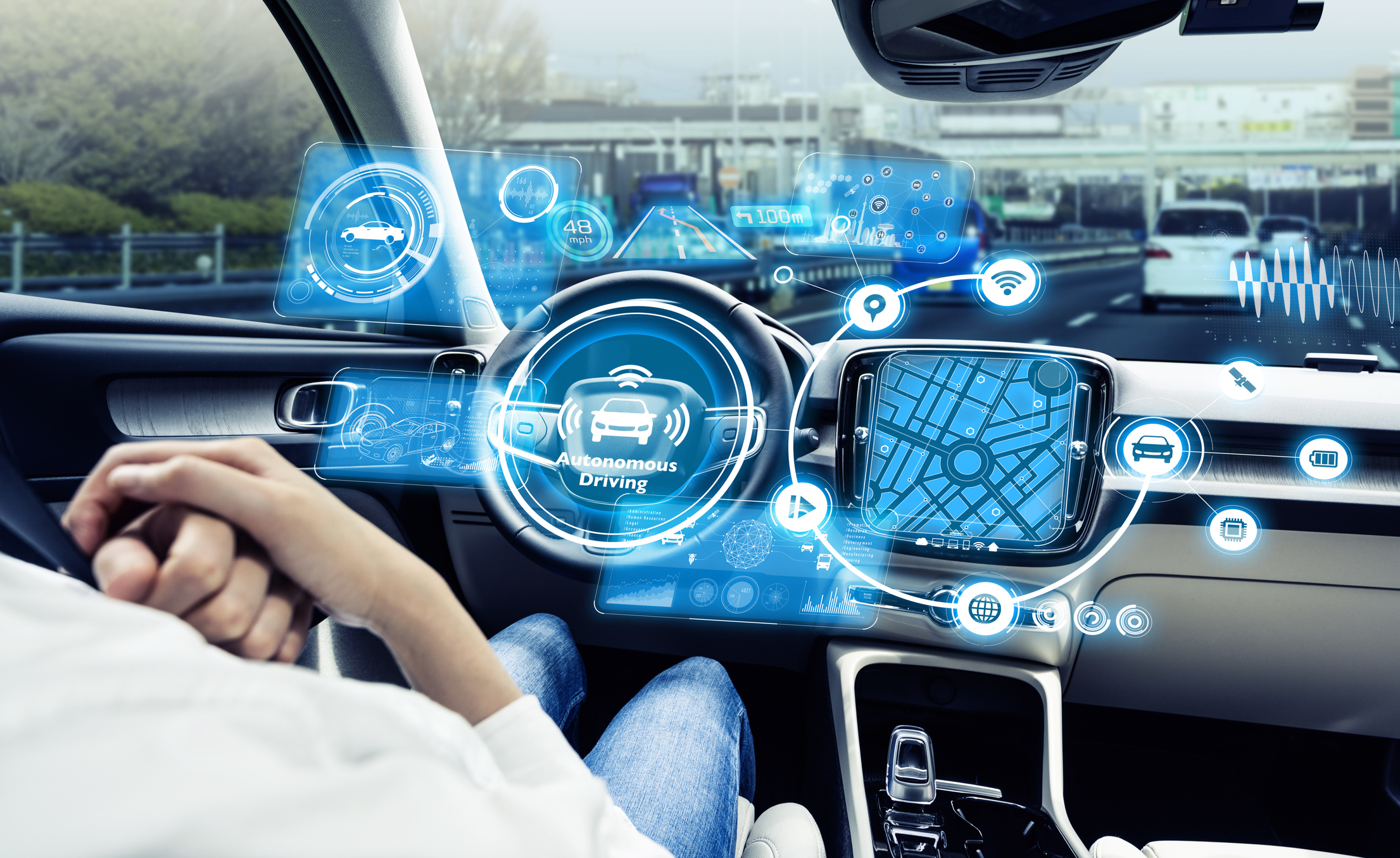
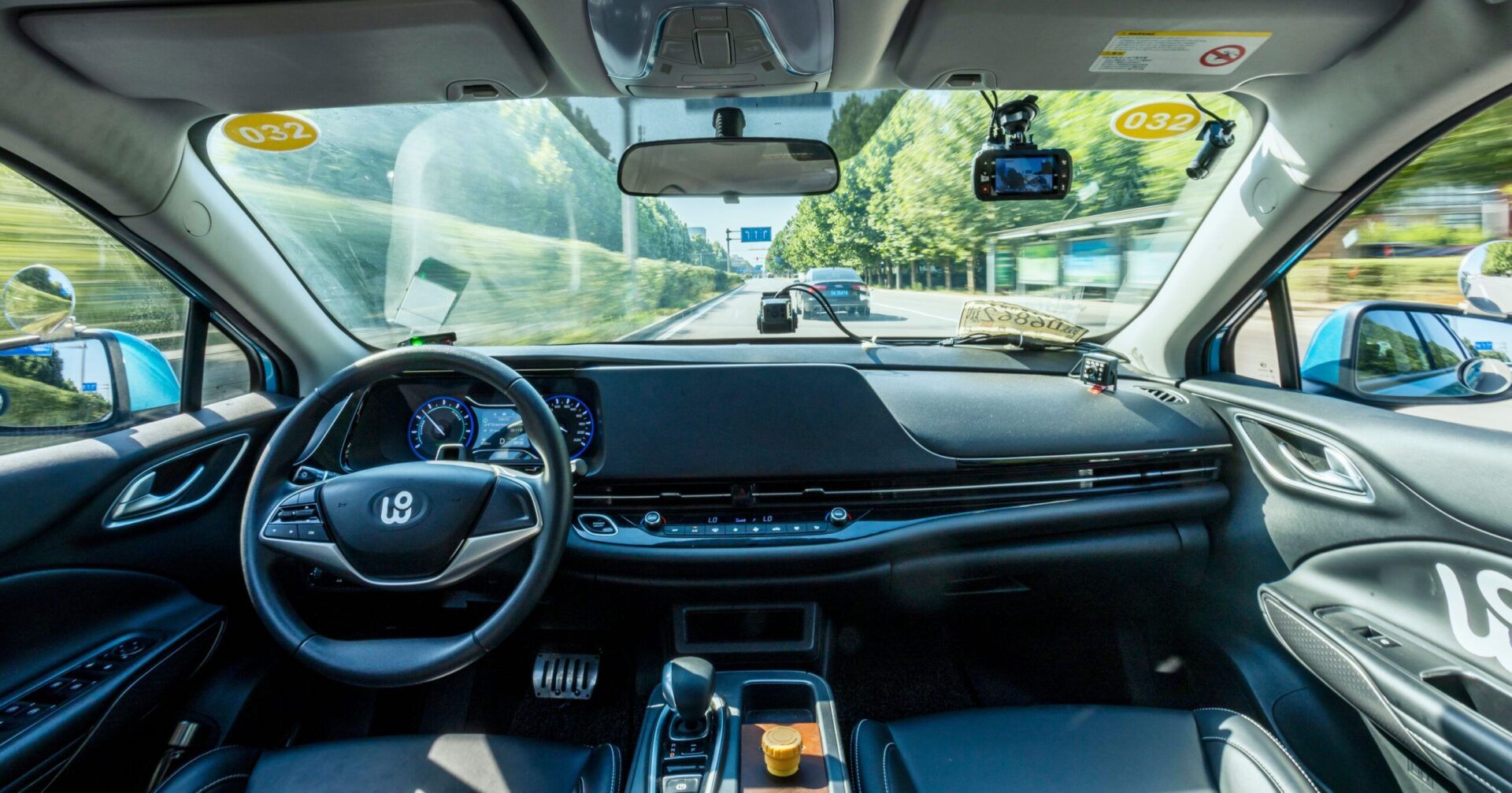
- Connected urban mobility. This area includes countless Artificial Intelligence applications and Big Data management, such as self-driving or predictive traffic management.
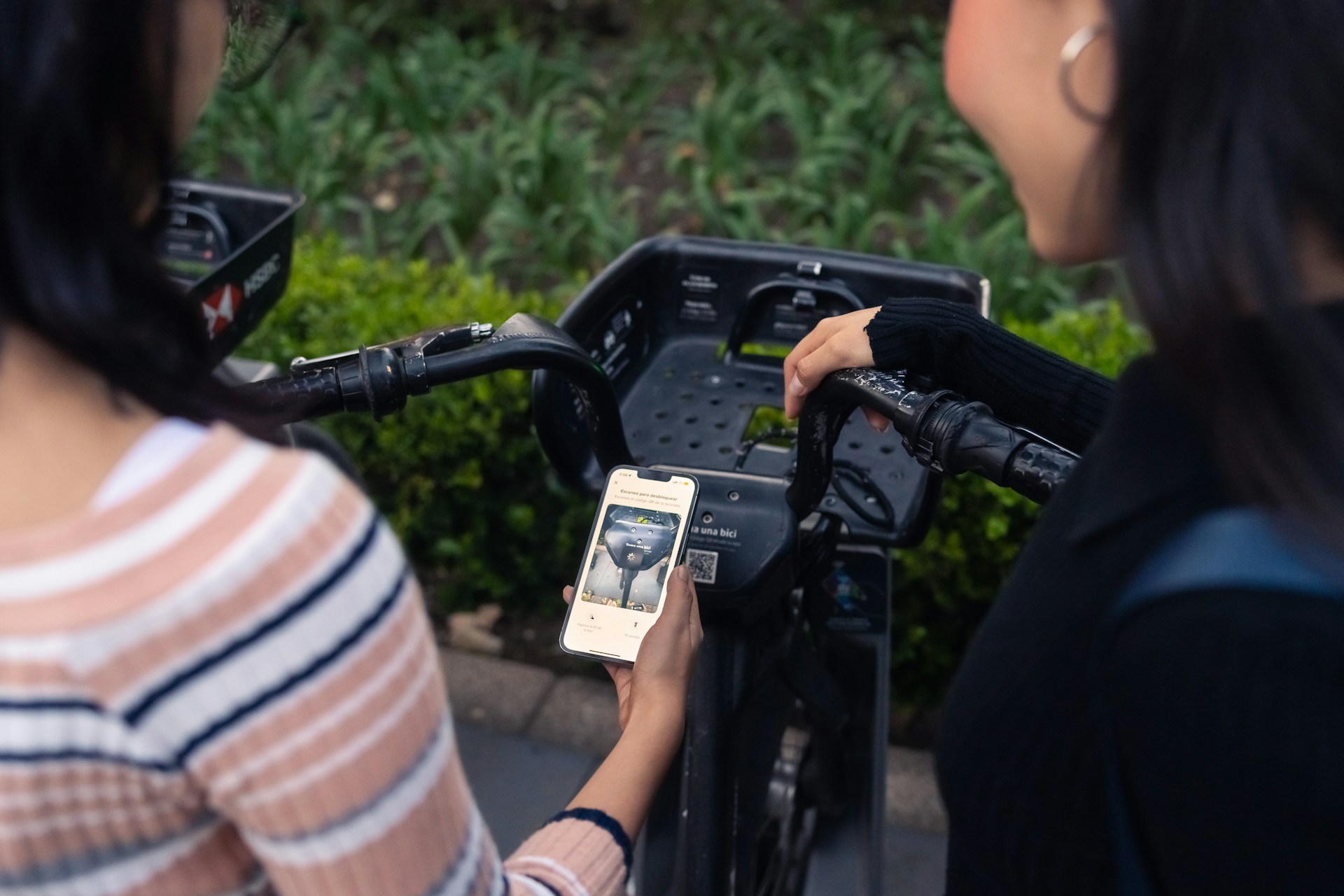
- Mobility as a service. Models based on MaaS represent a change from the traditional concept of transport. It consists of a form of urban mobility aimed at getting the most out of the available resources and which could provide a new dimension for public transport.
Images | Freepik/freepik, Freepik/wirestock, Eurostat