



Authors | M. Martínez Euklidiadas, Raquel C. Pico
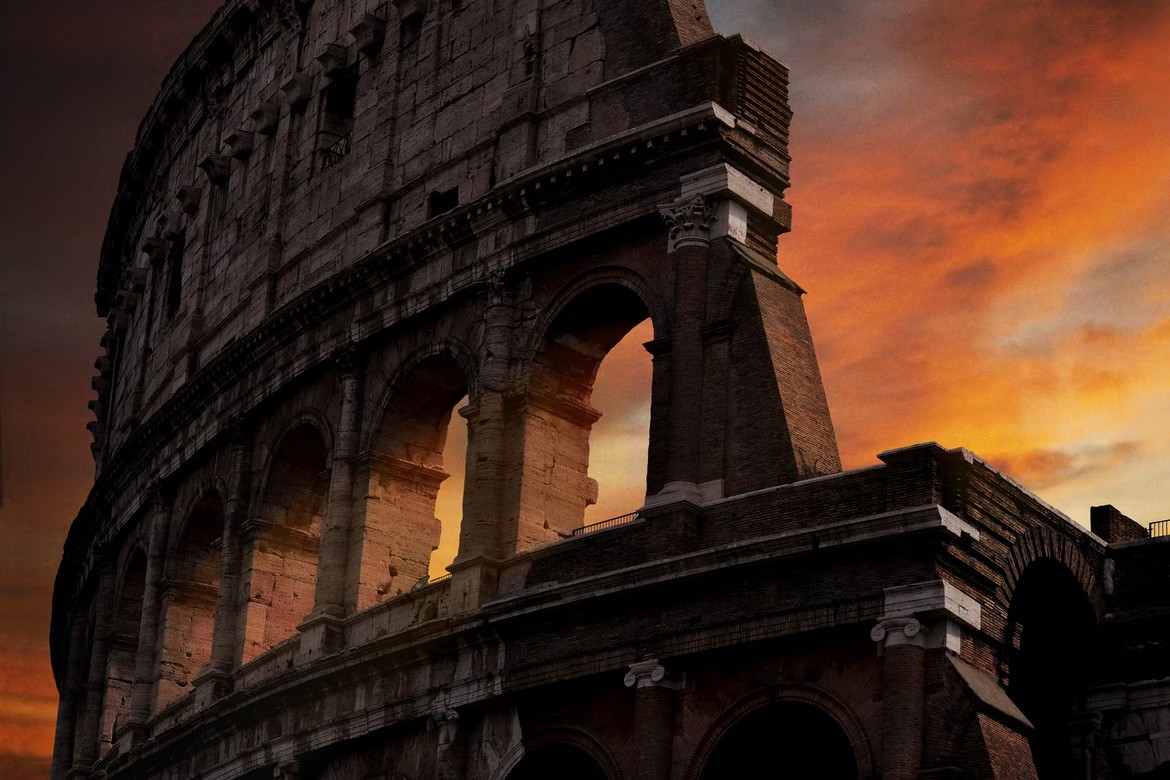
The Colosseum is an iconic site of Imperial Rome given its status as one of the best preserved buildings of its era. Without being the largest or the most significant in the Empire, the Flavian Amphitheater, the original name of what we now know as the Roman Colosseum, is the building everyone remembers after visiting Rome and the one that comes to mind when we think of the Italian capital, even if we have never set foot there.
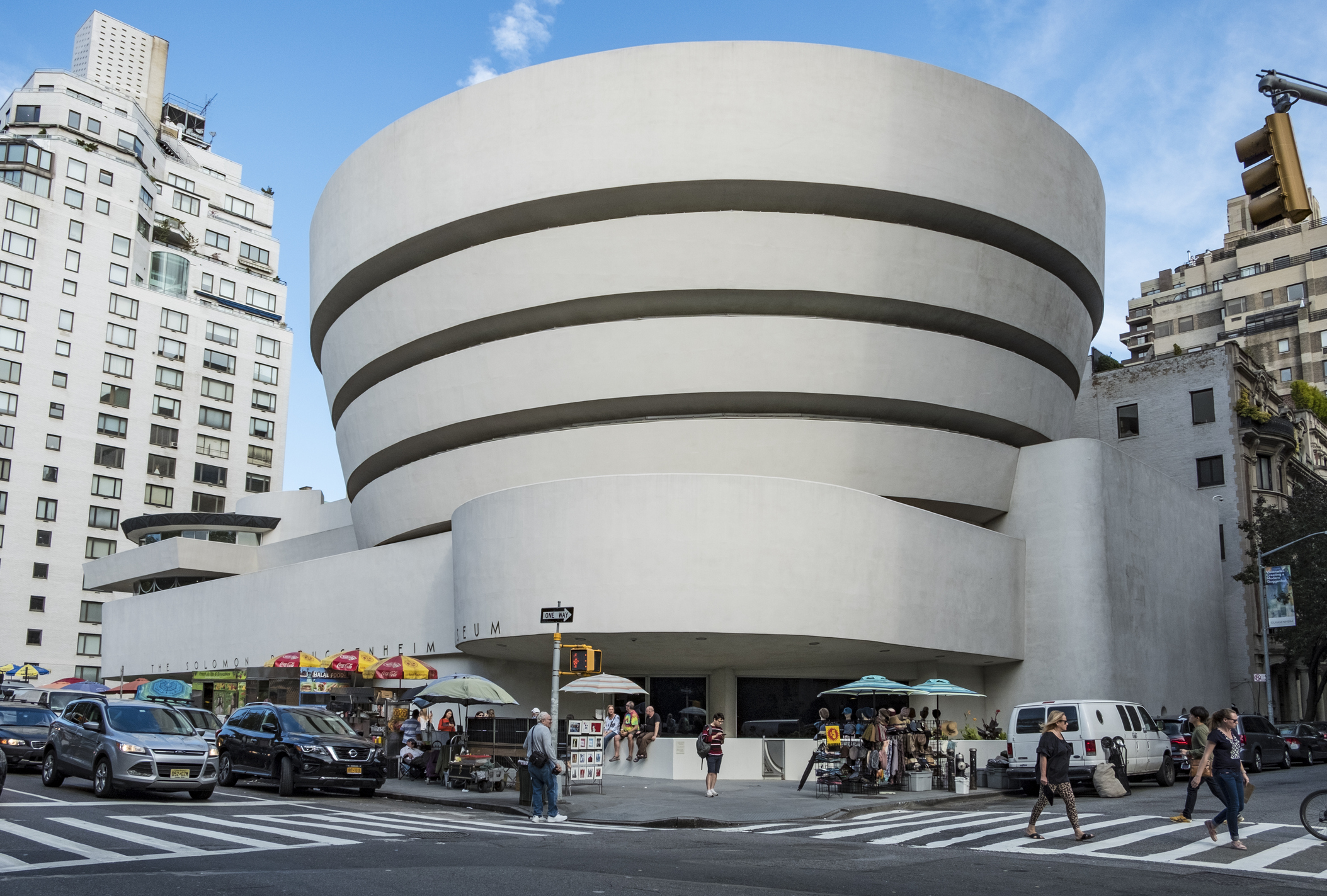
The building’s current relevance is unquestionable. It has become one of those urban icons, a piece of architecture turned into myth, to which thousands of people make a pilgrimage every year, a museum like space that few other places in the world have achieved. Some more recent ones, such as the Guggenheim in New York, aspire to this status. The key question is what it meant for urban planning during the years of the Roman Empire and whether it was already just as important in its own time.
There is no doubt that its extraordinary construction made it the epitome of classical Roman architecture and of the foundation of the city as the central part of the Empire. What is now an emblematic and historic building, was in its day full of life, sweat and blood, fluids that defined entertainment during its era. That was what the Colosseum was like, a building that keeps putting on a show thousands of years later.
Entertaining the city with a million residents
During the first century, Rome was a city with more than one million residents on a planet with just over 200 million people. No other city in the world had concentrated such a vast percentage of the human population.
In the past, as in the present, urban centers needed public infrastructure. In addition to what was essential for daily life, collective spaces for leisure and culture were also part of the list. These spaces likewise became political assets and signs that marked the path the city wanted to follow. The Colosseum, preceded by the Amphitheatre of Statilius Taurus, which was destroyed by a fire, was proof that the city had entered a new phase.
As is the case today, often public works in Rome were conducted for self-promotion and propaganda purposes. The Colosseum is a typical example of this. Its central privileged position in the heart of the city, instead of on the outskirts, which would have been more common, is proof of this.
With a capacity of 65,000 people, thanks to its eight rows of seats in the form of stands, for centuries under the shade of awnings, the Flavian Amphitheatre was built to put on public shows for as many people as possible. It was, literally, Vespasian’s gift to the people. A form of bribery given the excesses of the political leaders.
Its inauguration lasted 100 days and 9,000 ‘beasts’ were killed (animal cruelty was a valid spectacle at the time), and bread and circuses (panem et circenses) were guaranteed for various centuries. It was not cheap to entertain the city of one million residents, but the building managed this and more. But it also managed to attract workers, talent and capital.
It is difficult to calculate the human cost of the construction of the Roman Colosseum and its daily activity. Some estimates suggest that over its three centuries of use, around 400,000 people may have died in the building, including slaves, prisoners, and gladiators.
The Colosseum, the building that became the driving force of the entertainment industry
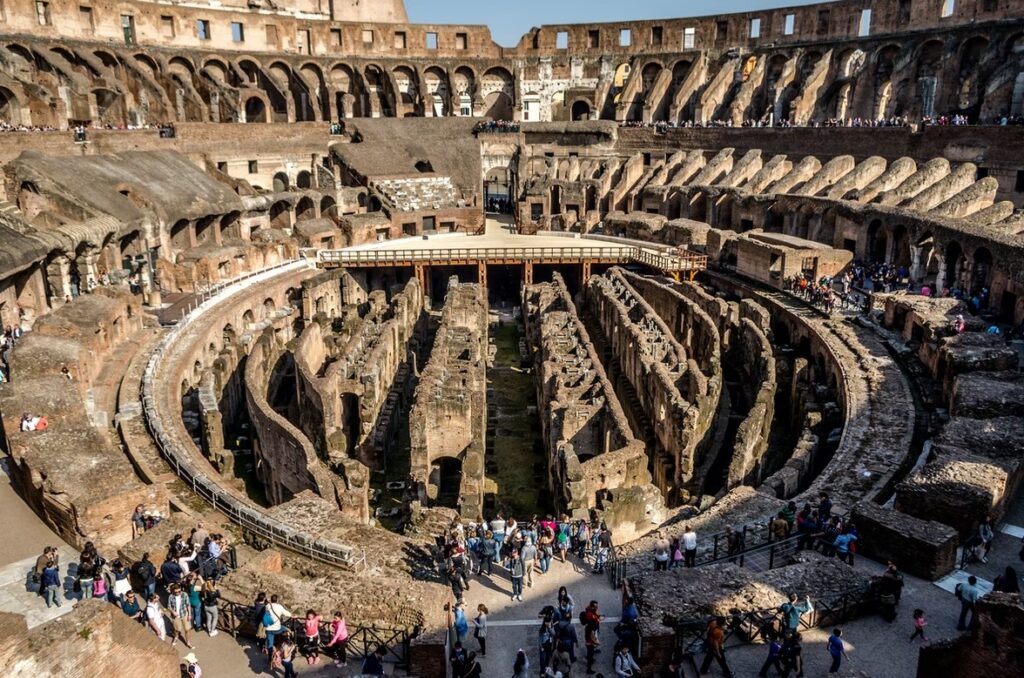
One of the most forgotten aspects of the Colosseum is its capacity to retain professions and promote new disciplines in a way that is not too different to the way in which today industrial infrastructures are built in a specific place and this begins to attract talent. The Colosseum became a mandatory pilgrimage point for all types of professions.
The first major industry to bloom around the building was that of the gladiators, who were not always slaves and did not always fight to the death (sometimes it was pure theatre), who literally surrounded the building with their own constructions. Gladiator schools soon covered part of that area of the city and with them numerous foundries, textile industries and carpenter’s workshops.
The Colosseum mobilized many different industries including nautical industries or tamers.
During the first decades, before the basements were built, the Flavian Amphitheatre hosted one of its greatest shows: naumachia. The Colosseum was flooded with water and a number of vessels simulated or fought naval battles inside the grounds. Right in the center of the city ships were built and repaired to enter battle or nautical fighters trained.
Another great pillar of the Colosseum were the beasts. It attracted all types of businesses to the area, from hunters to tamers, including slaves and gladiators, whose only task was to fight (venators) —or pretend to fight (actors)— against elephants, bulls, rhinos, bears, tigers or lions. At one particular time, the arena held one hundred lions, one hundred African leopards, one hundred Syrian leopards and three hundred bears. It is a difficult achievement, even today.
The Roman Colosseum after the Roman Empire
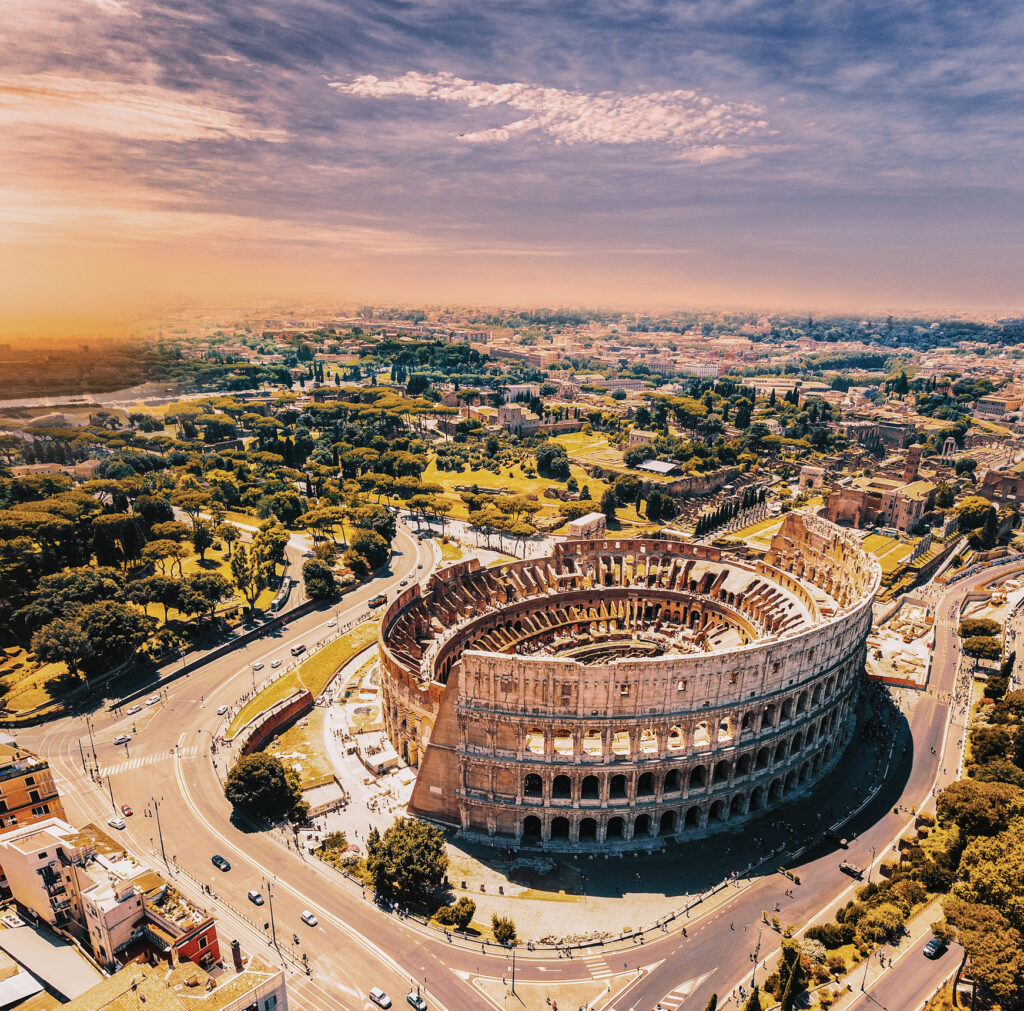
The end of the Roman Empire marked a turning point for the Colosseum, although in truth its decline had begun somewhat earlier. It is difficult to date when the last Roman spectacle was held in the Colosseum, although it is known that the last recorded gladiatorial battle took place in the year 435. In 438, Emperor Valentinian III banned them completely throughout the Empire. Rome’s most representative amphitheater had simply anticipated the general trend by a few years.
The Colosseum as a quarry for other buildings
Building the Colosseum required eight years of arduous work, between 70 AD and 80 AD. And luckily its construction was modular, which made it slightly easier. With floors supported by semi-circular arches, this amphitheater did not use any slopes for its stands, as was common. Instead, columns and pillars supported the weight allowing ample space below the stands.
This space was not just used to move thousands of people —beneath the Colosseum there are kilometers of corridors— but also to deploy the day-to-day management of the shows. Fighters, gladiators, trapeze artists, beasts or large loads for the shows were transported through its galleries. Until it all stopped. After five centuries, the Roman Empire fell, and the Byzantine Empire used the building during the sixth century and soon it was used as a quarry.
The cannibalization of Roman infrastructure was quite common in later periods. In fact, this has been a pattern repeated century after century and with urban infrastructure from many different eras, as buildings have been adapted to changing fashions, tastes, and needs. The city of Rome is, in fact, built on layers that conceal the remains of its earlier periods, as the recent expansion of the city’s metro system has demonstrated
Roman roads were pulled up to be replaced by enclosures, the stone from temples formed churches and the Colosseum began to collapse as construction elements were needed for other buildings. And sometimes to obtain other materials. In fact, one of the reasons that explains the building’s current condition was the production of quicklime. It was easier to destroy the marble facade, crush its plates and burn them to make quicklime than travelling dozens of kilometers from it. Bronze was another material that was recovered for new uses, stripped from the masonry.
The earthquakes of 801 and 847 CE, together with the many wars endured by the city of Rome, did little to preserve the Colosseum. Nor did the many functions imposed upon it over the centuries. The arena was converted into a Catholic cemetery at the end of the first millennium, and 500 years later the travertine that covered the amphitheater was ripped off. It was not until 1749 when Benedict XIV consecrated the building, saving what was left from the pillaging.
The shift that took place at the end of the eighteenth century, when the discovery of the ruins of Pompeii also made everything Roman fashionable, likewise led to a movement to preserve this type of building. People began to appreciate the historical value of the Colosseum and the first supporting elements and buttresses were built. After centuries of renovation work, in 1980 the UNESCO declared the Colosseum a World Heritage Site, after suffering the calamities of various wars.
Today the Colosseum is one of the most visited architectural landmarks in the world. Nearly two thousand years since it was built, it continues to attract people, interestingly, for reasons that are not too different to those that led to its original construction. People seek entertainment and new experiences and the Flavian Amphitheatre continues to provide this.
The Roman Colosseum today
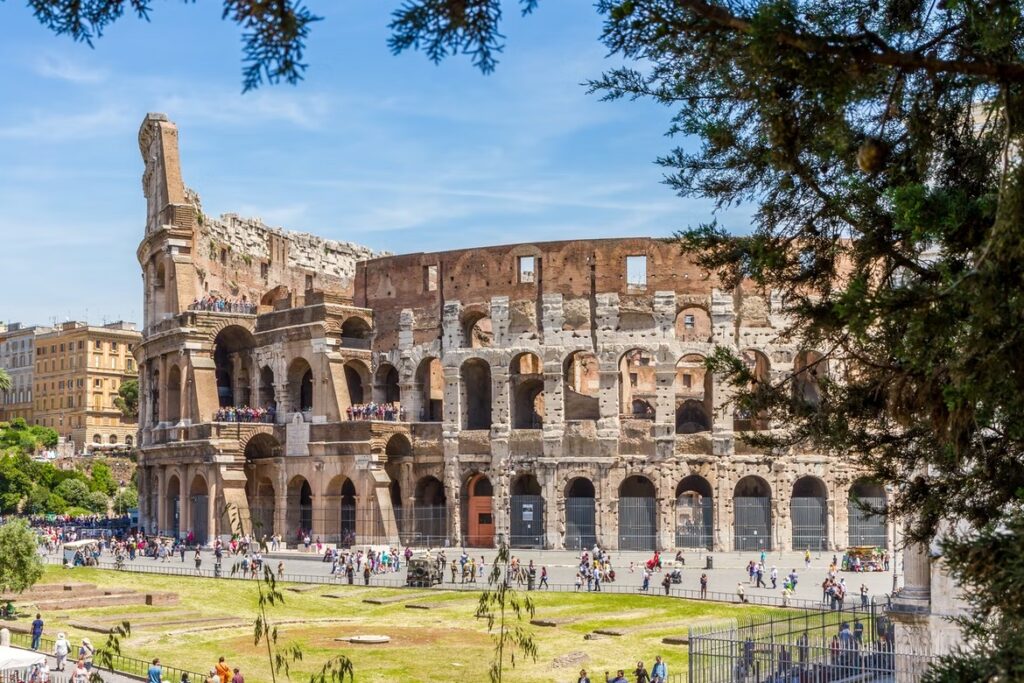
Around 7 million people visit the Roman Colosseum each year, with peaks in some years that far exceed that number. The amphitheater has timed capacity controls to reduce the impact tourism has on the building and to ensure its preservation for the future.
The Colosseum opens every day at 8:30 a.m., half an hour earlier than the Roman Forum Palatine, another of the major tourist and historic attractions in the area where it is located. It closes around 4:30 p.m. It is open to visitors every day of the year, except on Christmas Day, December 25, although access to the site requires a fee. A standard ticket costs 18 euros, although there are several other types of tickets that take different factors into account to adjust prices. In addition, admission is free on the first Sunday of every month, on April 25, June 2, and November 4.
Music and performances at the Roman Colosseum
In 2016, the then Italian Minister of Culture, Dario Franceschini, announced that they were considering the possibility of once again holding top level cultural events inside the Roman Colosseum “Of course, we will not hold soccer matches,” he told the media. At the time, the amphitheater was in the midst of a restoration and recovery process. A decade later, the possibility is still on the table, but with limitations.
Last fall, statements published in the Italian press by Simone Quilici, who had just become director of the Colosseum Archaeological Park, went viral. The public interpretation of his proposal was that the Roman Colosseum would host raves and concerts in the near future. Social media and striking images created with artificial intelligence helped the story spread, although Quilici later maintained that his words had been misunderstood.
Amid the uproar, Quilici met with the press again and clarified what he meant when he spoke about bringing concerts and performances back to the Roman Colosseum. “The music will have to be carefully controlled,” he told AP, noting that the artists he had cited as examples in the interview were key to understanding what they were aiming for, namely calm music and a quiet audience. For example, it could be an acoustic music concert or a performance by the singer Sting.
The idea is novel, because until now musical events have only been allowed in a very exceptional way and with limited capacity, such as a Ray Charles concert in 2002 or one by Andrea Bocelli in 2009. Other historic buildings, such as Les Espaces D’Abraxas, still maintain their original activity and uses, although they are not as old or as popular with the public as the Roman Colosseum. Other Roman cities, such as Mérida in Spain, do continue to use their Roman leisure spaces for activities like theater festivals.
The Roman Colosseum project is to open to concerts within two years.
Images | Dario Veronesi, Ahmed Almakhzanji, Kuhn, Den Harrson, venuestock/iStock