



Author | Arantxa HerranzAs life expectancy increases and fertility declines, the population pyramid is being inverted in some countries, particularly in cities. That is, the age of the population is increasing dramatically. In the European Union, for example, the number of elderly people with respect to the total population is expected to increase significantly in the coming decades. At a global level, for example, we have gone from just 4.97% of the population being over the age of 65 in 1960, to the figure standing at 8.87% last year. Almost double.This population ageing and the corresponding specific needs must be taken into account by cities when developing their services. For example, how should cities tackle the needs of elderly people living alone in their own homes? Or, of those whose physical or mental condition has deteriorated meaning they need to be hospitalised?
Age-friendly cities
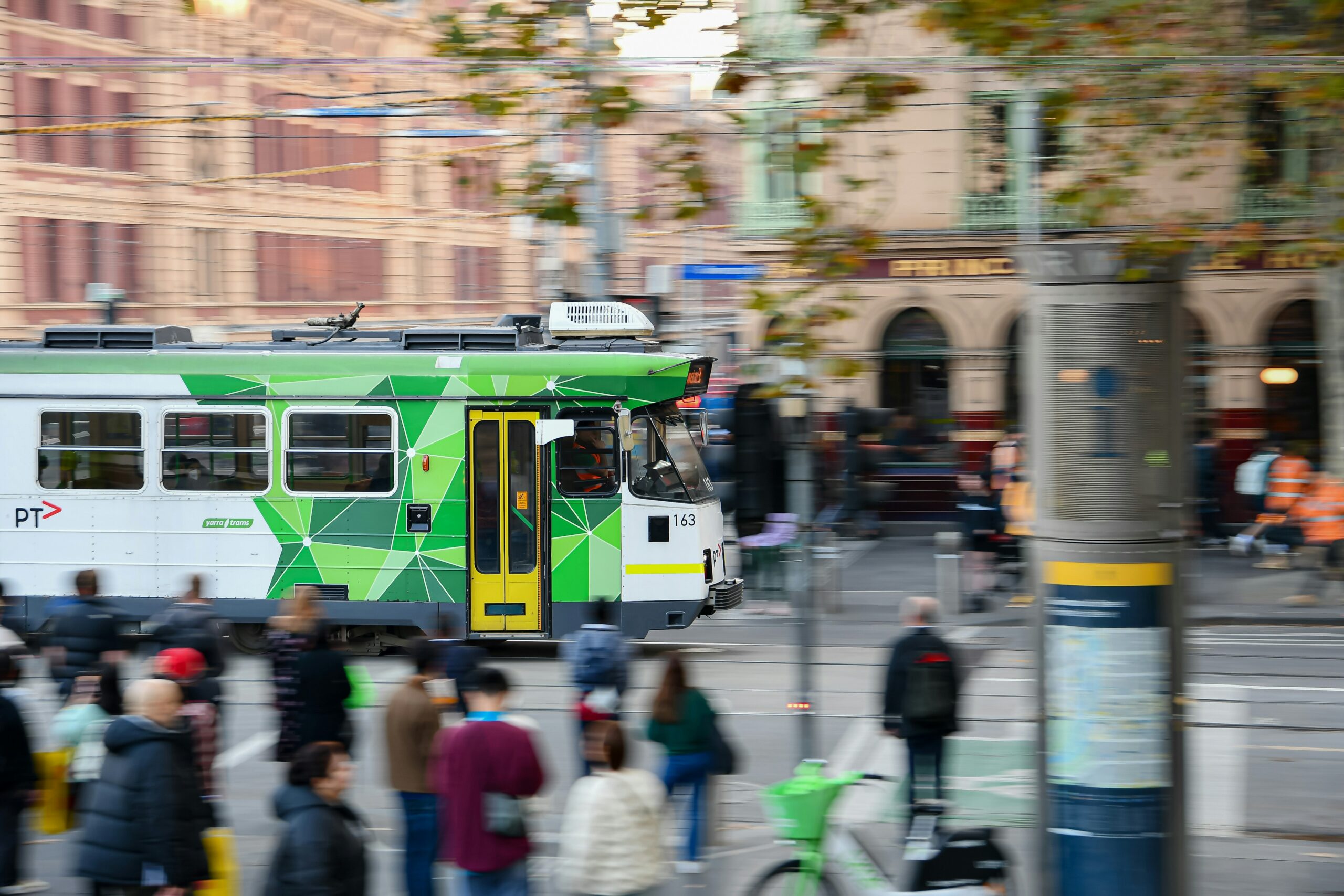
Age-friendly cities are those that design and adapt their communities so they are suitable for everyone, regardless of age or abilities. That is, barrier-free, inclusive and cohesive cities, designed for diversity.This needs to be applied to diverse areas such as road and transport infrastructures, which must be accessible and safe, as well as access to all buildings (including houses). For example, with the emergence of new transport systems (such as bicycles or scooters), cities need to bear in mind that public spaces are also used by elderly citizens, who are not as physically agile as youngsters, who tend to use these new transport systems. Or perhaps they do not feel as comfortable using shared means of transport, which require the use of an app.These age-friendly cities also need to have benches on their streets or facilities that enable elderly people to stay active, connected and able to contribute to the economic, social and cultural aspects of life, according to the World Health Organisation. This agency also indicates that these measures not only benefit this population group, but also foster solidarity between generations within communities, facilitating social relationships and bonds between residents of all ages.
How to accommodate everyone
How can cities respond to this progressive population ageing? In general terms, we could say that efforts must focus on various areas: outdoor spaces and buildings, transportation, housing, guaranteeing participation in cities, respect for the elderly and social inclusion, health and communication are the main ones.The focus on some of these aspects seems quite clear. For example, the fact that streets and public buildings have a significant impact on the mobility, independence and the quality of life of people. For the elderly, accessibility and safety in these contexts, having green spaces, walkable streets, outdoor seats and accessible buildings (with lifts or stairs with railings), are aspects that make their life easier in cities. Likewise, having transport systems that enable them to get about in their neighbourhoods or cities, not only improves their quality of life, but also ensures greater participation in society. And being able to actively take part in their community (for example, through volunteer work) is closely related to good health and wellbeing throughout life.If the place of residence is important to all citizens, allowing people to grow old in the place of their choice, will make us all more inclusive and strengthen our respect toward older people. Some cities have designed neighbourhoods specifically for the elderly, but, most people want to be able to grow old in the place of their choice and not be “displaced”.This displacement is not necessarily physical. Sometimes, older people feel that there are negative behaviours and attitudes towards them. Although many feel they are respected, recognised and included, sometimes they experience a certain lack of consideration in society. Therefore, cities can promote intergenerational activities that enable younger and older generations to learn from one another.Furthermore, despite the rise of information and communication technologies, cities must not forget that older people can feel lost with these tools, which can even become instruments of social exclusion. Therefore, they should make sure that relevant information is accessible for older people with different capacities and resources.Images | Immortal Shots, Oleg Magni, Matthias Zomer