



Author | Tania AlonsoThe way technology affects children’s way of thinking and even their cognitive development, has recently led to an educational, and even a parental debate. Arguments in favor and against the use of devices in schools have been expressed and there have been countless theories regarding their influence on the development of children’s young minds. What do we know for certain in this regard?
How technology affects children
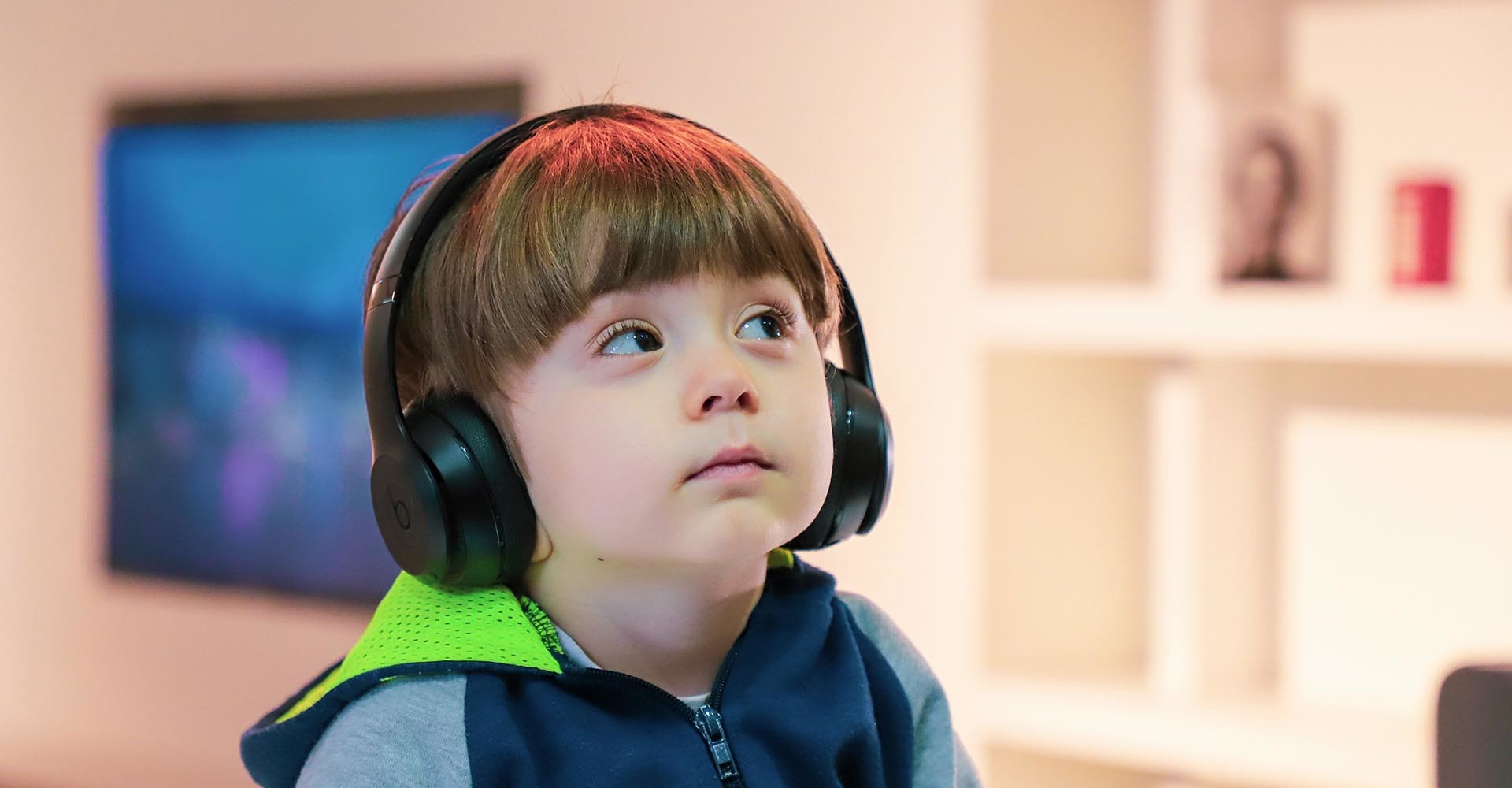
One only has to watch a child using a couple of technological devices to reach various conclusions. The first, that children adapt very easily to multi-tasking. The second, that they are not afraid to try: they learn by imitating what they see their parents or other children do and they don’t think twice about using technology with autonomy, even if they make mistakes.This was confirmed by the study ‘Young Children (0-8) and Digital Technology – A qualitative study across Europe’ developed by the European Commission. According to the study, “Children have their first contact with digital technologies and screens at a very early age (below 2), usually through their parents’ devices, which are not tailored for them in the first place”. “Even if they have not yet mastered reading and writing, they develop their own strategies: auto?completion, vocal recognition, image recognition”.By doing so, they point out, they follow a path of trial and error and they develop numerous skills. They use technology, firstly, as a tool to obtain information and acquire knowledge. It also enables them to go beyond the objectives and subjects established by school. It also serves to feed their interests, their imagination and creativity.Technology is changing the way children think, to the point that it actually determines how they imagine their own future. A survey developed by the company LEGO in the United Kingdom, the United States and China, indicates that children are more likely to aspire to be YouTubers than astronauts.
Why children should be exposed to technology
The European Community study indicates that technology is useful for children in the fields of education, communication, creation and leisure. The current crisis, as a result of the COVID-19 pandemic, has confirmed all four. Technology is enabling children to study, communicate with their teachers and friends, unleash their creativity and still have fun, all without leaving their homes.Technology, therefore, opens doors to new opportunities. The UNICEF study Children in a digital world, highlights “how connectivity can be a gamechanger for some of the world’s most marginalized children, helping them fulfil their potential and break intergenerational cycles of poverty”. It is extremely important for children living in remote or marginalized regions and during community crises.However, a great deal of work still needs to be done for technology to be able to guarantee equal opportunities. According to UNICEF, 29% of young people across the world do not have internet access.Technology can also help reduce gender differences. According to a UNESCO report, only 35% of STEM (science, technology, engineering and mathematics) students in higher education globally are women. This generates great inequality in the technology field, which a vast number of jobs of the future will depend on. Therefore, there are an increasing number of global initiatives aimed at encouraging female students to pursue careers in technology.
How can we promote the responsible use of technology?
It is important to limit the amount of time children spend in front of screens, depending on their age, and to establish parental control systems to block website content. But, above all, it is essential to guide children during their learning process.The European Commission report ‘Young Children (0-8) and Digital Technology – A qualitative study across Europe’ encourages parents to participate in their children’s activities, attend to their interests and their needs and discuss issues positively with them.“We invite parents to get used to talking with their children about their online life, as they would about their school life”, they explain. Therefore, it is essential to be proactive and stay up-to-date with digital technologies, at the same speed as children. A good goal to bear in mind during this lockdown. Images | Alireza Attari, stem.T4L, Alexander Dummer