



Author | M. Martínez Euklidiadas
Is the concrete used to build cities toxic? Every so often an article appears (with little evidence) warning us of the potential dangers of living with this material, claiming that its components or manufacturing phases can be harmful for humans and the environment. But, what is the impact of concrete?
Is concrete toxic for humans?
The WHO defines a toxic substance as one that has "adverse health effects caused by chemical, physical or biological agents on living organisms." Emissions from engines or alcohol are toxic, together with certain building materials including fiberglass, PVC, synthetic paints, etc. under some very specific conditions.
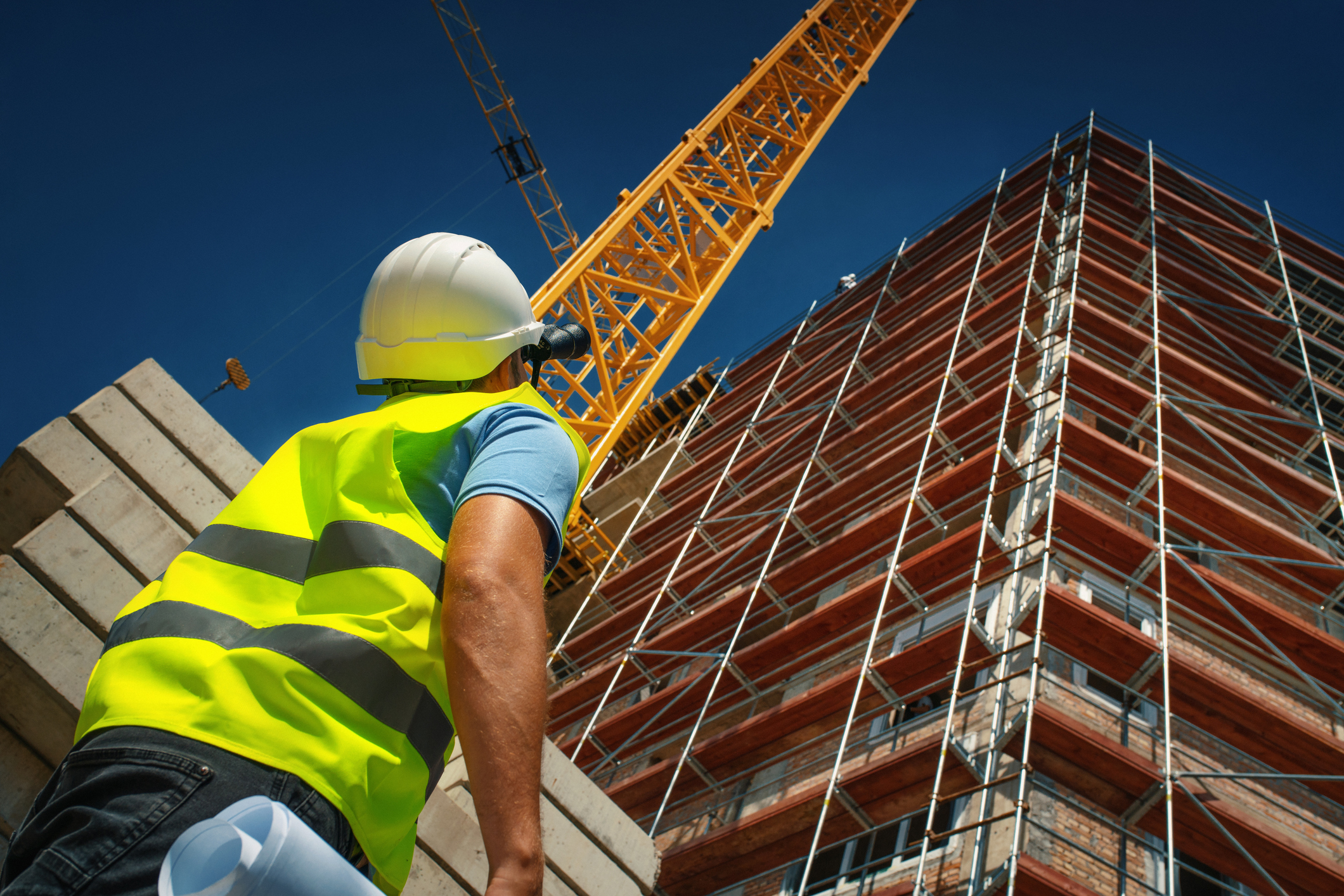
However, it is worth noting that these elements are only toxic in certain phases of construction, which is why builders must use masks during use and ventilation. The use of PPE is essential when working with concrete in any of its stages, such as the manufacturing or polishing phases. Toxicity has been demonstrated during these stages, even for towns located close to the production plants, which should be completely sealed.

During the construction of a vertical shaft for the Tideway project in London, the cement factory was completely covered to prevent noise and the emission of elements such as cement dust. | M. Martínez Euklidiadas
Wet concrete can cause burns and cement dust can irritate the skin or cause lung diseases such as silicosis. However, it is safe to use as a finished product. The information on the toxicological effects of concrete tend to indicate problems when ingested, inhaled or in the event of direct contact with the eyes, nose, mouth, sensitive areas, etc. However, there is no evidence of impacts such as carcinogenicity, mutagenicity or toxicity. It is safe.
In fact, concrete has been shown to be a safer material than many others, and polished concrete surfaces have replaced others made from materials that cause diseases such as hookworm. This type of flooring often goes by the (not very scientific) name of "hypoallergenic flooring."
Is cement bad for the environment?
There is no doubt that concrete is one of the materials that has the highest global impact, given its widespread use. For example, it is related to 8% of greenhouse gas emissions, although this figure could be cut by half if the carbonation throughout its life cycle is taken into account (this carbonation has been shown to act as a partial carbon sink).
Ca(OH)~2~ + CO~2~ → CaCO~3~ + H~2~O
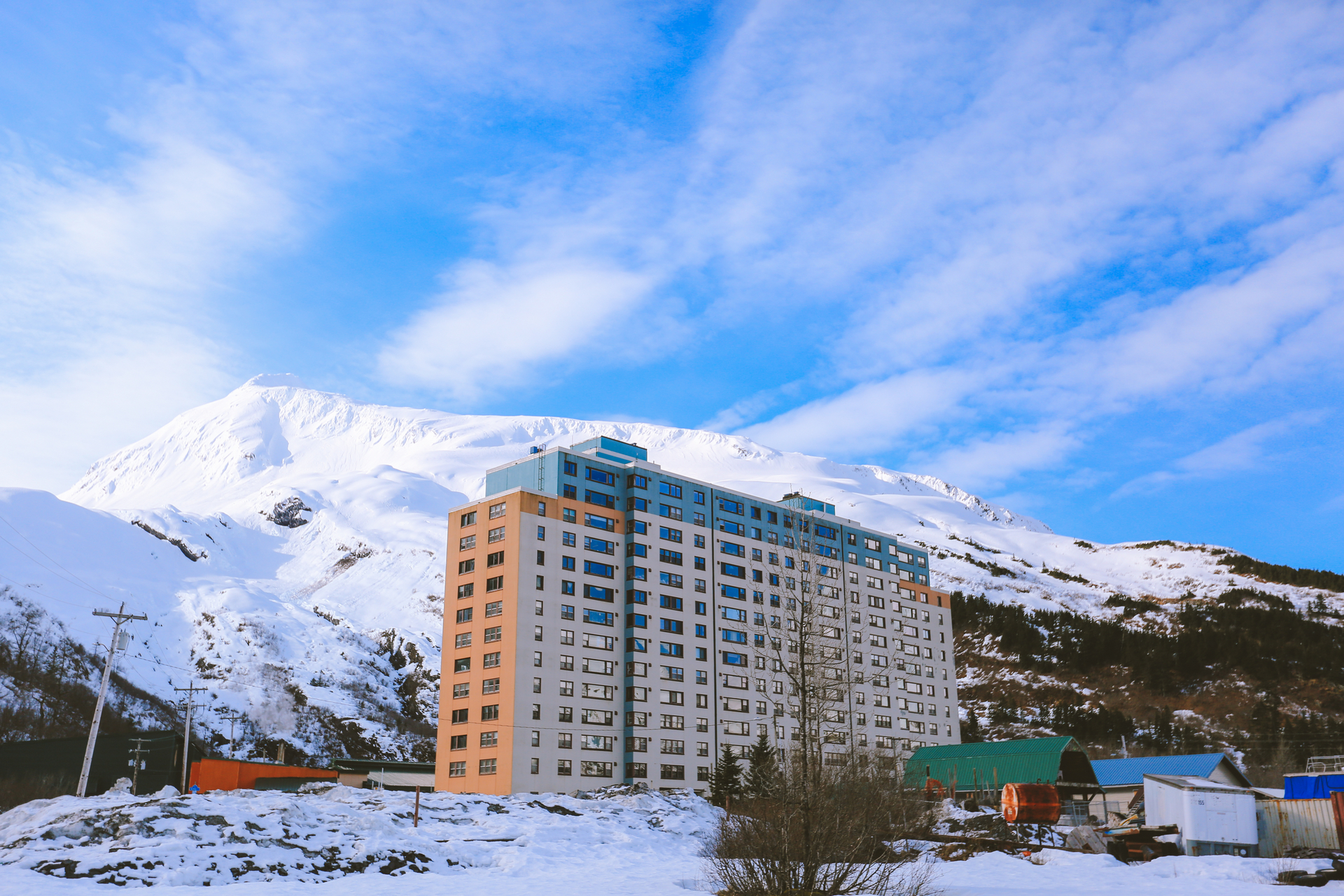
Concrete has a high impact because of its widespread use, however, paradoxically, the effects of not using it would be greater because the alternatives are even more damaging and cannot support high rise buildings. Concrete allows, for example, the creation of blocks of apartments that save huge quantities of indirect emissions in terms of mobility or impact on biodiversity.
Environmental impacts of concrete

The cement industry, which manufactures the material used to make concrete, has a considerable impact. The extraction of raw materials without circularity requires limestone, silica sand and clay quarries, among others, therefore, there is a significant effect on water or biodiversity from the outset. Recycling is essential as well as increasing its life cycle (which is already long).
To produce it, furnaces reach 1400ºC for some materials and they require energy usually obtained from fossil fuels and the same applies to the energy needed for transportation. This is why many concrete plants are located near to cities with a significant volume of infrastructures or ports enabling communications.
On the other hand, they also have some positive impacts by adding waste from other industries to their composition, including previously hazardous waste. These types of processes reduce part of the impact of concrete. They are a long way from covering it completely, but there are some very promising concrete formulas.
Images | mahdis mousavi, Pawel Czerwinski