



Author | Elvira Esparza
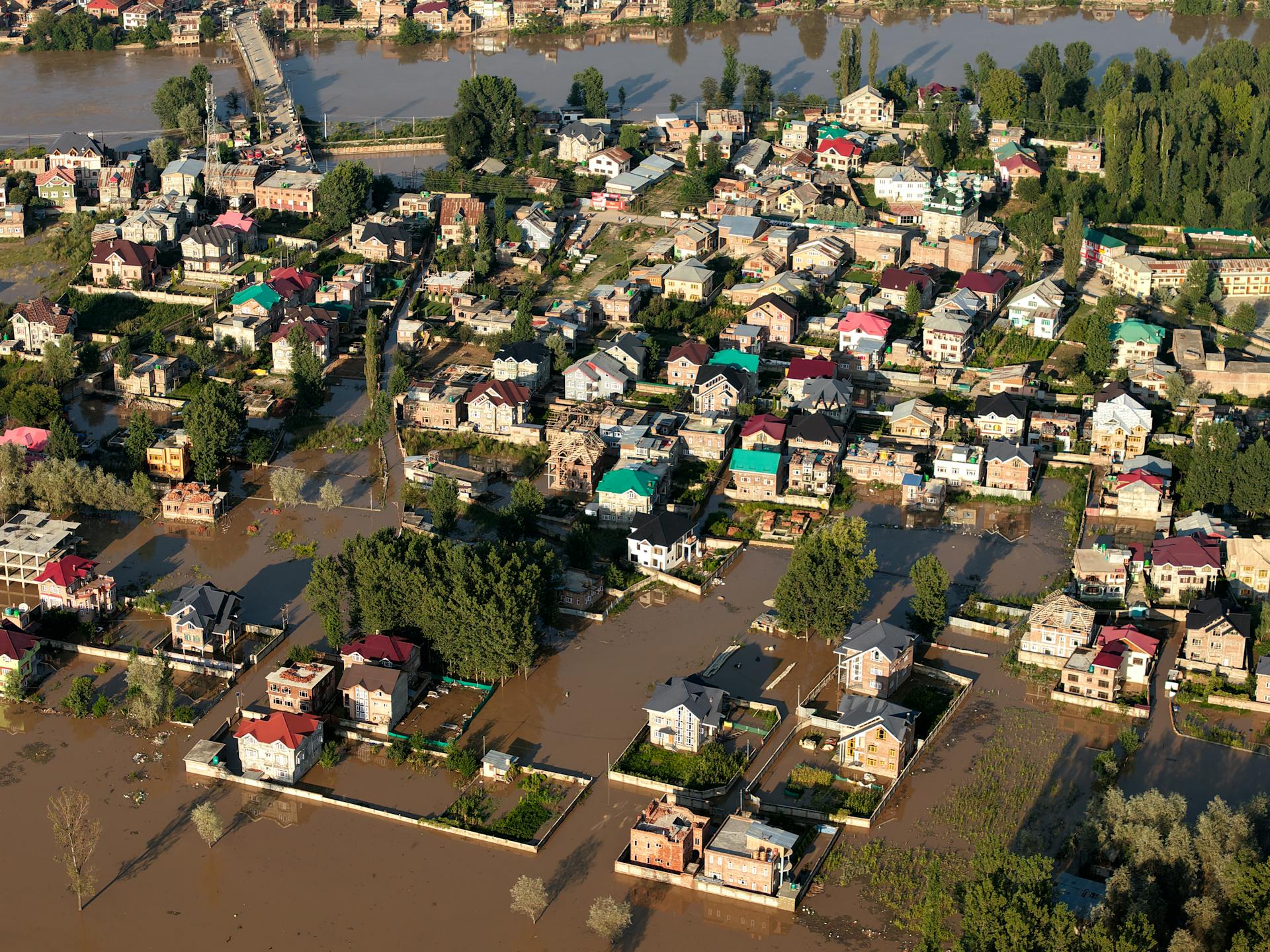
Natural disasters have caused annual losses of around 170 billion euros worldwide over the past 15 years, according to a Deloitte report. These losses will rise to 400 billion by 2050 because climate change is driving an increase in such disasters. Additionally, these catastrophes are expected to occur more frequently in the coming years.
However, with the use of AI tools, annual savings of 65 billion euros in direct costs from these disasters could be achieved by 2050. According to the AI for Infrastructure Resilience report, improvements in AI could push annual savings beyond 90 billion euros.
What risks affect infrastructure?
Natural disasters such as earthquakes, hurricanes, storms, and floods cause the most severe damage to infrastructure. It is estimated that only 25% of the losses from these disasters, exceeding 400 billion, are insured.
The rise in infrastructure losses from these events is largely due to the intensification of such phenomena in recent years. Climate-related disasters have increased by more than 80% over the past four decades, according to the World Meteorological Organization. Storms are particularly significant, accounting for most losses, along with extreme temperatures and wildfires.
How can AI help maintain infrastructure?
AI tools can enhance infrastructure resilience throughout its entire lifecycle, from planning and prevention to post-disaster recovery.
In the planning phase, AI-based predictive models help promote more appropriate land use by providing data on terrain elevation, soil saturation, and urban density. Digital twins also aid planning by enabling simulations of how natural disasters might affect infrastructure and helping prepare it to minimize negative impacts.
In the prevention phase, machine learning models are used because they process large volumes of data that help forecast disasters more accurately. They also enable early activation of alert systems to reduce the impact of disasters. One example of these models is a system developed by NASA using satellite data to predict wildfire ignition points, which helps firefighting teams take targeted measures to reduce fire risk.
In the recovery phase, AI tools speed up damage assessment and infrastructure repair by enabling predictive damage evaluations and more efficient resource allocation to minimize costs.
Challenges of using Artificial Intelligence
Despite the significant benefits of applying AI tools to infrastructure to mitigate the effects of natural disasters, there are challenges to their development. On one hand, there are financial limitations because implementation is costly, requiring large investments in hardware and software, as well as specialized personnel.
It also raises regulatory challenges regarding data privacy, as well as data quality, because if AI models are trained with inaccurate data, the results will be less effective.
The solution to improving infrastructure resilience and preventing losses from natural disasters lies in joint collaboration among financial institutions, insurers, engineering experts, legislators, and infrastructure operators. AI needs to be incorporated into infrastructure planning and design to enhance efficiency and strengthen resilience, secure funding through innovative financial instruments, and implement integrated solutions that combine AI with other complementary technologies.
Image | Imad Clicks