



Author | Lucía Burbano
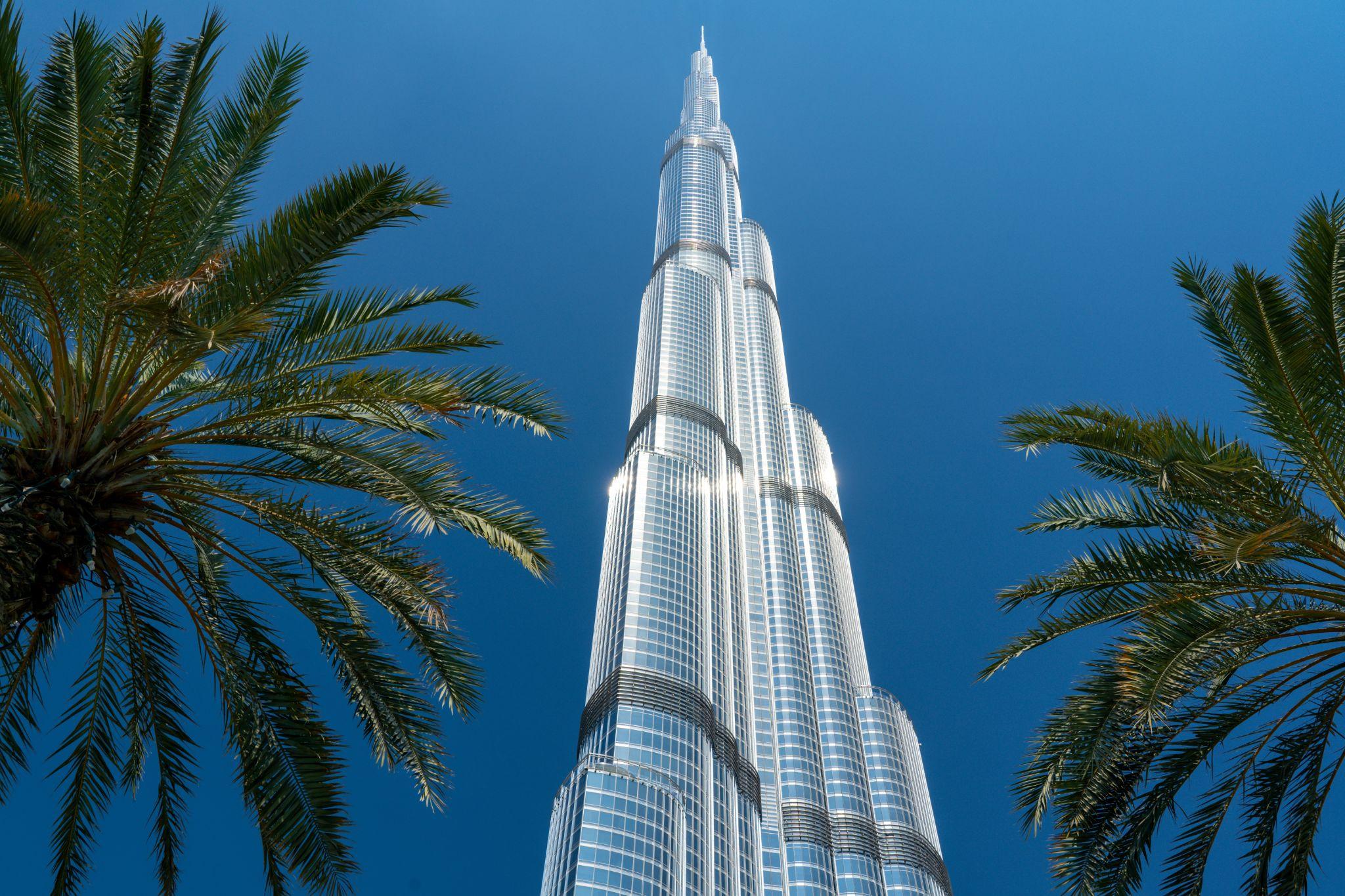
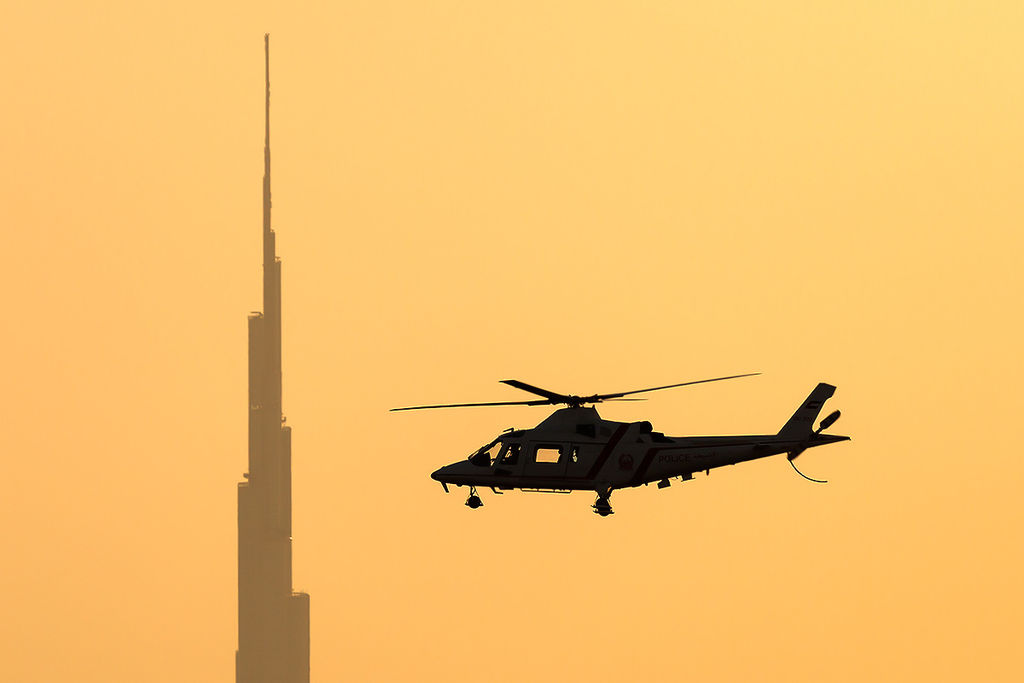
Pending the completion of the Jeddah Tower, which will have a height of 1 km, the Burj Khalifa holds the record, since 2010, for being the tallest skyscraper in the world, standing 828 meters tall. Apart from crowing the skies of Dubai, it is a marvelous design and engineering achievement, which has redefined the limits of the construction of skyscrapers. However, these achievements have had their fair share of controversy.
In 2025, the Burj Khalifa turned 15, a relevant milestone to review its impact on the emirate’s urban planning and economy.
History and origin
Before the project began, the Burj Khalifa was presented as a symbol of progress of a prosperous Dubai, which, in just 30 years went from being a regional center to a global one. The Burj Khalifa, together with other skyscrapers built in the city of the United Arab Emirates (UAE), such as Marina 101 (425 m) or Princess Tower (414 m) embody that vision and ambition.
Emaar Properties PJSC is the main developer of the Burj Khalifa and it is also one of the largest real estate companies in the world. The excavation work for the foundations began in January 2004, and the tower was formally inaugurated on January 4, 2010, before the inside of the skyscraper had been completed.
Where is the Burj Khalifa located?
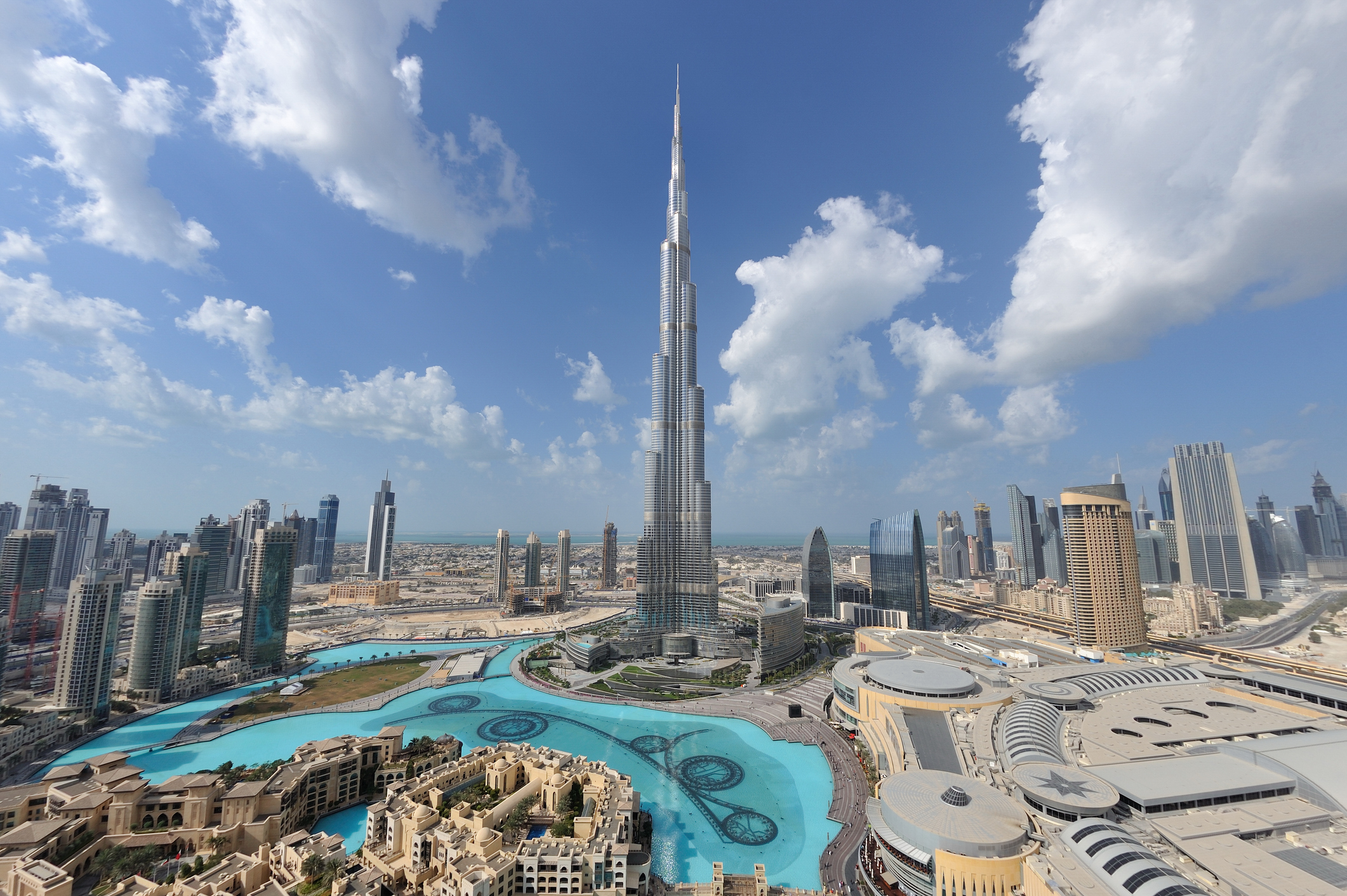
The tallest skyscraper in the world is located in the area known as Downtown Dubai. Built practically from scratch, in no time at all it has become one of the main tourist attractions in Dubai, thanks to the presence of numerous places of interest, including the Dubai Mall, the Burj Khalifa itself and the Dubai Fountain. Also the work of Emaar, the developer of Burj Khalifa.
An unbeatable height record
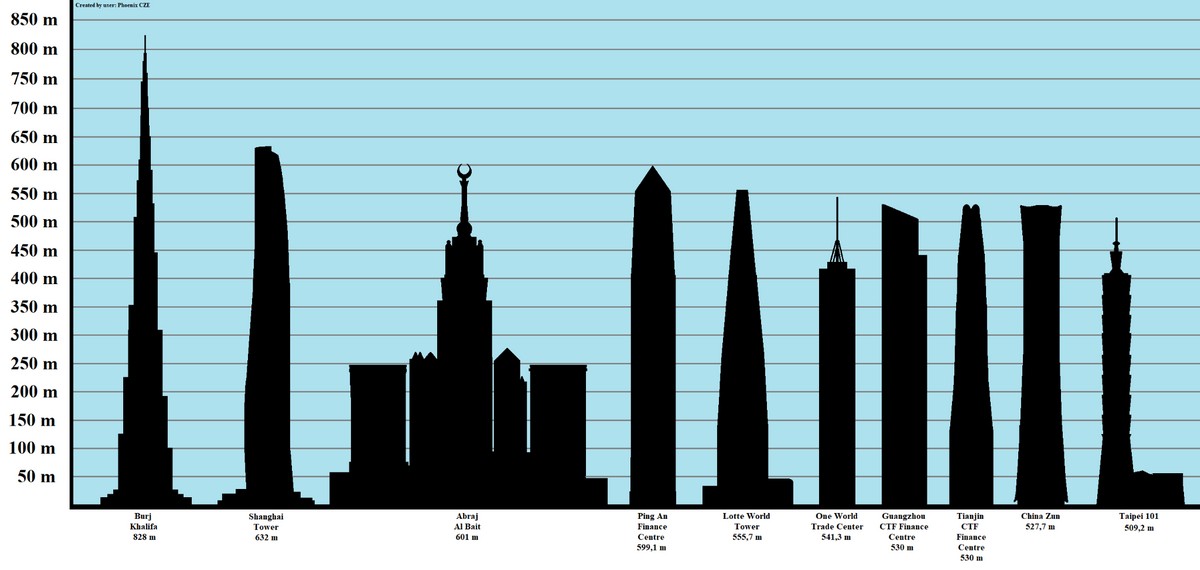
The Burj Khalifa stands 828 m tall, breaking the record held by the Taipei 101 Tower as the tallest building in the world (508 m, 2004). Other skyscrapers that complete the quintet of the tallest buildings in the world that are already built are the Shanghai Tower (632 m, 2015), Abraj Al-Bait Clock Tower, in Mecca (601 m, 2012) and Ping An International Finance Centre, in Shenzhen (599 m, 2017).
An interesting fact is that more skyscrapers have been built in the last two decades than in the entire 20th century. Most in the Middle East and Asia.
Other records held by the Burj Khalifa
Apart from its height, the Burj Khalifa holds other records as illustrated below.
The highest number of stories in a building
Its 828 m are distributed over 160 floors, divided into various programs.
The tallest and fastest elevator in the world
The Burj Khalifa has numerous service elevators, which rise to 504 m at a speed of 64 km/h, i.e., 1,076 m per minute.
The tallest restaurant
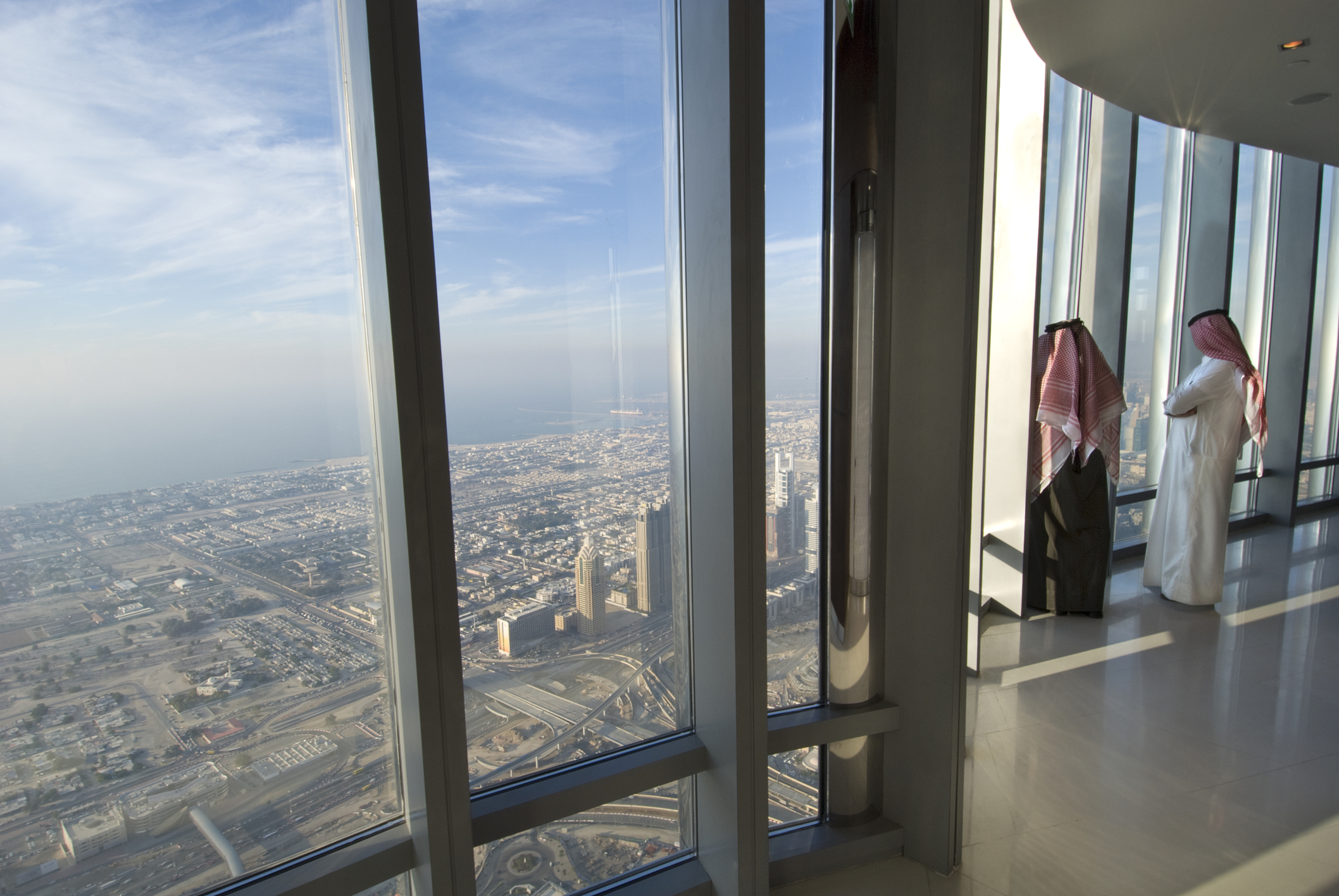
The Atmosphere Grill & Lounge restaurant, on the 122nd floor of the skyscraper, enjoys panoramic views of the city, standing 441.3 m tall.
Building program
Its 160 stories are divided as follows:
● The lobby on level 8 and levels 38 and 39 are occupied by the Armani Hotel Dubai.
● The Armani luxury residential community comprising of 1 & 2 bedroom suites is located on floors 9 and 16.
● Floors 45 through 108 are private ultra-luxury residences; the Corporate Suites.
● The Atmosphere Grill & Lounge restaurant is located on floor 122.
● Level 124 has a public outdoor observation deck called ‘At the Top’.
● **Levels 43, 76 and 123 **offer exclusive fitness facilities called Sky Lobbies.
● The other floors are occupied by offices.
Real estate market and residential sales
Since its inauguration in 2010, residences at the Burj Khalifa have generated $2.18 billion, more than any other building in Dubai. About 76% of its residential units are priced at over $1 million..
However, residential sales experienced fluctuations between 2022 and 2024. In 2022, the Burj Khalifa recorded 16% growth in residential sales, especially in ultra luxury apartments.
In 2023, sales exceeded $288 million, but declined the following year to $127.17 million, reflecting continued strong demand in the high net worth segment, albeit with fewer units available than in previous years.
The average price in the building at the end of 2024 was $816.7 per square foot, which is 78.5% higher than the Dubai average.
Design
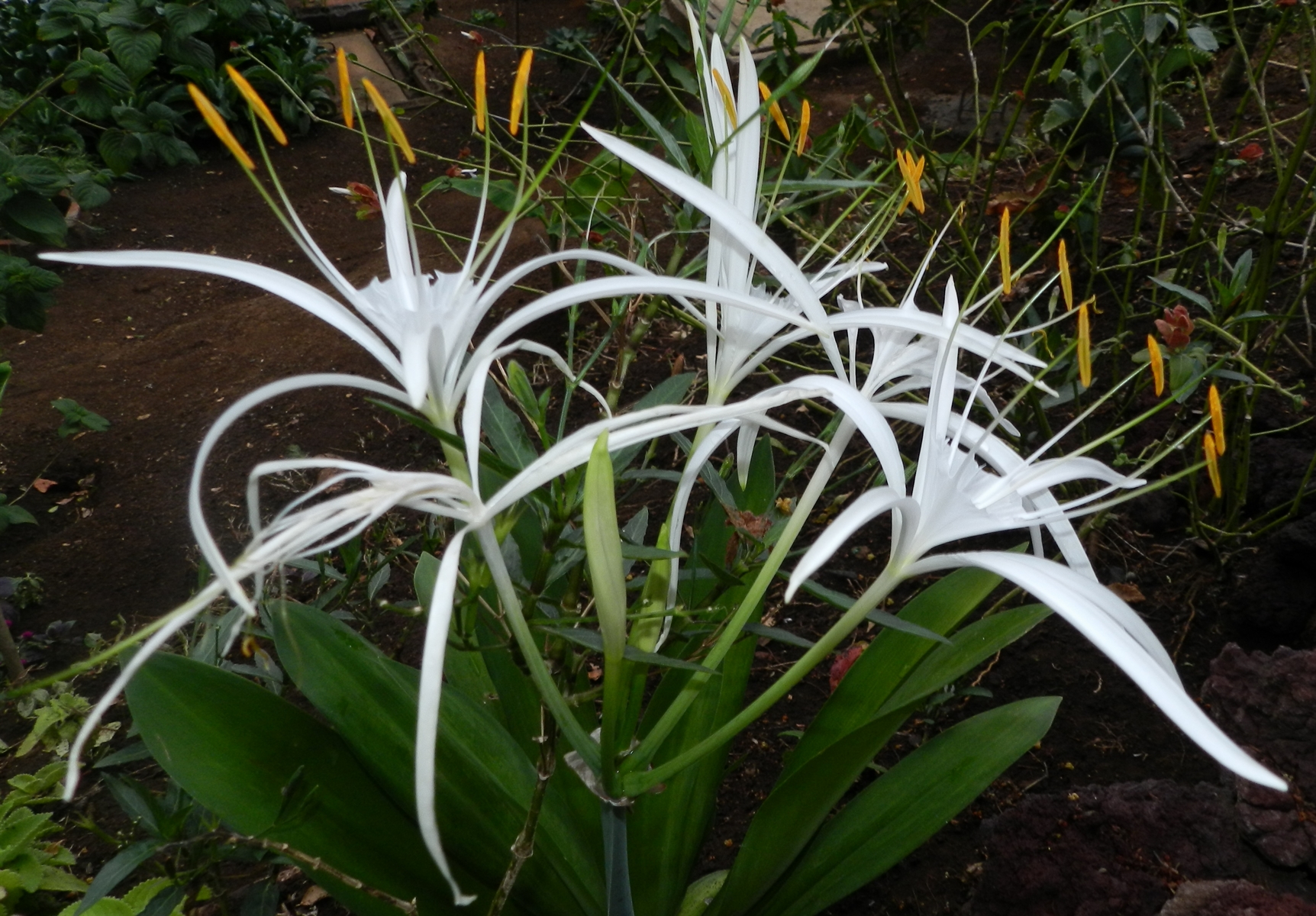
The American design house Skidmore Owings Merrill is behind the design of the Burj Khalifa. Visually, it combines local cultural influences with cutting-edge technology to achieve high performance in an extreme desert climate. The modular building is composed of three elements arranged around a central core as an abstraction of the Hymenocallis flower.
Its Y-shaped floor plan maximizes views of the Arabian Gulf and it is crowned by a 200 meter spire.
Engineering landmark
The architects and engineers from SOM developed innovative strategies to tackle the challenges they faced in the construction of an unprecedented skyscraper.
Its Y-shaped floor plan reduces the force of the wind and also improves the construction capacity. Each wing, with its own high performance concrete core and perimeter columns, buttresses the others via a hexagonal hub. The result is a tower with extreme torsional stiffness.
The setbacks are organized with the Tower’s grid: the building stepping is accomplished by aligning columns above with walls below to provide a smooth load path.
This allowed the construction to proceed without the normal delays associated with column transfers. The setbacks are organized in such a way that the Tower’s width changes at each setback. The advantage of the stepping and shaping is to “confuse the wind,” because at each new tier the wind encounters a different building shape.
Sustainable engineering
Apart from its height record, the Burj Khalifa incorporates holistic strategies for the mechanical, electrical and plumbing (MEP) systems, which make the building highly efficient, while minimizing the environmental impact and reducing the use of materials and resources.
The main objectives were to provide comfort and a healthy interior environment. The high-performance curtain wall attenuates the summer heat and delivers superb radiant thermal comfort.
Urban development around the Burj Khalifa
Expansion of the Dubai Metro
In January 2026, Dubai’s transport authorities signed an agreement with Emaar to expand the Burj Khalifa Dubai Mall station, increasing its capacity by 65% to accommodate growing pedestrian traffic, especially during periods of large scale events. The goal is to serve up to 220,000 passengers per day.
The events hosted by the gigantic skyscraper include, for example, year-end festivities, when it becomes a focal point for shows featuring lights, lasers, and fireworks.
Development of Downtown Dubai
From 2022 through the end of 2025, the Downtown Dubai area has experienced urban, real estate, commercial, and cultural development that reinforces its position as a global hub for tourism, investment, and lifestyle.
By sector, real estate expansion includes new residential projects such as:
- Burj Royale, a residential tower with views of the Burj Khalifa, developed by Emaar Properties.
- Il Primo Tower, completed in 2023 and rising to a height of 356 meters, has become one of the new icons of Dubai’s skyline.
- Downtown Views II Residences, whose apartments sold at a record pace, highlighting strong global demand for investment in skyscrapers near the Burj Khalifa.
Tourism and economic impact on the city
The Dubai Department of Economy and Tourism’s 2024 report shows that the At the Top Burj Khalifa observation deck was visited by approximately 48% of all international visitors who arrived in Dubai in 2024. This translates into about 8.2 million people out of the total 18.72 million foreign tourists who visited the city that year.
A standard ticket during off peak hours costs between $41 and $49, while at sunset prices increase to between $61 and $71.
New projects that rival in height
- Jeddah Tower, in Jeddah, Saudi Arabia, is planned to reach 1,000 meters. Construction began in 2013 and, although it has faced significant delays, completion is expected in 2028 or 2029.
- Dubai Creek Tower, designed by Santiago Calatrava, was originally expected to reach 828 or 1,000 meters, but after a redesign it will ultimately be 745 meters.
- Burj Azizi, also in Dubai and currently under construction, will rise to 725 meters.
Controversies surrounding the Burj Khalifa
There were numerous negative episodes during its construction. The Burj was built mainly by workers from South and East Asia. According to a BBC investigation and a report by Human Rights Watch, the workers were housed in dreadful conditions and worked more hours than those stipulated for a minimum salary.
Officially, one death related to the construction was reported. However, injuries and work-related deaths in the Arab Emirates are “badly documented” according to Human Rights Watch. One dark note that clouds the story of one of the finest jewels of modern architecture.
Frequently asked questions about the Burj Khalifa
How tall is the Burj Khalifa?
828 meters.
Who designed it?
Skidmore Owings Merrill
How much did it cost to build?
About $1.5 billion.
How many floors does it have?
163 habitable floors
How long did construction take?
6 years.
When was it inaugurated?
January 4, 2010.
Can the Burj Khalifa be visited?
Its observation decks can be visited.
Photographs | Unsplash/Nick Fewings, Unsplash/Nick Fewings, Wikipedia Commons/Phoenix CZE, Wikipedia Commons/ Mehdi Nazarinia, Wikipedia Commons/Sergio TorresC, dblight/iStock, FrankvandenBergh/iStock